E-bike tattletale
J.P. Squire – Apr 5, 2026 / 4:00 am | Story: 606855
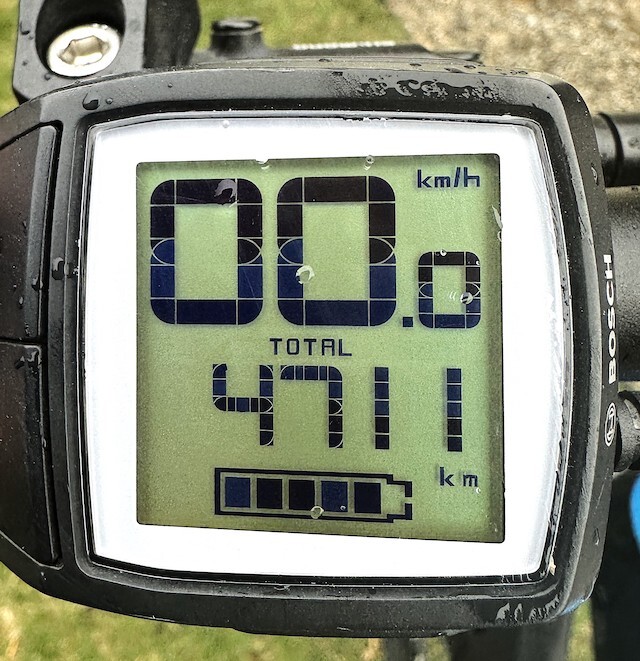
Photo: J.P. Squire
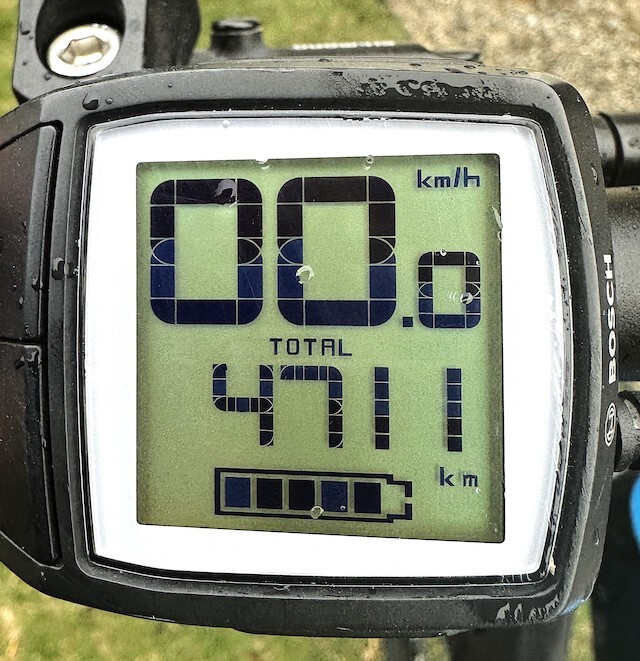
A typical e-bike display only tells you so much: speed, trip distance, odometer and battery storage. The computer chip will reveal so much more about your riding style.
(This is the third column in a series about bikes—from spring tune-ups to how to purchase a bike, customize it, ride it, basic maintenance and DIY repairs.
The co-owner of Kelowna’s Fresh Air Concept, Marty Tymm says a popular customer question he gets about e-bike reliability is how far can a bike go?
“You can’t say: ‘Well, these motors are good for 30,000 kilometres,” says Tymm. There are too many variables. You’re the one who will tell you the answer.
“What’s the intended purpose of the bike and (the owner’s) hopes and aspirations?Hopefully, you can get them to paint a picture in their head. ‘I see myself using the bike this way and I can kind of expect this.’ You have to put it in the perspective of where and how this person tends to ride—flat terrain, hills, mountains, smooth, rough, slow, fast, how far, etc.”
Most e-bikes come with some sort of diagnostic tool, he explained.
“That helps us to track service intervals and important data like the number of kilometres a person has on the bike. However, the onboard computer is a bit of a tattletale,” says Tymm. “It shows a really good snapshot of how the bike is being ridden. It tells me all your bad habits but you can see the good ones too.
“With a lot of e-bikes, I can run a report and it’ll tell me what percentage of time you were in eco mode, in sport, in EMT (automatic) and turbo or equivalent power settings. Have there been any overheat events, service codes, any hanky-panky? It tells me all that. There’s no hiding.”
If the owner is using it for fitness, he or she is getting a workout and is not stressing the e-bike.
“It’s great, adds Tymm. “They’re doing what the e-bike is supposed to do. It’s you riding a bike and once in a while, you have the magic hand fire up and give you a little help up the hill. Then, you tone it back down so it’s just back to you having a good day at the office.”
However, according to Tymm, some people like to go full power all the time and expect to ride uphill at 32 km/h (maximum pedal-assist) so they should not be shocked if parts wear out prematurely.
Mechanics can get a snapshot of motor health through a computer report, especially if there’s been unexplained clicking, surging, power turning off or a grinding or whirring noise.
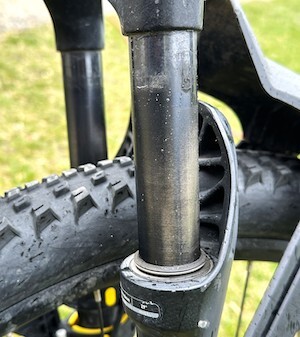
Photo: J.P. Squire
The nubbies on your tires might look brand new (after replacing the old tires) but you can see the wear of many bounces on the front shocks. An e-bike computer will tell the truth about your mileage.
“The onboard computer will tell us some data but worn engine components, like belts, gear and bearings—there are lots of bearings in there—won’t always show up on a diagnostic.
“Most e-bike motors, by virtue of their design, are not intended to be serviced, rather replaced, if there is major malfunction. If a bearing or a belt is wearing out, other components are probably not far behind. It boils down to the amount of strain and heat created by the type of use. Everything electric creates heat and everything that creates torque wears out eventually. Unfortunately, there is no free lunch in this game. Sometimes motors fail and should be replaced.”
With the popularity of e-bikes, some enterprising bike mechanics have established a motor rebuild service for certain brands and models of motors with a limited warranty. Bosch, for example, offers a drive gear rebuild kit for certain motor models.
“We’ve successfully done a couple of them but only a few motor problems can be resolved with a rebuild. It’s more of a life extension. You’re not starting back at zero kilometres again,” says Tymm.
A non-pedal-assisted bike doesn’t tell a similar story, so there’s no way to know its history other than inspecting and measuring wear points.
“When we ask the customer about their bikes history, many times we will get the answer: ‘Oh, well, it’s been fine. It still has the nubbies on the tires. It’s still brand new.’ And yet, a bicycle with thousands of kilometres can still have the nubbies on the tires.”
The assessment continues up to the handlebars and seat.
“Is your handlebar bent? Are the grips torn, mirror smashed, seat cracked or torn up? These are items that won’t stop the operation of your bike but will affect comfort and control. It’s just being objective. Are all the parts in good, medium or poor condition?”
Tymm says the whole assessment process is a lot of extra work but speeds up a spring tune-up by answering the important question: What does the bike actually need?
If a customer accurately knows the extent and cost of the repair, they can make a solid decision whether do it or not.
“No one likes surprises when they pick their bike up,” says Tymm.
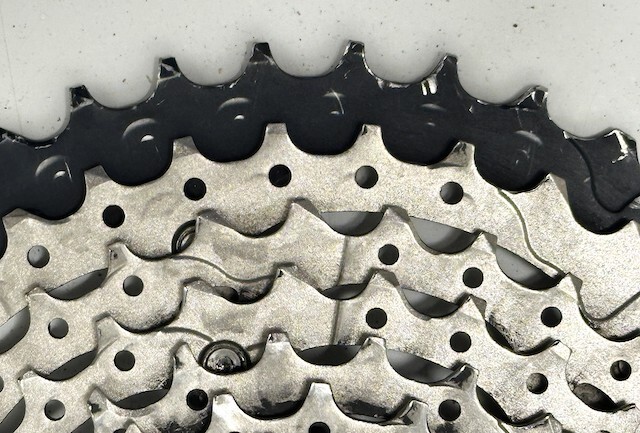
Photo: J.P. Squire
An e-bike computer will reveal the percentage of each power mode used by the rider. But the wear on the cassette rings will tell your mechanic if you’ve used too much power on specific rings, especially the higher gears.
This article is written by or on behalf of an outsourced columnist and does not necessarily reflect the views of Castanet.