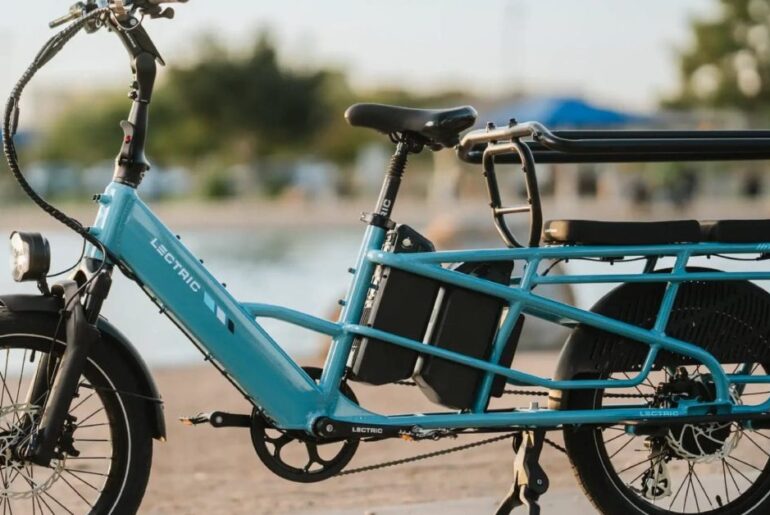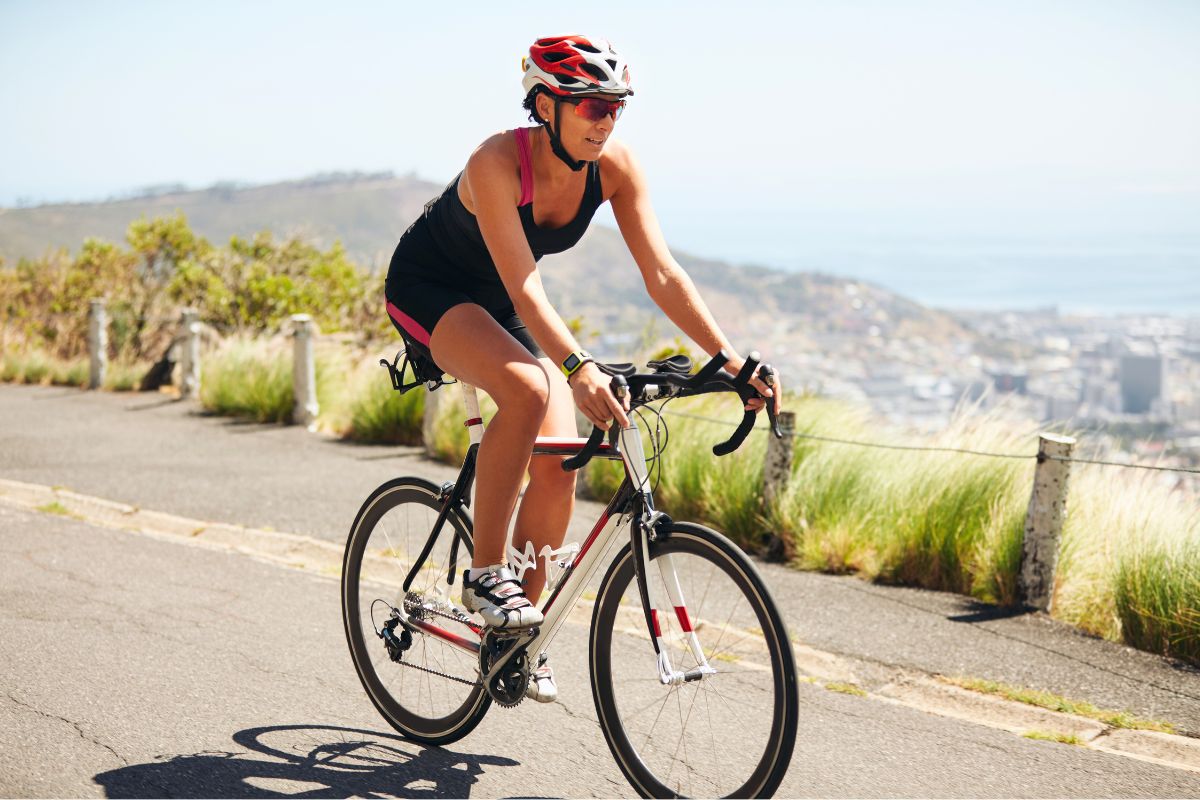
What the study actually measured
For many, the e‑bike seems like “cheating,” yet a recent study suggests a more nuanced picture. Researchers from Hannover Medical School tracked real‑world riding over four weeks to see what people truly do. They monitored 1,700 cyclists, including 1,250 e‑bike users, capturing duration, distance, and heart‑rate data.
The design aimed to reflect everyday behavior, not lab theory. That matters because consistent, moderate movement often beats short, intense bouts for long‑term health. The researchers looked at both total minutes and intensity to evaluate overall benefits.
Differences in activity and duration across bike types
How e-bikes compare with conventional bikes
Riders on conventional bikes were more likely to hit the 150 weekly minutes the WHO recommends. About 35% of conventional riders met the goal versus 22.4% of e‑bike users. Still, typical e‑bike trips were longer, averaging 34 minutes compared with 26 on standard bikes.
Total weekly pedaling time was a bit lower on e‑bikes, at about 135 minutes versus 160 on traditional bikes. However, the intensity was generally moderate, which is strongly linked to heart‑health gains. In other words, less intense per minute, but still meaningfully active across the week.
“E‑bikes reduce per‑minute intensity, but increase participation and replace car miles—the net health impact trends positive,” noted the study’s authors in their summary. That balance between accessible effort and real‑world uptake is crucial for population‑level health.
A real alternative to the car
Perhaps the most striking finding concerns travel behavior. E‑bike riders were more likely to swap a car trip for a bike ride than conventional cyclists. Traditional riders, by contrast, more often substituted public transport rather than the automobile.
Replacing short car trips yields outsized benefits, from lower emissions to reduced traffic stress. It also means more frequent, habitual movement, the kind that accumulates into tangible health gains. By making hills feel flatter and distances feel shorter, e‑bikes broaden who rides and how often they do.
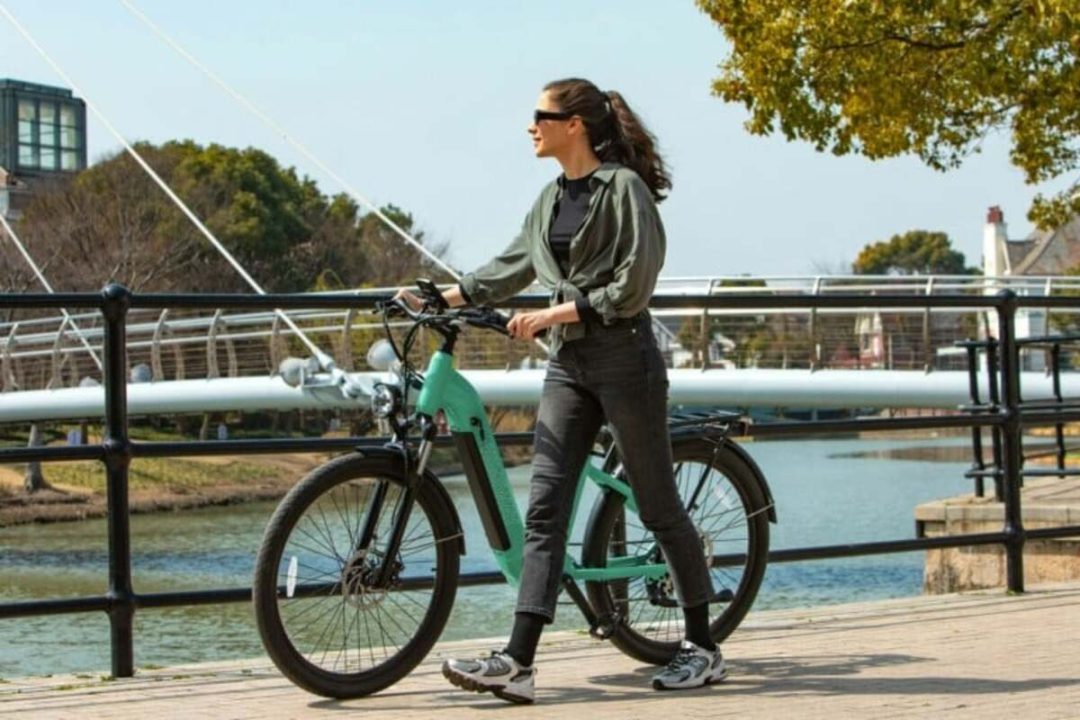 E‑bikes more often replace car trips, boosting daily activity and cutting emissions
Safety and risk: what to know
Overall crash rates did not differ significantly between e‑bikes and conventional bikes. Yet the study flagged higher near‑miss risk among older adults and women, with more than a 50% relative increase in reported close calls on e‑bikes. That pattern suggests targeted skills support could help specific groups.
The combination of higher average speed and added weight can change handling feel. Better infrastructure and rider education can mitigate these factors. Thoughtful equipment choices also enhance predictable control and visible presence in traffic.
Choose highly visible lighting and reflective gear to improve conspicuity.
Practice braking and low‑speed maneuvers to adapt to added weight.
Use appropriate assist modes to manage speed in dense areas.
Fit wider, grippier tires for stability and urban surfaces.
Consider mirrors and a well‑adjusted fit to reduce neck strain and blind spots.
What the numbers mean for your health
For many people, the biggest barrier is not effort, but routine and time. E‑bikes make daily activity more frictionless, which can drive consistent adherence. Even if per‑minute intensity is lower, more frequent, longer trips provide robust cardiometabolic benefits.
Crucially, replacing short car trips cuts sedentary time and boosts light‑to‑moderate movement. That combination supports healthier blood pressure, improved insulin sensitivity, and better mood and sleep. In the long run, what you do often matters more than what you do hard.
Adopting an e‑bike can also widen the circle of riders who feel confident joining the road. New or returning cyclists gain a smoother ramp into active travel, turning sporadic exercise into daily habit. Over months, that continuity compounds into meaningful fitness change.
Bottom line
E‑bikes are not a like‑for‑like replacement for the highest‑intensity rides, but they are a powerful gateway to more movement. The study suggests meaningful health benefits alongside reduced car dependence, especially for everyday errands and commutes. With basic safety habits and right‑sized assist, they offer a practical, enjoyable path to being more active.
If your goal is everyday well‑being, the best bike is the one you will ride often. For many, that bike is an e‑bike—not a shortcut, but a sustainable bridge to healthier living.