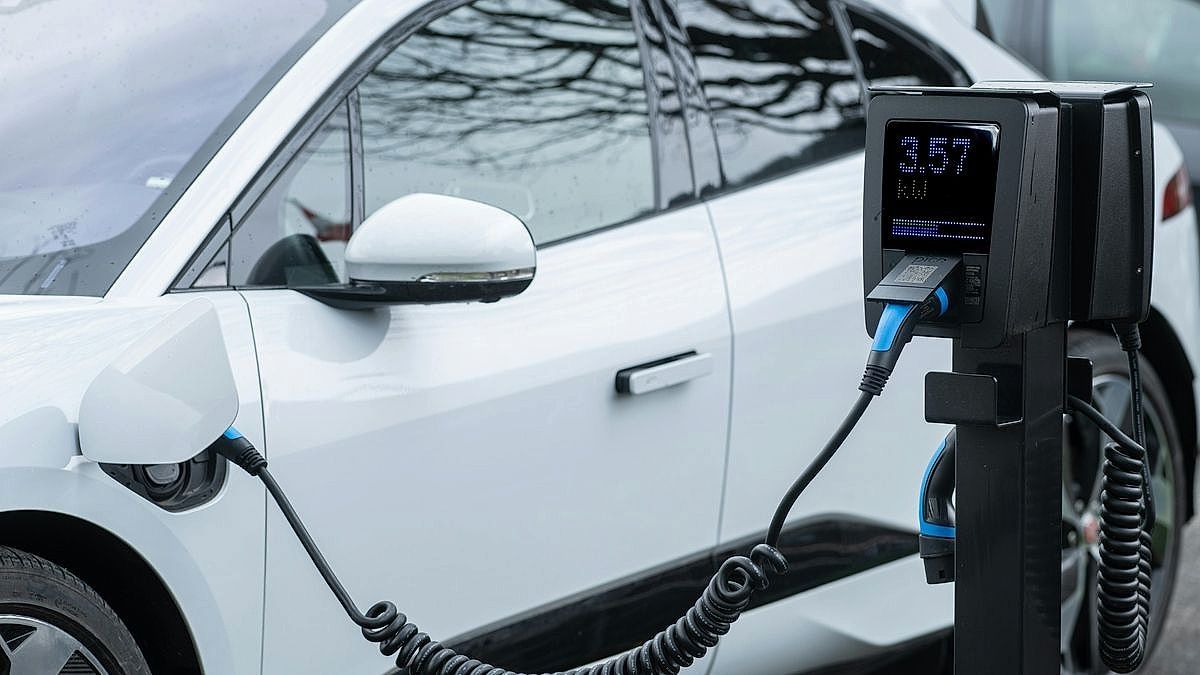
Two families from Mexico showed up at an Electrify America site in San Ysidro expecting a routine charge and got a five-hour ordeal instead. According to a Reddit post from a local BMW i3 driver, the tourists were in rental Hyundai Ioniq 5s, couldn’t download the Electrify America app because their phones were tied to the Mexican app store, and couldn’t fall back on card payment because the readers at the chargers weren’t working.
This is a system failure stacked three high: the app wouldn’t let them in, the chargers wouldn’t take payment, and the rental cars arrived with too little battery to give the drivers any margin for error.
“I am absolutely flabbergasted by what I just witnessed at my local Electrify America station in San Ysidro,” the Reddit user wrote. “I just wanted a quick weekend top-off for my i3s, but I ended up running a one-man rescue mission.” It’s a vivid quote, but the important part is what it reveals. Public charging still breaks down for the very people the industry says it wants most: first-time EV users, tourists, and renters.
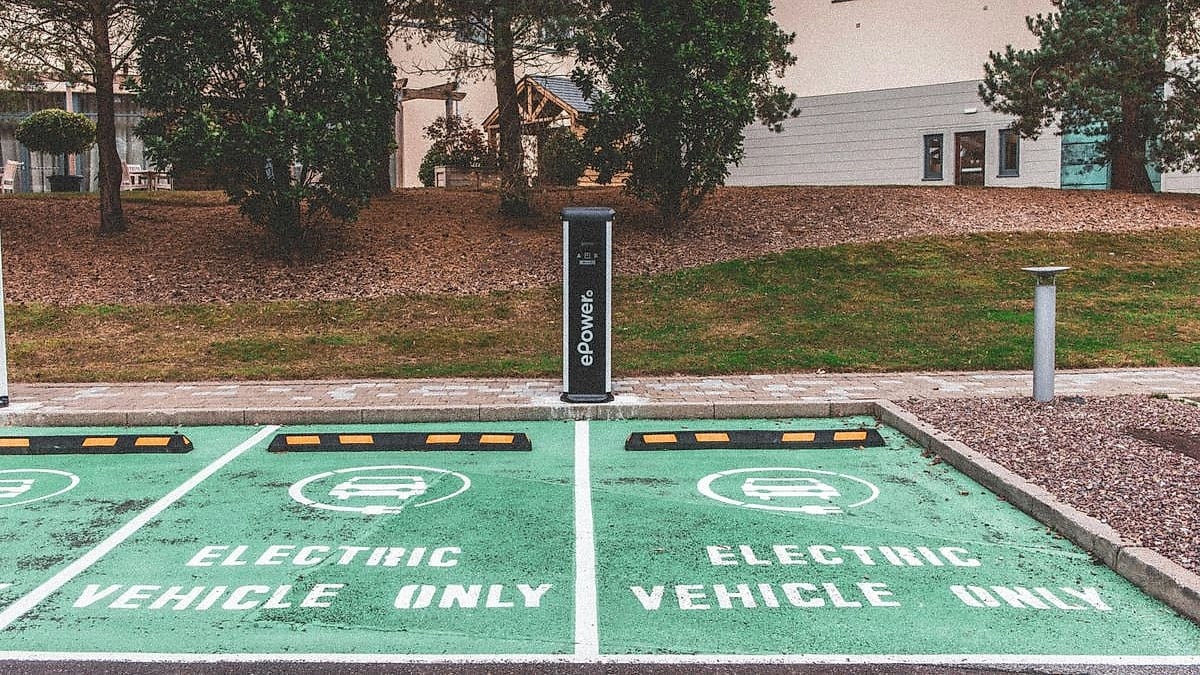
Start with the app problem. “If your phone is set to Mexico, you literally cannot get the app to start a session,” the witness wrote. That may sound like an edge case until you remember where San Ysidro is and who uses rental cars there. Border traffic isn’t a surprise. International travelers are not a rounding error. If a public charger effectively assumes a domestic app-store account, it is not built for the public.
Then the backup system failed too. “Every single card terminal on these units was dead,” the same user wrote. “Tap to pay didn’t work, and swiping was a no-go.” That sentence should make charging-network operators sweat. A public charger does not get to call itself public if ad-hoc payment is dead and the app is unavailable.
The rental company piece makes the whole scene worse. One Ioniq 5 reportedly arrived with a 2 percent charge; the other had 17 percent. A former Hertz employee in the thread didn’t sugarcoat it: “Sending the cars out with less than an 80% charge and without information about the local charging infrastructure is complete negligence.” That’s harsh language, but it fits. An EV renter with no home charger, no network familiarity, and almost no battery is being handed a problem, not a vacation tool.
The broader comments showed this isn’t unique to one parking lot. One user said even with deep EV experience, cross-border charging could still turn ridiculous: “I’m an expert-level EV driver making YouTube content, and I couldn’t charge my Tesla in a foreign country because I couldn’t download the app.” Another described Europe as “sort of a disaster” because every country seemed to demand a different app and payment method. Different continent, same bad habit: too many networks still treat charging like a membership club instead of a roadside utility.
That’s why the Norway and EU examples matter, but only briefly. Several commenters pointed out the obvious fix: force chargers to accept direct card payment. “Chargers should take a credit card. What’s so hard about that?” one wrote. Another added that Norway already requires it. That’s the right instinct. When the app works, great. When it doesn’t, the machine still has to take money and dispense electricity.
The San Ysidro episode also shows how badly the rental-car industry still handles EV handoffs. It’s not enough to park an Ioniq 5 in the lot and call it modern inventory. If the company doesn’t explain how charging works, doesn’t prep the customer with network access, and doesn’t send the car out with enough state of charge to survive a hiccup, it is effectively renting stress by the day.
The small mercy here is that somebody stopped to help. The i3 driver didn’t set out to rescue anybody; he just happened to be local, experienced, and willing to spend a Saturday morning untangling someone else’s mess. That’s admirable. It is also not a business model.
Public charging has to work for a tourist from Mexico in a rental car, not just for the seasoned EV owner with three apps, two RFID cards, and a backup plan. If it doesn’t, all the glossy talk about seamless electrification is just showroom copy.
The blunt question at the end of the Reddit post is the one the industry still hasn’t answered: “Is it really this hard to make a car charge in 2026?”
At too many stations, yes. And that’s the problem.
Image Sources: Pexels
About The Author
Noah Washington is an automotive journalist based in Atlanta, Georgia, covering sports cars, luxury vehicles, and performance culture. His reporting focuses on explaining the engineering, design philosophy, and real-world ownership experience behind modern vehicles.
Noah has been immersed in the automotive world since his early teens, attending industry events and following the enthusiast communities that shape how cars are built and driven today. His work blends industry insight with enthusiastic storytelling, helping readers understand not just what a car is, but why it matters.
Noah is also a member of the Southeast Automotive Media Association (SAMA), a professional organization for automotive journalists and industry media in the Southeast.
His coverage regularly explores sports cars, luxury vehicles, and performance-driven segments of the automotive industry, including the evolving culture surrounding Formula Drift and enthusiast builds.
Read more of Noah’s work on his author profile page or on his personal website.
You can also follow Noah here:
Follow us today…