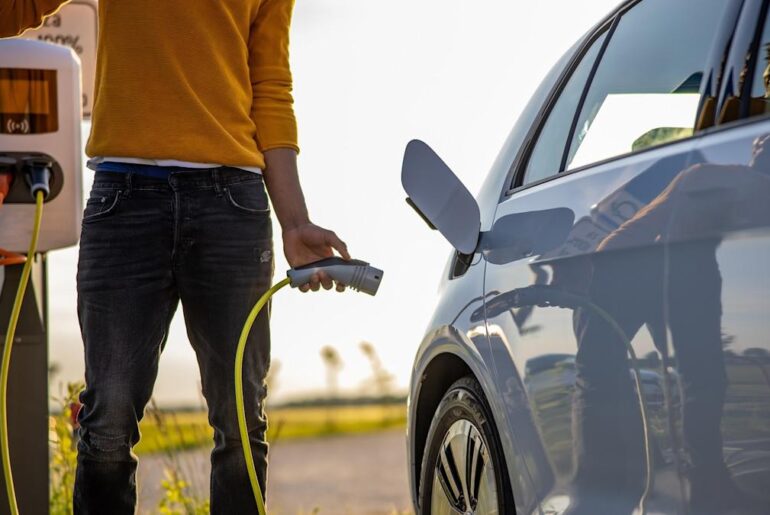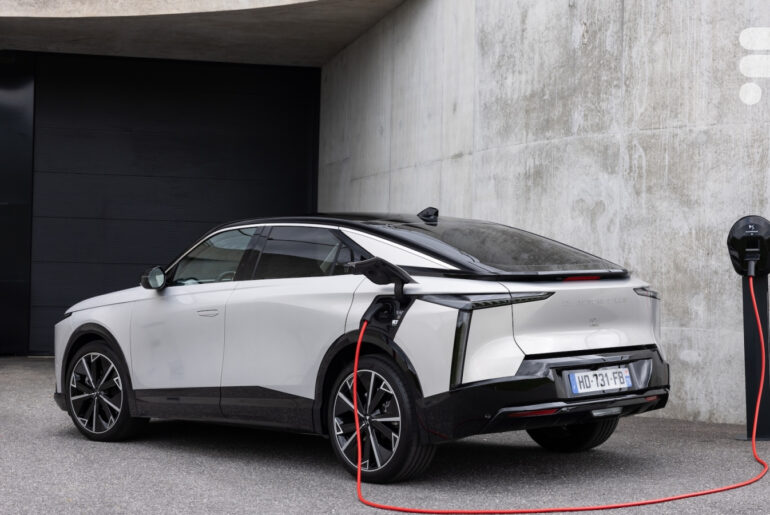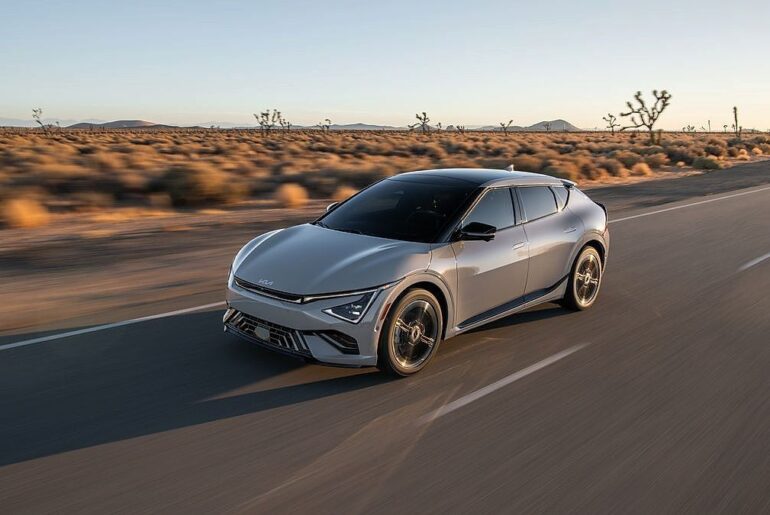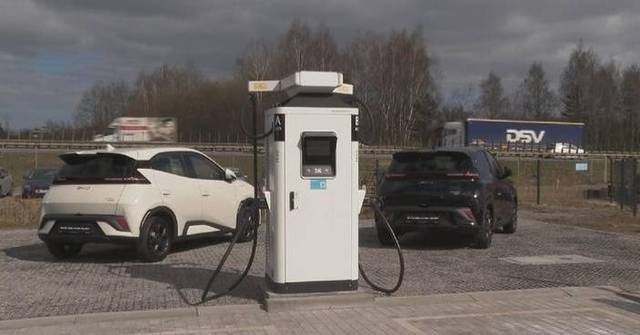
The ongoing United States-Israel’s military operations against Iran, coupled with disruptions in the Strait of Hormuz, have led to a skyrocketing in international oil prices. In Poland, facing persistently high fuel costs, the electric vehicle (EV) market is experiencing a notable boom, with more and more consumers transitioning to electric cars.
For Polish consumers, the most immediate impact has been on vehicle operating costs, making economic efficiency a primary driver for choosing electric vehicles.
Bent Haverberg, an EV owner, highlighted the stark difference in costs.
“For 60 zloty, you can drive 370 kilometers [with an] EV car. You can drive 100, 101 kilometer on petrol, on diesel for 60 zloty. So the benefit today with electrical car is very, very big,” he said.
“It’s the cheapest way to drive for me because I’ve got photovoltaic system — solar panels. So I don’t need to pay for charging my battery and I drive for free,” said another EV owner.
Michal Bowsza, a Polish electric vehicle dealer, noted the renewed interest in the market.
“We see, since March, it [sales of EVs] is being back. My expectation is that this percentage year by year, the share of EVs will go up, probably maybe even double.”
The shift from the “range anxiety” once associated with electric vehicles to the “fuel cost anxiety” currently plaguing internal combustion engine owners is fundamentally changing consumer choices.
Tomasz Bielinski, a Polish economist, said that the conflict in the Middle East may be inadvertently accelerating a structural shift in energy consumption.
“In European Union, in comparison to the structure of the market, more combustion engine cars are sold than electric vehicles. However, this may change with the rising prices of oil. And this may lead to higher sales of electric vehicles and probably also personal decisions investment in photovoltaic panels that would charge those cars — that would enable people to charge their cars in at home, that people want to have cars that are more green, that’s safe for environment,” he said.
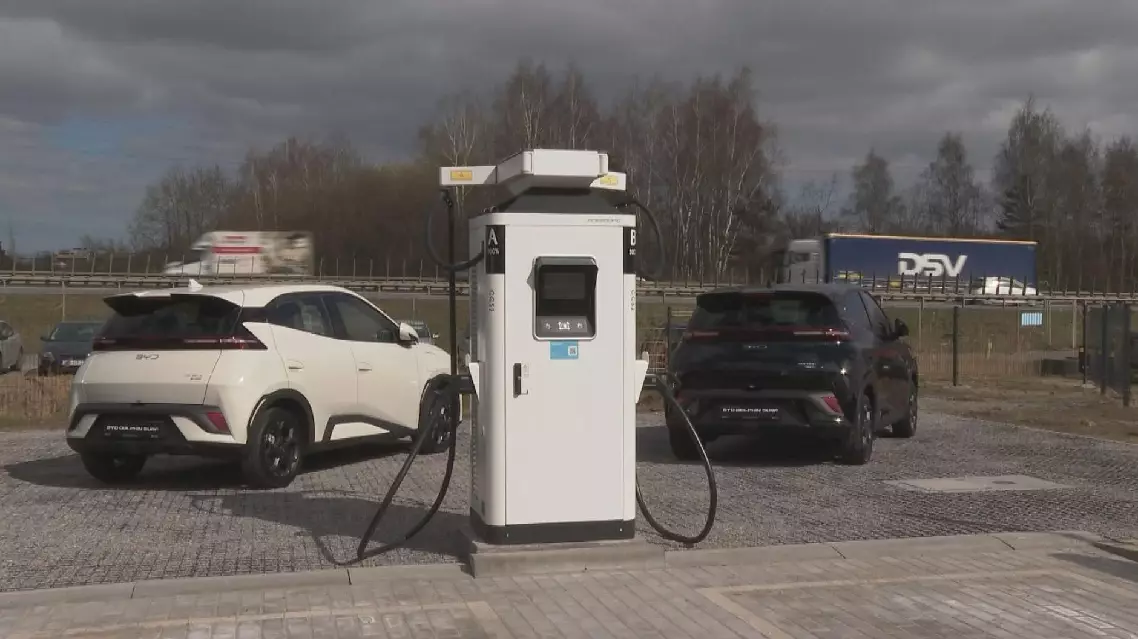
Rising oil prices fuel electric vehicle boom in Poland
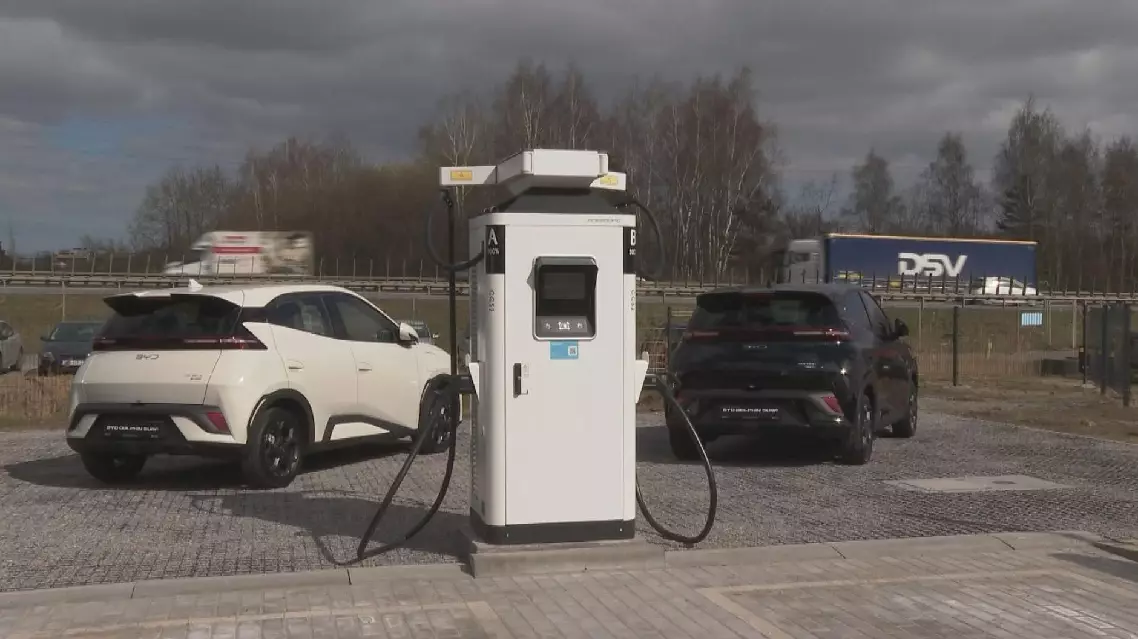
Rising oil prices fuel electric vehicle boom in Poland
Due to the pressure on essential services caused by prolonged power shortages, Gaza residents are facing limited access to water, healthcare and sanitation, further deteriorating the already fragile humanitarian situation.
In Gaza, power cuts have become a daily reality. With electricity available only intermittently, many civilians are struggling to carry out even the most basic tasks.
The consequences are widespread, affecting everything from water supply systems to critical infrastructure. As outages persist, maintaining essential services is becoming increasingly unsustainable.
“I carry water in small containers. We don’t have a large water tank, not even 500 liters, so we have to keep going back and forth, and water is not always available. Sometimes my son returns without being able to fill it,” Mohammad Habib, a displaced Palestinian, told China Global Television Network (CGTN).
This ongoing energy crisis has also had a severe impact on critical hospitals, which rely heavily on generators to continue operating.
“If the generators stop, it will be a catastrophe and a real danger to everyone in the hospital, especially premature babies, dialysis patients and those in intensive care, as well as blood banks. Most departments would shut down. We are sounding the alarm that hospitals will stop functioning if fuel and oil are not allowed in as soon as possible,” said Mohammad Abu Salmiya, director of Al-Shifa Hospital.
International humanitarian organizations have warned of a potential collapse of essential services in Gaza if electricity supplies are disrupted. “Hospitals and medical centers in Gaza that are still able to function work under immense pressure and at risk of collapse. These hospitals work with shortages in energy, medical supplies and equipment,” said Amani Al-Naouq, spokesperson for International Committee of Red Cross in Gaza.
According to Gaza’s municipality, about 75 water wells rely on electricity and are at risk of shutting down, which would worsen conditions for displaced families whose homes have been destroyed.
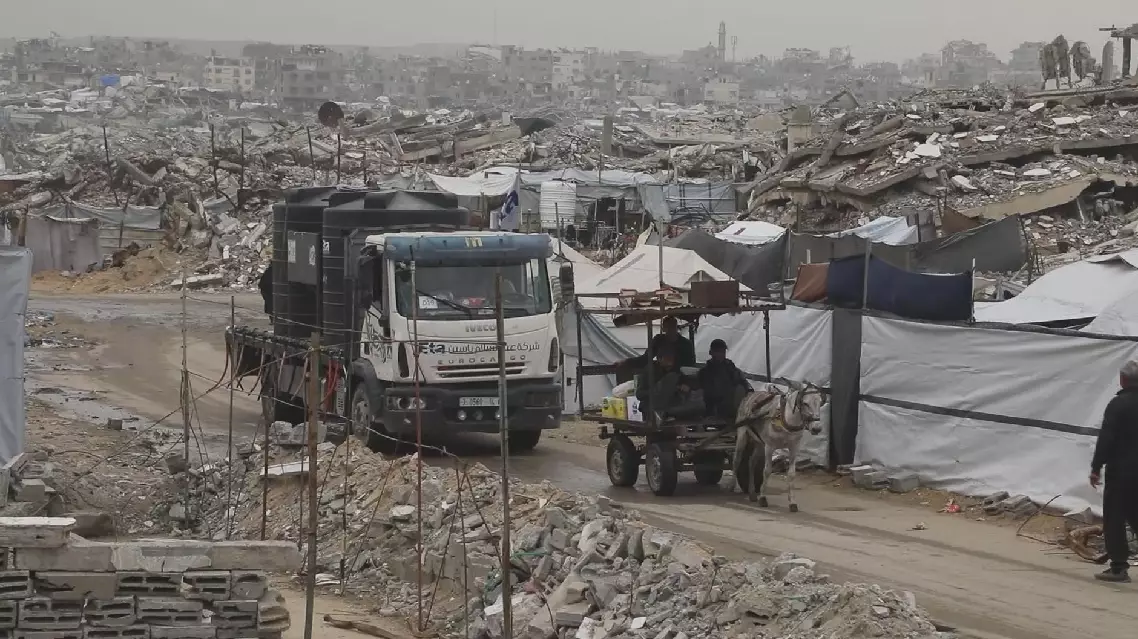
Power shortages intensify humanitarian crisis in Gaza