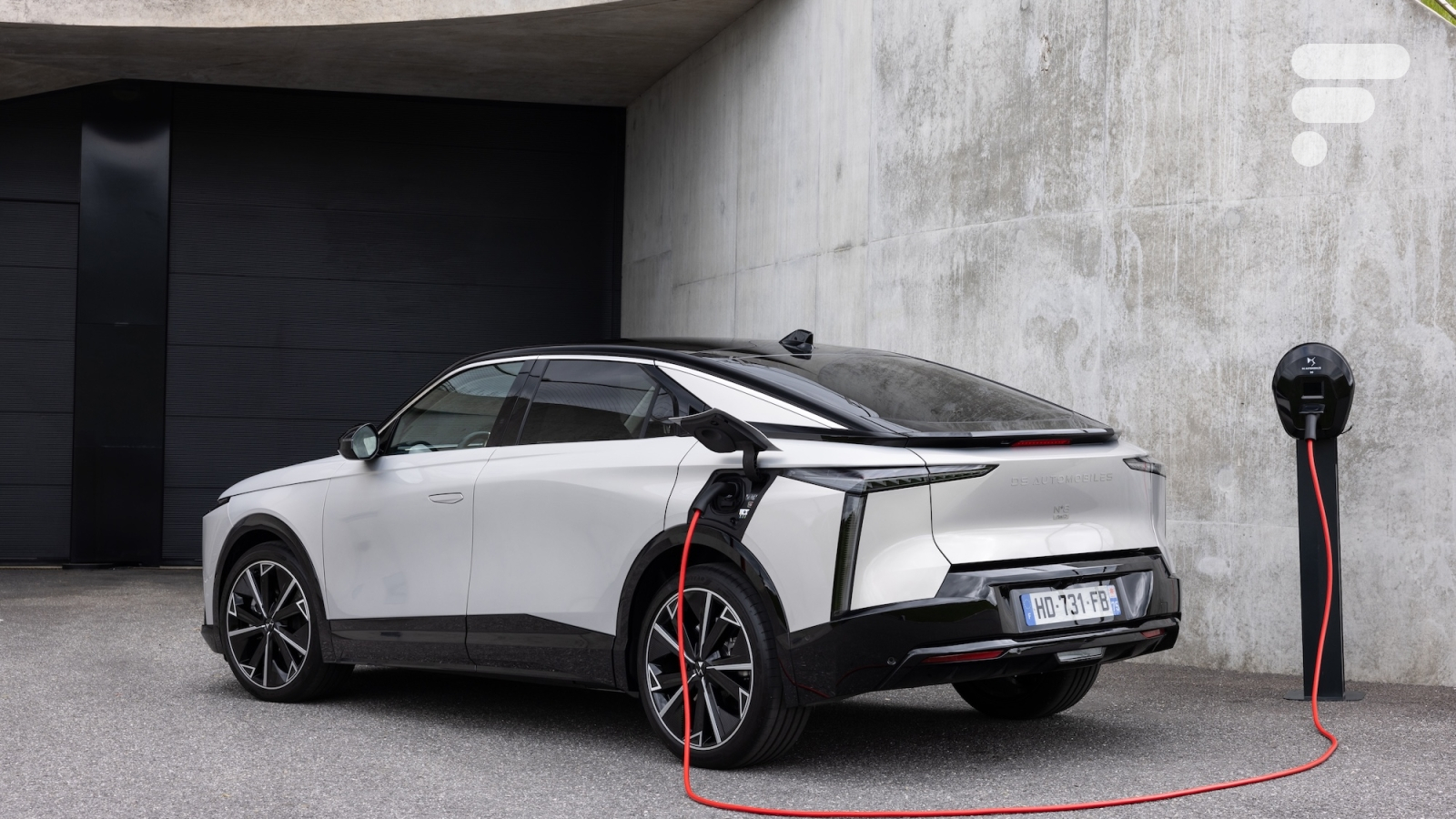
Stellantis engineers say the DS N°8 deliberately stays on a 400‑volt backbone, even as rivals chase 800‑volt bragging rights. The long‑range flagship promises up to 750 km on a charge and prioritizes serenity over sprint pit stops. That choice is not about ignorance of the trend, they insist, but about chemistry, cost, and the realities of infrastructure.
Battery chemistry, explained by the people who built it
At the heart of the decision is the car’s large 97.2 kWh pack supplied by ACC, using high‑nickel NMC 8:1:1 cells for strong energy density and long‑haul efficiency. According to the team, pushing ultra‑high charge rates would have forced compromises on that very chemistry. “When you want very high charging power, you can’t use the best chemistries,” a DS N°8 product lead told Numerama. In plain terms, the most energy‑dense mixes don’t always love extreme C‑rates, heat, and the tighter durability margins they impose.
The smaller pack, at 73.7 kWh, is supplied by BYD and uses a different NMC ratio (6:2:2), trading a touch of energy density for different thermal and cost properties. Across the lineup, Stellantis aligns the car with its STLA Medium platform, which is a 400‑volt native architecture designed for scale across multiple brands. Jumping to 800 volts would have meant a deeper electrical redesign—new power electronics, new onboard hardware, and a costly validation cycle that clashes with Stellantis’ current economics.
That context also explains why STLA Large—the group’s 800‑volt‑capable base used on the Dodge Charger and big Jeep models—didn’t go to DS for this car. Strategically, it’s being prioritized elsewhere, even as Alfa Romeo prepares to benefit on future Giulia and Stelvio. The DS brief, instead, was to pair high range with refined ride and predictable running costs.
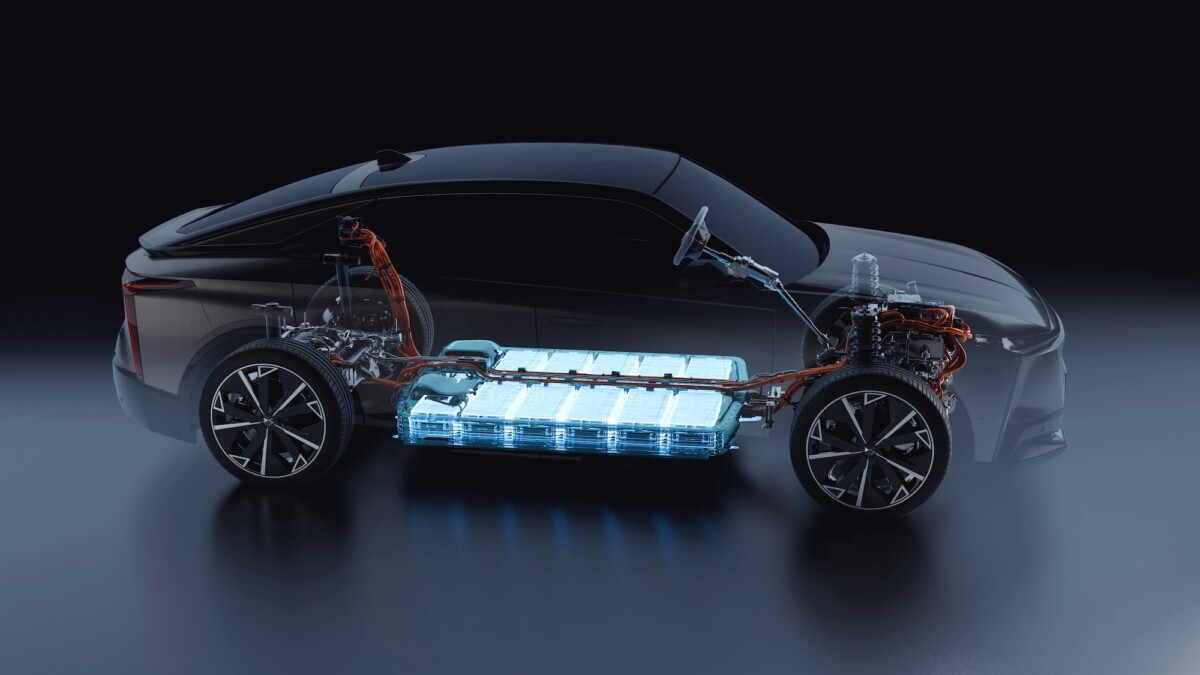
Caption: Batteries DS N°8 // Source: DS
Why 800 volts matters—and why it isn’t everything
The main engineering perk of 800‑volt systems is lower current for a given power level, which means thinner cables, less heat, and more stable peaks. On the road that can translate to 10–80% in about 15–20 minutes on the right hardware. Still, that’s only as good as the chargers you actually find, and Europe’s landscape remains a patchwork of sites with varying capabilities.
Tesla’s Superchargers are widely available but fundamentally 400‑volt, which can blunt the headline peaks of some 800‑volt cars. Many high‑power non‑Tesla networks support a wider voltage range up to 800+ volts, but site‑to‑site variability is very real. Ultra‑fast 480–525 kW pedestals exist, yet they’re still rare in much of Europe, limiting the value of top‑end claims.
Stellantis argues the DS N°8’s 400‑volt baseline is inherently well matched to the broad middle of Europe’s hardware. The goal is repeatable performance across common sites, not the best‑case number you see once a year on a hero charger.
The numbers that actually matter to your stops
Officially, the DS N°8 targets a 20–80% window in 31 minutes on the smaller BYD pack, and 27 minutes on the larger ACC pack. Peak DC power is a modest‑by‑headline 160 kW, held between roughly 20% and 55% state of charge. Those figures aren’t class‑leading, but they’re consistent with a well‑managed 400‑volt curve.
For perspective, Volkswagen’s latest 400‑volt setups can do 10–80% in about 26 minutes from a 79 kWh battery, peaking near 185 kW. Meanwhile, 800‑volt rivals like the Audi Q6 or upcoming A6 e‑tron often shave another 8–12 minutes under ideal conditions. And at the frontier, an Xpeng G9 can post astonishing 12‑minute sessions—if you can find a 500‑kW‑class stall, which remains uncommon across much of Europe.
Key figures and context:
Up to 750 km claimed range with the big pack
20–80% in 27–31 minutes, depending on battery
160 kW peak, with a broad mid‑SOC plateau
STLA Medium 400‑volt electrical architecture
NMC 8:1:1 (ACC) and NMC 6:2:2 (BYD) chemistries
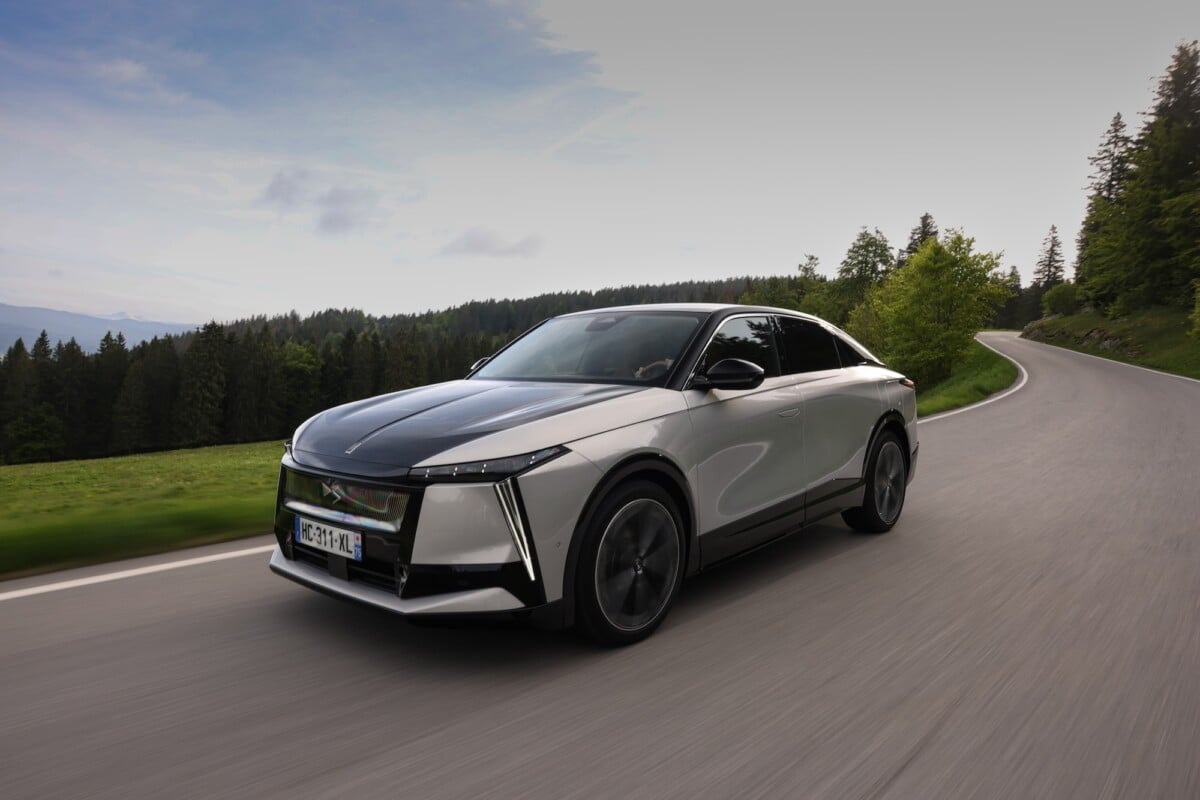
Caption: DS N°8 // Source: DS Automobiles
What this means when you’re actually traveling
For most journeys, the DS N°8’s blend of large battery, restrained peak, and flat curve will make planning straightforward and predictable. You’ll often match the quoted times on more chargers more of the time, rather than chasing rare sites to unlock theoretical bests. Preconditioning the pack, arriving near 10–20% SOC, and picking reliable HPC networks will still pay dividends.
The trade‑off is philosophical: Stellantis favors energy density, cost control, and platform commonality over maximum headline speed. Drivers who live by the stopwatch will find faster options, especially among 800‑volt rivals. But drivers who value quiet competence—long legs between stops, a comfortable cabin, and consistent performance across everyday stations—may decide the balance is not only acceptable, but sensible.
In the end, charging speed is a system story: battery chemistry, cooling, software, station health, and grid limits. Stellantis engineers are betting that a mature 400‑volt recipe, delivered at scale, solves more real problems than it creates. Whether that bet ages brilliantly or merely adequately will depend less on the spec sheet and more on the chargers you meet on the road.