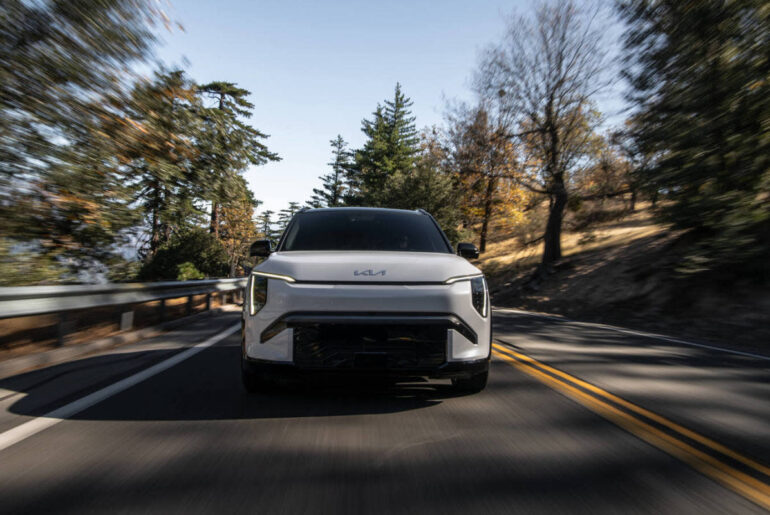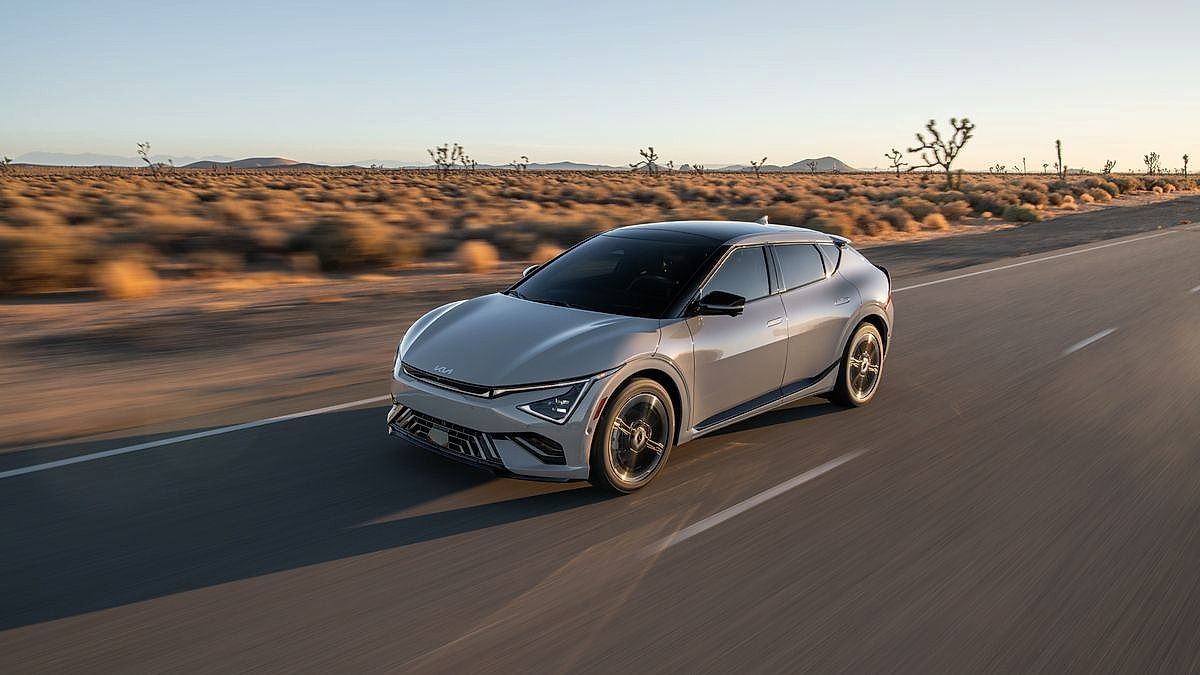
A used 2022 Kia EV6 Wind felt bigger than expected on the first drive, but that didn’t stop one cash buyer from taking it home after a Chevrolet Bolt EUV alternative failed a basic inspection. The Kia, a 117,000-mile example, closed at $15,835 out the door after the Bolt showed unresolved electrical-system codes and arrived smelling like it had been smoked in for half a year.
That’s the real lesson in this used-EV story. A car can feel odd for 20 minutes and still be the right buy if the history checks out. Another car can feel like the safe fallback until the details say otherwise.
The buyer wasn’t shopping for novelty. “For the record, my current work car is a Dodge Grand Caravan, and my errand/putter around town car is a 2015 Nissan Leaf,” Reddit user Just-Zone-2494 wrote, adding that the goal was simply to find something with more range than the Leaf and less appetite for fuel than the van.
The EV6 didn’t make that easy at first. “Anyways, when I was test-driving the EV6, it just felt long,” the buyer wrote. “I know it has less length than the Caravan, but it didn’t feel like it. On top of that, I’m 5’4, and I felt like a kid playing in the driver’s seat.”
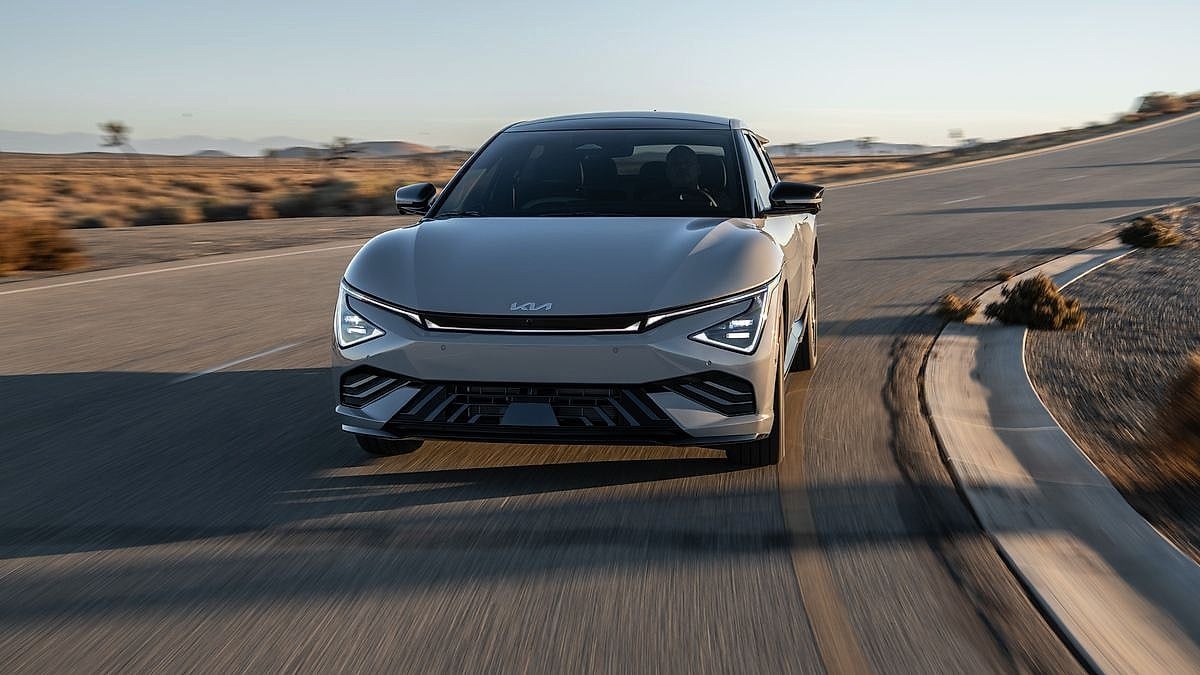
That impression makes sense. On paper, the EV6 is shorter than a Grand Caravan. On the road, though, the Kia’s long wheelbase, low hood, and stretched-out cabin make it feel bigger in tight maneuvers than the numbers suggest. One owner in the thread put it plainly: “The EV6 feels very long when I’m driving mine,” adding that the turning radius is worse than his Sienna minivan’s. Another chimed in with a more dramatic comparison after a road-closure U-turn: a Hummer EV made it in one shot, while the EV6 needed a three-point turn.
The shape doesn’t help people file it neatly, either. “The EV6 sits in a very strange category of car, size-wise,” one commenter wrote. Another cut through the taxonomy: “It’s a station wagon.” That’s probably the cleanest description. It rides lower and sleeker than most crossovers, but it carries itself with more bulk than a hatchback.
The backup plan fell apart the next morning. “Tomorrow I’m test-driving a Bolt EUV,” the buyer had written. The update was less optimistic: “I drove the 1.5 hours and didn’t even make it off the lot.” The car had been sitting in inventory for six months, smelled heavily of drugs, and, more importantly, showed unresolved electrical codes when the buyer plugged in a diagnostic tool. At that point, the EV6 stopped being the weird-feeling option and became the vetted one.
That’s what separates a smart used-EV buy from a romantic one. The shopper was paying cash, looking at high-mileage used EVs, and trying to use market indifference as leverage. The Kia won because it had a cleaner case file. According to the buyer, the prior owner’s dealership confirmed routine 10,000-mile service and timely repairs. In other words, the stuff that actually matters.
Once the deal was done, the size complaint faded fast. “I’ve already adapted to the size and most of the tech, and kinda digging the 1 pedal driving,” the new owner wrote after the first morning with the car. Another commenter supplied the line that probably belongs on the back page of the purchase paperwork: “It’s a badass station wagon.”
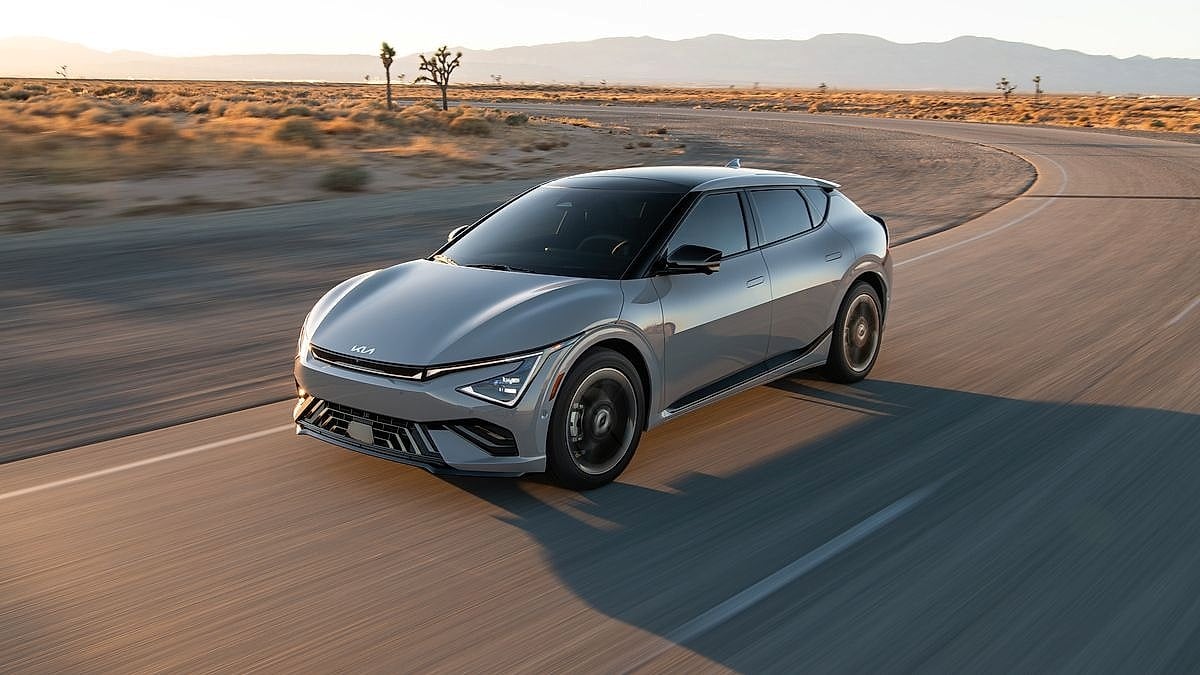
There’s a useful correction in that quick turnaround. Plenty of cars feel wrong on a first drive because they don’t match the driver’s existing references. This buyer came from a Grand Caravan and a Leaf, two vehicles with very different sightlines, dimensions, and seating positions. The EV6 landed between them on the spec sheet and nowhere near them in sensation. It just takes time to get used to it.
And in this case, it was an adjustment worth making. The buyer needed more range, found a car with documented upkeep, and got over the size shock in about a day. The Bolt EUV failed before it left the lot. The EV6 made it to the driveway.
Image Sources: Kia Media Center
About The Author
Noah Washington is an automotive journalist based in Atlanta, Georgia, covering sports cars, luxury vehicles, and performance culture. His reporting focuses on explaining the engineering, design philosophy, and real-world ownership experience behind modern vehicles.
Noah has been immersed in the automotive world since his early teens, attending industry events and following the enthusiast communities that shape how cars are built and driven today. His work blends industry insight with enthusiastic storytelling, helping readers understand not just what a car is, but why it matters.
Noah is also a member of the Southeast Automotive Media Association (SAMA), a professional organization for automotive journalists and industry media in the Southeast.
His coverage regularly explores sports cars, luxury vehicles, and performance-driven segments of the automotive industry, including the evolving culture surrounding Formula Drift and enthusiast builds.
Read more of Noah’s work on his author profile page or on his personal website.
You can also follow Noah here:
Follow us today…