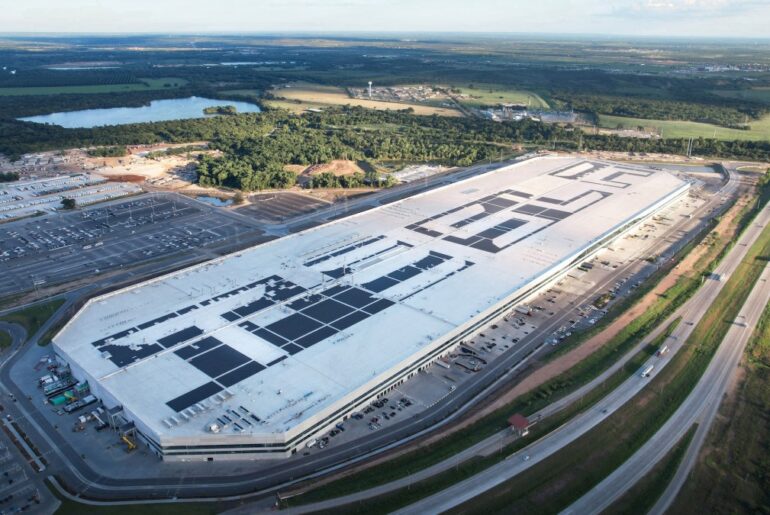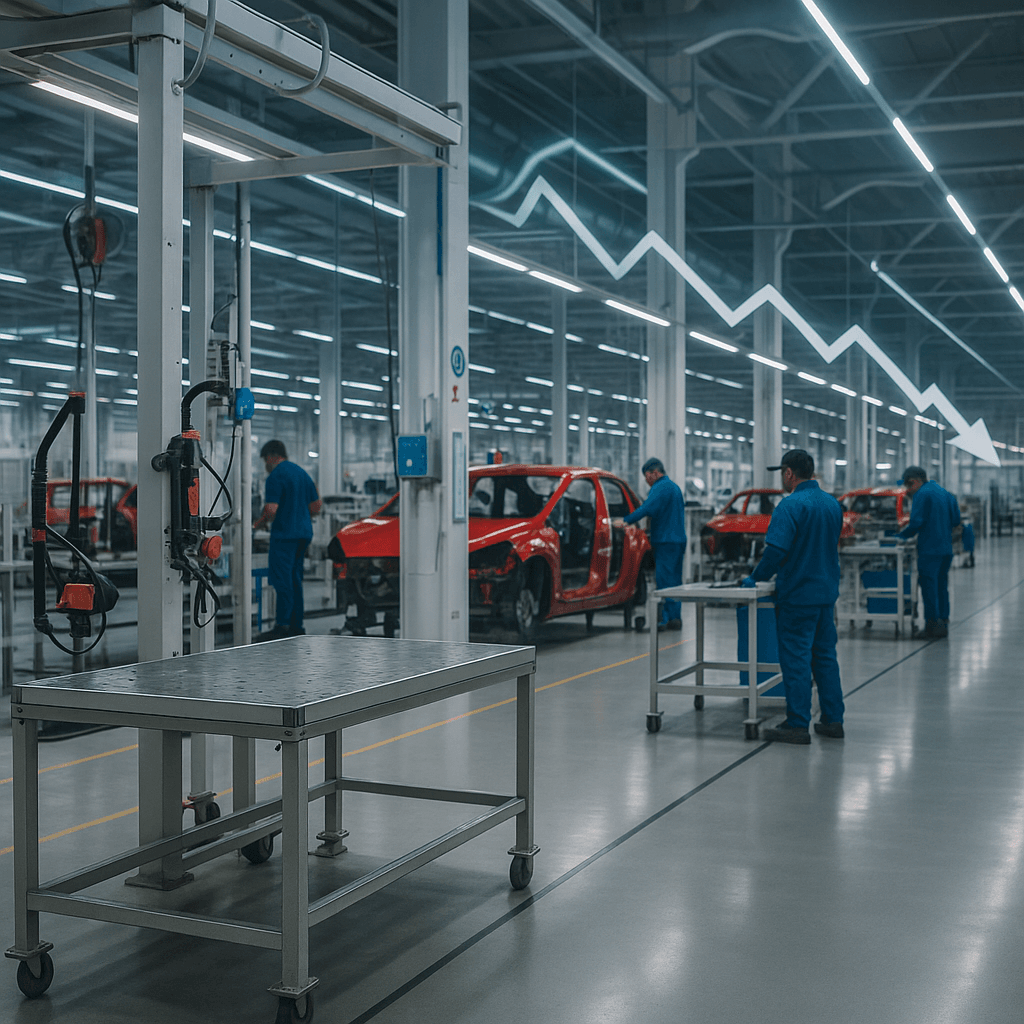
Tesla just confirmed what many in the auto industry feared – the electric vehicle giant is downsizing fast. The company’s Texas Gigafactory headcount dropped from 21,191 workers to 16,506 in 2025, a sharp 22% reduction, according to a TechCrunch report. The move comes as Tesla grapples with its second consecutive year of declining sales, signaling deeper troubles for the once-unstoppable EV leader.
Tesla is pulling back hard at its Texas manufacturing hub, and the numbers tell a stark story. The Austin-area Gigafactory shed nearly 5,000 workers throughout 2025, dropping from 21,191 employees to just 16,506 by year’s end. That’s a 22% workforce reduction at what was supposed to be the company’s crown jewel – its largest US production facility and North American headquarters.
The timing couldn’t be more revealing. Tesla is now two years into a sales decline that’s forcing CEO Elon Musk to make tough calls about manufacturing capacity. When you’re building fewer cars, you need fewer hands on the factory floor. It’s simple math, but it represents a major shift for a company that spent the past decade in hypergrowth mode.
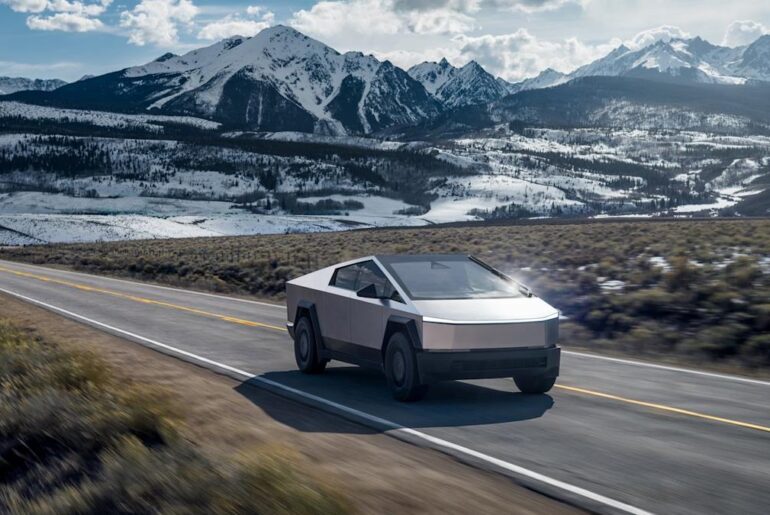
What’s particularly striking is where these cuts are happening. The Texas Gigafactory produces the Cybertruck, Model Y, and is supposed to be ramping up production of Tesla’s next-generation vehicles. Cutting staff here suggests either production delays on new models or significantly lower demand for current ones – neither scenario inspires confidence.
The broader context makes this even more concerning for Tesla. Legacy automakers like Ford and General Motors have flooded the market with competitive EV offerings, while upstarts like Rivian continue gaining ground. Tesla’s once-dominant position in the US EV market has eroded from over 60% market share in 2022 to around 48% by late 2025, according to industry tracking data.
Musk hasn’t directly addressed the Texas workforce reduction, but the company has signaled strategic shifts. Tesla recently announced it would discontinue production of the Model S and Model X to focus resources on the Cybercab robotaxi project – a bet that autonomous vehicles will matter more than traditional car sales. That’s a massive pivot, and one that requires different staffing than conventional manufacturing.