Göteborg, Sweden
 Maximilian Missoni Polestar 4
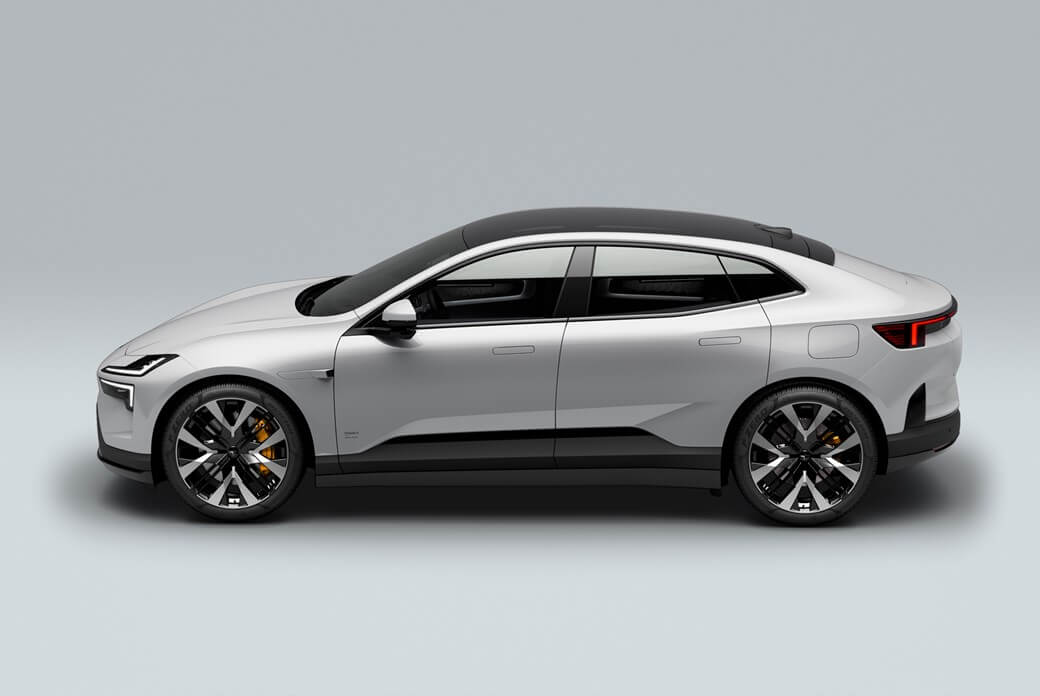
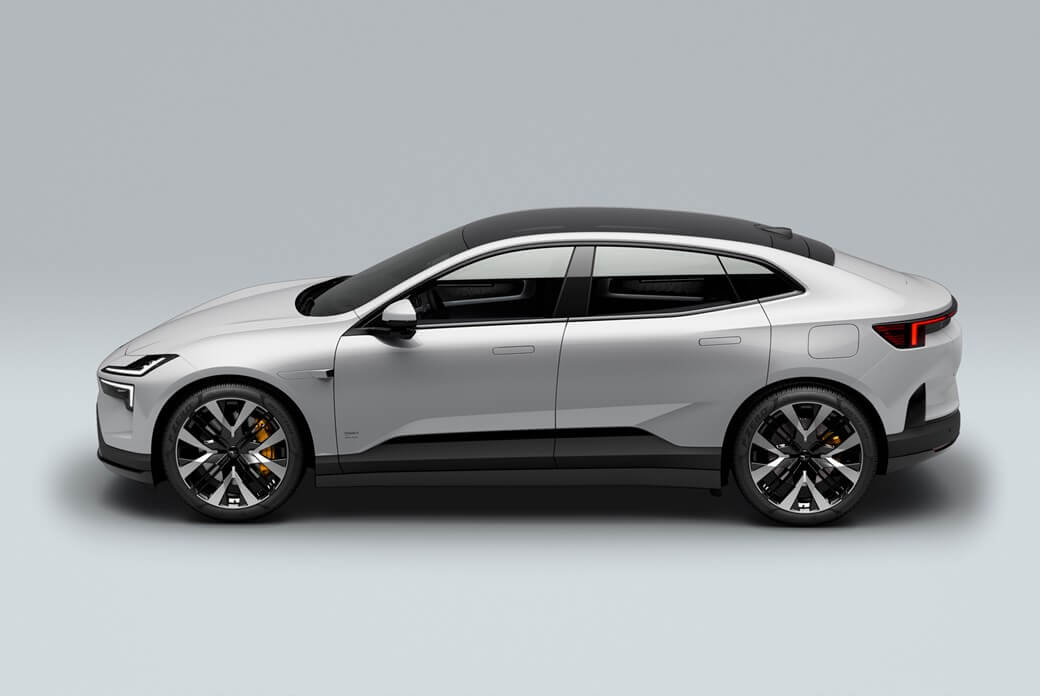
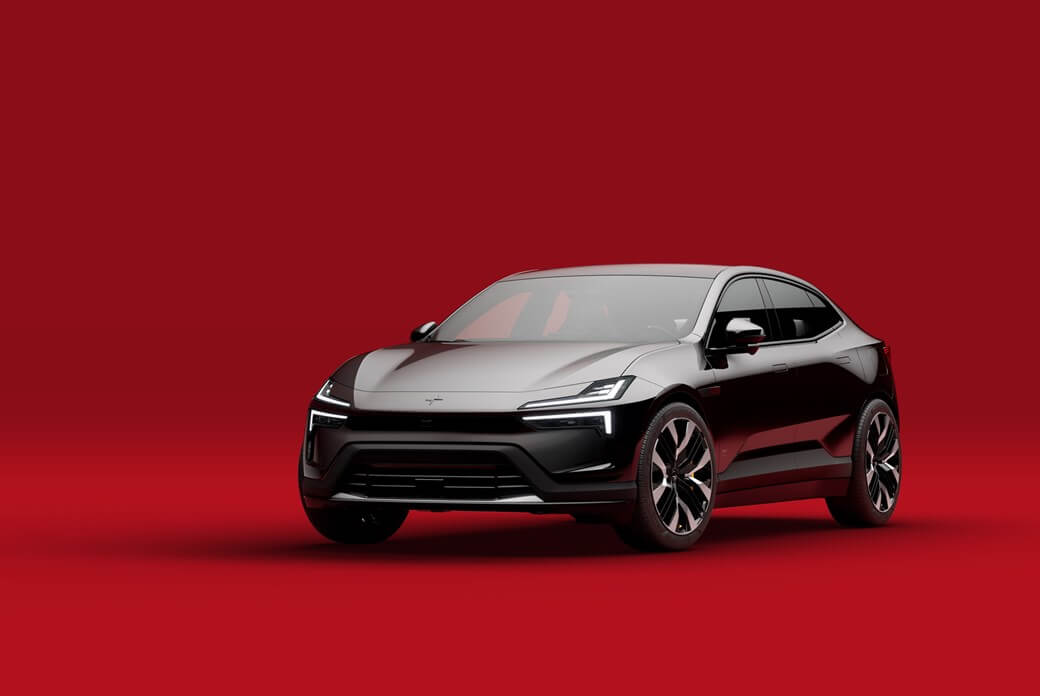
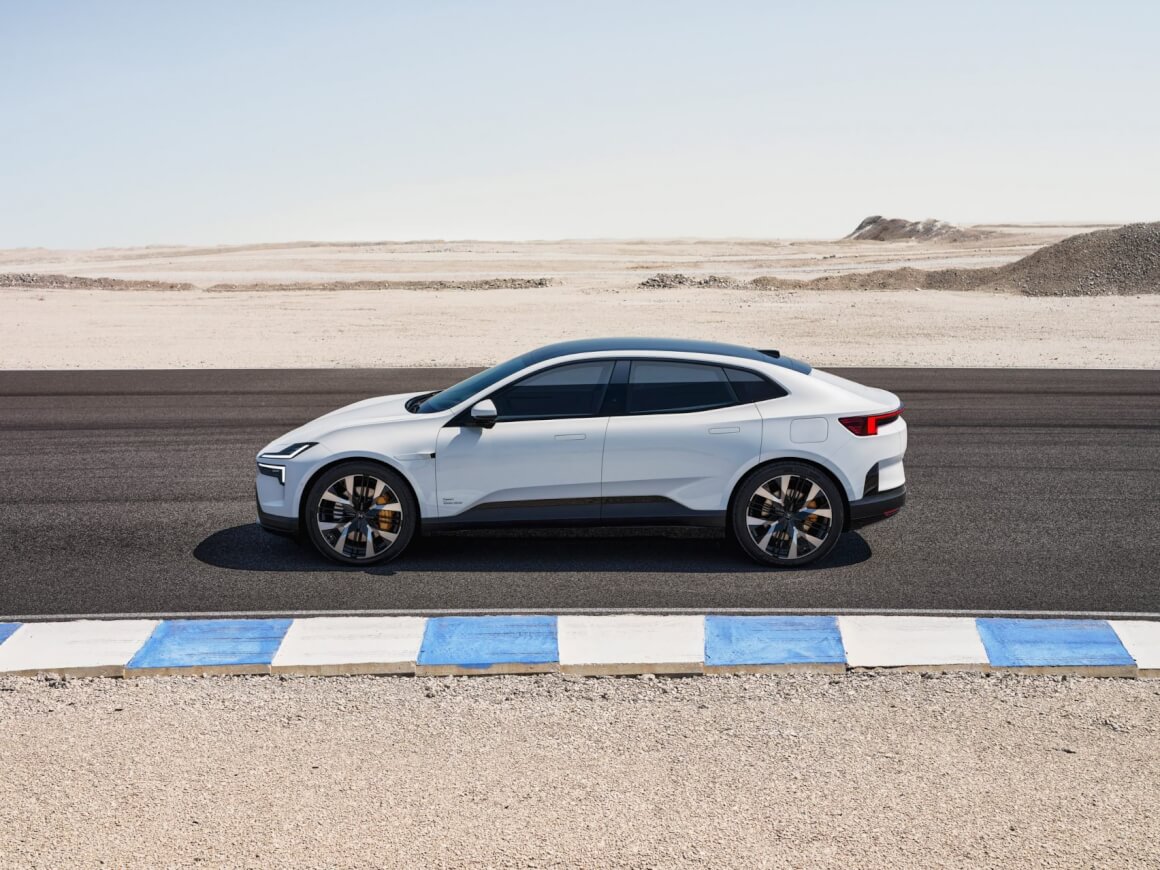
The minimalist design language and minimalist design philosophy of creating beauty in the tiniest of details has won the new Polestar 4 a prestigious 2026 Green Good Design Award and Electric Car of the Year by The Chicago Athenaeum: Museum of Architecture and Design.
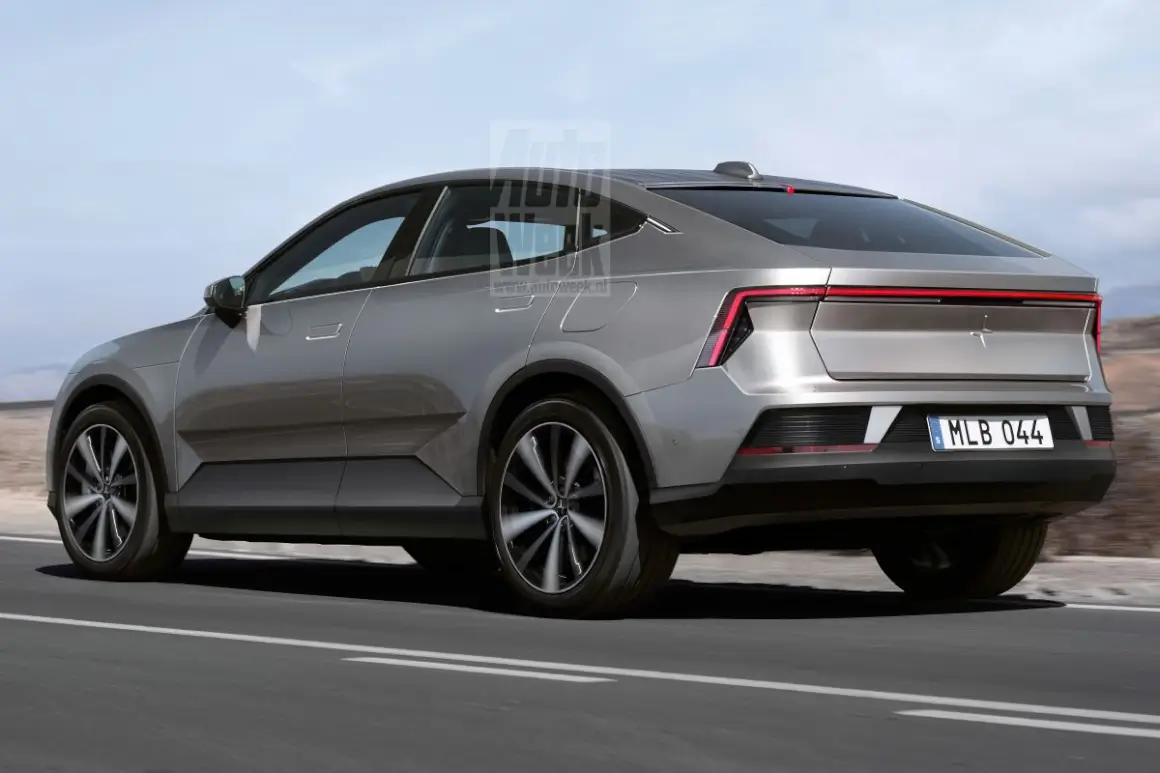
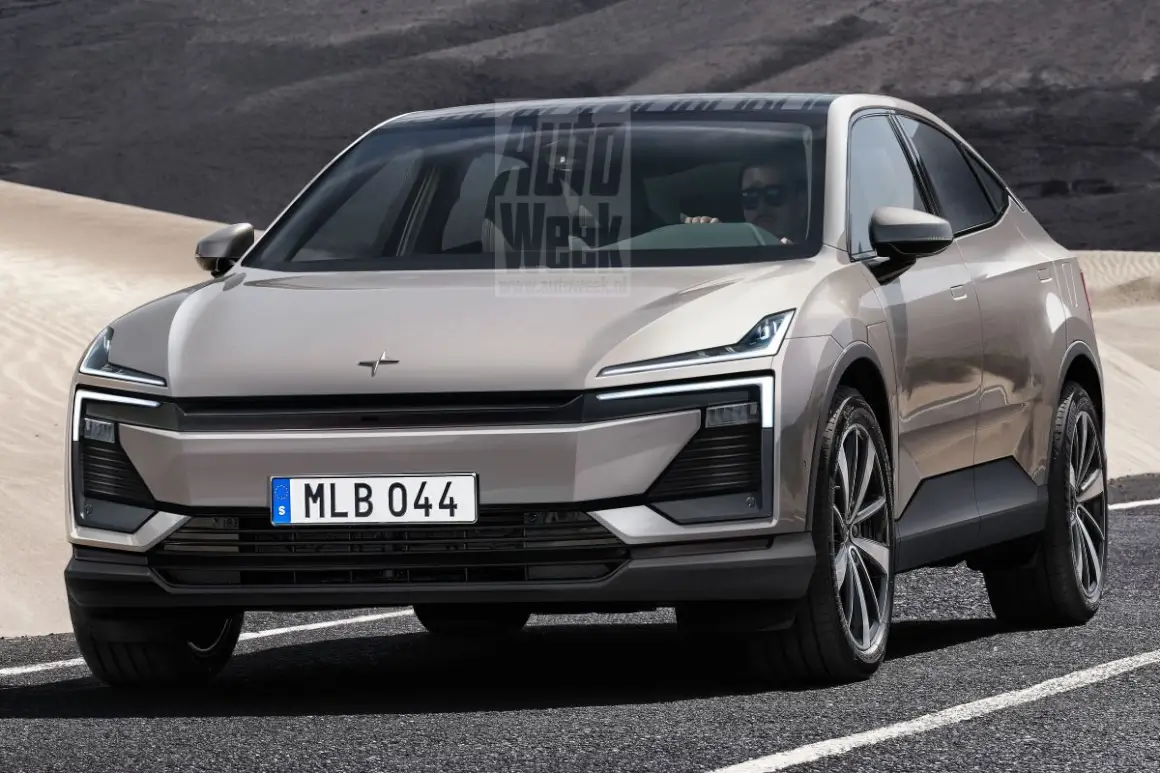
The Polarstar 4 D-segment SUV coupé was designed by a Göteborg team that included Subum Lee, Lead Exterior Design Manager; Steve Potter, Head of Interior Design; Juan Pablo, Head of CMF Design; Maria Uggla, Lead CMF Designer; and Komal Singh.
 Maximilian Missoni Polestar 4
Polestar 4 is the fastest production car the brand has ever developed to date. The 0-60 mph sprint can be completed in less than 3.8 seconds and maximum power output is 400 kW (544 hp). Motors are of a permanent magnet, synchronous design.
Driving dynamics are true to the Polestar brand—sharp steering and handling responses result in a thrilling and nimble driving experience for all occupants.
 Maximilian Missoni Polestar 4
In Polestar 4, more circular and low-carbon materials replace traditional solutions. This includes measures for greater supply chain transparency, like blockchain traceability for risk materials in the batteries.
A full lifecycle assessment (LCA), showing the true carbon footprint of the car, will be published alongside the Polestar 4 Product Sustainability Declaration in 2024.
 Maximilian Missoni Polestar 4
A novel mono-material approach is applied to interior materials, where all layers of certain components are produced from the same base material.
This allows them to be recycled more effectively and efficiently by eliminating the need for incompatible materials to be separated before recycling.
 Maximilian Missoni Polestar 4
New interior materials include a tailored knit textile, which consists of 100 percent recycled PET, along with bio-attributed MicroTech vinyl and animal welfare-secured Nappa leather upholsteries.
The tailored knit upholstery is a new technique for the automotive industry. First shown in the Precept concept car, the textile is made from 100 percent recycled polyester.
 Maximilian Missoni Polestar 4
The material and the design have been created by Polestar designers together with the Swedish School of Textiles (Borås Textilhögskolan) and further developed with suppliers.
It is made to fit, producing no offcuts and reduced overall waste.
Inlay carpets in the interior are made using recycled PET and floor carpets are made using ECONYL, which includes reclaimed fishing nets.
 Maximilian Missoni Polestar 4
Specific door trim panels are made from NFPP (natural fiber polypropylene), which results in up to 50 percent less virgin plastic and a weight saving of up to 40 percent.
MicroTech, first introduced in Polestar 3, is a bio-attributed vinyl that replaces crude oil with pine oil in its construction and features a recycled textile backing.
 Maximilian Missoni Polestar 4
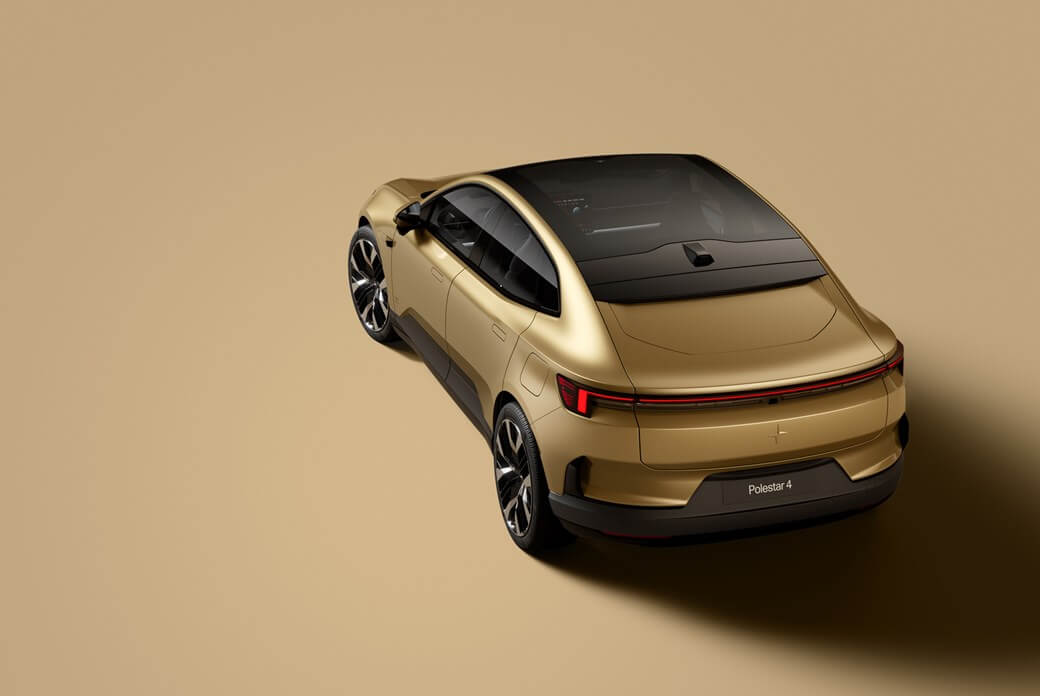
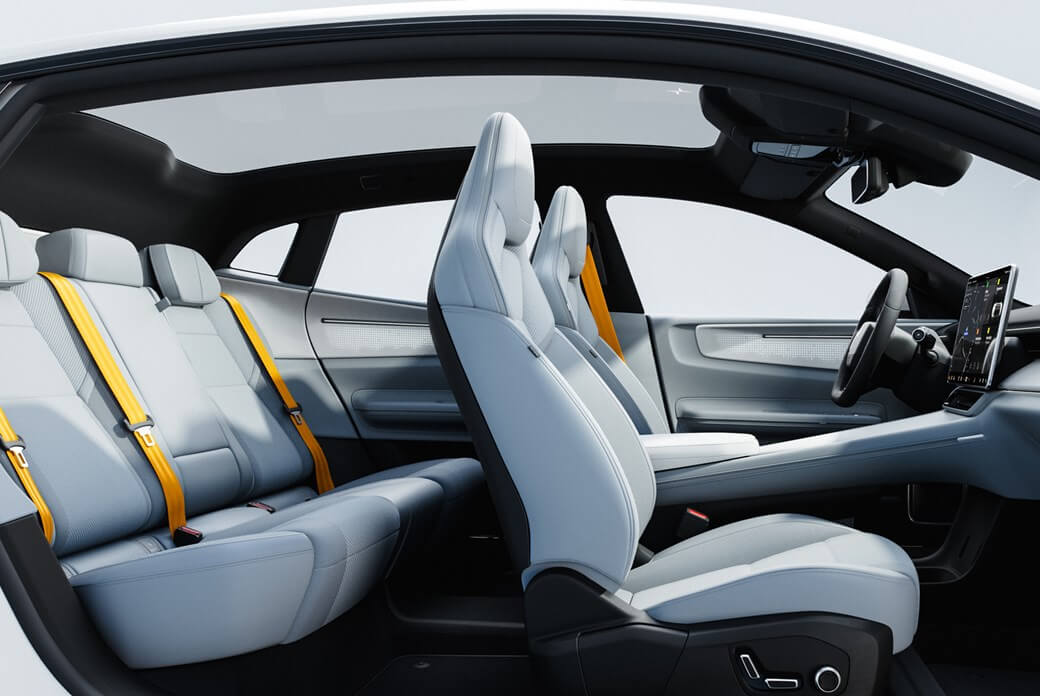
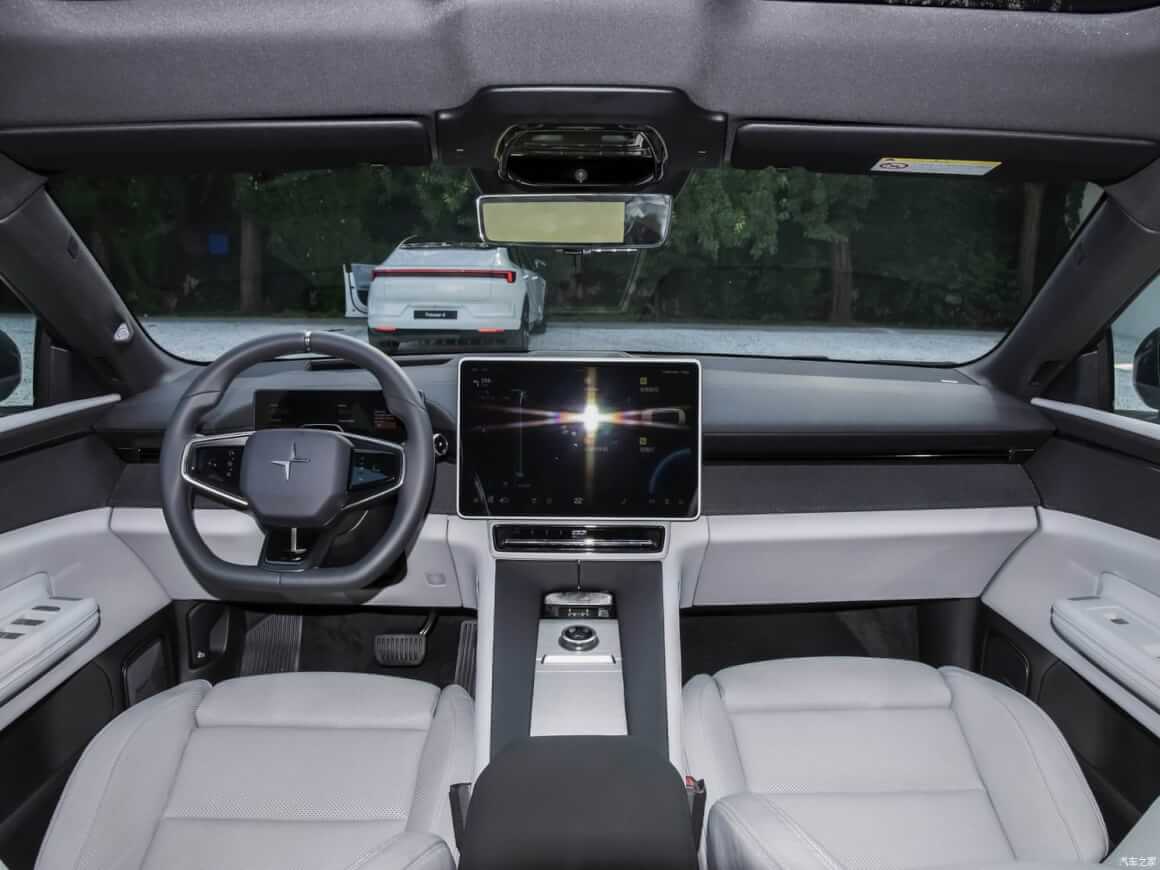
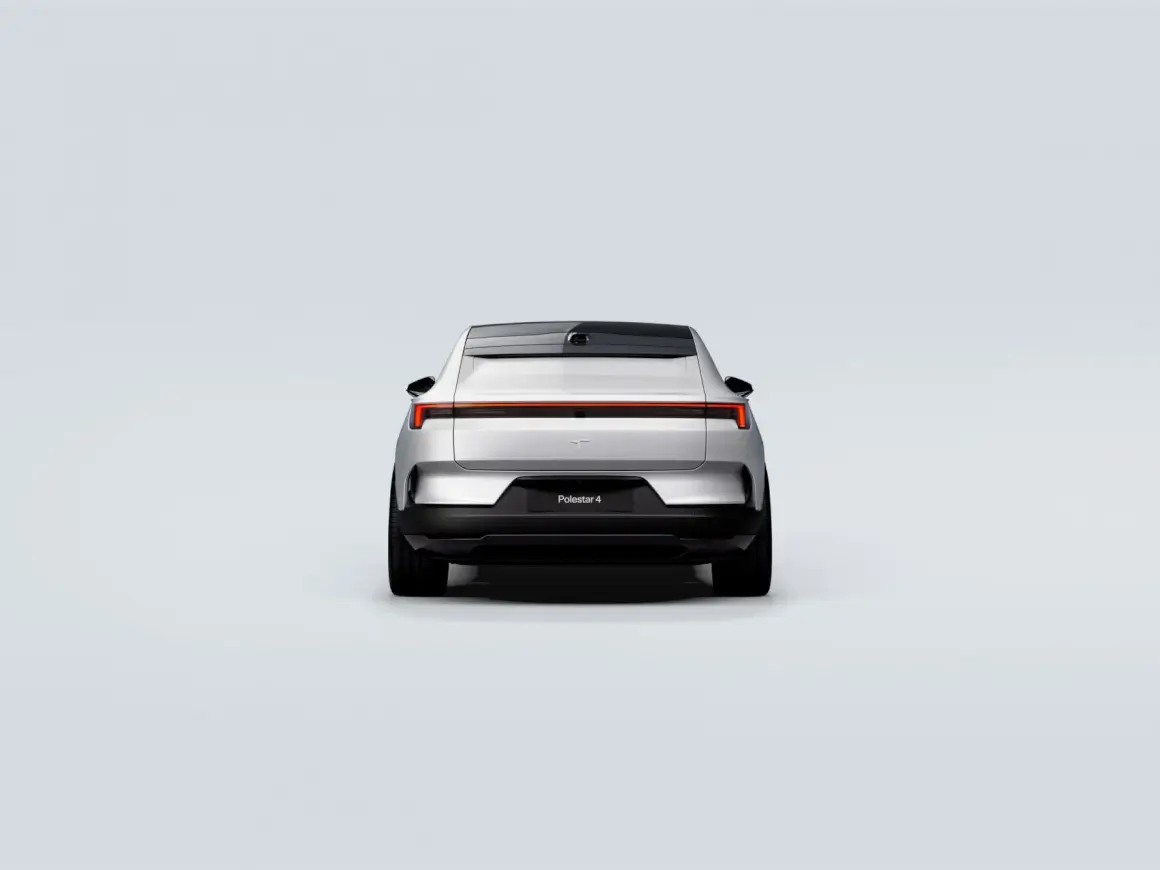
Thanks to the elimination of the rear window, the glass roof stretches beyond the rear occupants’ heads, creating a truly unique interior ambience.
A secondary media and climate control screen is mounted between the front seats to enable rear occupant control.
 Maximilian Missoni Polestar 4
The rearview mirror is replaced by a high-definition screen that shows a live feed from a roof-mounted rear camera—enabling a far wider field of view than what can be experienced in most other cars.
The digital feed can be deactivated to allow drivers to instead see rear occupants when needed – a convenient feature for parents transporting children in the backseat.
 Maximilian Missoni Polestar 4
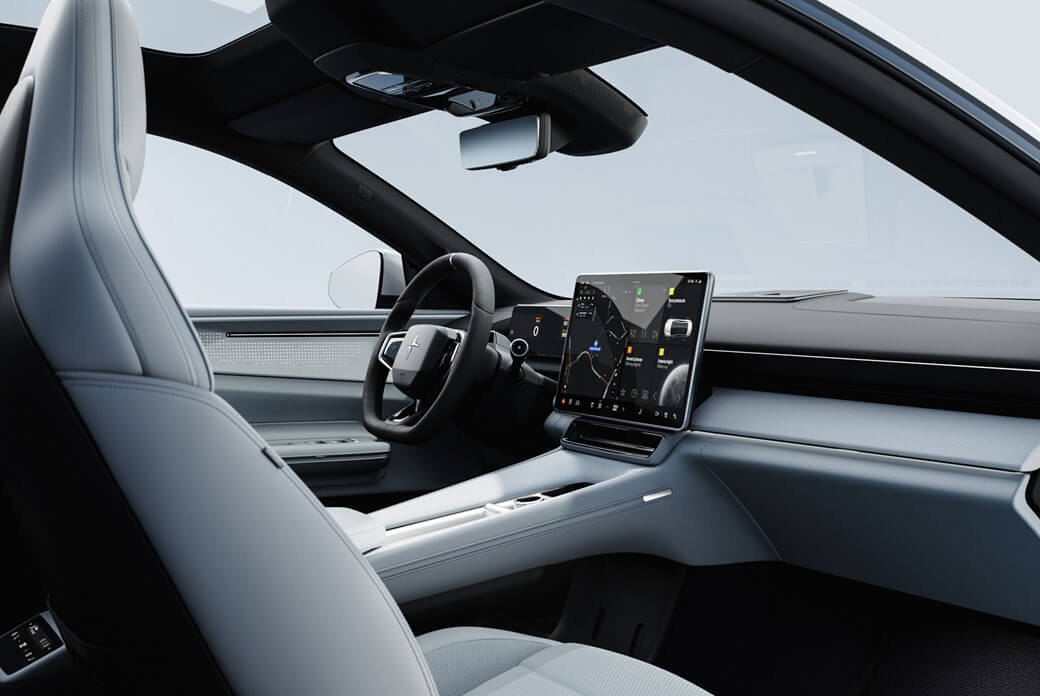
The interior and its materials have been designed around the theme of “soft tech,” drawing inspiration from the fashion and sportswear industries.
Color and material choices for Polestar 4 explore new executions for Polestar—including new exterior colors Storm and Electron, and a unique new interior color, Mist.
 Maximilian Missoni Polestar 4
Post Views: 29