Following a pretty chilly winter season, Floridians are anxious to get back outside with the warmer weather days we’ve been having recently. This is especially true for bikers—both casual and avid.
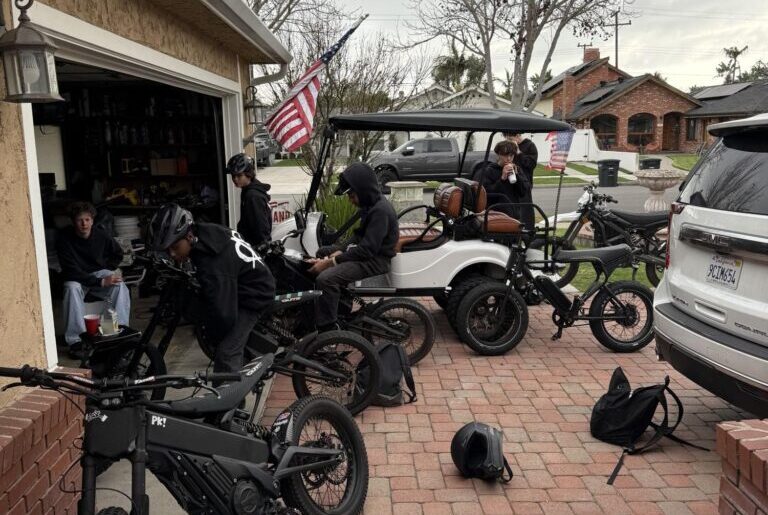
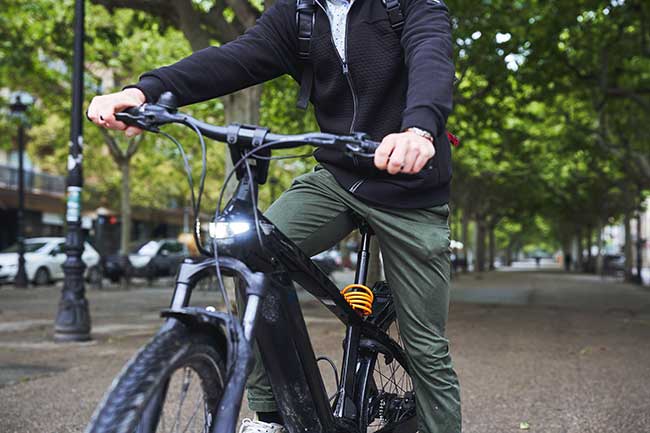
Over the last few decades, the biking industry has seen a rise in the use of electric bicycles (also referred to as e-bikes). In the Central Florida region, we have seen an increase in the availability of rental e-bikes and scooters, particularly in more urban areas (i.e.,downtown Orlando) and college campuses.
While this technology reaps many benefits, such as ease of riding, physical exercise, and reduction in carbon emissions (transportation alternative to cars), it has also presented some safety issues to pedestrians and others nearby. During the recent session, the Legislature approved what is maybe a first step in providing some additional safety protections.
At the federal level, there are very few regulations that address e-bikes, other than setting a speed ceiling of 28 miles per hour (mph), leaving any further regulation to the states and municipalities, according to The New York Times. This approach has led to several municipalities in the region having recently either passed ordinances regulating the use of e-bikes or commissioning studies to determine how to best approach addressing this technology in a way that fits the character of their community.
Although municipalities are preempted by law from restricting or prohibiting use of e-bikes on bicycle paths, multiuse paths, or trail networks, state law does not currently preempt them passing ordinances to regulate operation on streets, highways, and sidewalks within their respective jurisdictions, according to Orlando Weekly.
Senate Bill (SB) 382 on Microbility Device/Electric Bicycles, sponsored by my colleagues Sen. Keith Truenow, and its House companion bill, HB 243, sponsored by Rep. Yvette Benarroch, passed this session and are currently awaiting the governor’s approval (or veto). They amend Florida Statutes providing that a person operating an e-bike that is not located adjacent to a roadway, including a shared pathway located in a recreational area, shall yield to pedestrians and shall give an audible signal before overtaking and passing a pedestrian.
A person operating on a sidewalk or any other area designated for pedestrian use may not operate the e-bike at a speed greater than 10 mph if a pedestrian is within 50 feet of the bike. Failure to comply would result in a non-criminal traffic infraction, punishable as a nonmoving violation as provided in chapter 318, F.S.
Additionally, the bill provides for the establishment of an Electric Bicycle Safety Task Force within the Department of Highway Safety and Motor Vehicles for the purpose of making recommended improvements to state law enforcement and regulatory framework regarding e-bikes for safe operation and preventing traffic incidents, injuries, and fatalities.
If the bill is signed into law, the task force is expected to have experts from law enforcement, local government and medical field organizations. By Oct. 31, the task force would be expected to submit their recommendations to the governor and Legislature.
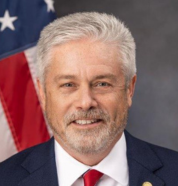
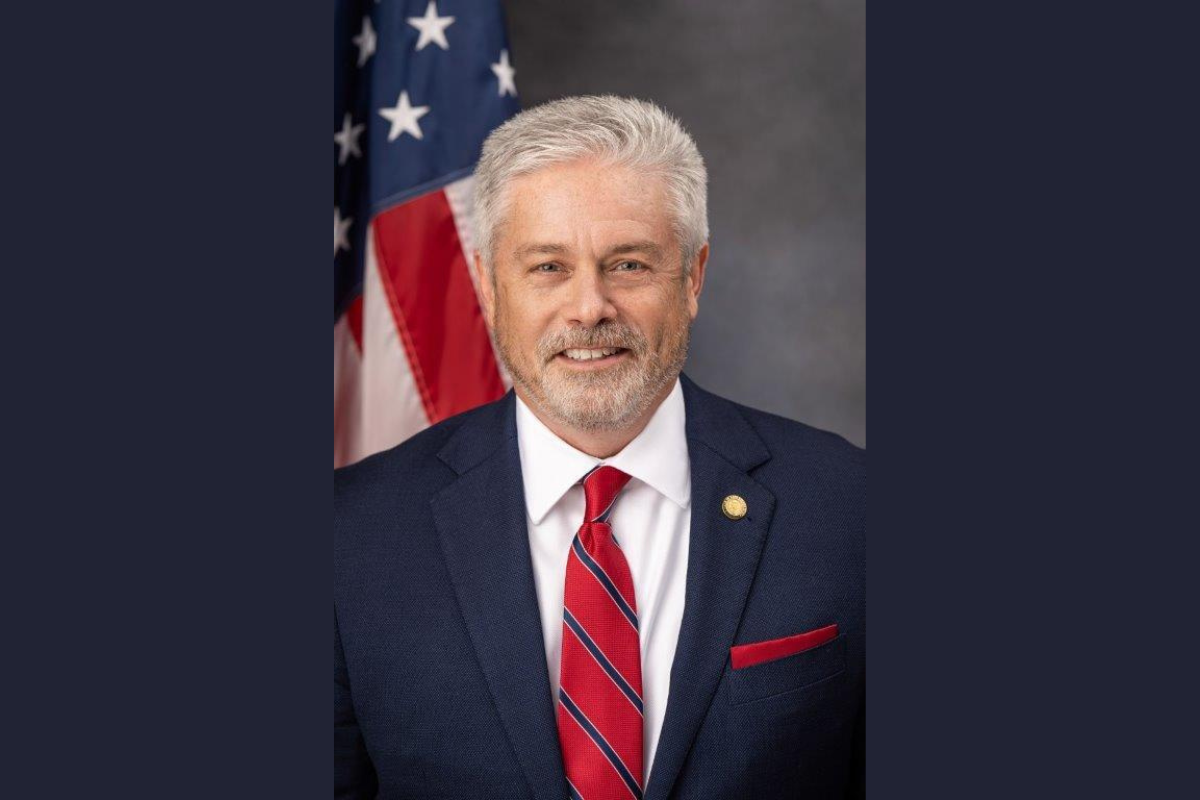
Doug Bankson is the founder and senior pastor of Victory Church World Outreach Center in Apopka, Florida. He currently serves as State Representative for House District 39.