The final chapter of Tesla’s flagship vehicles appears imminent, as only a few hundred Model S and Model X cars remain unsold.
Chief executive Elon Musk confirmed that custom orders for both models have ended, stating that only existing inventory is still available, News.az reports, citing TechcRunch.
The decision marks the gradual phase-out of two vehicles that once defined Tesla’s early success. The Tesla Model S, launched in 2012, played a key role in reshaping perceptions of electric vehicles, while the Tesla Model X, introduced in 2015, expanded the company’s reach despite early production challenges.
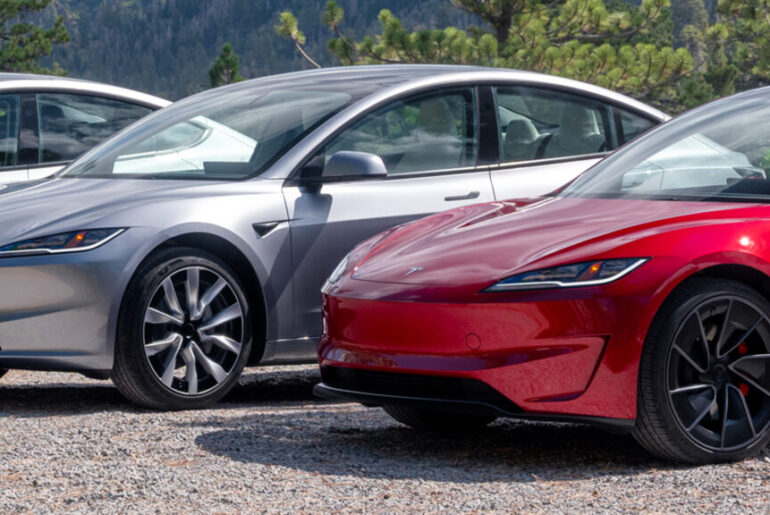
Sales of both models have declined sharply in recent years, overtaken by more affordable, high-volume vehicles such as the Tesla Model 3 and Tesla Model Y. Tesla’s combined “other models” category, which includes the S, X and newer vehicles, has seen a significant drop since its peak in 2017.
Instead of replacing the models with a conventional electric vehicle, Tesla is shifting focus towards artificial intelligence and automation. The company is investing in its humanoid Optimus robot and the Tesla Cybercab, a fully autonomous two-seater vehicle without traditional controls.
Production of the Cybercab is expected to begin soon at Tesla’s Texas factory, although regulatory hurdles remain. Current US safety standards require features such as steering wheels and pedals, raising questions about when — or if — the vehicle can be deployed at scale.
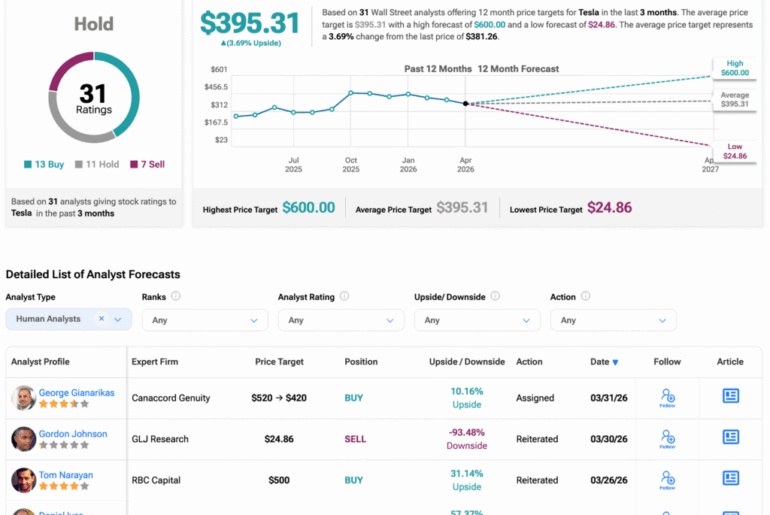
Meanwhile, Tesla’s global vehicle deliveries have shown signs of slowing, despite modest growth in early 2026. Analysts say the company’s strategic shift reflects a broader ambition to reposition itself not just as an automaker, but as an artificial intelligence company.
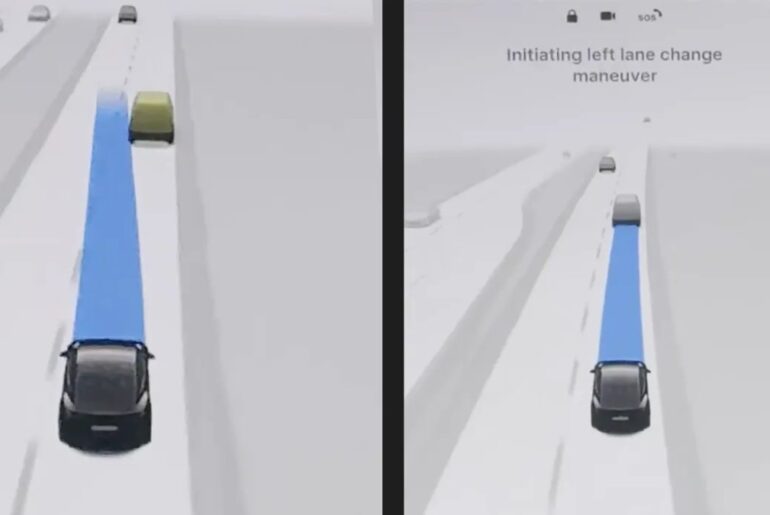
The transition carries significant risks, particularly as autonomous driving technology and regulatory approval continue to present major challenges.