The Buzz
■
Tesla is discontinuing Model S and Model X production to focus entirely on Cybercab robotaxi and Optimus robot manufacturing, per TechCrunch exclusive
■
The Model S launched in 2012 and Model X in 2015 were Tesla’s premium flagships that established the brand’s luxury credentials
■
Company is making an all-or-nothing bet on autonomous vehicle technology and AI robotics to redefine its business model
■
Move raises questions about Tesla’s ability to mass-produce unproven technologies while maintaining automotive revenue
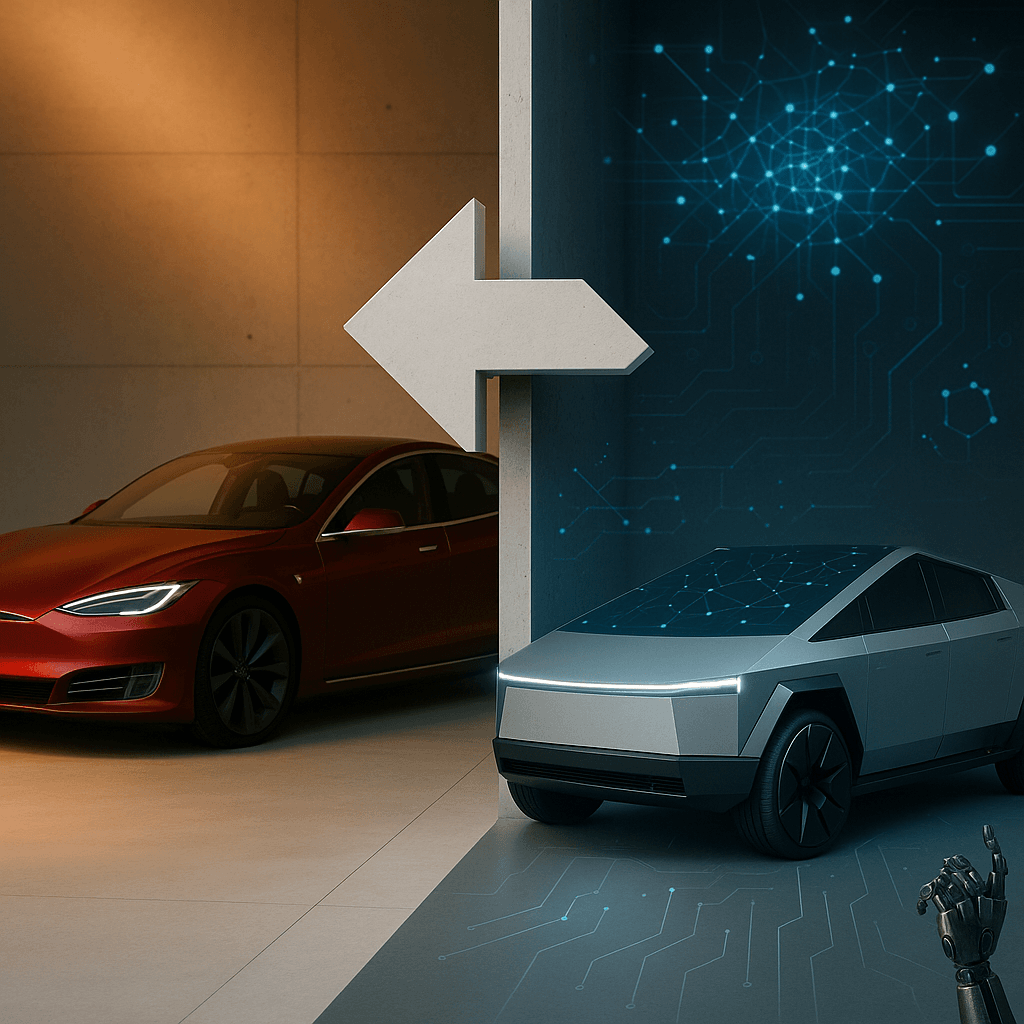
Tesla is closing the book on its luxury sedan era. The company is ending production of the Model S and Model X, its longest-running flagship vehicles, according to an exclusive TechCrunch report. The move signals a dramatic strategic pivot toward autonomous robotaxis and humanoid robots, placing the company’s entire future on two unproven technologies: the Cybercab and the Optimus robot. For investors and EV buyers alike, it’s the most radical transformation since Elon Musk first promised a mass-market electric car.
Tesla just made its boldest product decision in over a decade. The electric vehicle pioneer is pulling the plug on the Model S sedan and Model X SUV, the two vehicles that transformed it from a Silicon Valley curiosity into a luxury automaker, according to sources familiar with the matter speaking to TechCrunch.
The decision marks the end of an era that began in 2012 when the Model S first rolled off the line in Fremont, California. Back then, Tesla was fighting for survival, burning cash, and trying to prove electric cars could be desirable. The Model S changed everything – it was fast, had actual range, and made traditional luxury sedans feel ancient. The Model X followed in 2015 with those dramatic falcon-wing doors that became Instagram cathedrals.
But that chapter is over. Tesla is now going all-in on a future that doesn’t include human drivers at all. The company is redirecting its manufacturing capacity and engineering resources entirely toward the Cybercab, its long-promised autonomous robotaxi, and mass production of the Optimus humanoid robot. It’s a strategy that would make even the most risk-tolerant Silicon Valley founder nervous.
The Cybercab has been in development since Elon Musk first started promising a robotaxi network back in 2019. The vehicle is designed without a steering wheel or pedals, relying entirely on Tesla’s Full Self-Driving technology to navigate. That same FSD system has been stuck in beta testing for years, accumulating regulatory scrutiny and raising questions about whether Tesla can actually deliver on the autonomous driving promises that underpin this entire strategy.