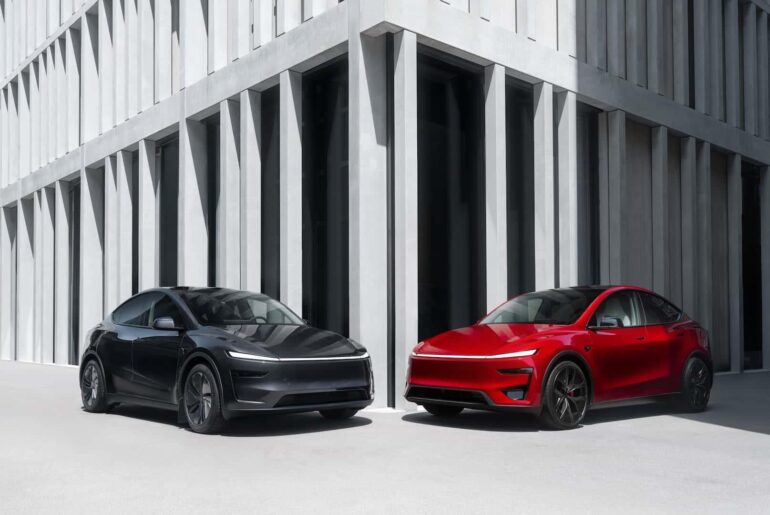
I’ve been covering the New York Auto Show for the past couple of years now, but this year’s event uncovered a trend I haven’t seen previously. What stood out the most to me was the staggering amount of electric cars on the showroom floor, which is surprising given how many argued that the EV revolution has stalled.
For example, Ford’s decision to discontinue the F-150 Lightning showed how car shoppers aren’t interested in an electric version of the car maker’s popular pickup truck. Part of the reason why EV sales have stalled are two fold: they’re way more expensive than the average ICE (Internal Combustible Engine) vehicle and that the federal EV tax credit expired late last year.
Despite these unfortunate circumstances, the New York Auto Show 2026 proves why all-electric cars are here to stay. I’m just not referring to the coolest EVs I saw at the show recently, but also the many budget EVs on show that make them way more attractive — especially in light of how gas prices are at an all-time high.
Article continues below
You may like
The range for budget EVs has changed
(Image credit: Tom’s Guide / John Velasco)
If you had asked me a year ago how much you’d likely have to spend to get an affordable EV, I would’ve said somewhere around $35,000 to $40,000. At that price point, you could probably get the equivalent of a fully loaded gas-powered car—instead of settling for a bare-bones electric model.
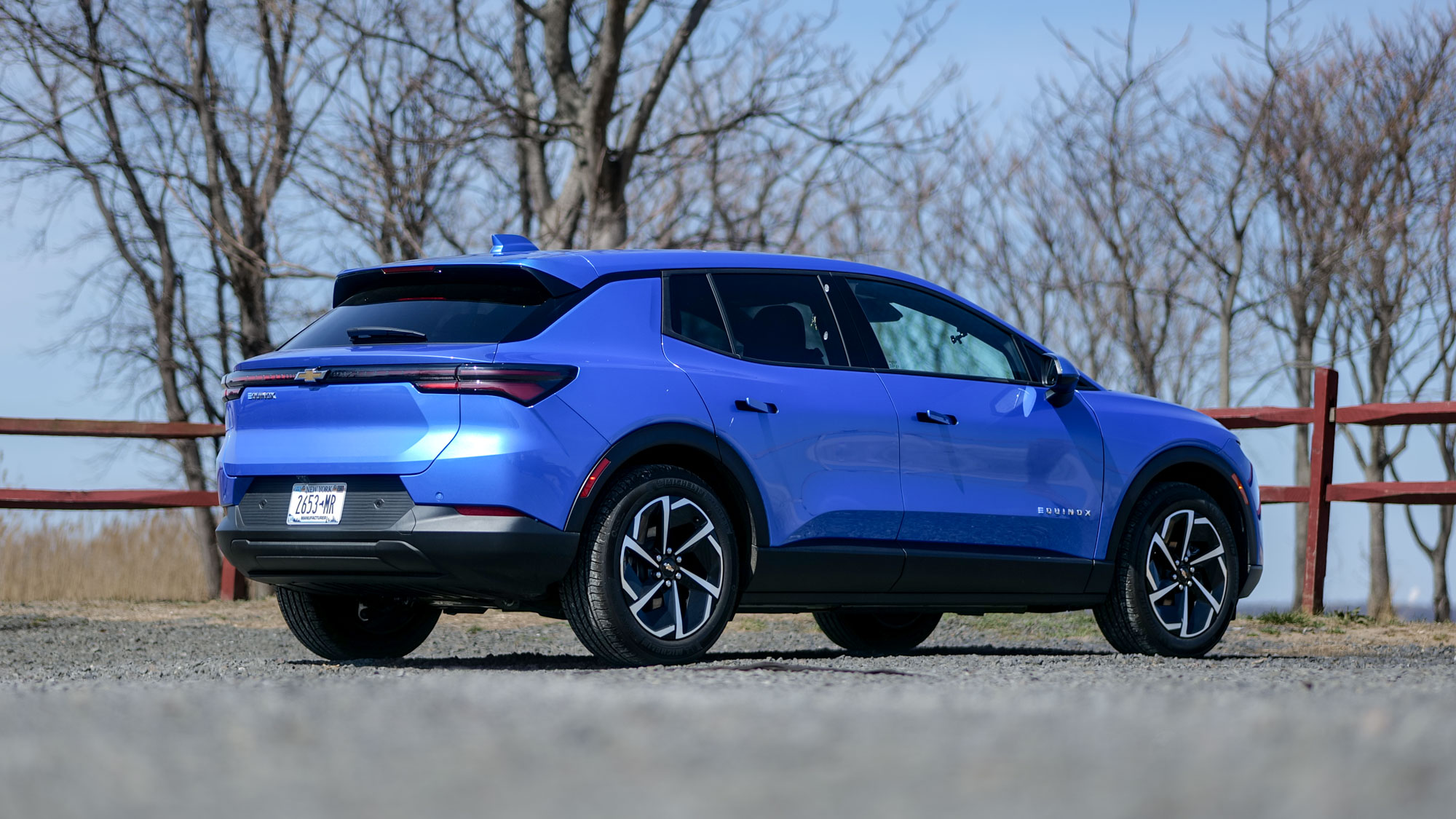
One of the best examples was the 2025 Chevrolet Equinox EV LT I drove for a week, which came in at an as-tested price of $34,995. As much as I loved the car, it was a base trim with minimal features. For instance, it had manual seats and lacked a wireless charger. Despite those shortcomings, you’re still getting a compact SUV with surprisingly good efficiency.
(Image credit: Tom’s Guide / John Velasco)
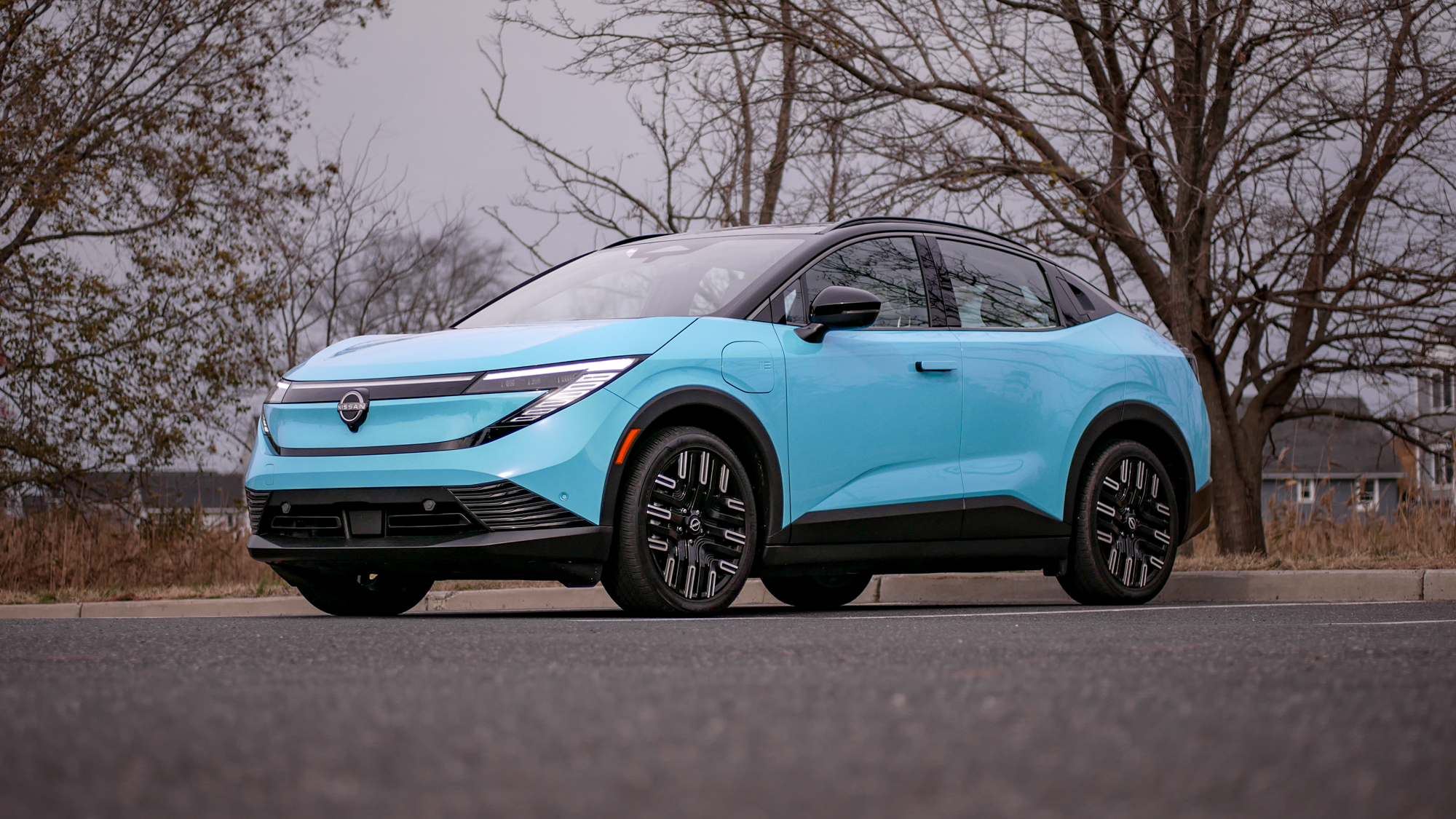
At the New York Auto Show 2026, I saw more than a handful of EVs with starting prices lower than that. For example, the 2027 Chevrolet Bolt makes its return after a four-year hiatus with an impressive $27,600 starting price and 262 miles of range. If you need more, the 2026 Nissan Leaf also returns with a slightly higher $29,990 price tag, but it offers an estimated 303 miles of range.
What I’m getting at is that the definition of a “budget EV” has shifted, making it easier than ever to invest in one without crushing your wallet.
More car makers are offering budget options
(Image credit: Tom’s Guide / John Velasco)
While the Chevrolet Bolt and Nissan Leaf were the pioneers in this space, another surprising revelation from the New York Auto Show 2026 is how many other automakers are now offering affordable EVs. This is a massive win for consumers, as the pool of accessible options is finally expanding.
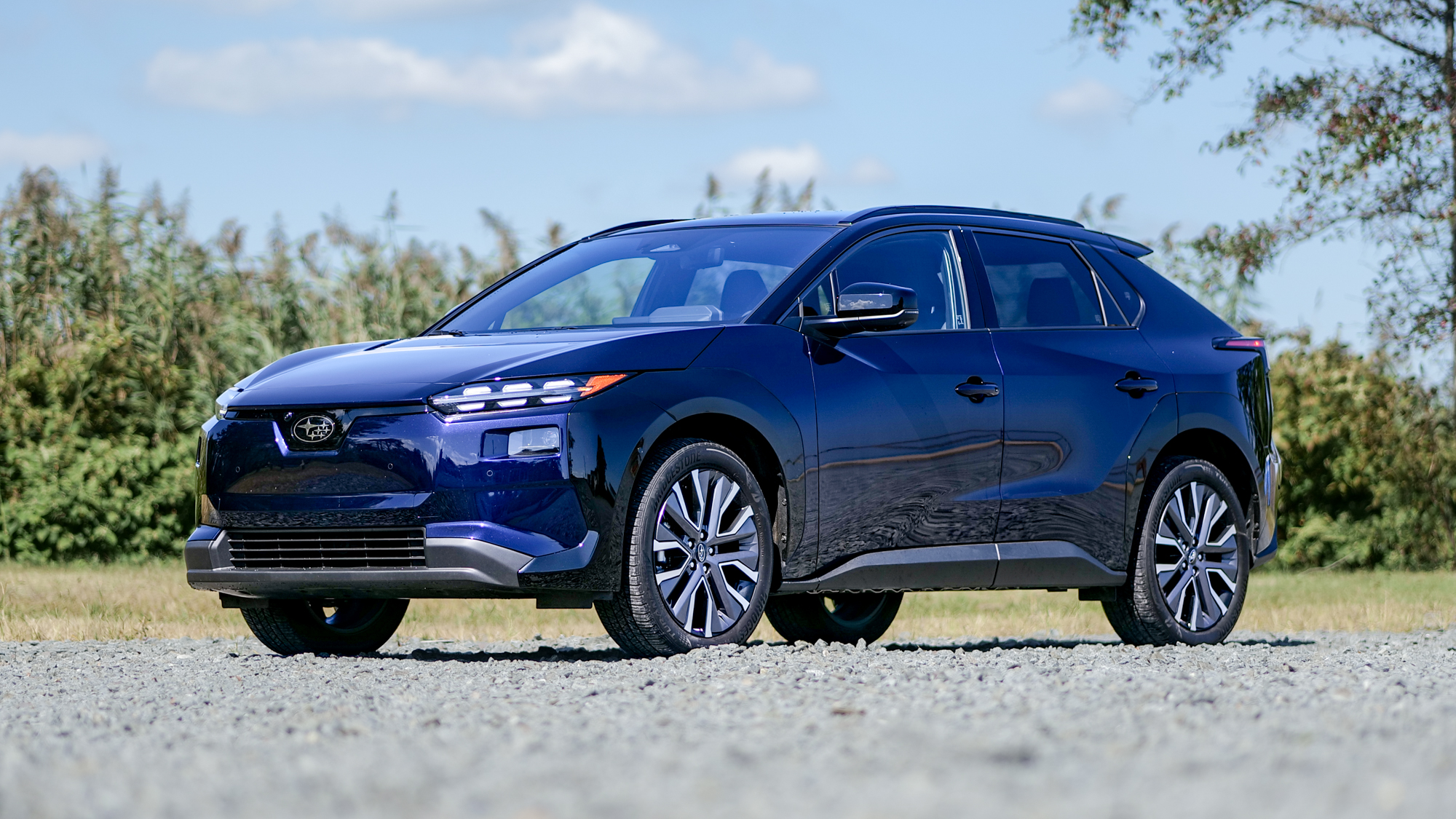
A couple of weeks ago, I tested the 2026 Toyota bZ, and the redesigned compact crossover turned out to be significantly cheaper than the previous bZ4X. With a $34,900 starting price, the bZ isn’t just charming on the outside. It also offers a solid EPA-estimated 314 miles of range.
Subaru also had a strong showing, including the upcoming 2027 Subaru Getaway, which hauls up to seven passengers with its three-row seating. While that flagship all-electric SUV is expected to land in the mid-$55,000 range, Subaru has two other options that cost far less. I’ve previously called the Solterra the most improved EV I’ve tested, but the 2026 Subaru Uncharted shouldn’t be overlooked either, especially with its $34,995 price tag.
What to read next
(Image credit: Tom’s Guide / Myriam Joire)
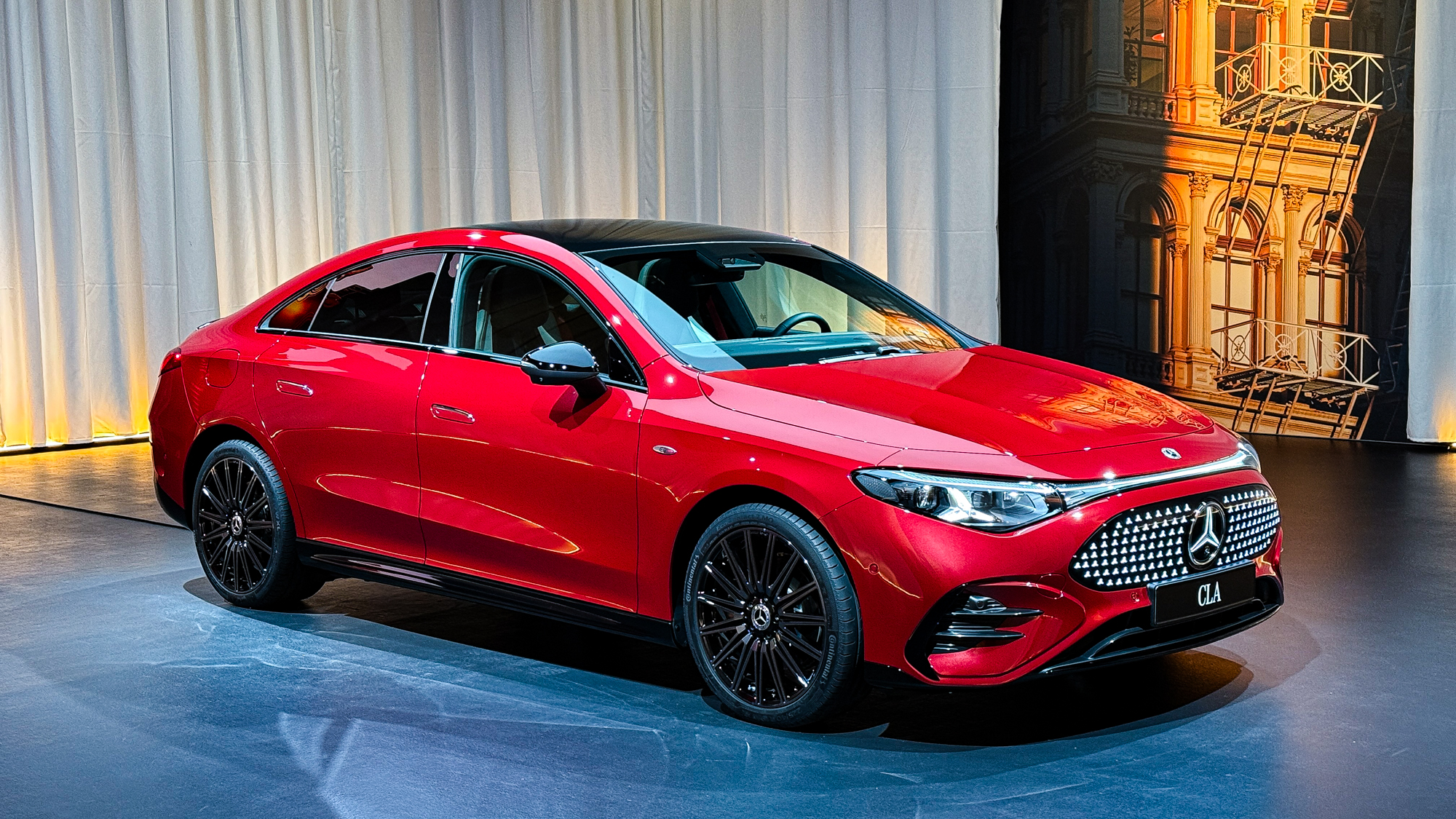
Luxury brands are joining the trend too. The 2026 Mercedes-Benz CLA Sedan caught my eye on the showroom floor. While its $47,250 MSRP is a step up from the other budget picks, it’s a luxury EV with a style that’s a cut above the standard fare, all while delivering an impressive 374 miles of range.
Volatile gas prices
(Image credit: Tom’s Guide / John Velasco)
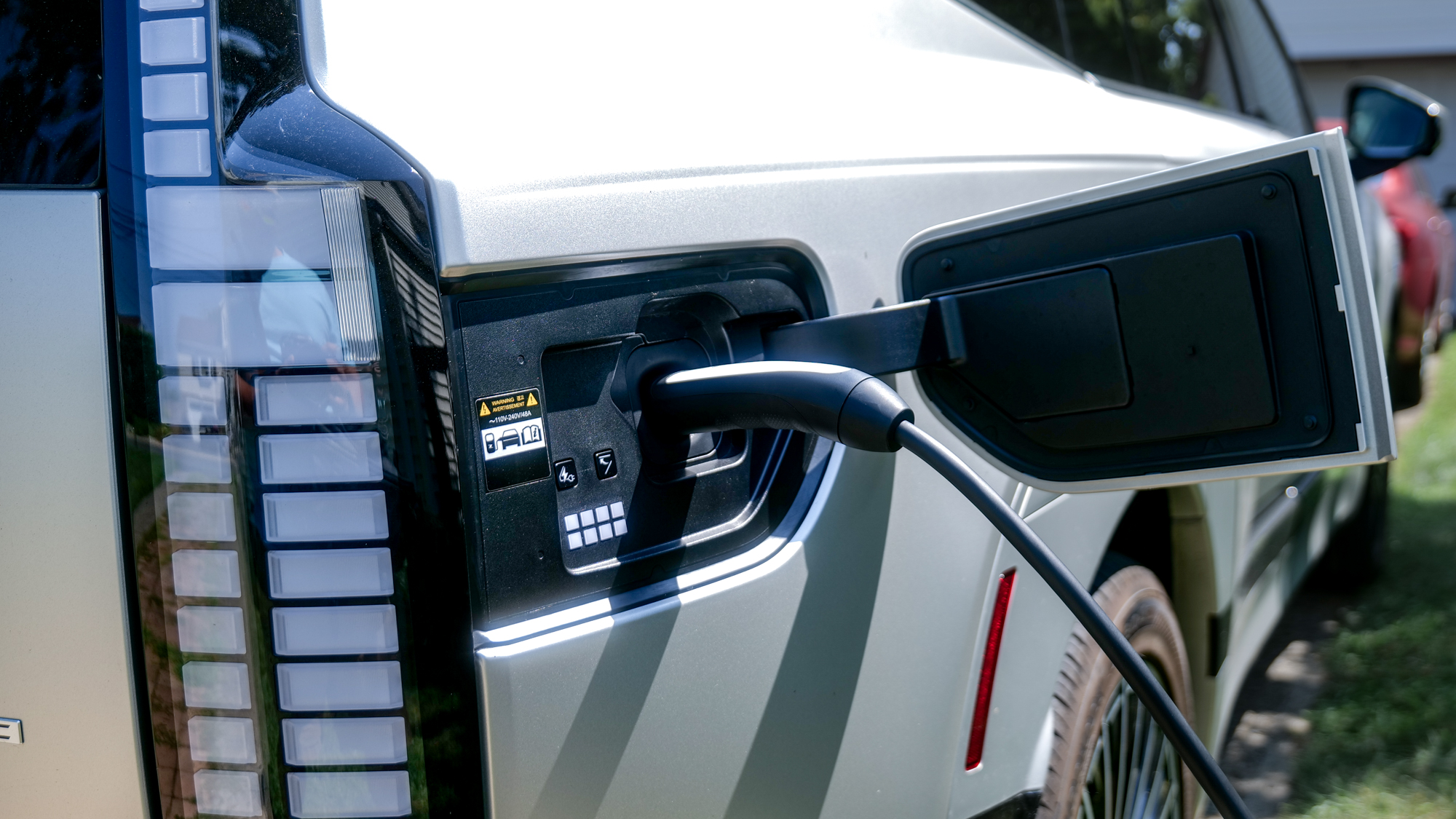
In just the past month, gasoline prices have jumped dramatically nearly everywhere. At my local station in New Jersey, the cost of regular unleaded had hovered steadily around $3 per gallon for the past year, but it has since rocketed above $4 for the first time in years. These rising costs are fueling an EV resurgence as drivers eye the long-term savings of charging at home.
Last month, I pitted the Hyundai Kona Electric against the Hyundai Kona Limited in a classic EV-versus-gas debate. While the all-electric Kona commands a higher $39,880 sticker price, it saves significantly more money in the long run than its internal combustion sibling. At $4 per gallon, a full tank for the gas Kona costs roughly $49.60, whereas a full home recharge for the Kona Electric costs just $14.26.
Swipe to scroll horizontally
Hyundai Kona Limited AWD (gas)
Hyundai Kona Electric N Line (electric)
Price tested
$35,885
$39,880
Cost for a single fill-up
$49.60 (based on a 12.4-gallon tank at $4/gallon)
$14.26 (based on a 64.8 kWh battery at $0.22/kWh)
Monthly fuel cost
$145.45 (based on 1,000 miles at 27.5 mpg)
$51.16 (based on 1,000 miles at 4.3 mi/kWh)
Total cost after 5 years (60,000 total miles driven)
$8,727.27
$3,069.77
These savings add up quickly. Over five years, driving 1,000 miles per month, you would save $5,657.50 by choosing the Kona Electric and charging at home. While this doesn’t account for the higher cost of public DC fast charging, it highlights a powerful incentive for EVs now that gas prices are nearing historic highs.
If you’re still not convinced by all-electric power, you should at least consider a standard hybrid. You’ll still pay for pricey gasoline, but you’ll refuel far less often. I’m particularly impressed by the latest PHEVs ( Plug-In Hybrids ), like the 2026 Toyota RAV4 Plug-In Hybrid, which now boasts 52 miles of dedicated electric range. That’s a marked improvement over the 30 to 40 miles offered by most PHEVs just a year ago.
For years, choosing electric meant paying a massive premium for a vehicle with less range than its gas-powered equivalents. But the New York Auto Show 2026 proves that EVs are more valuable than ever, with affordable models that make it significantly easier to go all-electric. When you factor in $4-per-gallon gas and the increasing efficiency of home charging, the question is no longer whether you can afford to go electric — it’s whether you can afford not to.

Follow Tom’s Guide on Google News and add us as a preferred source to get our up-to-date news, analysis, and reviews in your feeds.
More from Tom’s Guide