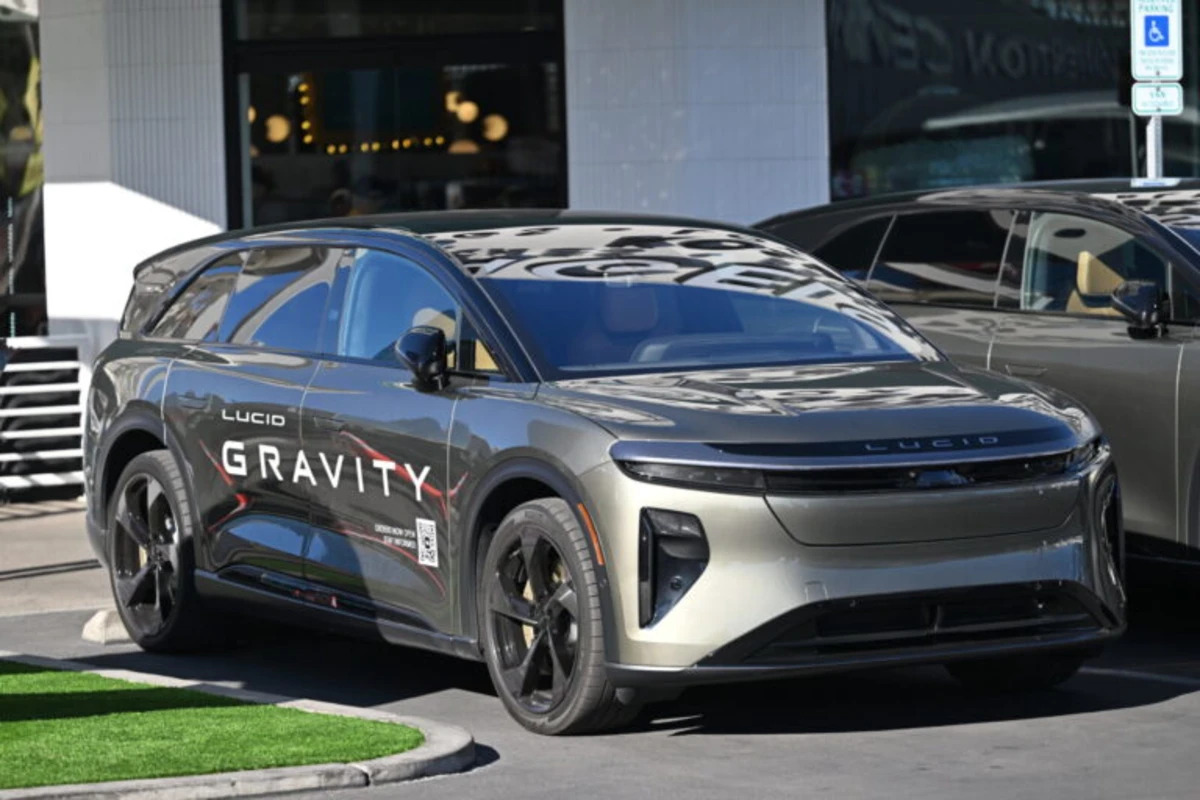
Luxury electric vehicle manufacturer Lucid and Uber partnered to produce a new six-seater robotaxi. Based on Lucid’s Gravity SUV, the concept was revealed recently. The brand plans to launch 100,000 units of the robotaxi across the U.S. in early 2027.
Uber plans to take on Waymo’s robotaxi dominance in San Francisco, as testing has already been underway in the Bay Area since the end of last year.
Developed in collaboration with Nvidia, the vehicle comes equipped with many sensors and Nuro’s autonomous driving software.
One clear advantage seen with Uber’s robotaxi, even before it is launched, is that it can seat six people compared to Waymo’s capacity of four in the Jaguar I-PACE SUV.
Read More from MotorBiscuit: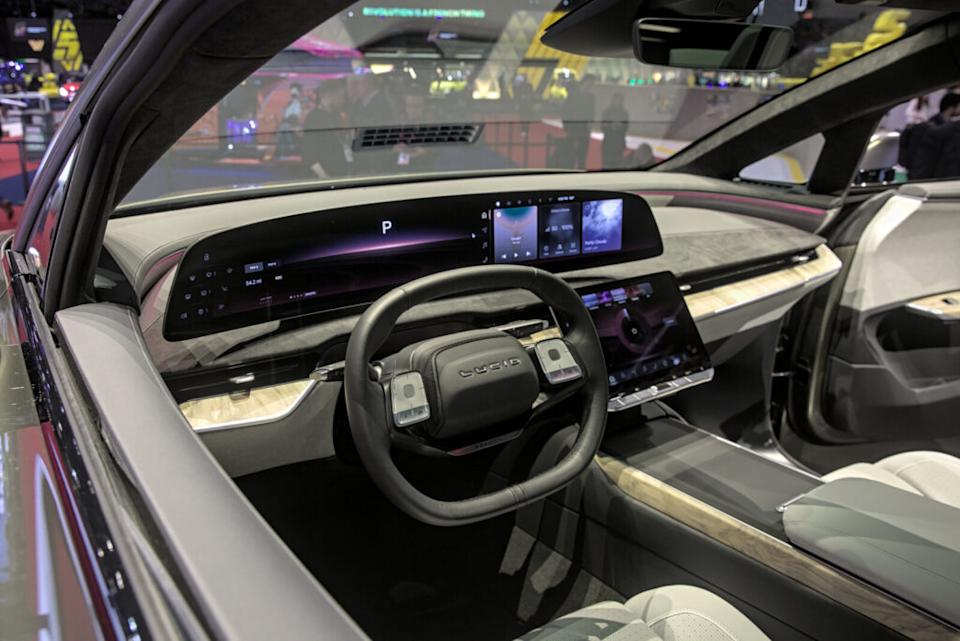
While the country-wide launch is scheduled for next year, services in San Francisco are set to start ‘later in 2026,’ according to Atlanta Today. However, a regulatory approval is pending.
The new robotaxi runs with the help of several sensors, cameras, radars, lidar, and ultrasound. Data is handled by Nuro’s autonomous driving software and Nvidia’s computing chips.
While the exterior of the Lucid-based vehicle is expected to look similar to the original car, except for the sensors, cameras, and radar, the interior has been tailored to offer passengers an Uber experience with screens that display relevant sensor data and help manage a variety of cabin functions.
Waymo began its operations in San Francisco in 2024, and since then, it has enjoyed a clean monopoly due to the lack of other competitors.
Now, with the entry of Uber’s robotaxis in partnership with Lucid, it will mark the first time users get to witness competition in this segment of passenger mobility.
As a result, customers could expect improved services and cutthroat price competition in the autonomous driving market, as both players aim to grab maximum market share, eventually benefiting the users.
The CEO of Uber, Dara Khosrowshahi, challenged Waymo’s market superiority in a statement:
“We’re excited to bring our robotaxi technology to San Francisco and challenge Waymo’s dominance in the market.”