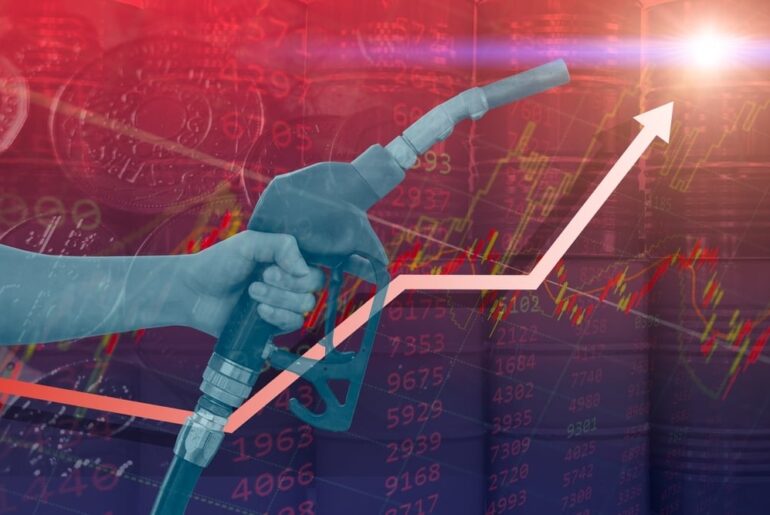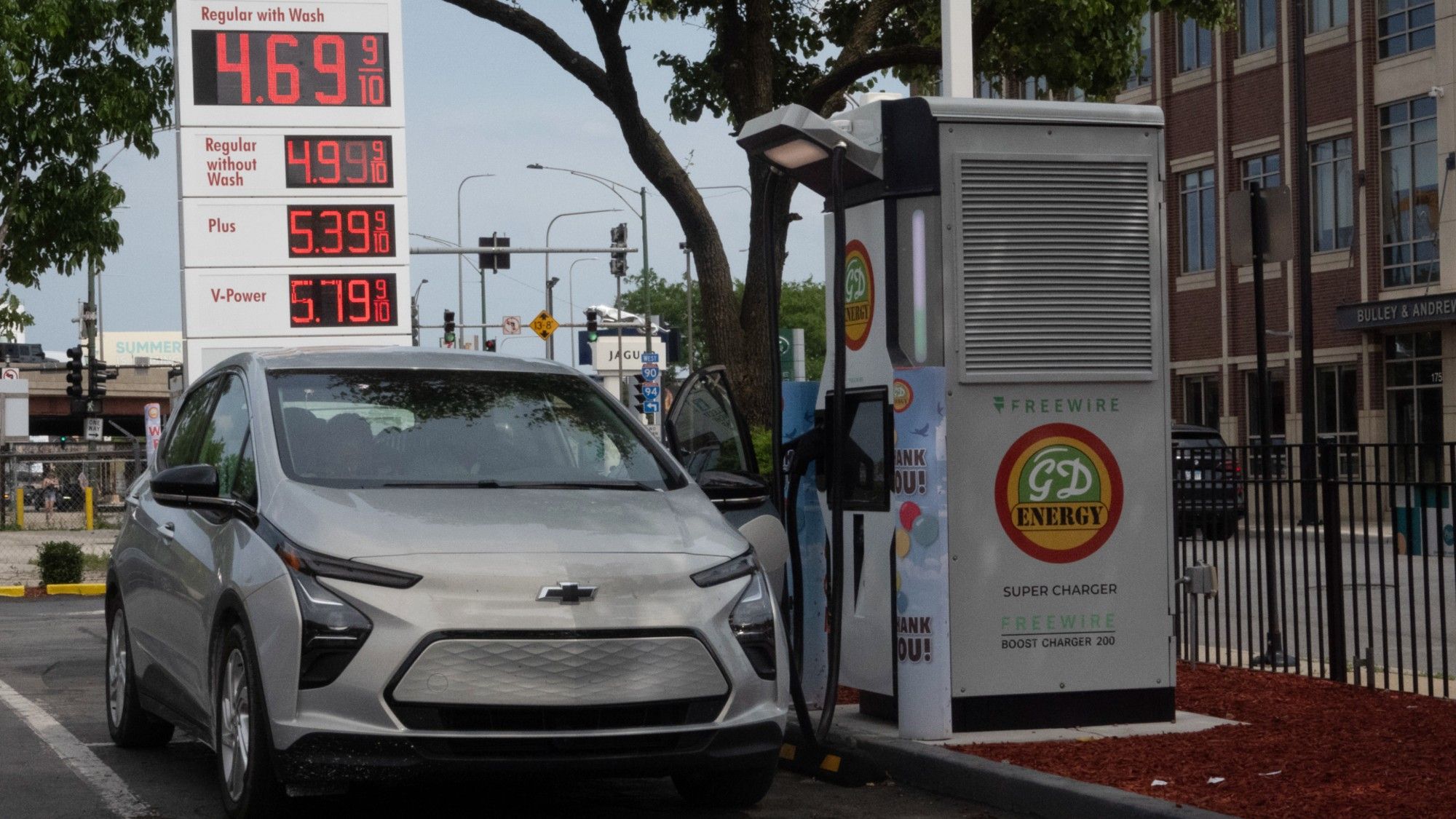
As the war in Iran drives gas prices skyward, some consumers are considering electric vehicles as a cost-saving measure. AAA reported that the United States’ national average gas price is now over $4 per gallon (and in some states over $5), which means many Americans are understandably looking for less expensive transportation modes. But not all experts believe that this sudden spike in gas prices will automatically lead to a surge in the EV market.
A 2022 AAA survey found that “$4 a gallon is the threshold at which a majority of Americans will make changes to their driving habits or lifestyles,” said Vox. This is especially true in California, where the $5 per gallon gas price means the “state has already passed the point at which EVs are the cheaper option.”
Article continues below
You may like
The Week
Escape your echo chamber. Get the facts behind the news, plus analysis from multiple perspectives.
SUBSCRIBE & SAVE
Sign up for The Week’s Free Newsletters
From our morning news briefing to a weekly Good News Newsletter, get the best of The Week delivered directly to your inbox.
From our morning news briefing to a weekly Good News Newsletter, get the best of The Week delivered directly to your inbox.
Drivers who switch to EVs can save up to $2,000 per year on gas, according to the U.S. Department of Energy, while hybrid drivers still see savings of up to $1,500. And while Congress “eliminated a federal tax credit that could close the price gap between new electric vehicles and cars that run on gasoline,” there are still some states that “offer credits, rebates or other financial support for electric car buyers,” said The New York Times.
However, potential savings in gas prices could be offset by an increase in energy costs. Electricity prices “have been increasing nationally for a variety of reasons, including surging power demand from new data centers,“ said the AP. Increased natural gas prices can also “increase the cost of generating electricity,” though these costs “haven’t risen as quickly or as much as oil prices have recently.” And the upfront sticker cost of an EV is “still more than that of a gasoline-powered vehicle.”
What next?
There are other factors that could preclude a spike in EV sales. For one, it is “unclear how long high fuel prices will last,” said Vox, which is largely dependent on the war in Iran. The limited “availability of chargers for electric vehicles is another barrier to adoption.” Rising gas prices and a general economic downswing can also “put a damper on consumer confidence more broadly.”
For now, the EV market seems to be swinging upward for many car companies., March 2026 represented Subaru’s “best month ever for electric vehicle sales,” the automaker said in a press release. Toyota Motor North America, which runs the U.S. operations of Toyota and Lexus, saw EV sales in March “up 2.5% on a volume basis and up 6.6% on a daily selling rate basis,” the company said, representing more than half of its total sale volume.
Explore More