April 1, 2026
By Nehal Malik
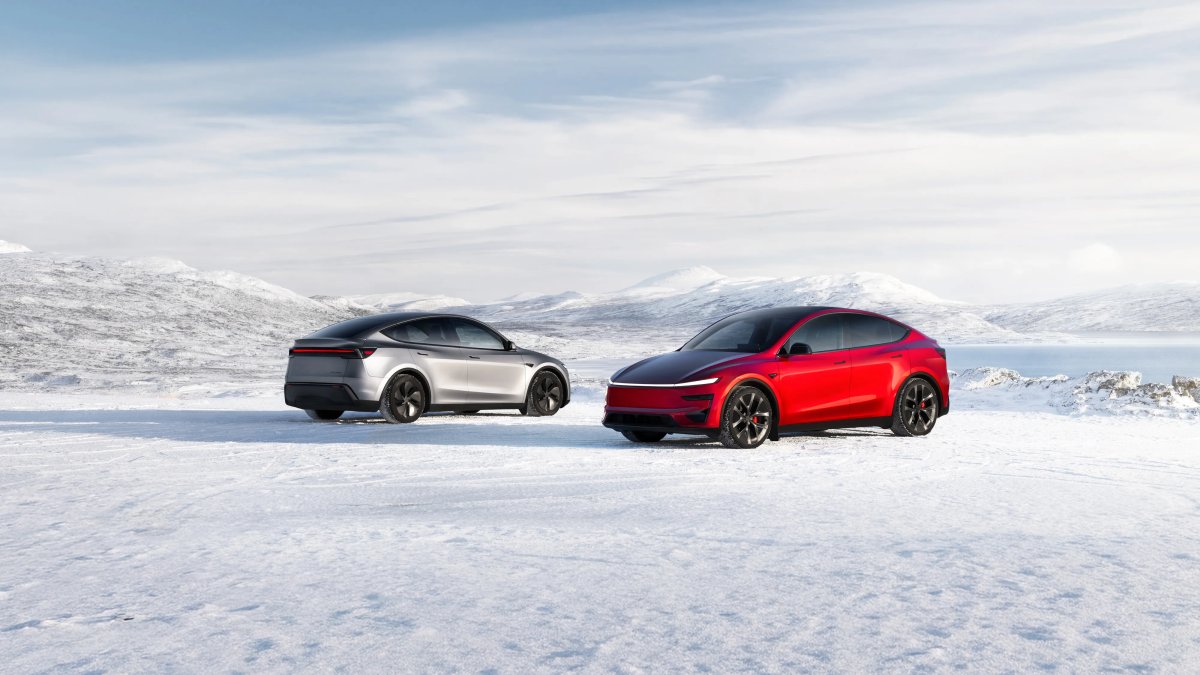
Tesla is officially bouncing back in Europe. After a rocky 2025 that saw the automaker lose nearly half of its market share to rising competition and political friction, new registration data for March 2026 shows a massive reversal. Sales have tripled in France and more than doubled in the Nordic countries, signaling that Tesla’s strategy of releasing new, more affordable trims is finally paying off.
According to a report from Reuters, the surge is being driven by a recovery in consumer demand and a strategic rollout of the Model 3 and Model Y. In France, 9,569 new Teslas were registered in March, a 203% increase from a year earlier. This puts the company just three units shy of its all-time French record set back in December 2023.
Triple-Digit Growth in Key Markets
The recovery isn’t just limited to France. Tesla’s dominance in the Nordic region is particularly striking. In Norway, Tesla captured a 34.8% market share for the month, bolstered by a legendary first week where it outsold every other car brand combined.
The March percentage gains across the continent tell a story of rapid growth:
France: 9,569 units (+203% YoY)
Norway: 6,148 units (+178% YoY)
Sweden: 1,447 units (+144% YoY)
Denmark: 1,784 units (+96% YoY)
Netherlands: 1,819 units (+72% YoY)
Italy: 2,920 units (+32% YoY)
Spain: 2,477 units (+25% YoY)
While the Netherlands saw a 23% dip in total first-quarter registrations, the March recovery shows that momentum is swinging back in Tesla’s favor. This is likely due to the “end-of-quarter push” Tesla is famous for, as well as an increasing interest in electric vehicles as petrol prices rise due to geopolitical tensions.
New Trims Fueling the Fire
A major factor in this sales surge is the expansion of the Model Y lineup. In January, Tesla launched the Model Y Standard Long Range in Europe, offering an impressive 657 km WLTP range. This RWD variant hits the “sweet spot” for many European buyers who want maximum range without the higher price tag of the Premium and Performance models.
Tesla also recently brought back the seven-seat configuration for the Model Y Premium AWD, giving larger families more reasons to switch to electric. While fans are still waiting for the six-seat Model Y L to officially debut in the region, the current variety of options is clearly working.
The Path to Full Autonomy in Europe
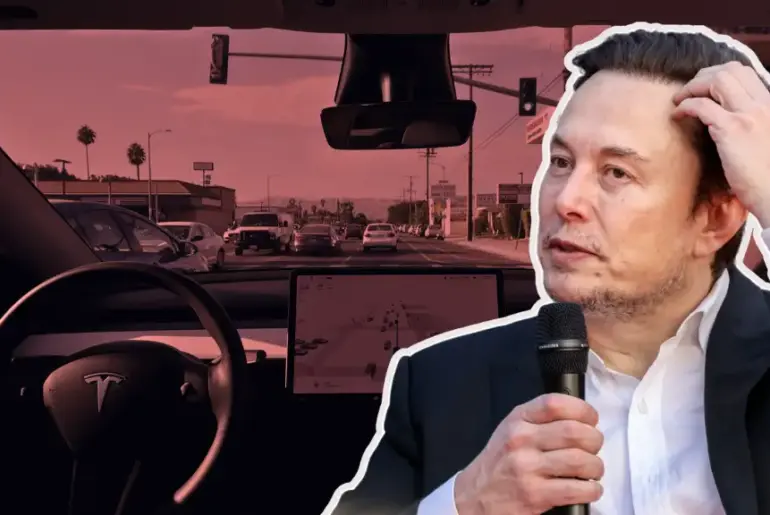
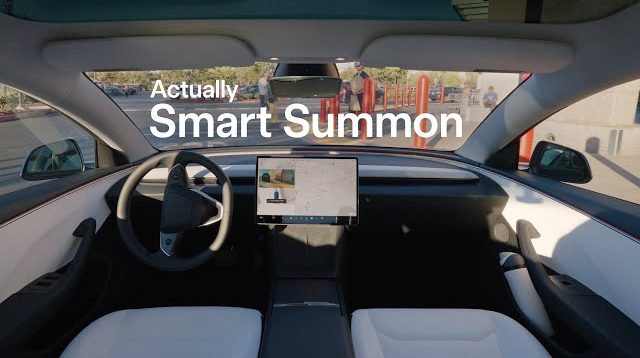
Beyond hardware, Tesla is generating massive hype through its software. The company has been running an FSD ride-along program across several countries to demystify how its AI handles European streets.
The goal is to secure the first official European approval for Full Self-Driving (Supervised), which is currently expected to arrive on April 10 from the Dutch RDW. If this approval goes through, it could pave the way for other EU countries to follow suit, unlocking a new revenue stream for Tesla and further cementing the company’s lead over its Chinese and European rivals.
With March registrations signaling a return to form, Tesla is well-positioned for a strong 2026. As petrol prices remain volatile and the promise of self-driving draws closer, the electric giant’s “slump” appears to be firmly in the rearview mirror.
Subscribe to our newsletter to stay up to date on the latest Tesla news, upcoming features and software updates.
April 1, 2026
By Nehal Malik
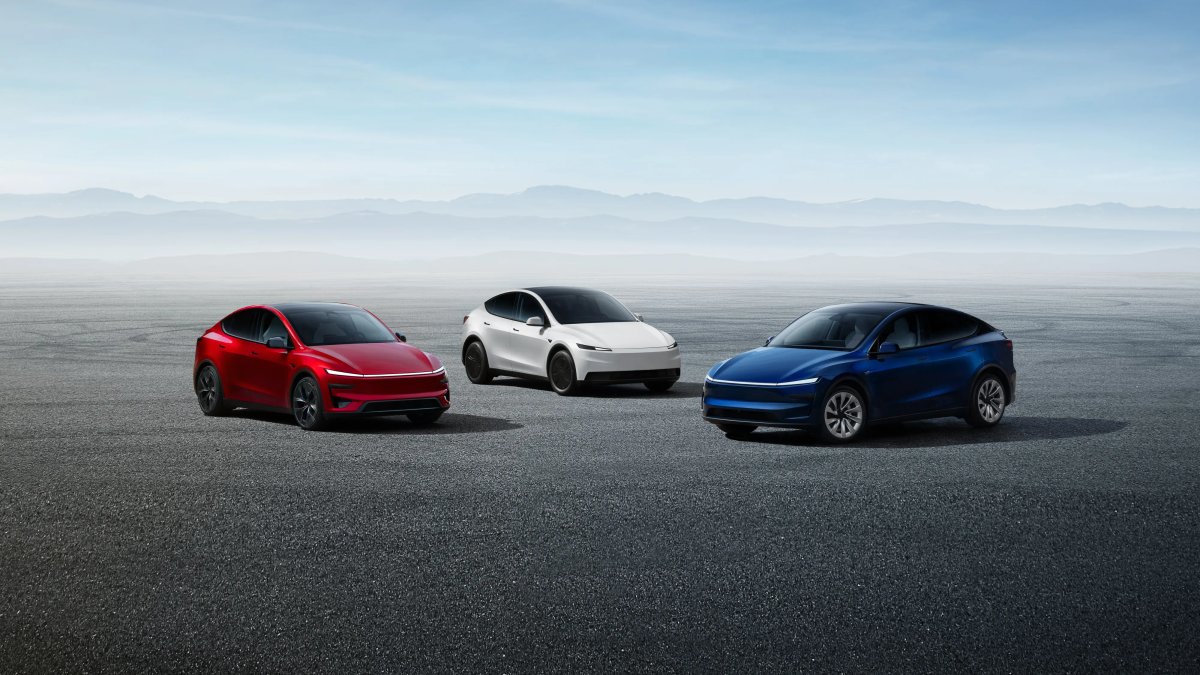
Tesla has once again flexed its muscles in the world’s most advanced electric vehicle market. New data for March 2026 shows that the American automaker dominated car sales in Norway, helping the country reach a staggering new milestone where nearly every single new car hitting the road was electric.
According to the Norwegian Road Traffic Information Council (OFV), Tesla was the top brand for the month, posting a 178% jump in sales from March 2025 and accounting for 34.8% of all new passenger cars. This performance carried significant momentum from the first week of March, when Tesla outsold every other car brand combined in the country. By the end of the month, the Model Y and Model 3 secured the first and second spots on the bestseller list, respectively.
A New Record for Electric Share
Norway is currently a glimpse into the future of the global automotive industry. In March, the share of electric cars reached 98.4%, a new monthly record. To put that into perspective, out of 17,685 new passenger cars registered, only 22 were gasoline-powered, and 126 were diesel. The Model Y and Model 3 made up 6,148 of those new car sales, boosting Tesla’s first-quarter sales in the country 95% year-over-year.
While Tesla’s 34.8% market share is dominant, it didn’t quite touch the brand’s all-time peak of 40.8% back in March 2023. However, the Model Y remains the undisputed king of the road, followed by the refreshed Model 3. Other notable performers included the Volvo EX40 and Toyota bZ4X, which rounded out the top of the leaderboard.
New Trims and the Push for Full Self-Driving
Tesla’s success in the region is likely bolstered by recent updates to its European lineup. Earlier this year, the company launched the Model Y Standard Long Range in Europe. This specific trim is a “range leader,” pairing a larger battery with a rear-wheel-drive setup to achieve an exceptional 657 km WLTP range. Additionally, the seven-seat Model Y recently returned to the European market, offering more flexibility for larger families.
Beyond hardware, Tesla is also working hard to secure regulatory approval for Full Self-Driving (FSD) in Europe. The company has even been running a public ride-along program across several countries to showcase the system’s safety and capabilities to locals and regulators alike. Tesla currently expects the first European approval for FSD to come in the Netherlands on April 10.
Looking Ahead
The March figures prove that the transition to electric transport in Norway is essentially complete for passenger vehicles. As interest rates and fuel costs continue to fluctuate, the predictable nature of EV ownership remains the preferred choice for Norwegian households. With Tesla leading the charge and Chinese brands like BYD and Zeekr quickly gaining ground, the competition in the region is only getting started. If Tesla can finally unlock FSD for European owners this year, its lead in this market could become even harder to challenge.
April 1, 2026
By Nehal Malik
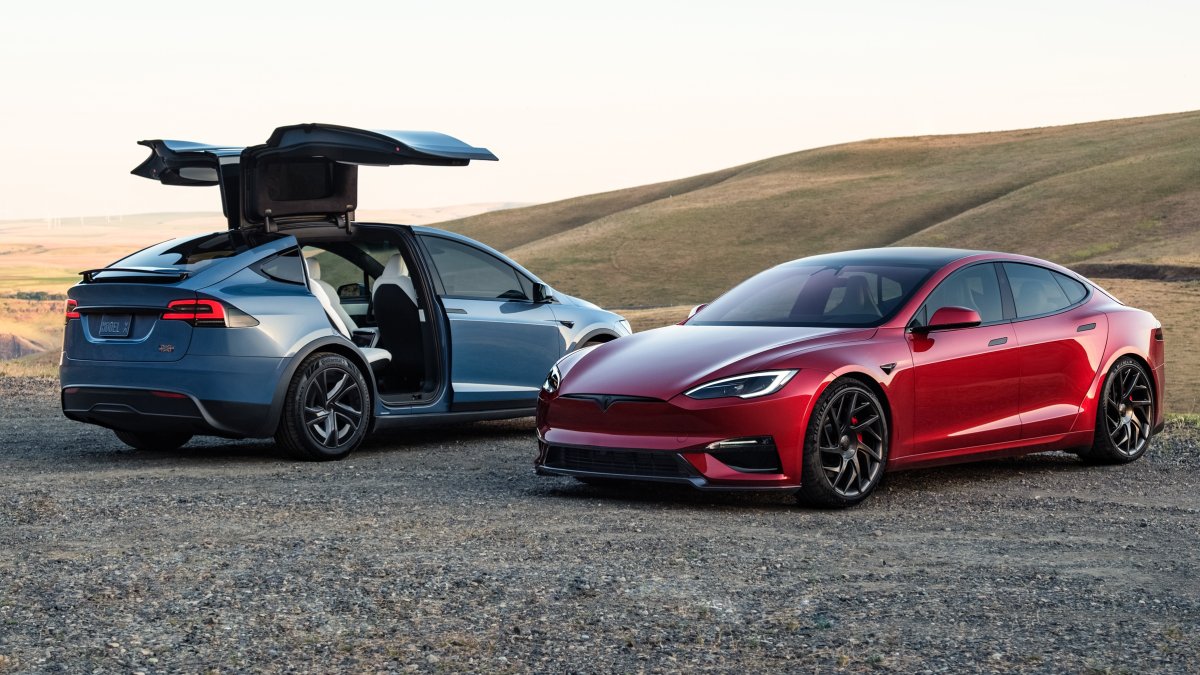
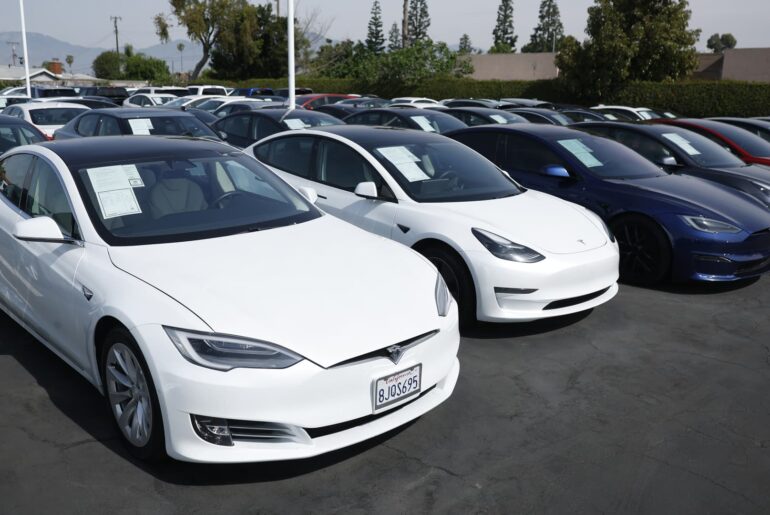
The era of the “original” Teslas has officially reached its conclusion. After a 17-year journey that saw the Model S transform from a radical prototype into a global automotive icon, Tesla has finally closed the order books. If you were hoping to configure a brand-new Model S or Model X exactly to your liking, that window has officially slammed shut.
According to a recent X post by Elon Musk, the company is moving on. “Custom orders of the Tesla Model S & X have come to an end. All that’s left are some in inventory,” Musk shared. He also noted that the company plans to hold an official ceremony to mark the end of the production run, reflecting on a 14-year manufacturing journey that fundamentally changed how the world views electric transportation.
Choosing from the Remaining Inventory
For enthusiasts, this is the absolute last chance to own a piece of EV history. Since production has officially ended at the Fremont factory, no more custom builds will be rolling off the line. Instead, anyone looking for a flagship Tesla will have to choose from existing inventory units. Once these specific configurations are sold out, the Model S and Model X will effectively move into the history books as legacy products.
This shift marks a massive transition for Tesla. For years, the Model S and Model X were the high-tech pioneers of the lineup, featuring everything from the first large-scale touchscreen interfaces to the jaw-dropping speed of the Plaid powertrain. While their exterior designs stayed remarkably consistent over nearly two decades, the hardware inside was constantly evolving, proving that a great silhouette doesn’t need to change to remain competitive.
Retooling for a Robotic Future
The reason for this “honorable discharge” is Tesla’s pivot toward AI and robotics. The space at the Fremont factory previously used for these flagship models is being retooled this summer. Instead of luxury sedans, those lines will soon be producing the Optimus humanoid robot. Tesla is essentially trading its automotive past for a future defined by autonomous machines.
With a new, larger SUV recently teased by Musk and the next-gen Roadster expected to take the performance crown, the Model S and X no longer have a clear spot in the future lineup. They served their purpose by embarrassing luxury gas cars and winning over skeptics, but the company is now betting on a different kind of “sentient” technology.
If you’ve been on the fence about pulling the trigger on a Model S Plaid or a Falcon-Wing Model X, now is the time to check the inventory pages. These cars proved that EVs could be sexy and practical, and while they won’t be in showrooms much longer, their legacy will be felt in every electric car that follows.