It’s safe to say that 2025 was a tough year for many nameplates in the automotive world. Some might even go as far as calling it a mass extinction event of sorts, hitting sedans the hardest but also dealing considerable damage in other segments. For starters, the collapsing demand for sedans in the U.S. had us bidding farewell to Nissan’s Altima and Versa, the Volvo S90, and the Audi A4, just to name a few. The SUV takeover played a huge role in the sedan’s demise as well, but even the sport utility camp took a few hits. Cadillac killed the XT4 and XT6, while Infiniti did the same with its QX50 and QX55 crossovers. The chaotic EV transition really didn’t help, as manufacturers were forced to cut budgets for ICE lineups, allocate billions toward electrification, and reorganize their lineups extensively.
Notable casualties of this trend include the aforementioned SUVs, together with models like the Audi A7 and BMW’s X4. In addition, thin profit margins and rising production costs killed the Kia Soul compact crossover, and the Mitsubishi Mirage got axed for that same reason back in 2024. But if electric vehicles caused such a stir as of late, then it looks like karma is coming back to bite them this year. We compiled a list of all the nameplates destined for the chopping block in 2026, and things are not looking good for the EV segment. Let’s dive right in and examine the nine models we will no longer be seeing next year, with as many as seven of them being electric.
Related
Trump’s Auto Tariffs Could Make Your Next Car Unaffordable
Trump’s plan to tax imported cars could make your dream car unaffordable.
Volvo EX30
The Entry-Level Electric SUV Shunned By U.S. Buyers
2026 Volvo EX30 Cross Country front end in snow next to cabinVolvo
Technical Specifications
Motor (Twin Motor)
Front: permanent-magnet synchronous AC
Rear: permanent-magnet synchronous AC
Horsepower (Twin Motor)
422 HP
Torque (Twin Motor)
400 LB-FT
Battery
64 kWh
Estimated Range
253 Miles
0-60 MPH (Twin Motor)
3.4 Seconds
Top Speed
112 MPH
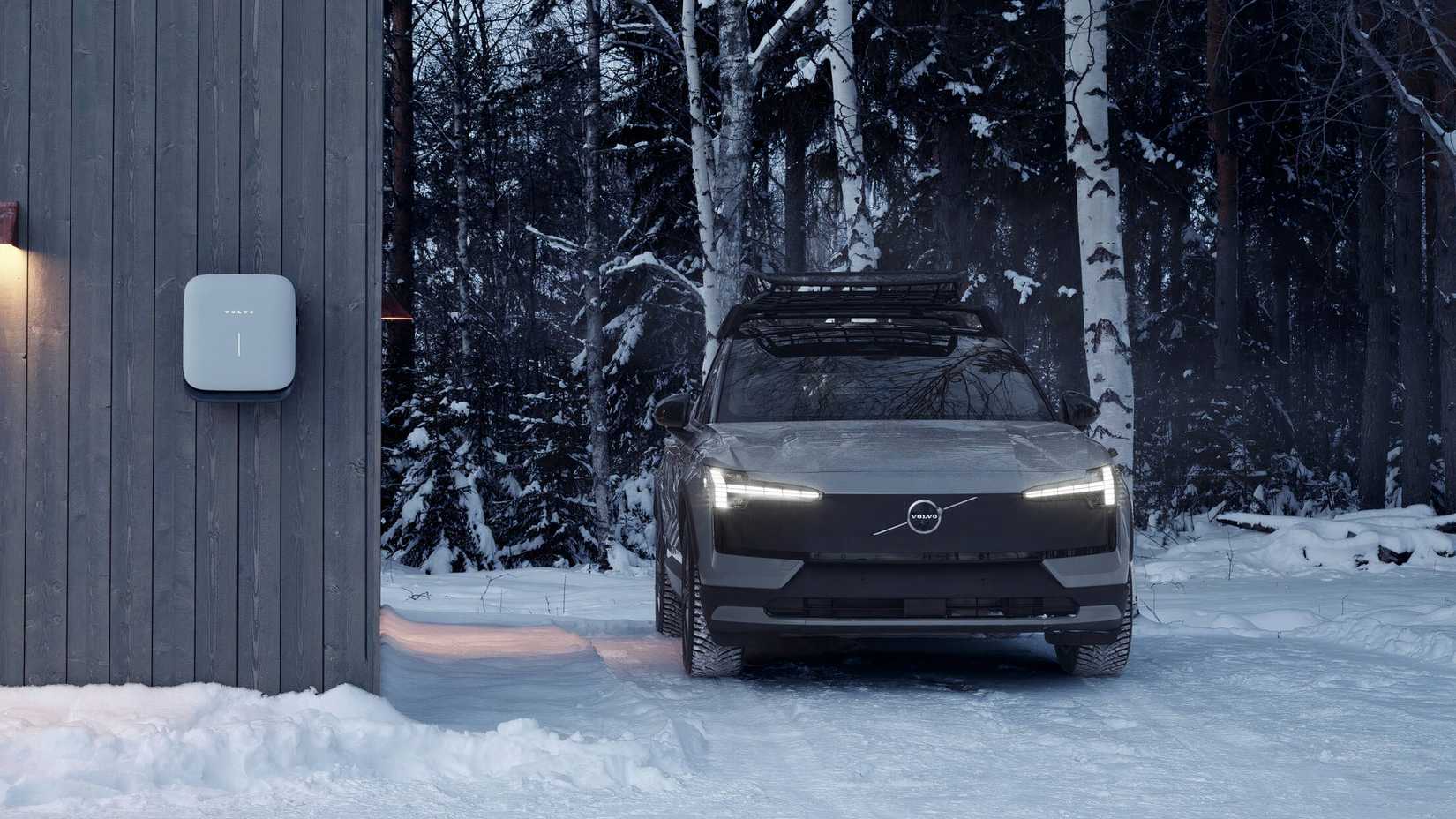
Although the EX30 will be pressing on in other markets around the world, it’s already getting axed stateside after a very short production run. Being Volvo’s smallest and most affordable EV, it was positioned as an entry-level option in the subcompact crossover market, but the formula didn’t really appeal to U.S. buyers. Demand remained stubbornly low, and the fact that production took place in China made it vulnerable to the tariffs imposed by Trump’s administration. They essentially shattered one of its main selling points at a time when EV sales were already in decline, so the Swedish automaker had to pull the plug after selling just over 5,000 units in 2025. However, the EX30 remains available in places like Canada, Mexico, and Europe.
Honda Prologue
It Trudges On For Now, But The Future Looks Bleak
2026 Honda PrologueHonda
Technical Specifications
Motor (Elite)
Front: Permanent-Magnet Synchronous AC
Rear: Induction AC
Horsepower (Elite)
300 HP
Torque (Elite)
355 LB-FT
Battery
85 kWh
Estimated Range
273 Miles
0-60 MPH (Elite)
5.9 Seconds
Top Speed
115 MPH
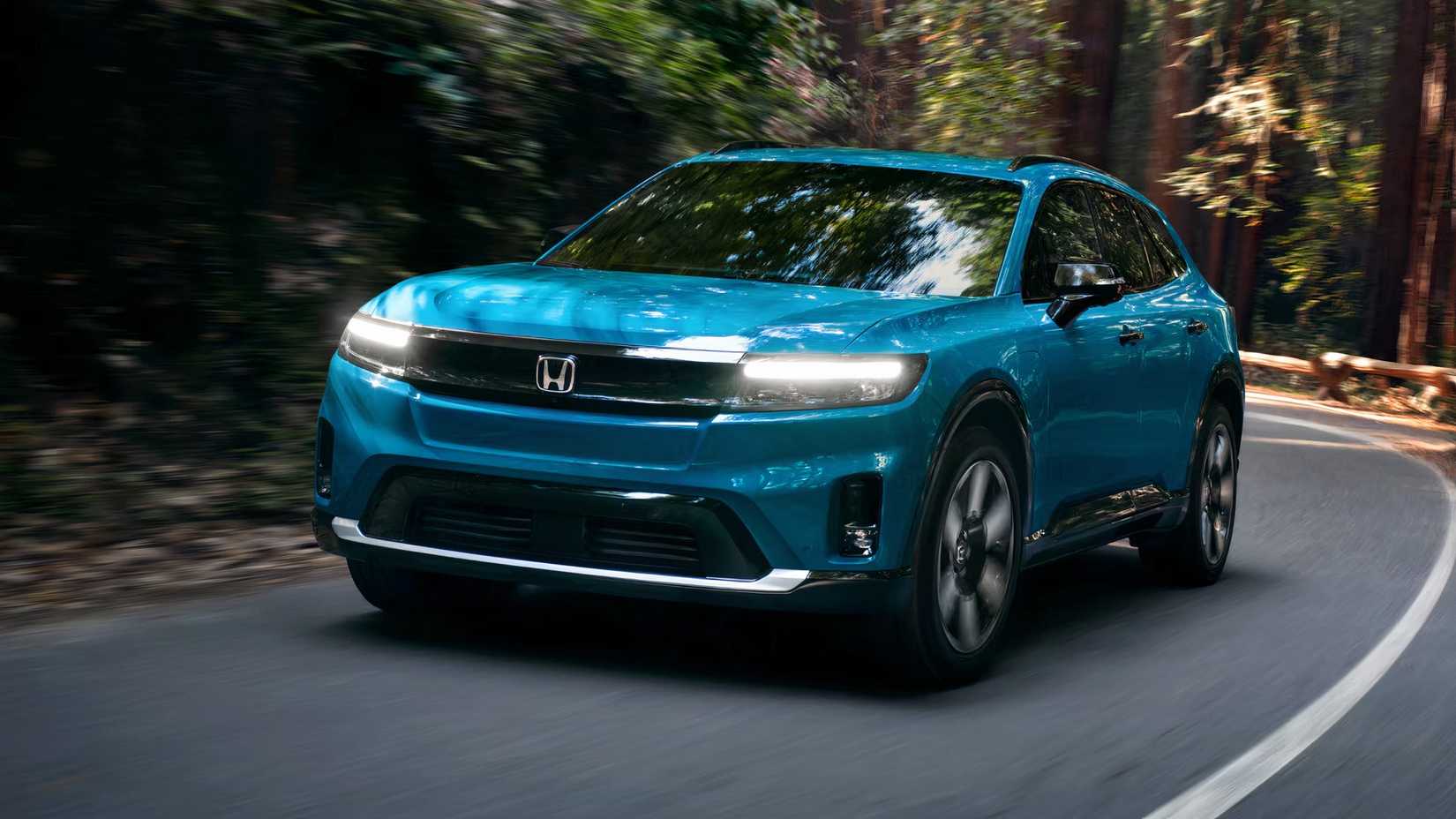
This one isn’t 100 percent confirmed just yet, but it’s not hard to see the writing on the wall. Honda recently announced that all three of its upcoming EVs—the 0-Series SUV, 0-Series Saloon, and Acura RSX—are being scrapped, resulting in a projected loss of up to $15.8 billion. This decision was primarily motivated by U.S. tariffs and the steep drop in electric vehicle sales after the federal tax credit removal. One can thus extrapolate and realize the Prologue is probably next in line for execution, as Honda didn’t even plan on producing it long-term in the first place. It was intended as a stopgap model since day one, so now we must pause and wonder whether keeping it would make any sense with the company’s EV strategy thrown out the window.
Tesla Model S
Futuristic A.I. Robots Are Way Cooler Than Cars, Or So Musk Thinks
Jay Leno’s Garage / YouTube
Technical Specifications
Motor (Plaid)
Front Motor: Permanent-Magnet Synchronous AC
Rear Motors: 2 Permanent-Magnet Synchronous AC
Horsepower (Plaid)
1,020 HP
Torque (Plaid)
1,050 LB-FT
Battery
99 kWh
Estimated Range
368 Miles
0-60 MPH (Plaid)
1.99 Seconds
Top Speed
163 MPH
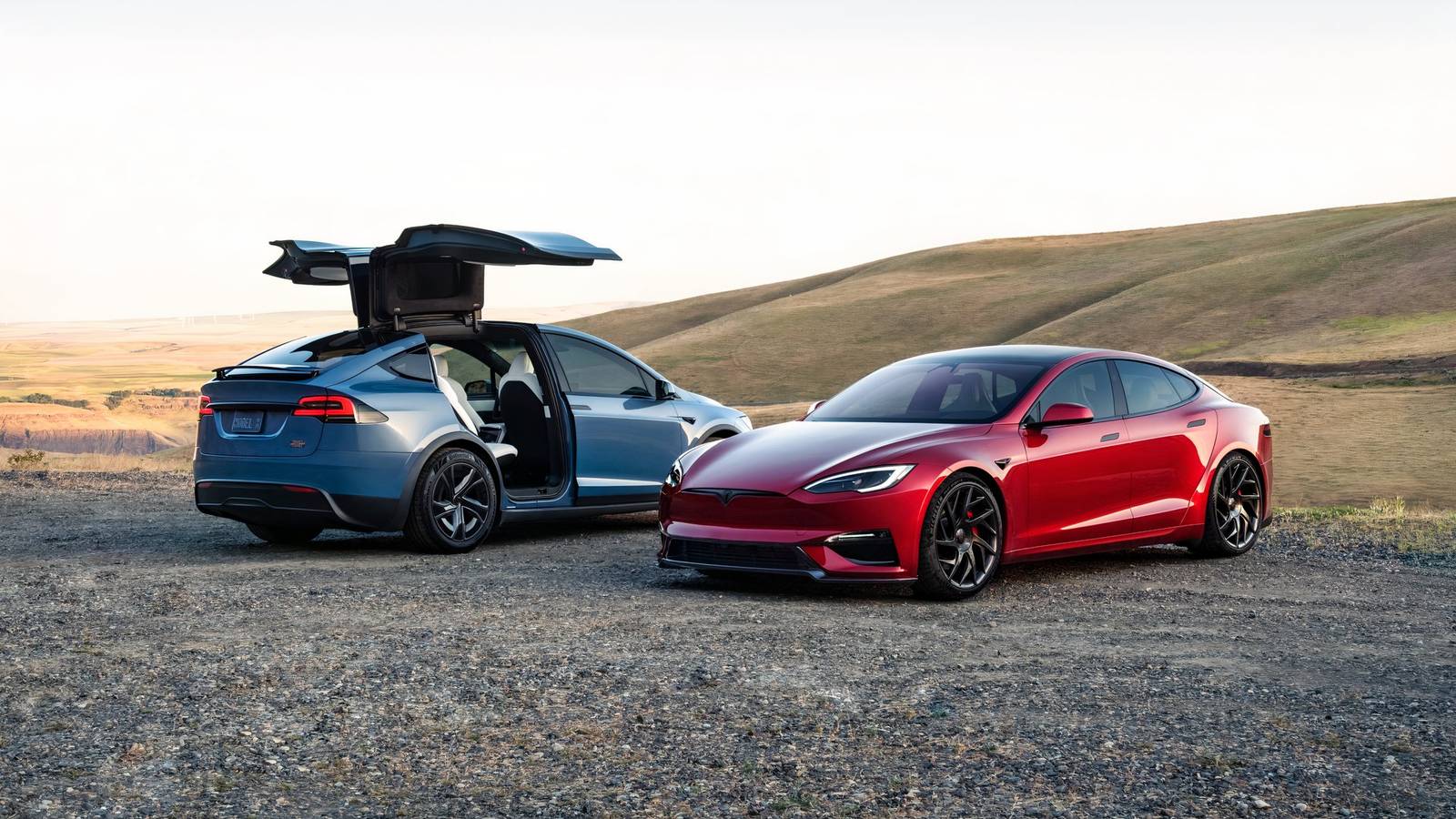
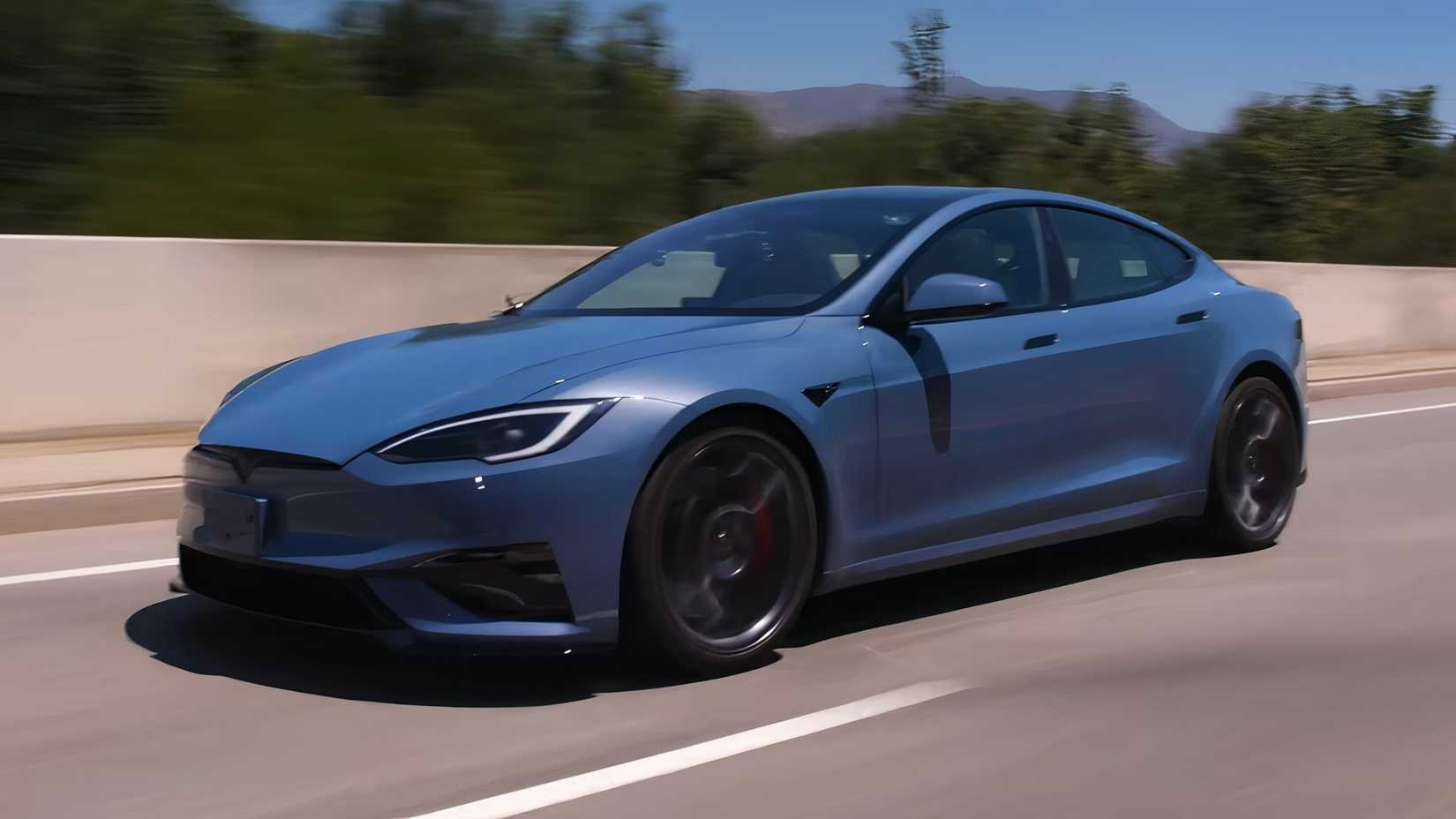
The Model S has been part of Tesla’s lineup since 2012, and it played a huge role in the company’s rise as well as the popularization of electric cars. But its relevance is no longer what it used to be, a fact clearly reflected in declining sales and the manufacturer’s shifting priorities. CEO Elon Musk announced the luxury sedan’s imminent demise during Tesla’s fourth-quarter earnings call back in January, and its production facility in Fremont, California, is due to be repurposed for the Optimus project. So, in essence, the long-running Model S is getting ditched to make way for humanoid robots, which naturally fits the company’s transition from automotive to sustainable energy, artificial intelligence, and robotics.
Related
Tesla Ends Production On Its Flagship Cars To Make Robots
Tesla confirmed Model S and Model X production will end in 2026 as factory space shifts to building humanoid robots.
Tesla Model X
Once The Company’s Flagship SUV, It Now Fades Into Irrelevance
Tesla
Technical Specifications
Motor
Front Motor: Permanent-Magnet Synchronous AC
Rear Motor: Permanent-Magnet Synchronous AC
Horsepower
670 HP
Torque
644 LB-FT
Battery
100 kWh
Estimated Range
352 Miles
0-60 MPH
3.8 Seconds
Top Speed
149 MPH
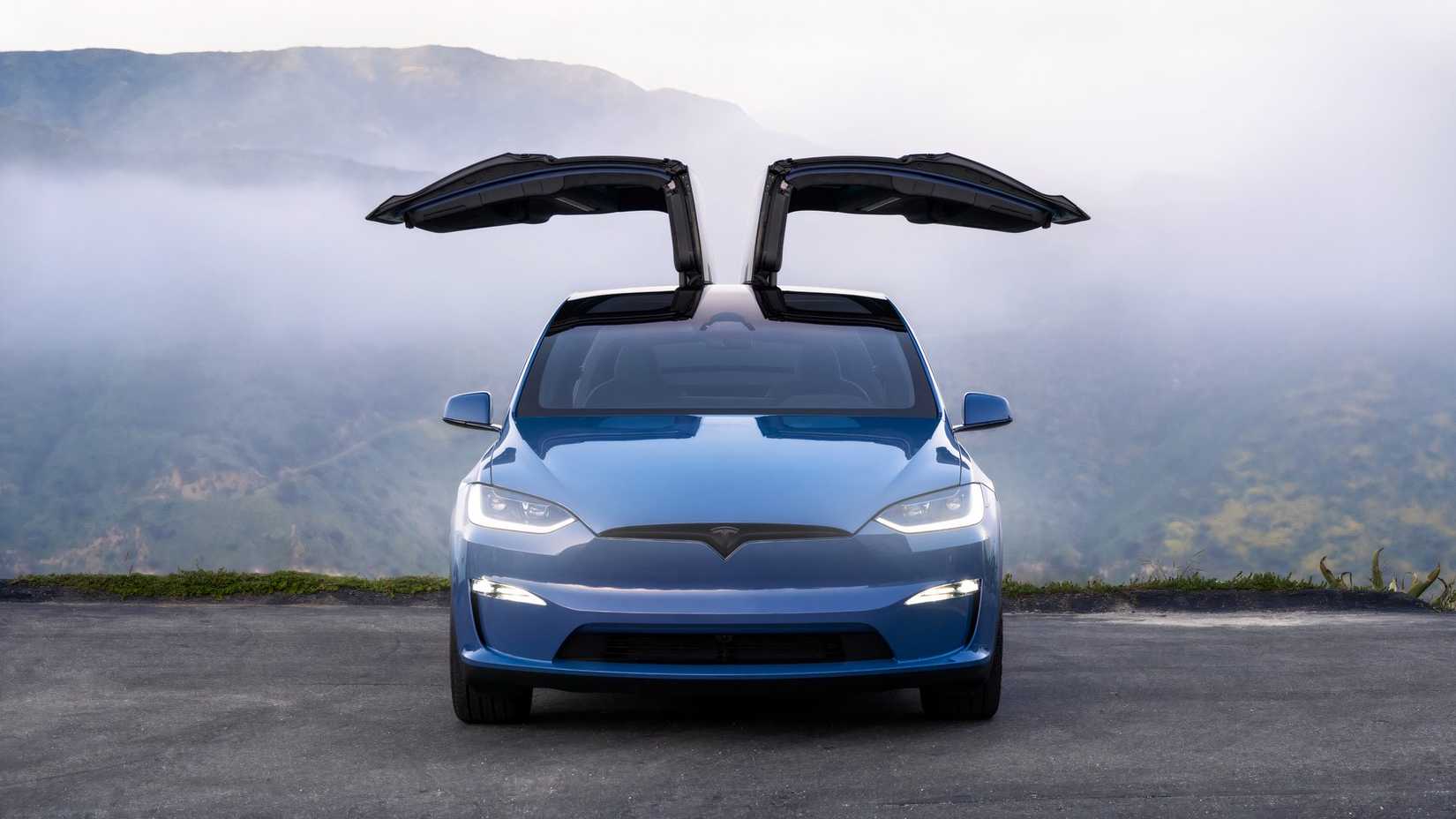
Seeing what fate awaits the Model S, it will be no surprise for you to learn that Tesla also plans on discontinuing the Model X alongside it. The SUV debuted in 2016, joining the company’s sedan in what seemed like a glorious march toward full industry electrification. All that excitement has since worn off, though, and EVs across the board are now confronted by the brutal reality of having to remain competitive without government incentives. Tesla’s pivot toward other industries only added insult to injury, with Musk revealing that the Model X is destined to be phased out along with its sedan counterpart. Production for both of them is expected to end sometime during the second quarter of 2026.
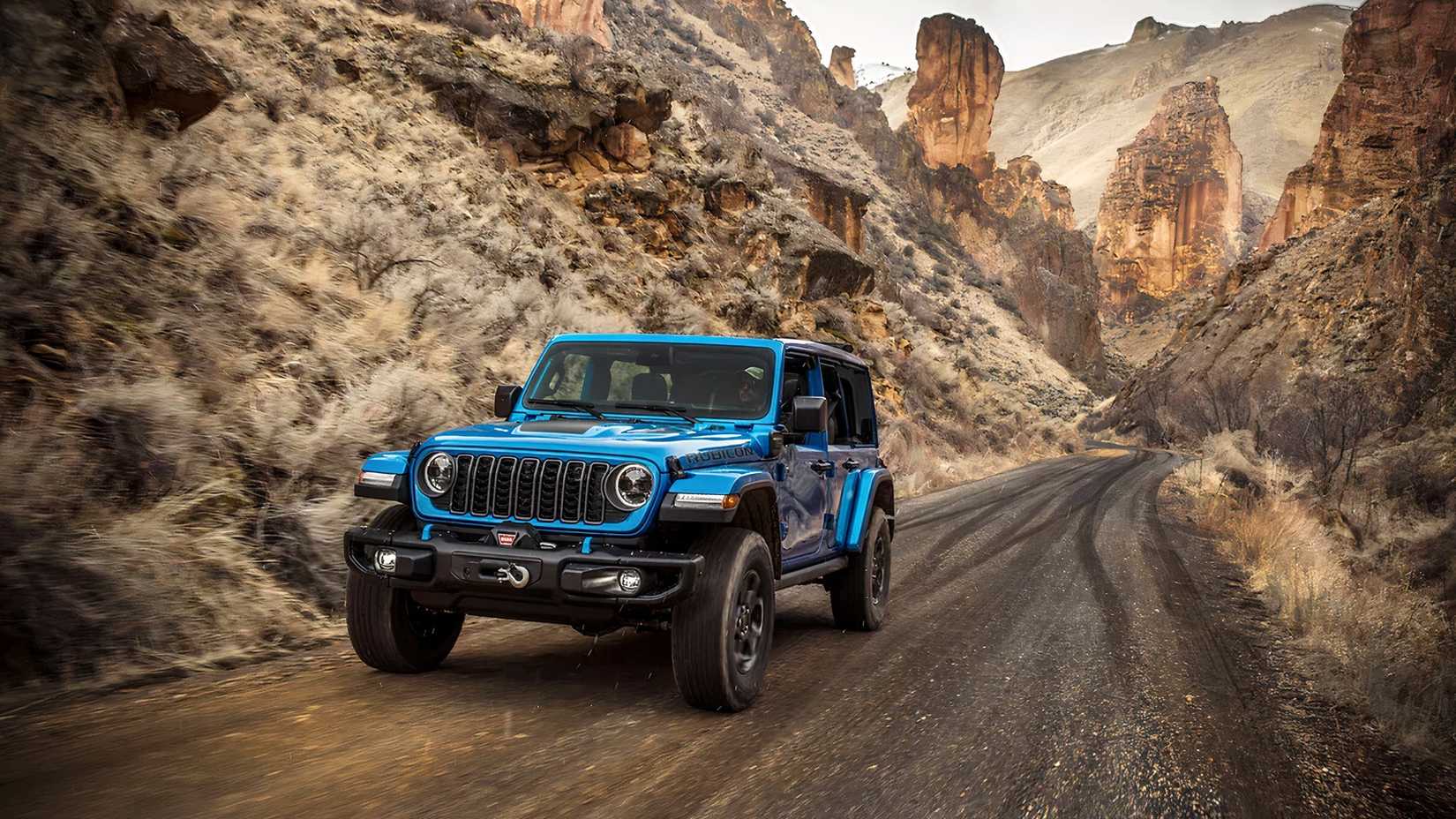
Jeep Wrangler 4xe
America’s Best-Selling PHEV Is Now Dead
Stellantis
Technical Specifications
Engine & Motor
2.0-Liter Turbocharged Inline-Four
AC Motor
Horsepower
375 HP
Torque
470 LB-FT
0-60 MPH
6.5 Seconds
Top Speed
99 MPH
As the plug-in hybrid version of the popular Wrangler, it used to be the best-selling PHEV on the U.S. market a little while back. But the Wrangler 4xe came with some major headaches, mostly related to reliability issues, recalls, and fire risks. Then came the death of federal tax credits, leading Stellantis to abandon its PHEV lineup in North America altogether. Technically, the Jeep Wrangler plug-in hybrid is already out the door, though a few 2026 models are believed to have left the factory before production ceased. It serves as something of a cautionary tale, showing that even a top-selling vehicle like the Wrangler 4xe can hardly stand its ground in the absence of that sweet $7,500 tax credit.
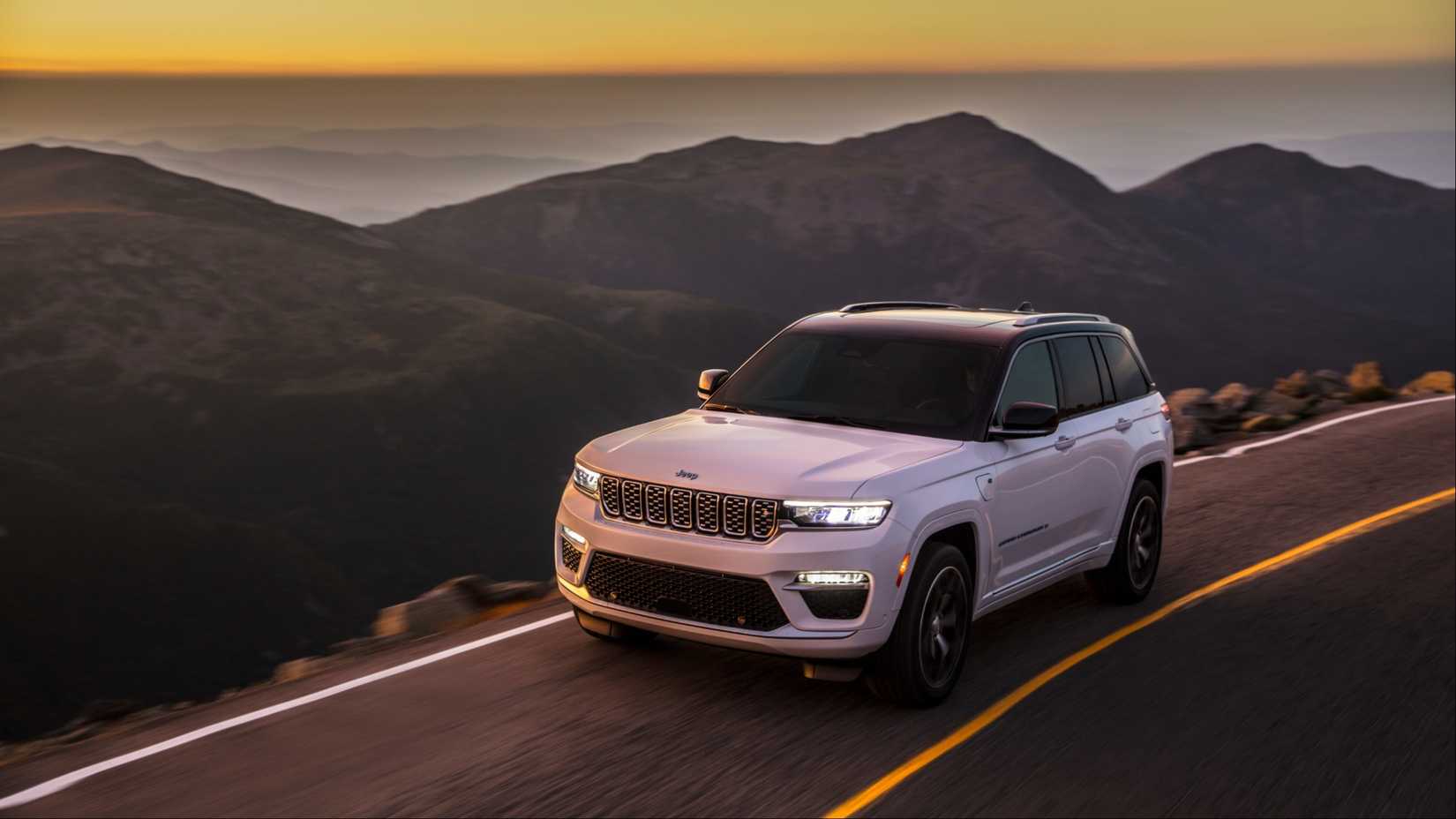
Jeep Grand Cherokee 4xe
Another One Bites The Dust
2025 Jeep Grand CherokeeJeep
Technical Specifications
Engine & Motor
2.0-Liter Turbocharged Inline-Four
2 AC Motors
Horsepower
375 HP
Torque
470 LB-FT
0-60 MPH
5.3 Seconds
Top Speed
117 MPH
With the Wrangler 4xe dead in the water, its hybrid Grand Cherokee cousin followed suit. It all comes down to the same factors, from problems associated with reliability and recalls to the industry shake-up caused by Uncle Sam’s withdrawal of tax incentives. Stellantis saw no genuine profitability in keeping the Grand Cherokee 4xe alive, instead preferring to get rid of it at the same time as the Wrangler PHEV. The decision makes business sense in the context of a major strategic shift for the company, and there is one more vehicle from Stellantis that became a casualty alongside the two Jeep models.
Related
Family Sues Stellantis Over Jeep Grand Cherokee 4xe From Hell
These people have had nothing but trouble with their plug-in hybrid Jeep.
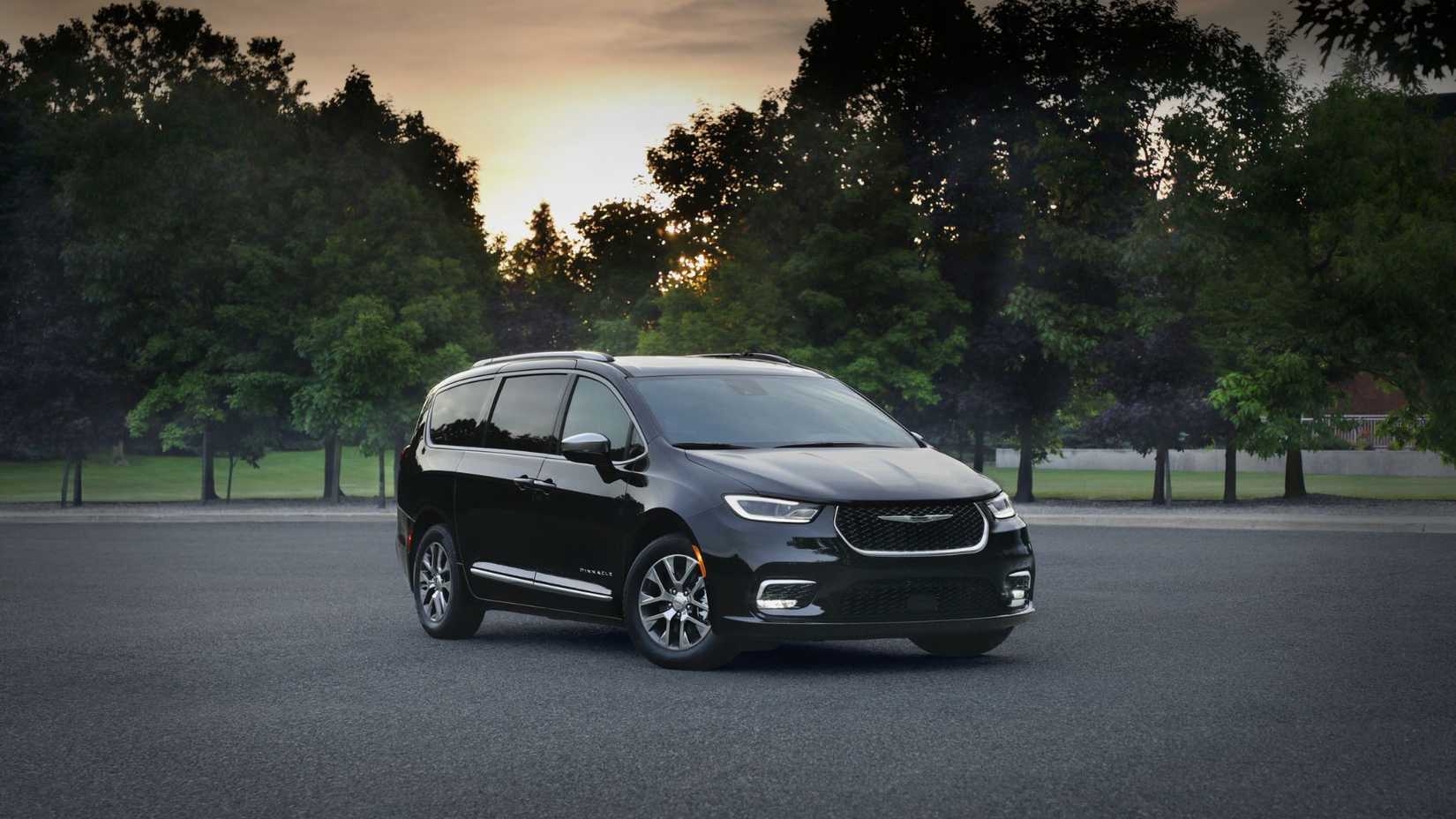
Chrysler Pacifica Hybrid
The Third And Last Victim Of Stellantis’ PHEV Pullback
2021 – 2025 Chrysler Pacifica Hybrid exteriorChrysler
Technical Specifications
Engine & Motor
3.6-Liter V6
2 AC Motors
Horsepower
287 HP
Torque
262 LB-FT
0-60 MPH
7.5 Seconds
Top Speed
111 MPH
The Chrysler Pacifica was once the only plug-in hybrid minivan on the U.S. market, but it is now a thing of the past, just like the PHEV versions of the Jeep Wrangler and Grand Cherokee. It fell victim to the same factors as Jeep’s models, so there’s no need for us to go over them once again. The Pacifica has been around since 2016, and its production run will continue in other markets, yet the future is uncertain and might result in it being discontinued altogether. We’ll have to wait and see how this year plays out for the EV segment, as it might be too optimistic to assume the bad news is over and done with.
Cadillac CT4
The Onslaught On Sedans Continues
2020 – 2026 Cadillac CT4 exteriorCadillac
Technical Specifications
Engine
2-liter turbocharged inline-four
Horsepower
237 HP
Torque
258 LB-FT
0-60 MPH
6.2 Seconds
Top Speed
138 MPH
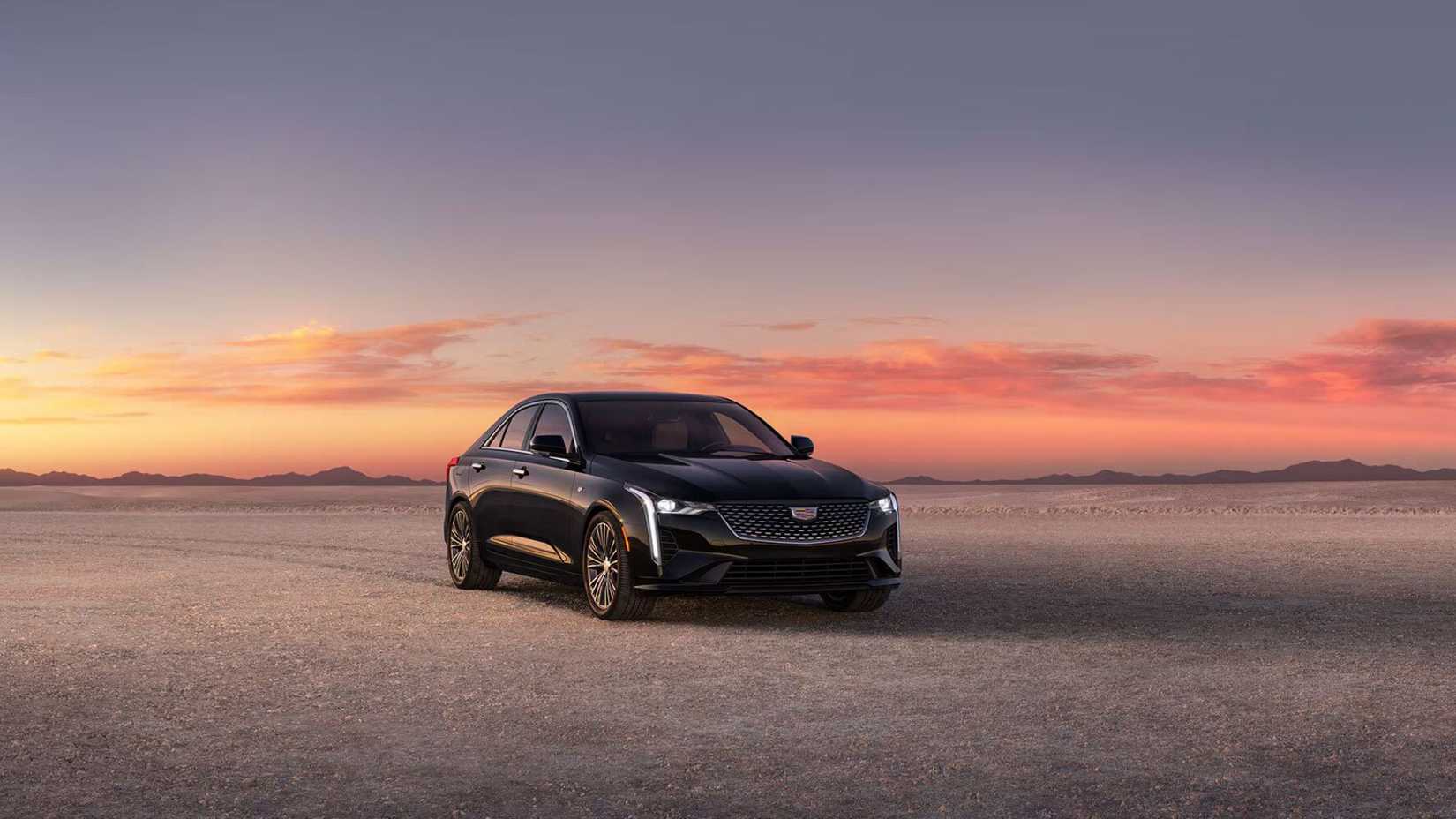
We’ve now arrived at the only two ICE-powered entries on today’s list, both hailing from Cadillac’s lineup. First, there is the CT4 compact luxury sedan, which debuted in 2020 to replace the Caddy ATS. It has been struggling due to low demand and changing market trends, much like all the sedans we’ve seen kicking the bucket in 2025. With the SUV and electric segments becoming Cadillac’s primary focus, the CT4 soon found itself heading to the graveyard. Sales will continue until June, so you’ve still got a chance to snatch a brand-new one for yourself if you please. Pricing starts at $37,795 but can reach as high as $52,395 depending on what trim and options you go with.
Cadillac CT5
It’s Going Away Forever After 2026, Or Is It?
2026 Cadillac CT5-V Blackwing Front 3/4Cadillac
Technical Specifications
Engine
2-Liter Turbocharged Inline-Four
Horsepower
237 HP
Torque
258 LB-FT
0-60 MPH
6.6 Seconds
Top Speed
130 MPH
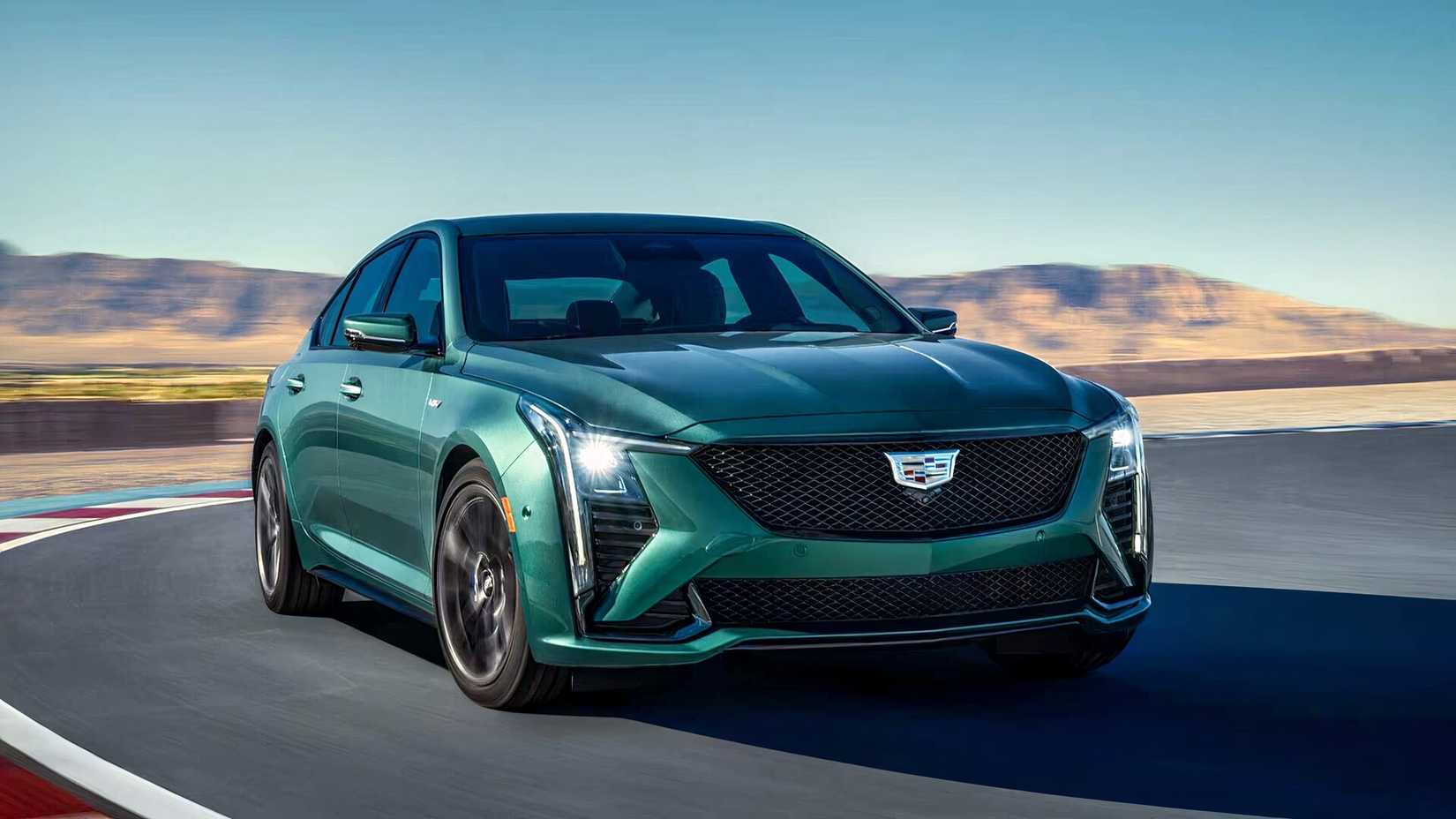
Lastly, we’ve got yet another Cadillac nameplate and the CT4’s upscale sibling — the CT5 midsize luxury sedan. The reasons for its discontinuation are very similar to those affecting the CT4 and so many other cars in their segment, but there’s a little caveat this time around. Cadillac plans on bringing the CT5 back as a next-gen ICE vehicle, which gives us a degree of hope even in the absence of any specific details. It’s unclear when this will happen or whether the new model will still be named the CT5, though what we can tell you for sure is that the current version will remain in production until late 2026. MSRPs range from $50,995 to $60,095, and we’re curious to see what Caddy’s future replacement will bring to the table.
Related
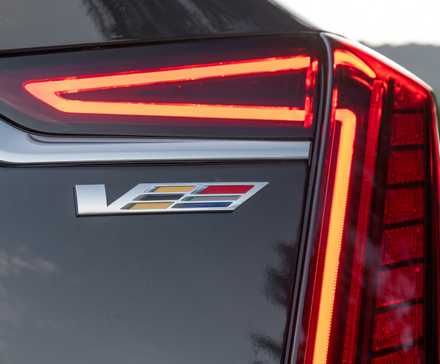
Cadillac’s Rarest Super Sedan Produced For Only One Year
If you want an incredibly special luxury car, put this Caddy on your shopping list.
By the looks of it, 2026 is shaping up to be yet another difficult year for EVs, exposing the segment’s fragility when government support is stripped away. The industry is in the middle of a painful reality check, with tons of resources poured into electrification and customer demand falling short of expectations by a long shot. In short, times are tough for many automakers out there, and we’re likely to see more nameplates getting the axe by the end of the year. We’re only three months into it, so things might just get worse before they get better.
Sources: AutoForecast Solutions, Business Insider, The Verge, MSN, Chrysler, Stellantis, Tesla, Cadillac