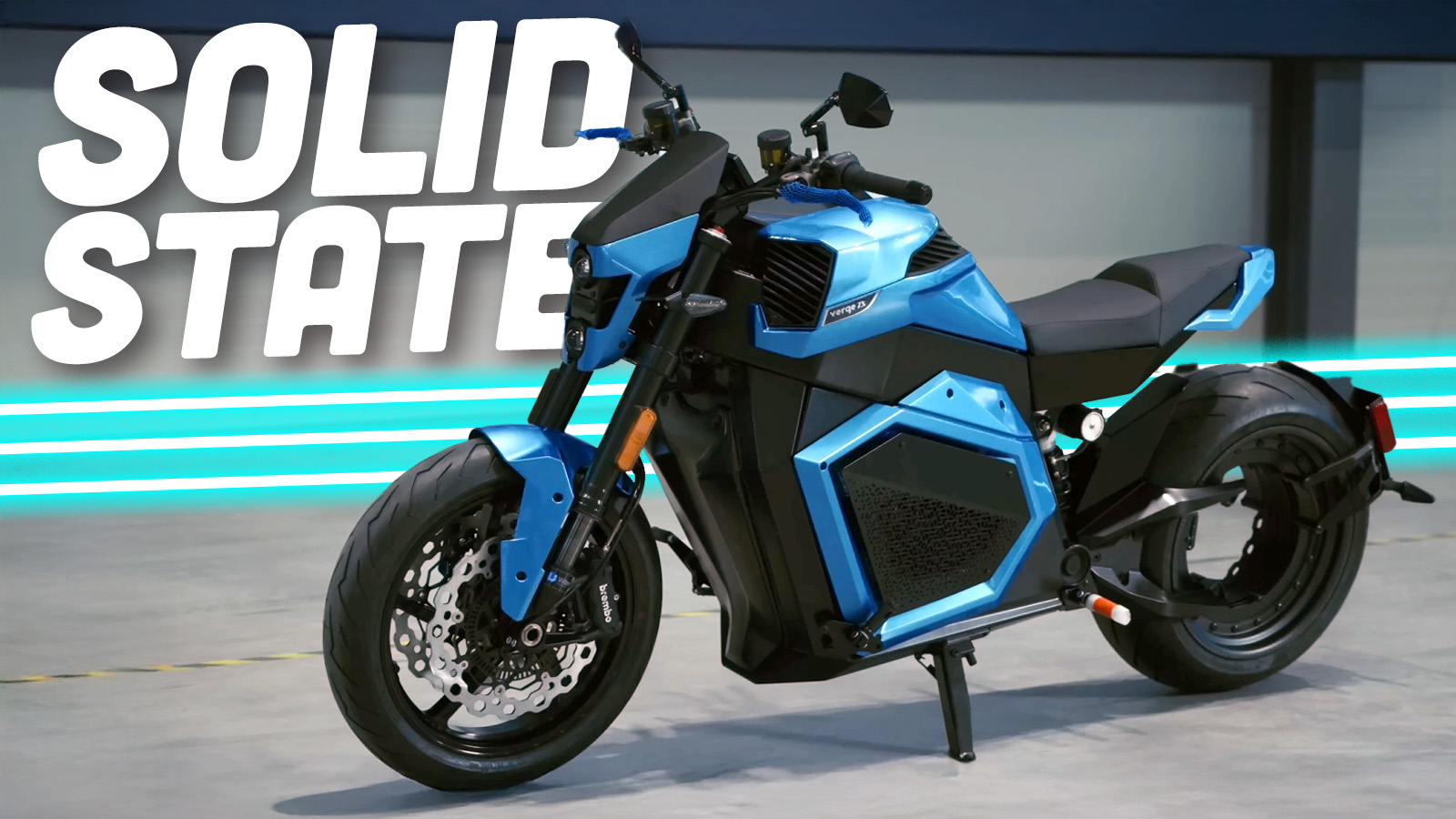
Back in January, Finnish startup Verge Motorcycles made a claim that, when fulfilled, would basically put it into the history books. The new Verge TS Pro is said to be the “World’s first production vehicle with an all-solid-state battery.” It’s a motorcycle with up to 370 miles of range, can charge in 10 minutes, and has a battery that supposedly has 400 Wh/kg of density and can survive more than 10,000 cycles with almost no degradation. There were doubts that this motorcycle would reach the market, but Verge just beat expectations. The first production solid-state Verge TS was completed and crated up to be shipped to the bike’s first customer.
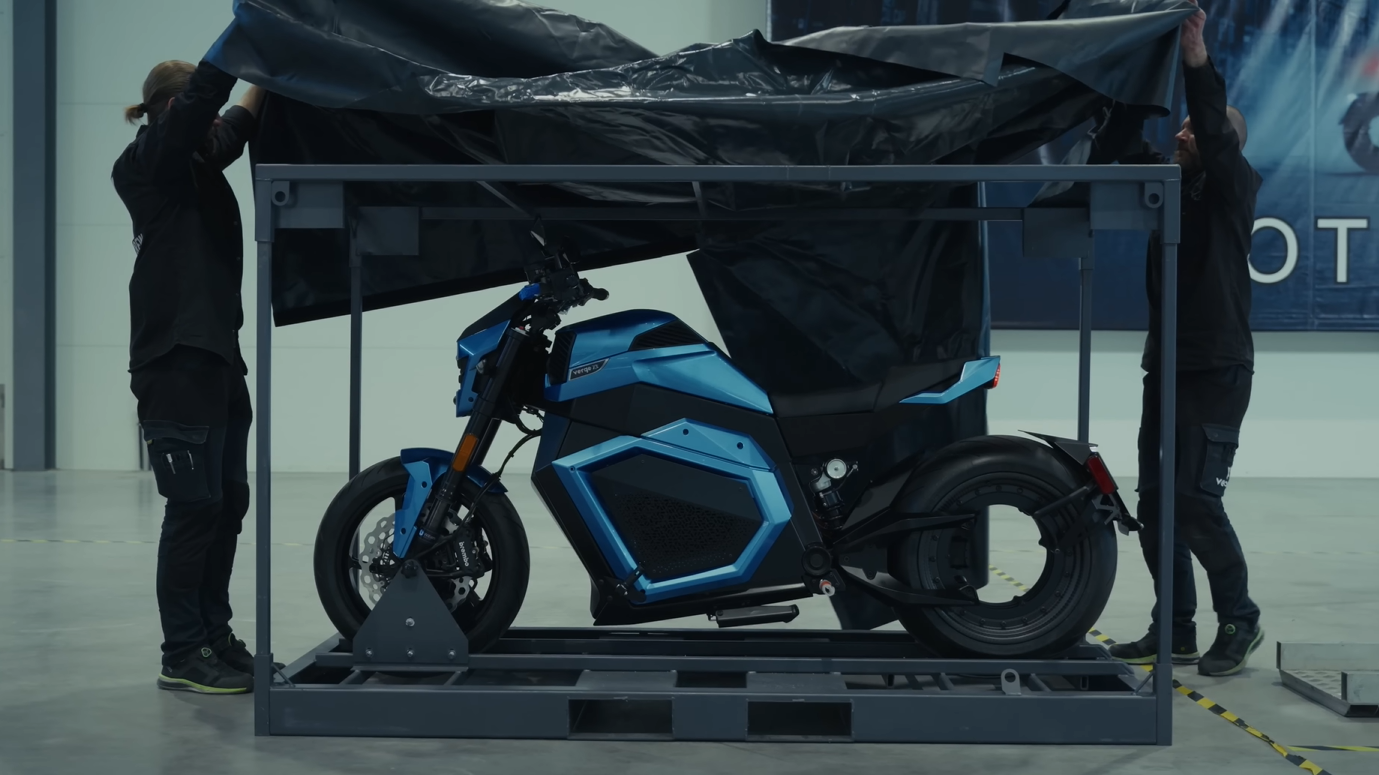
Back when this motorcycle was announced, Verge Motorcycles and the engineering firm behind its “hubless” rear wheel motor and its battery, Donut Lab, said the first examples would roll off the line before the end of the first quarter of 2026. Well, Verge did it, barely. On March 31, Verge published a video showing the very first production second-generation Verge TS going from the production line and into its crate, ready to be shipped off to an unknown owner.


While this is an awesome accomplishment, and one that should make electric vehicle history, it’s also a weird one.
 Verge Motorcycles
Verge’s partner company, Donut Lab, launched the motorcycle’s battery, the Donut Battery, with zero proof, testing, demonstrations, or anything that suggests that the battery is real. Then, like a television show, Donut Lab decided to drip-feed proof of the battery’s specs once a week. Since Donut Lab has decided to prove the easiest claims first, we’ve now reached the bizarre point where the first production bike has been built before the biggest claims about its battery have been proven. Even weirder than that is that Donut Lab has adjusted its testing release schedule to once every two weeks. So, now we’ll have to wait even longer before we solve the mystery of Schrödinger’s solid-state battery.
But this is still a huge step forward, and we have some news from Donut Lab, too. So, let’s jump in.
From Donut Wheels To Donut Batteries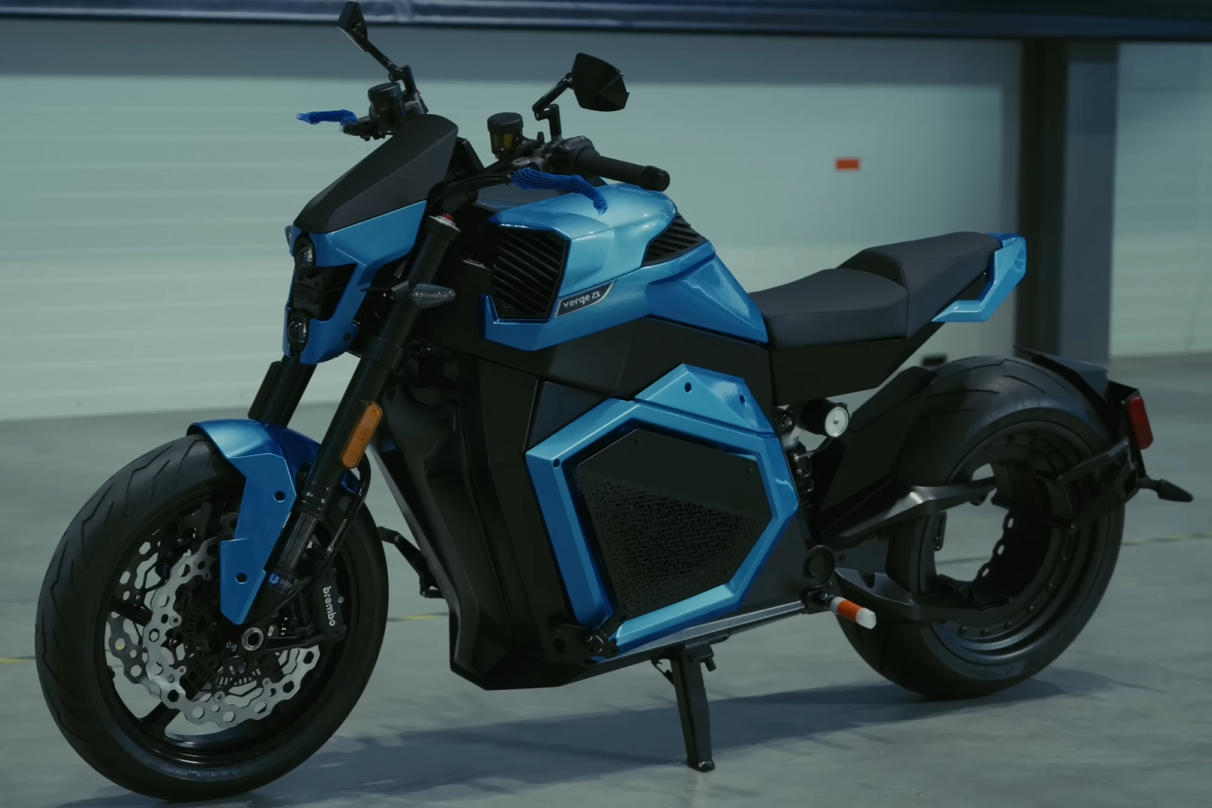 Verge Motorcycles
Most of my recent stories about this motorcycle have focused on Donut Lab, so here’s a reminder about what Verge Motorcycles is:
Back in 2018, Teemu Saukkio had an idea. He felt that the motorcycle market was ripe for more attitude with a dose of innovation. Finnish motorcycle manufacturer RMK Vehicle Corporation sprouted up to make Saukkio’s idea a reality. The RMK E2 was designed in Saukkio’s garage and by working at a breakneck pace, the motorcycle made it to EICMA 2019. The company, now called Verge Motorcycles, presented the TS, an electric motorcycle ripped right out of the dreams of many bikers.
 Mercedes Streeter
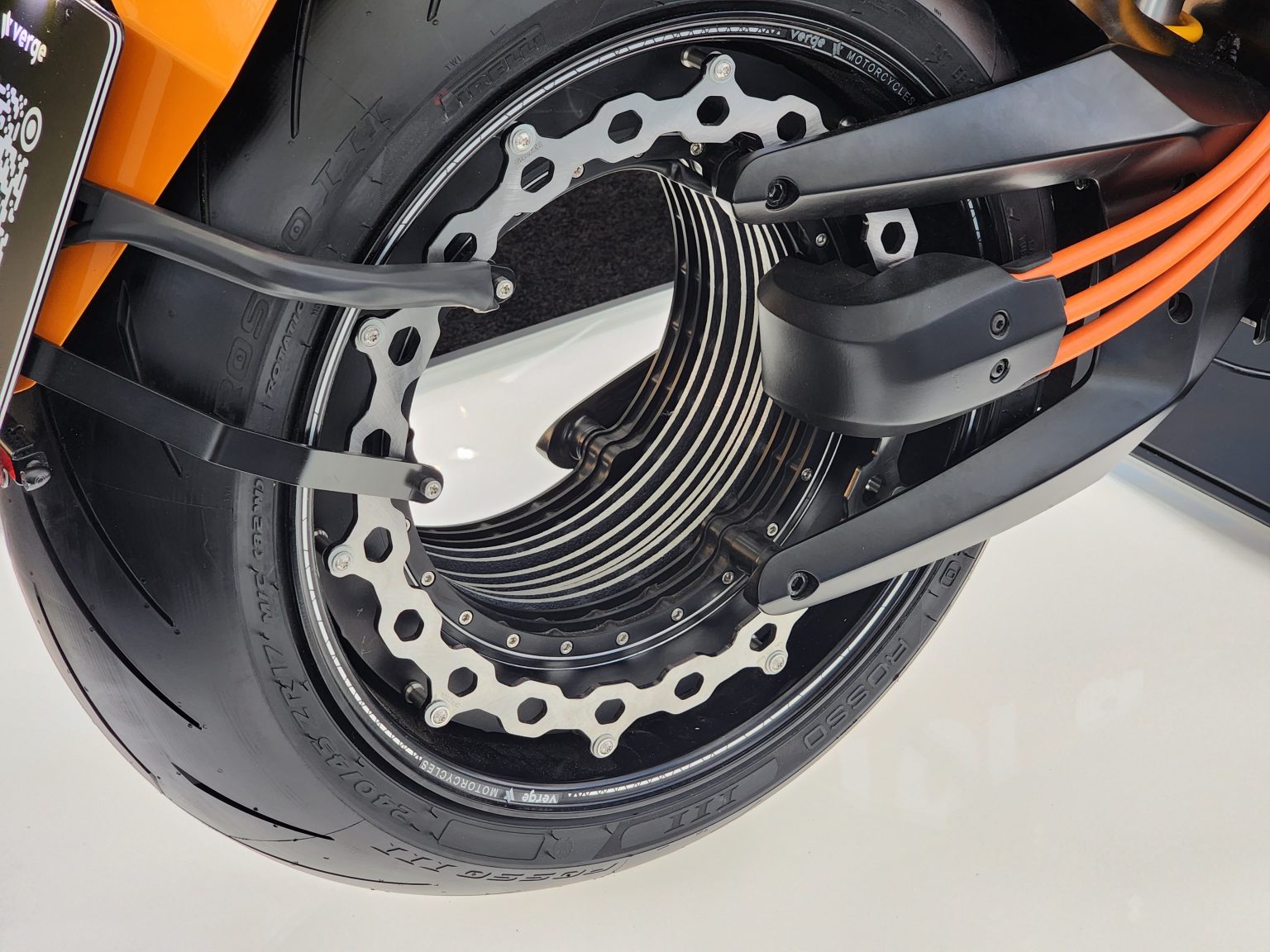
What made Verge’s electric motorcycle stand out from the rest in the crowded market was its rear wheel. Hubless wheels have been a staple of science fiction, and in the 1980s, famed Swiss designer Franco Sbarro even slapped some hubless wheels on a few motorcycles and a car. However, nobody has been crazy enough to put hubless wheels on a production motorcycle.
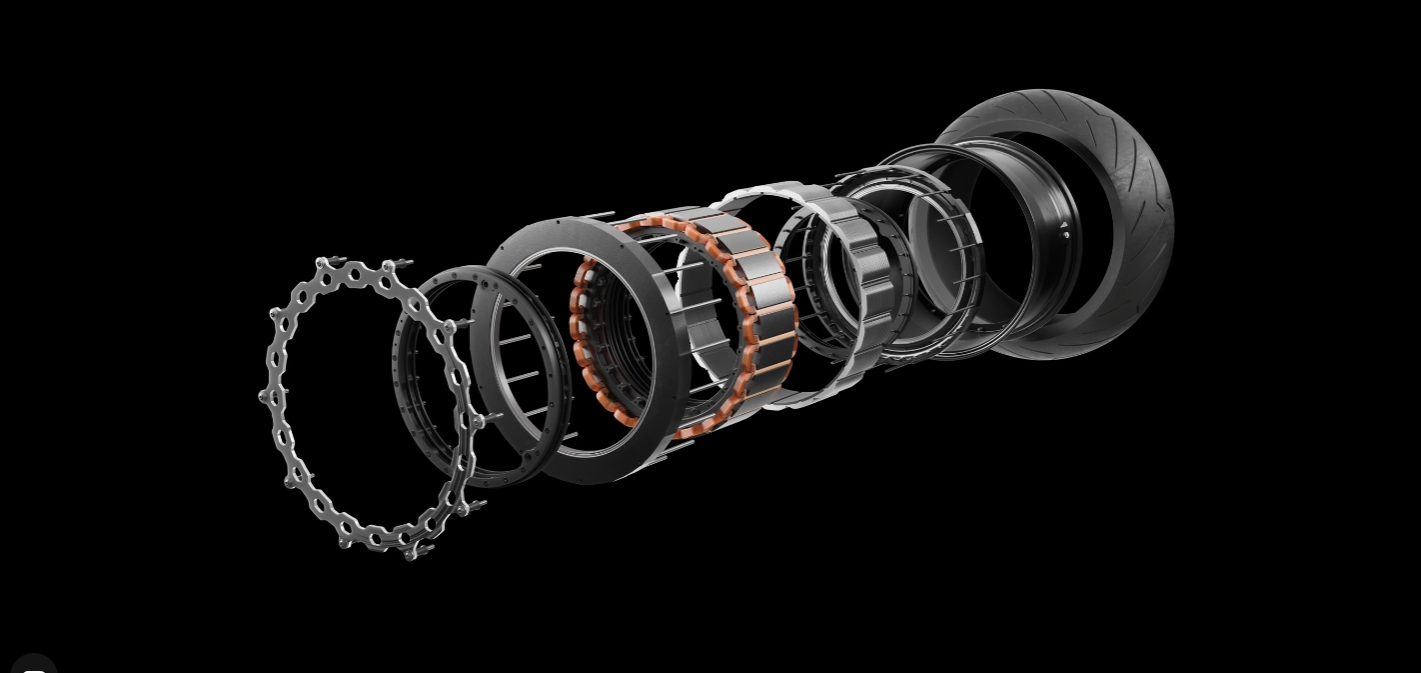
In Verge’s hubless rear wheel motor, the inner part of the wheel system is attached to a swingarm. The outer part of the wheel is what turns. The motor works using the electromagnets on the wheel that repel each other, rotating the assembly.
 Verge Motorcycles
This motor was put into a package with impressive specs. The top Verge, the TS Ultra, had 201 HP, 885 lb-ft of torque (at the wheel), 60 mph acceleration in 2.5 seconds, and up to 233 miles of range. However, given the motorcycle’s high $44,900 price tag, it should be crazy fast. Verge actually put these bikes into production and, amazingly, people have been plunking down the cash for them. They’re even for sale here in America.
Now, the TS is entering its second generation, and everything is just a bit sillier than before.
 Verge Motorcycles
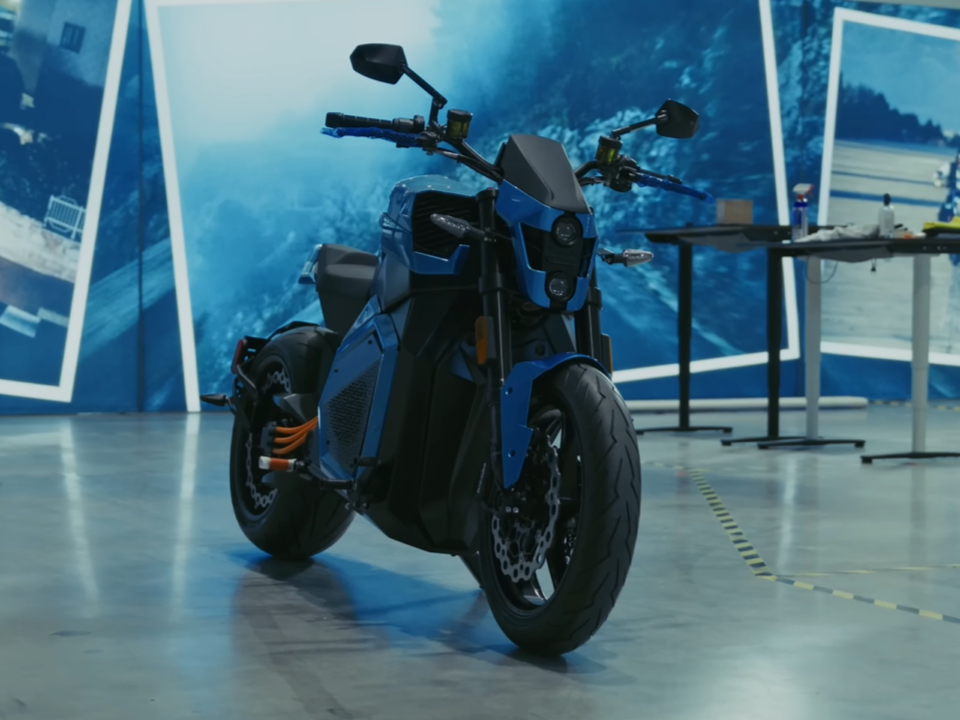
The Verge TS lineup is three flavors of the same bike. The base model is the Verge TS Pro, which has 137 HP and 737 lb-ft of torque (at the wheel) on deck from its Donut Motor 2.0. That’s good for a 3.5-second sprint to 60 mph. Then there’s the TS Ultra, which has 201 HP and 885 lb-ft of torque (at the wheel). Then there’s the California Edition, which is a cosmetics package on the TS Pro.
The headlining feature of all of these motorcycles is, of course, the fact that they have the world’s first solid-state battery in a production vehicle. The standard range version of a Verge gets a 20.2 kWh pack, and the long-range version gets a 33.3 kWh pack. These batteries are good for up to 217 miles of range or 370 miles of range, respectively.
The Battery Claims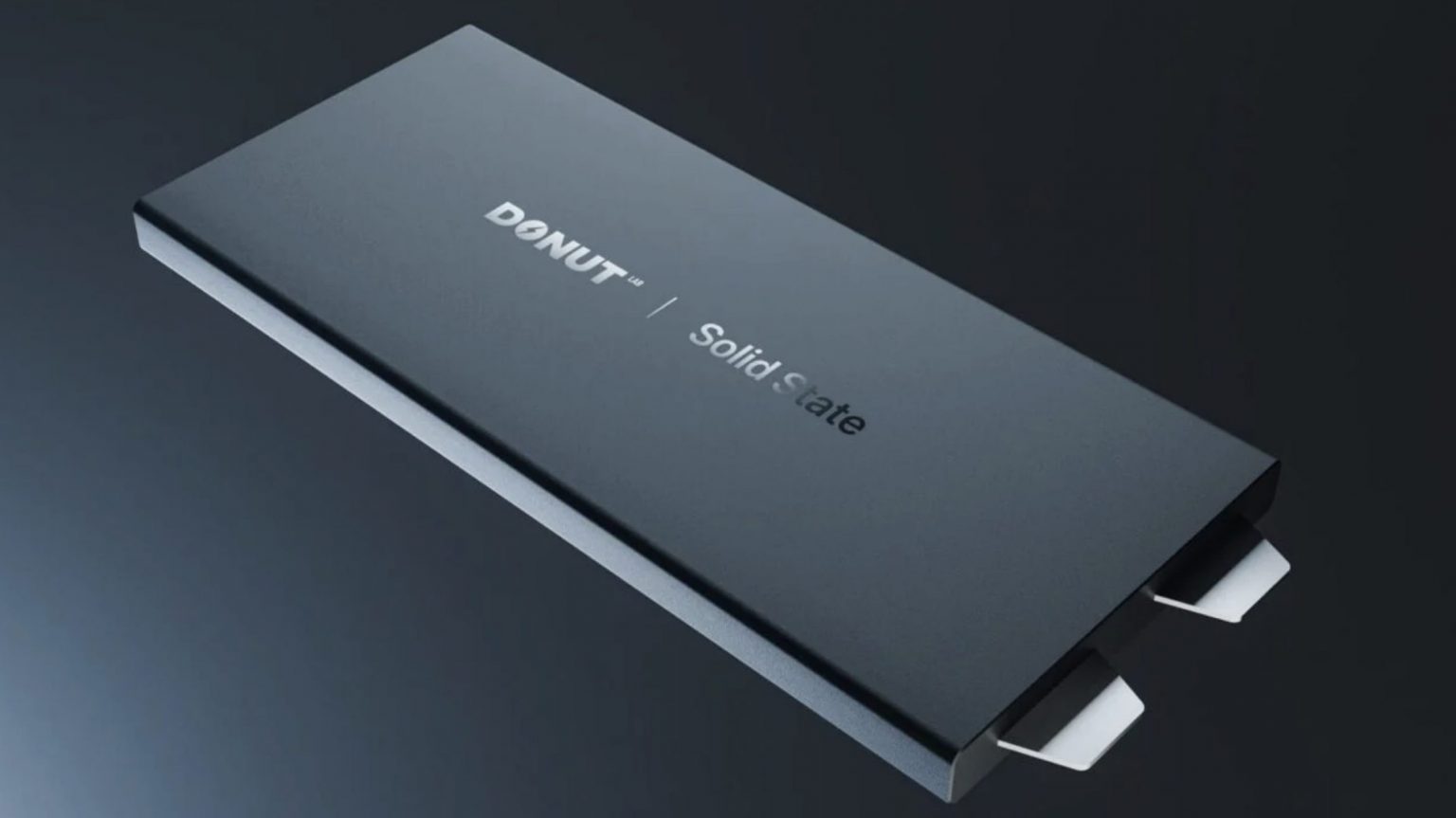 Donut Lab
This battery is the work of Donut Lab, which was founded in 2024 by the same people who built Verge Motorcycles. It’s currently run by CEO and co-founder Marko Lehtimäki. Verge Motorcycles says this motor, now called the “Donut Motor,” is technically a Donut Lab creation. But the battery is what everyone has been talking about lately. If you missed my previous coverage, here is what Donut Lab is claiming with the battery:
Lehtimäki claims his team has made a battery that can charge in only five minutes, will last more than 100,000 cycles with almost no degradation, is cheaper to make than lithium-ion batteries, delivers 400 Wh/kg, and is made out of 100 percent green materials. Simply put, Verge and Donut Lab claimed to have built the holy grail of batteries.
 VTT
VTT
Donut Lab claims that this battery is better than any other in that it retains 99 percent capacity in minus 30 Celsius and also when it’s above 100 Celsius, unlike lithium chemistry. Donut Lab also says you can run the battery to zero or charge it to 100 percent as many times as you want without hurting it. As for lifespan, Donut Lab says it’ll last the entire life of the vehicle, making the threat of having to replace a worn battery a thing of the past. The company then talks about these cells not having thermal runaway problems, weighing less than lithium batteries, and, somehow, even costing less to make than lithium batteries.
As if all that wasn’t unbelievable enough, Donut Lab then claims, “In fact, we found ourselves designing a slower charging speed so riders can plug in and actually have time to drink a latte and enjoy it instead of downing an espresso and rushing back to their bike.” Weirdly, Verge also says that its version of the Donut Battery will last for 10,000 cycles rather than 100,000.
When Donut Lab announced the battery in January, Donut Lab was accused of peddling a scam. Even executives at major battery firms cast doubt that this company that came out of nowhere two years ago had somehow leapfrogged massive corporations and research organizations in creating the holy grail of EV batteries.
The Donut Battery Saga Continues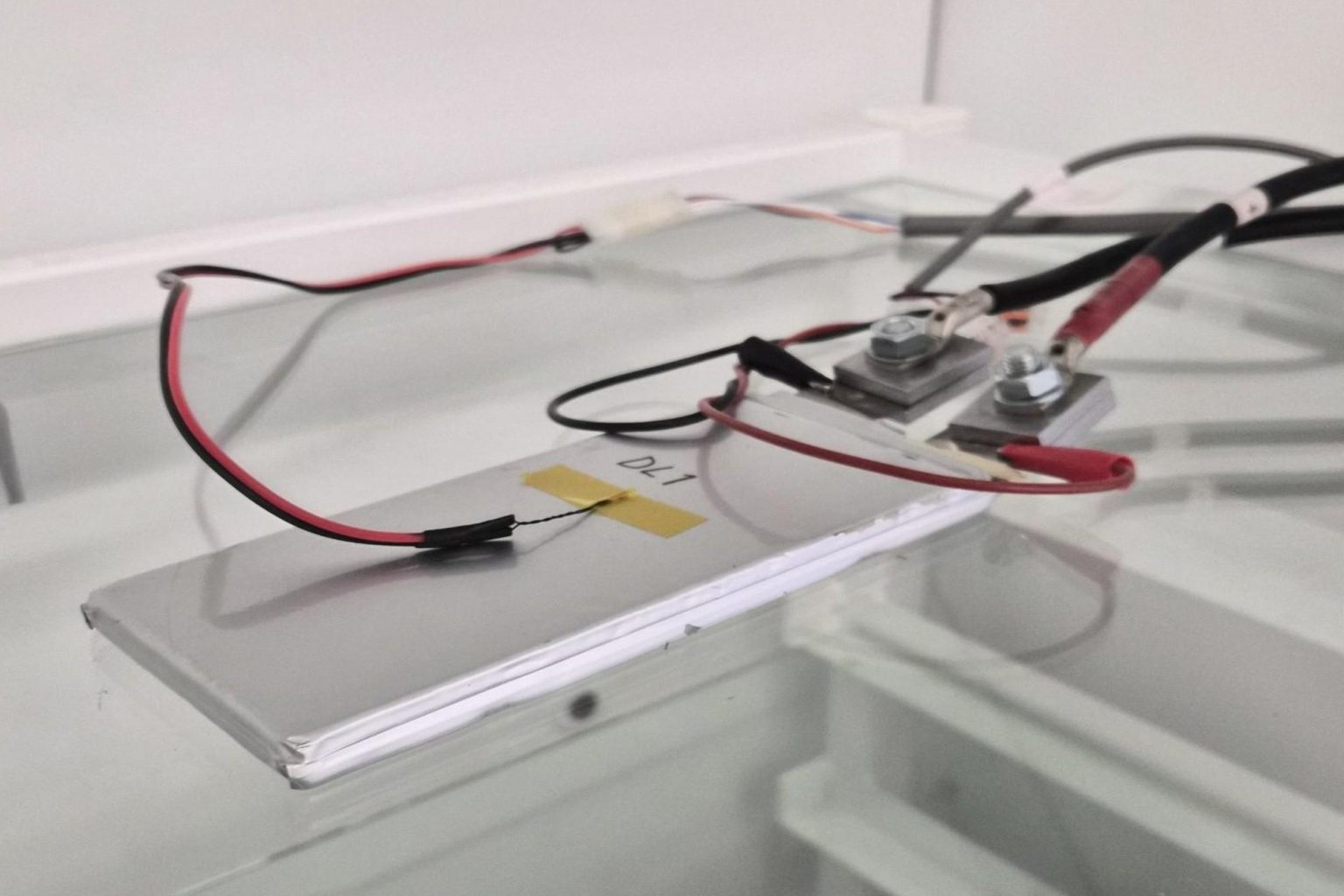 VTT
VTT
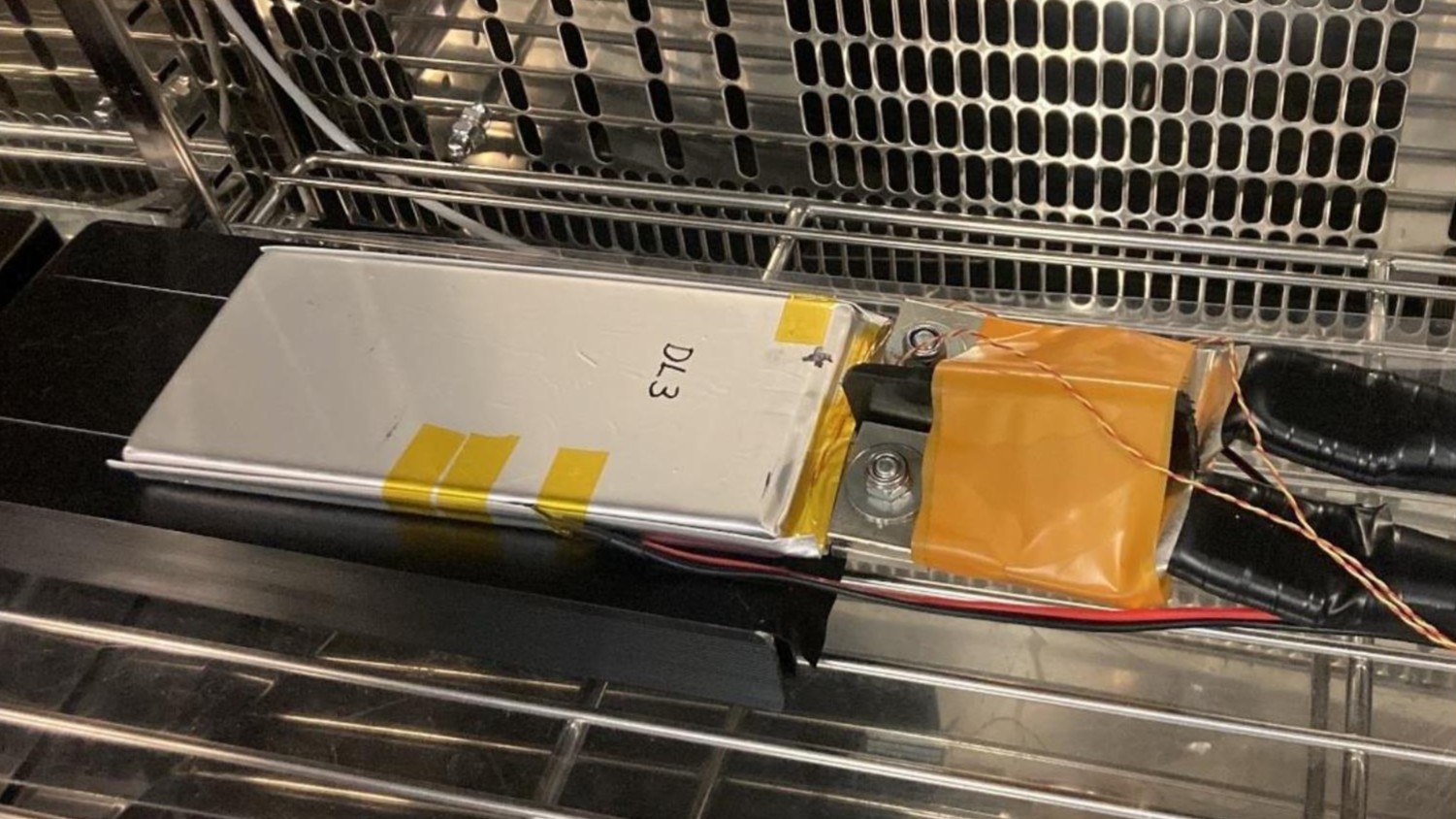
So, to prove its claims, Donut Lab sent cell samples of the Donut Battery V1 to the state-run VTT Technical Research Centre of Finland for third-party verification. In its first test, VTT confirmed that the battery’s cells can charge in about five minutes. In the second test, VTT suggested that, so long as there’s adequate heat sinks, active cooling is not necessary. The third set of tests demonstrated that the Donut Lab battery has a self-discharge rate that’s similar to a real battery and not a super capacitor.
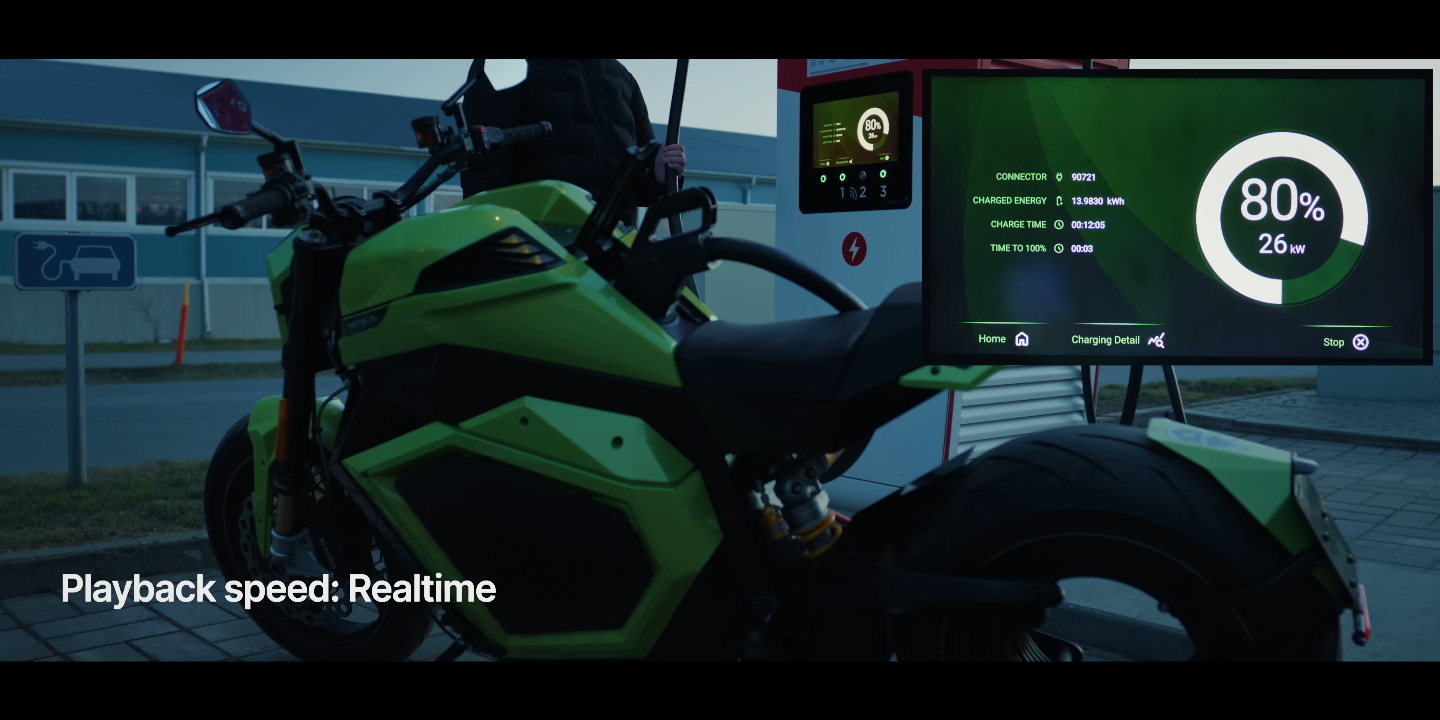
The fourth test, a charging speed test, was done by Donut Lab, not VTT, and it was the first test of a complete battery, not just cells. What’s interesting about this test is that the battery charged from 10 percent to 70 percent in nine minutes and seven seconds. It then hit 80 percent in 12 minutes and three seconds.
 Donut Lab
Donut Lab said that the battery could charge in just five minutes, but they intentionally throttled charging speed to take 10 minutes so you could drink a coffee while your bike charges. I always thought this claim was silly. When I ride a motorcycle, I often just want to get gas and get back on the road. If I want to use the bathroom or get a snack, I fill up the bike and then park it in a parking space.
Why not have a user switchable charging speed option if you care about coffee so much? Regardless, per Donut Lab’s own testing, it could take longer than 10 minutes if you want more than a 70 percent charge.
If you want to read more of my coverage on these topics, click here, here, here, and here.
The Battery Didn’t Blow Up When Abused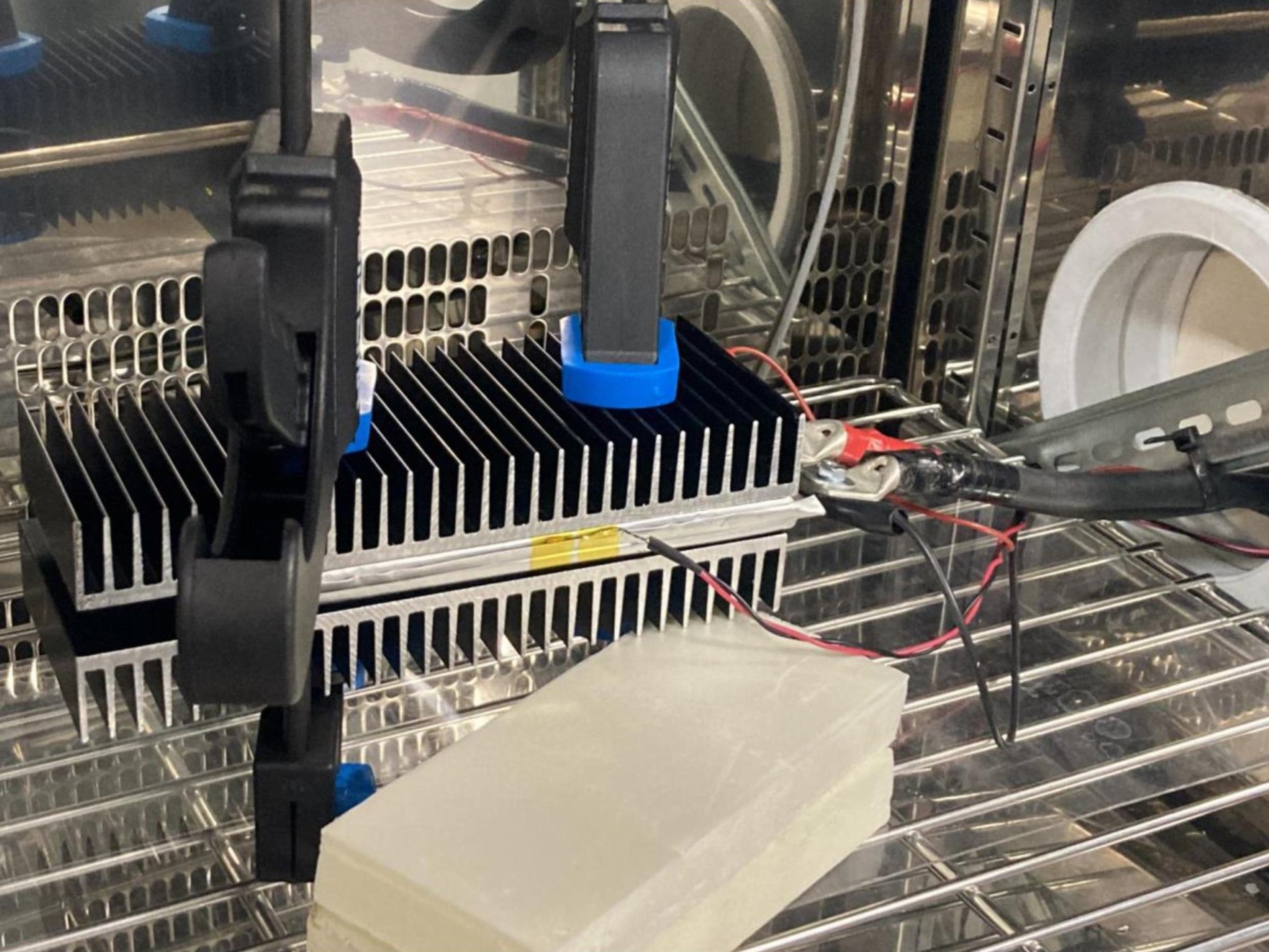 The battery on VTT’s testing rig. Credit: VTT
I skipped last week’s test, which I didn’t think warranted a whole article. In test five (the fourth VTT test), the battery pouch that was damaged during the VTT temperature test was forced to undergo five 1C charge cycles and 50 fast-charge cycles at 5C rates at 77 degrees. The battery did not experience a thermal runaway. Instead, performance decreased until the battery failed. From VTT:
This project included independent cycling testing of an energy storage device supplied by the customer, which the customer identified as a solid-state battery cell. The test was conducted for cell DL2 that had lost its vacuum during a previous high-temperature test conducted at 100 °C. The cell was subjected to a 5C cycling test consisting of 50 cycles between 0–90 % state of charge (SOC), using the maximum voltage range specified for the cell (2.7–4.3 V). A reference performance test consisting of five cycles at 1C using the recommended voltage range (2.7– 4.15 V) was conducted before and after the 5C cycling test.
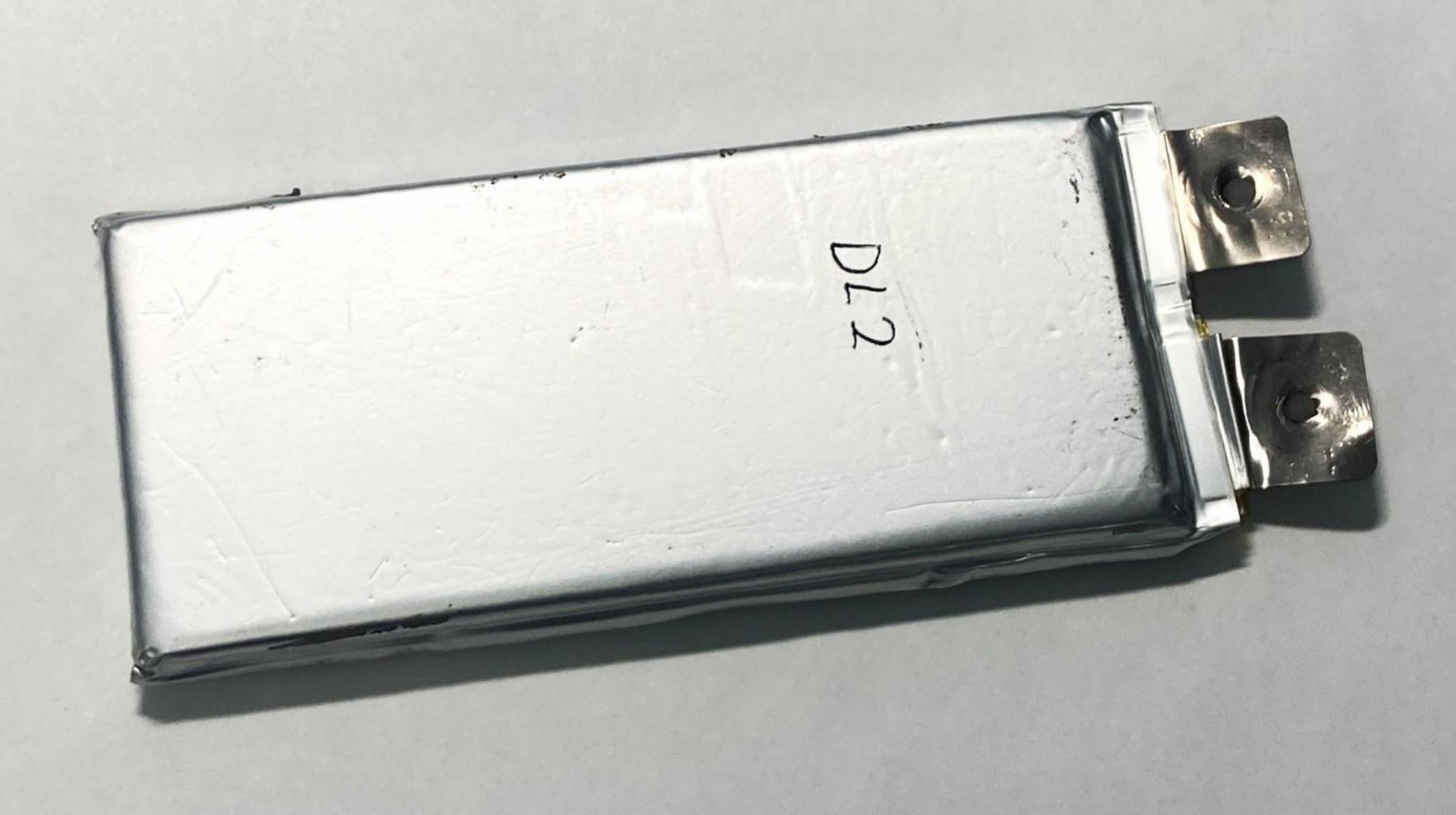 The puffed-up battery after the test. Credit: VTT
The initial reference performance test yielded an average 1C discharge capacity of 24.689 Ah, based on five consecutive 1C cycles. After six cycles at 5C, the discharge capacity began to decrease rapidly and continued to do so for approximately 15 cycles, after which the rate of capacity degradation slowed, and the capacity stabilized. The average 1C discharge capacity measured during the reference performance test after 50 cycles at 5C was 11.194 Ah, corresponding to a 54.66 % reduction compared to the initial capacity. The average energy efficiency during the 1C cycles, calculated from the reference performance test data, decreased from an initial value of 89.6 % to 83.0 %. After completion of the test, the cell thickness had increased by 17 %, and the cell pouch was firm.
While the sample size for this test was tiny, the lack of a thermal runaway is a good thing. I would love to see what happens when the entire battery pack is subjected to the same tests after being damaged.
Donut Lab Slows Down The Drip-Feed Of Proof
This week, there isn’t a test at all. Instead, Marko Lehtimäki filmed a 20-minute interview (embedded above, click here if you can’t see it) where he laced in some admittedly funny April Fools humor with what seems to be actual statements. He says that the bikes to be delivered later this year will have the Donut Battery V2 in them. Since VTT is testing the specs of the Donut Battery V1, Lehtimäki says, Donut Lab will have a second season of its “I Donut Believe” series to prove the specs of V2.
I think Lehtimäki’s getting a bit ahead of himself here since Donut Lab still hasn’t demonstrated Donut Battery V1’s claimed 400 Wh/kg battery density, 100,000 charge cycles (or even 10,000 cycles) with minimal degradation, that the battery is cheaper to make than a lithium battery, or what the battery is even made of.
Even weirder, Donut Lab has now adjusted the testing release schedule to once every two weeks. But hey, at least Donut Lab now has a merch store, where you can purchase a T-shirt for $70, a trucker hat for $70, or a hoodie for $142.
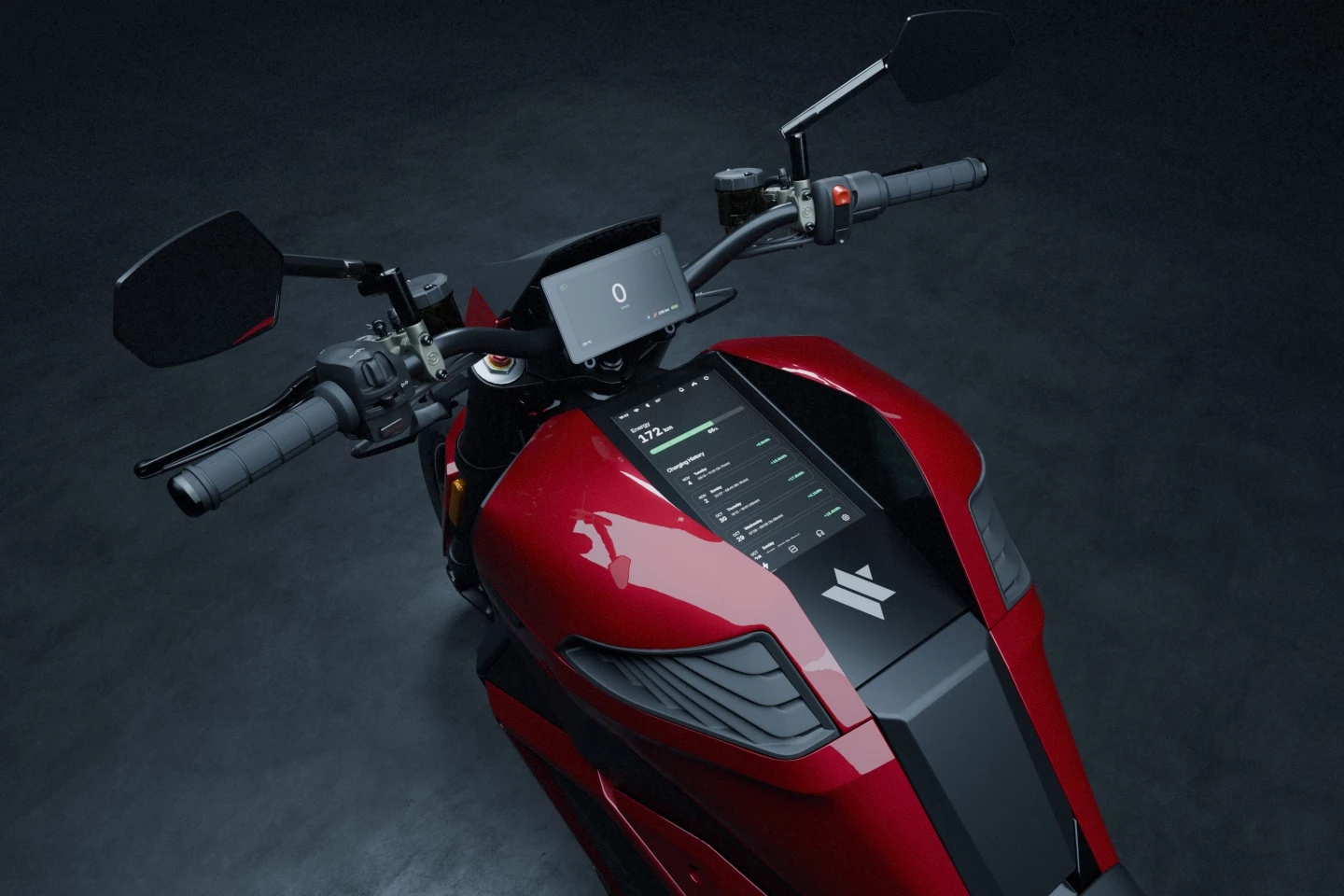 Verge Motorcycles
As I’ve said before, Donut Lab, Verge Motorcycles, and Marko Lehtimäki are staking their futures and reputations on this. The Donut Lab battery could go down in history as one of the greatest inventions and most clever pieces of marketing of all time. Or, maybe Theranos, the Fyre Festival, the Nikola Corporation, and Enron will have a new friend. I suppose a third option could be that the battery is real, but doesn’t really live up to the marketing. That’s what happened with the Sondors MetaCycle, after all.
If you’re sold and want to get the first production vehicle with a solid-state battery, the Verge TS Pro starts at $29,900. Add $5,000 to that price if you want the long-range version. The TS Ultra is $44,900. Only early pre-orders are getting built right now. If you buy a solid-state Verge now, Donut Lab and Verge say you’ll have to wait until the end of this year for those to begin shipping.
This whole saga has taken me on a rollercoaster. I love electric motorcycles, I really do. One of my favorite riding experiences remains the 2023 Zero DSR/X. So I desperately want the Donut Lab battery to be as much of a game-changer as it’s advertised to be. I love a good underdog story, too, and beating mega corporations to the punch would definitely qualify. But Donut Lab’s marketing strategy is making it really hard to get excited and not pissed off. Well, I guess I’m just going to have to wait two more weeks to see what Donut Lab wants to say next.
Top graphic image: Verge Motorcycles