A central element of the project is a new system architecture designed to remove the need for a conventional low-voltage battery in electric vehicles. This refers to the standard 12-volt battery, which is also used in internal combustion engine vehicles and has so far remained a fixed component in EVs. It supplies the on-board electrical system and powers functions such as lighting, windscreen wipers, infotainment and central locking. At the same time, the 12-volt battery is considered a critical weak point, as a failure can render the entire vehicle inoperative.
The REDSEL project proposes replacing the conventional low-voltage battery by utilising the high-voltage system in electric vehicles. Specifically, the concept relies on two high-voltage batteries taking over the functions typically handled by the 12-volt unit. The approach is based on a redundant system architecture with active balancing between both batteries, enabling even load distribution and increasing operational safety.
In addition, the project includes the development of a multi-input power electronics converter, designed to be compact, efficient and space-saving, supporting the integration of the new system architecture.
“The technologies we’ve developed lay the groundwork for lighter and more robust vehicle electrical systems, thereby making a significant contribution to the advancement of electric mobility—all the way to future autonomous applications,” explained Albert Frank, project leader at Silicon Austria Labs.
The project utilised modern semiconductor solutions from Infineon, including 750 V silicon carbide MOSFETs (CoolSiC) for the high-voltage range and OptiMOS-7 components with 30 V for the low-voltage range. Additionally, a new safety architecture for switching functions was developed, replacing mechanical relays with semiconductor switches. This is expected to improve the system’s reliability and operational safety while simultaneously reducing space requirements and weight.
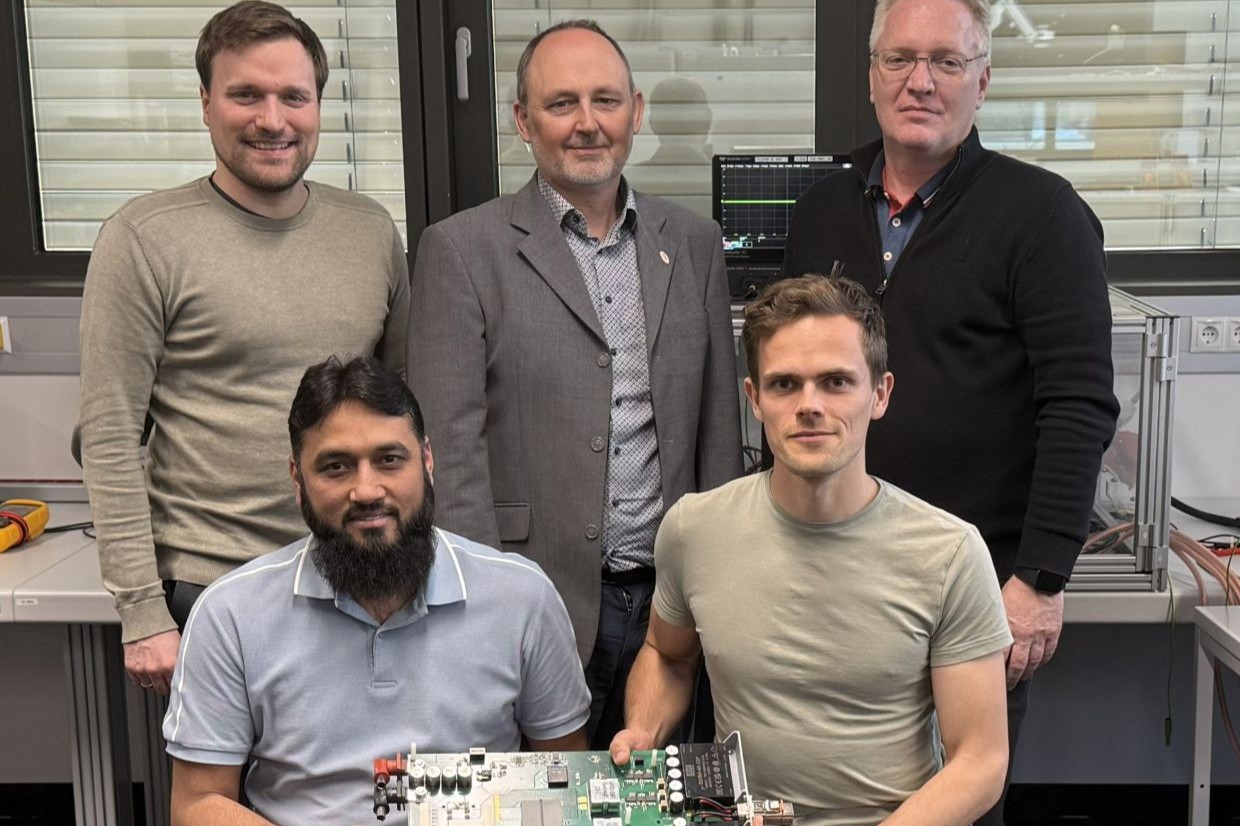
“REDSEL is an excellent example of how new, innovative system solutions can emerge through collaboration between academic and industrial partners. The system demonstrator developed for the project impressively demonstrates how new vehicle electrical architecture can be implemented more safely and scalable in the future,” said Ernst Katzmaier, project leader at Infineon Technologies Austria.