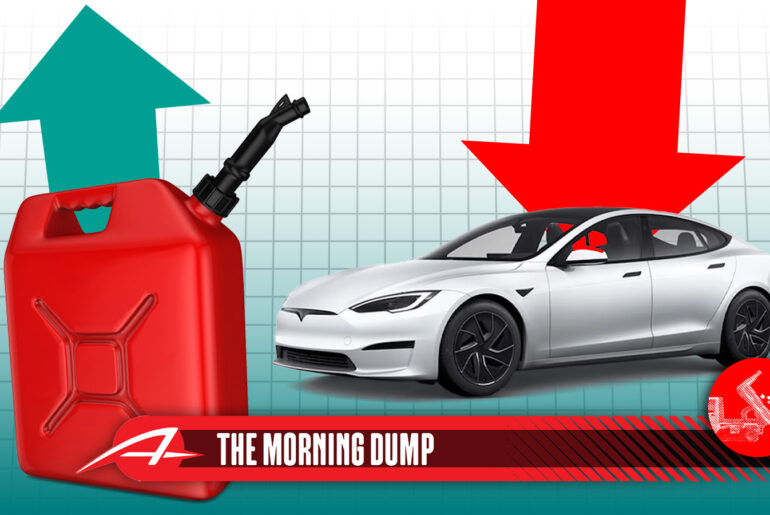
Gas prices have skyrocketed in the weeks following the U.S. and Israeli strikes on Iran.
The national average price for a gallon of regular gas was $3.98 on March 25, according to AAA, a dollar more than the $2.97 on February 25, before the war began. This upward trend, and uncertainty as to when prices could fall, may push new-car buyers toward electric vehicles instead of gas-powered models.
But switching to electric isn’t just about the type of car you buy — the cost of your insurance will change, too. Electric cars are typically more expensive to insure, so to get a good deal that can offset some pain at the pump, it’s important to shop around for the best rate.
Here’s what you need to know about insuring an electric vehicle.
Talk to us
We want to hear your story. Do you have a financial success, goal or stressor you’re comfortable sharing with a reporter? Please fill out this quick form.
Shop for the best car insurance
Insurance for electric carsWhat kind of car insurance do you need for an electric car?
Electric cars don’t require any special type of car insurance — you can get the same policy you would for a regular gas-powered vehicle.
Your car insurance should consist of liability coverage equal to or greater than your state minimum, as well as any other coverages required in your state, like personal injury protection (PIP).
If you want your car insurance to help cover the cost of repairing or replacing your vehicle after an incident, adding comprehensive and/or collision coverage will be essential. If you’re leasing or have a loan on your car, these two coverages are typically required as a term of your agreement.
How much does electric car insurance cost?
EV drivers pay 49% more for insurance than drivers of gas-only vehicles, according to data from comparison shopping site Insurify published last year. The average cost to insure an EV was $4,058 per year, while a gas-powered vehicle cost $2,732. That price difference is due to the higher sticker prices and repair costs of electric cars.
“When [electric vehicles] were newer, there were fewer repair shops [that could handle them],” Janet Ruiz, director of strategic communications at the Insurance Information Institute, previously told CNBC Select in 2023. “The batteries alone were quite a bit more expensive.”
As electric cars have become more ubiquitous, Ruiz added, “we’re seeing insurance for electric cars come closer to those for gas-powered cars.”
And, the exact model of your electric car can cause large variations in premiums: Insurance for a Chevrolet Bolt costs an average of $1,717 a year, while a Tesla Model X would cost $2,427 for the same coverage, according to data from insurance comparison site The Zebra.
How to save on electric car insurance
Electric vehicle drivers can use the same tactics as any other driver to lower their rates, including:
Bundle home and auto insurance
Most insurers offer a discount for bundling your auto insurance with your home or renters insurance.
Increase your deductible
Your deductible is the amount you pay out of pocket before your carrier covers anything. Generally, the higher your deductible, the lower your premium. If you have a clean driving record with no accidents, you may want to think about increasing your deductible. Consider your financial situation first, since you’ll have to shell out more if you’re involved in an accident.
Improve your credit
In all but four states (California, Hawaii, Massachusetts and Michigan), auto insurance companies use credit scores to help determine rates. Drivers with what’s considered poor credit (a FICO score below 579) pay an average of 105% more for full coverage than those with excellent credit (a FICO score of 800 or above), according to data from Bankrate. Taking steps to improve your credit score can lower your bill.
FAQs
Are electric cars more expensive to insure?
EVs can be more expensive to insure because of their higher price tags. Parts can also be harder to get, making repairs more costly.
Does car insurance cover EV battery replacement?
Your policy will cover replacing or repairing an EV battery if it’s damaged in an accident or another event covered by your insurance.
Do I need special car insurance for my electric car?
The policies used to insure EVs are the same as those for gas-powered cars, so you don’t need different car insurance.
Subscribe to the CNBC Select Newsletter!
Money matters — so make the most of it. Get expert tips, strategies, news and everything else you need to maximize your money, right to your inbox. Sign up here.
At CNBC Select, we work with experts who have specialized knowledge and authority based on relevant training and/or experience. For this story, we interviewed Janet Ruiz, director of Strategic Communication for the Insurance Information Institute. She has 25 years of insurance industry experience and is based in the San Francisco area.
At CNBC Select, our mission is to provide our readers with high-quality service journalism and comprehensive consumer advice so they can make informed decisions with their money. Every car insurance review is based on rigorous reporting by our team of expert writers and editors with extensive knowledge of car insurance products. While CNBC Select earns a commission from affiliate partners on many offers and links, we create all our content without input from our commercial team or any outside third parties, and we pride ourselves on our journalistic standards and ethics.
Catch up on CNBC Select’s in-depth coverage of credit cards, banking and money, and follow us on TikTok, Facebook, Instagram and Twitter to stay up to date.
Editorial Note: Opinions, analyses, reviews or recommendations expressed in this article are those of the Select editorial staff’s alone, and have not been reviewed, approved or otherwise endorsed by any third party.