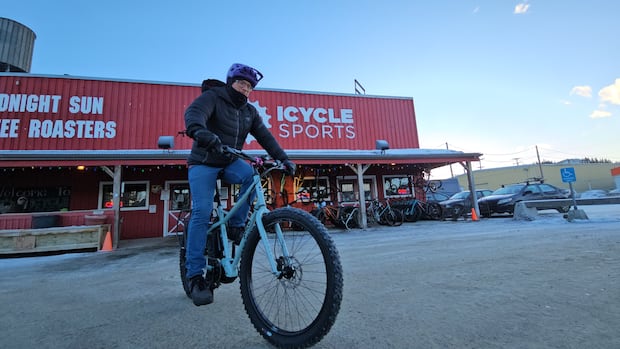
At Icycle Sports in Whitehorse, staff say it’s been hard to keep up with demand for e-bikes in recent days.
That’s because a Yukon government rebate program is about to end. The program offers rebates worth up to $750 for new electric bikes and $1,500 for electric cargo bikes.
Local retailers say they found out last week that the government would no longer accept applications for rebates on e-bikes purchased after March 31.
“It’s been a bit hectic,” said Devin Knopf, general manager of Icycle Sports.
“Normally, this time of year we’d be full skis on the floor, but since the rebate is ending, we’ve switched half the store over to bikes. There’s been times where we don’t have enough staff for all the people here.”
Along with the e-bike program, the government is also pulling the plug on rebates for electric vehicles (EVs) and EV chargers.
Energy, Mines and Resources Minister Ted Laking told the legislature on Monday that those programs served to “drive demand on the [energy] system,” and that the government wants to ensure there is enough electricity to heat homes.
The EV and e-bike rebate funding is now being shifted to what the government is calling the Dependable Grid Program, which includes incentives for homeowners to install propane, wood and oil-fired heating systems.
Dean Eyre, owner of Cadence Cycle in Whitehorse, is skeptical that removing the e-bike rebate will lessen demand on the territory’s energy grid.
“It’s just a very silly argument,” Eyre said. “The average draw that a bike charging pack takes is about two 100-watt lightbulbs, and it’s spread out over many hours. I think this is a short-sighted and kind of ideologically-driven decision.”
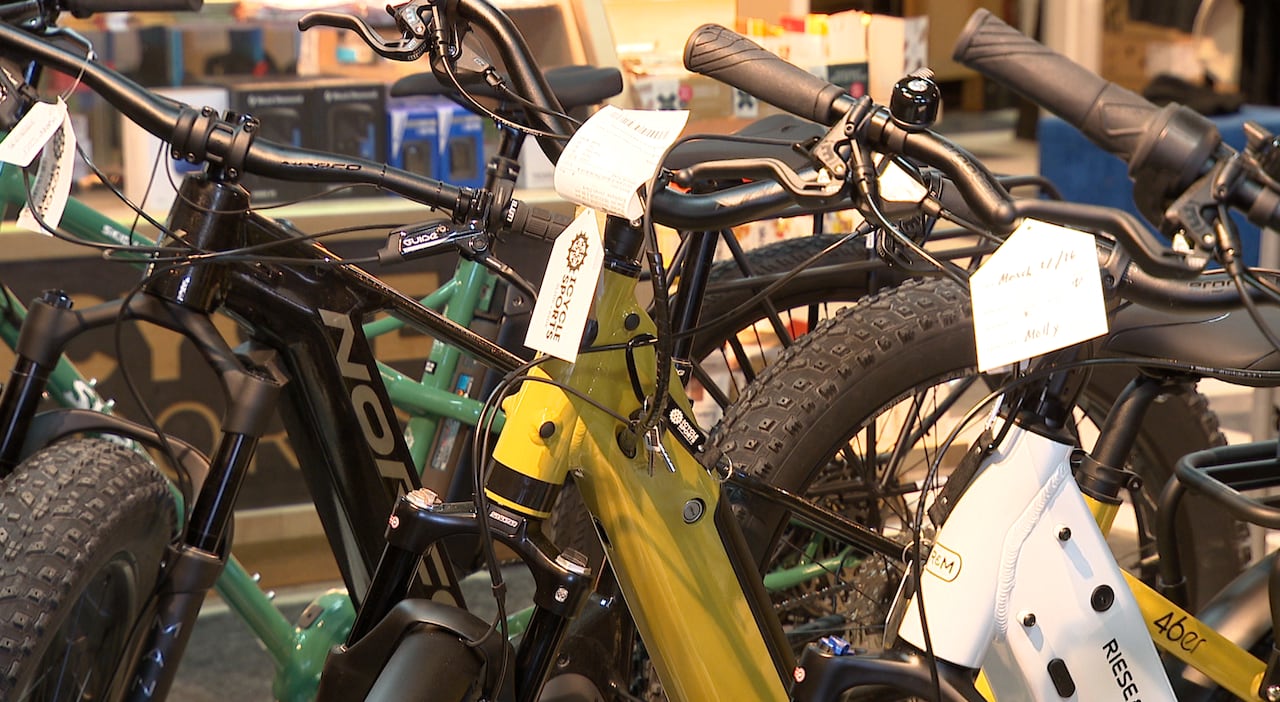 E-bikes on display on the sales floor of Icycle Sports. Retailers say business has been brisk since the government announced its rebate program was ending. (Peter Paul Pineda/CBC)
Speaking in the legislature, Yukon NDP Leader Kate White slammed the government for giving so little notice about scrapping the rebate programs, and “pulling the financial rug out from under local businesses.”
“With two business days of notice, they cancelled a substantial rebate program. Bike shops, car dealerships and others have ordered inventory with those rebates on the table – and now they’re gone,” White said.
But Icycle Sports owner Jonah Clark says he had been expecting it, since he noticed a couple of weeks ago that “a number” of government staff were coming in and purchasing e-bikes.
“So we figured that was a pretty good sign this was about to happen.”
E-bike shoppers rush to meet deadline
Staff at Icycle Sports say business has been steady as word has spread about the end of the rebate program.
Kat Secord was among those who hurried down to buy a bike while she could still be eligible for a rebate.
“I knew I wanted to buy a bike this spring, and with our weather, I was thinking I’d probably come down sometime in April,” she said. “But if they’re not renewing the e-bike rebate, I thought I better get down now.”
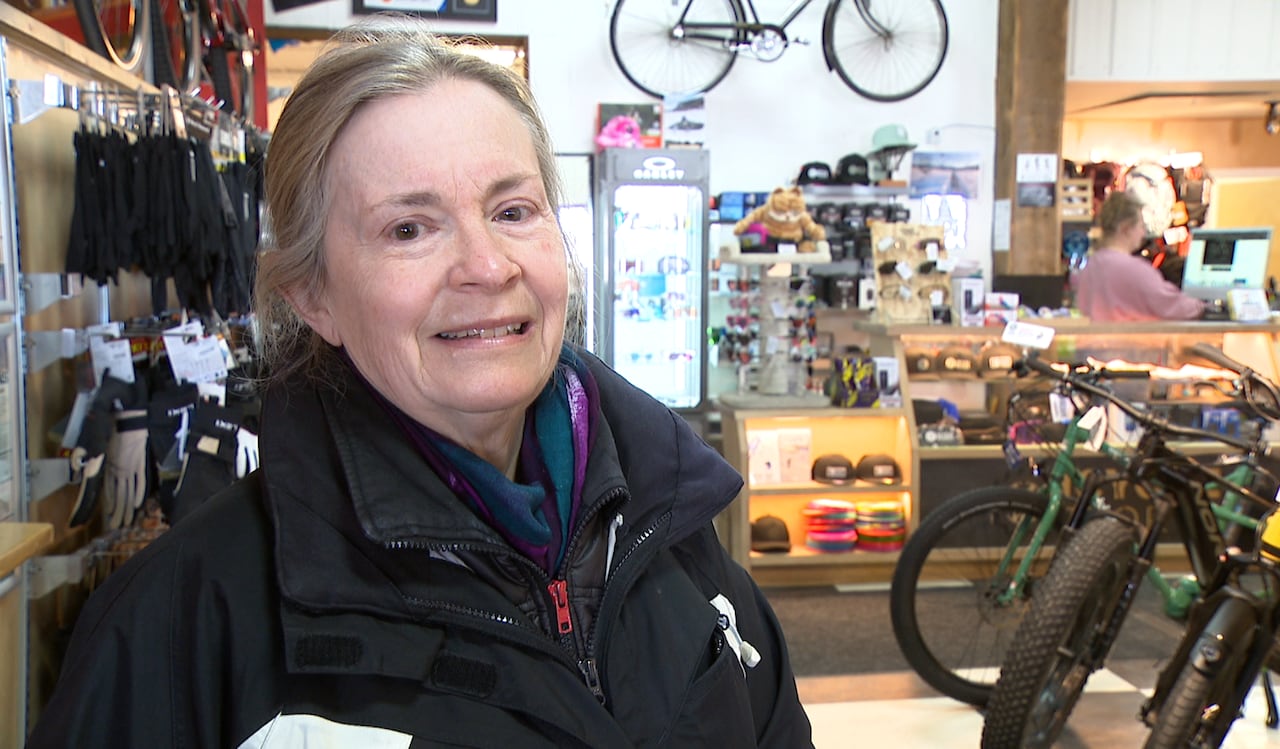 Kat Secord said she went to Icycle Sports with the intention to buy a bike as soon as she heard the rebate was ending. (Peter Paul Pineda/CBC)
Secord said that as she’s aged, she’s found it more difficult climb bigger hills on her bike, but she wants to stay active and not rely so much on her car. She said the rebate helps make electric bicycles more affordable, and she’s sad to see it go.
“I’m disappointed. I think it’s going to affect a lot of people, and businesses as well, because things are expensive these days. Even if you’re wanting a bike, you have to put that in the budget.”
Dave Knubley, another e-bike shopper, wasn’t sure how much the rebate drove demand for e-bikes.
“It might sway some people, but I think if someone’s gonna be putting a lot of money out into an e-bike, $750 probably isn’t gonna be a deciding factor,” he said.
“I think it’s more, do I spend $30,000 on a new car? Or $6,000 or $7,000 on an e-bike I can ride all year round with fat tires on it?”
‘Transformative,’ retailer says
The program was first launched in 2020 and by last spring more than 1,500 e-bike rebates had been issued. Most sales were in Whitehorse, where the territory’s only bike shops are located, though some also went to communities such as Dawson City, Beaver Creek and Old Crow.
Dean Eyre, at Cadence Cycle, said he believes the program encouraged many people to take a chance on a method of transportation they might not have otherwise considered, and helped reduce traffic congestion in Whitehorse’s downtown core.
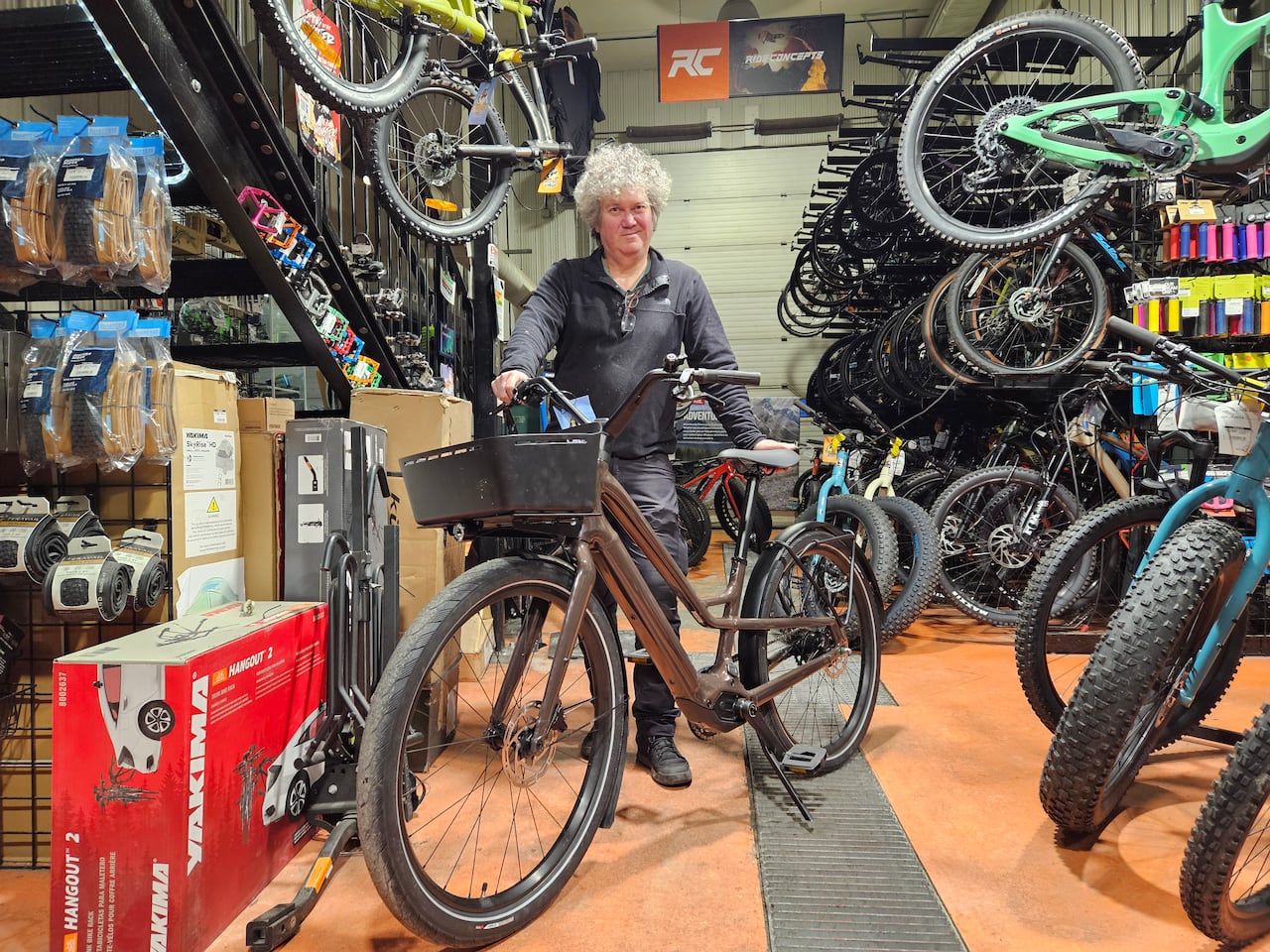 Dean Eyre of Cadence Cycle in Whitehorse calls the end of the rebate program ‘a short-sighted and kind of ideologically-driven decision.’ (Asad Chishti/CBC)
“I know for so many people, it’s been so transformative,” said Eyre. “It’s got them outside, it’s got them active, it’s got them doing something physical when they’d be sitting in their car waiting to get across the Riverdale bridge.”
Clark, at Icycle Sports, said the program wasn’t perfect, but he believes it did help get more cars off the road. He says his store sold “a ton” of e-bikes intended for personal transportation, “which is really what the spirit of the program intended.”
“And you see the difference every morning and afternoon when people are commuting in Whitehorse to work and school — the volume of bicycles and e-bikes … it’s astounding.”