Between controversial F1 regulations around hybrid technology and global discussions about high gas prices, the all-electric Formula E series has found itself with surging digital media interest and what it hopes will be fresh opportunities to appeal to consumers.
The FIA-sanctioned, 11-year-old property is preparing to switch to fourth-generation cars next year that will have the electric equivalent of 815 horsepower, its fastest vehicle yet. It wants to get more popular not only with fans of electric vehicles (EVs) and sustainability but also hardcore motorsports followers, some of whom have looked warily upon electric cars for years. Formula E held its sole U.S. race for ’26 in January at the Dolphins’ Miami International Autodrome track.
Formula E has been thrown into the news cycle this year by F1 champion driver Max Verstappen, who accused F1’s new regulations of being like “Formula E on steroids” because they mandate hybrid engines that are 50% powered by electric batteries, up from 20% in the last era. That has led to drivers racing more conservatively to harness their battery energy properly, which in turn has alarmed some drivers and fans.
Jeff Dodds, CEO of Formula E, told SBJ that the series has experienced a surge in interest on digital channels as a result. Dodds: “The weekend when Max talked about us, a load more people went online and viewed our videos and looked at our races and understood a bit more about the championship and … so far this year we’ve added I think over 50,000 new followers to our social following, so that’s all good for us. I also think what it’s good for is it’s raising the awareness of electrification for a lot of these people in racing.”
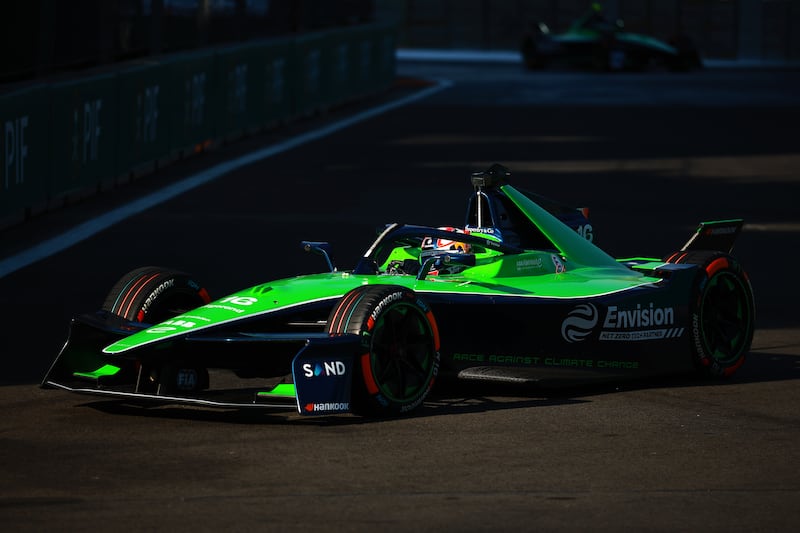 Sebastien Buemi of Switzerland driving the Envision Racing Jaguar I-TYPE 7 on track during Mexico City E-Prix in January Hector Vivas/LAT Images
HIGH WATTAGE: While he runs Formula E, Dodds counts himself as a lifelong fan of F1 and says he takes a rising-tides mindset in that he thinks a strong F1 is good for everybody in motorsports. Dodds was hesitant to be drawn on declaring that F1’s regulations were a mistake, noting that the series is only a few races into the new season.
One of the chief reasons F1 changed its regulations was to keep up with the global automotive industry, which is increasingly selling hybrid and electric cars. For example in an interview with Bloomberg, Ford CEO Jim Farley listed several technological learnings that the carmaker has already identified from getting back into F1 this season that it can transfer to its road cars related to hybrid cars and EVs.
Oher entities in racing, including teams and series, have poked fun at F1’s issues in social media posts, but Dodds said “it’s way too soon to be being too critical. I think we’ve got to let it settle and they will be learning from these races and making tweaks and changes.”
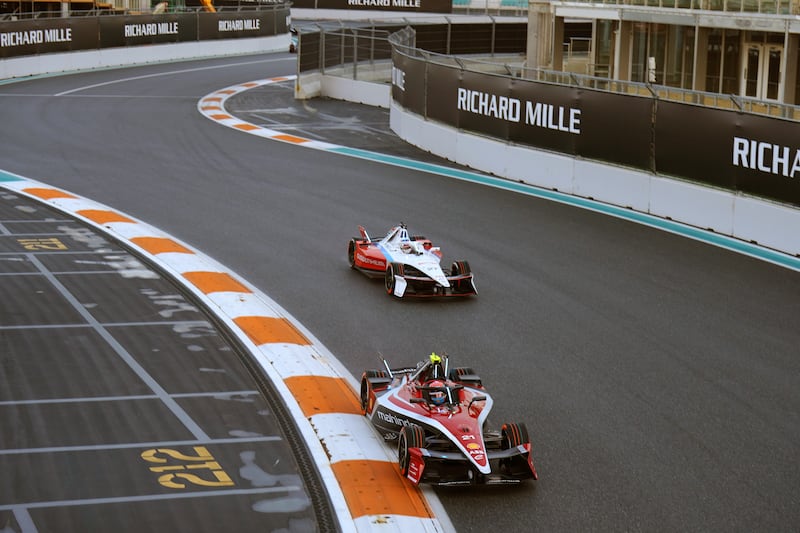 Dodds was hesitant to be drawn on declaring that F1’s new regulations were a mistake, noting that the series is only a few races into the new season Malcolm Griffiths/LAT Images for Formula E
OIL EFFECTS: With the energy shock taking place due to the Iran war, reports are emerging about spikes in interest in searches for EVs on car dealer websites. Asked if the crisis could have the unintended consequence of making people more interested in EV racing as well, Dodds said that the volatility of the oil markets is a major reason people benefit from driving an EV. He said growth forecasts for EVs are “maybe fractionalliy slower than people had once thought” but still estimate that between 35 and 45 million EVs will have been sold by 2030. “We don’t have to capitalize on the very challenging global situation,” he said. ”It’s just a reality of the world we live in.”