FIM Europe, together with FEMA and the NMC (UK), has published its Position Paper 2026: a comprehensive document addressing the future of powered two-wheelers across a wide range of policy areas. One section stands out for us here at THE PACK, and it’s the one dedicated to the electrification of powered two-wheelers.
At THE PACK, we have been covering the electric motorcycle news since 2017, the breakthroughs, the challenges, the riders, and the road ahead. So when FIM Europe, FEMA and the NMC (UK) publish a Position Paper that genuinely gets it, we take notice. And we celebrate it. The electrification section of the 2026 Position Paper does exactly what the industry has needed for a long time: it takes electric motorcycles seriously, on their own terms.
At THE PACK, we will be watching closely as these recommendations move from paper to policy. And we will be here, as always, to keep you informed every step of the way.
Here below is the full text, concerning electric mobility on 2 wheels. The full Position Paper can be downloaded in PDF > or click on the cover:
FEMA – FIM Europe – NMC | position paper 2026
ELECTRIFICATION OF POWERED TWO-WHEELERS
Electrification is becoming an essential pathway for reducing emissions in urban and inter-urban mobility. However, PTWs face unique constraints differing from cars: limited space for battery capacity, strict weight and balance requirements, and a highly diverse riding culture (e.g. urban scooters to touring motorcycles). Electrification must therefore respect technical viability, rider safety, affordability and accessibility for users who may not have home-charging options. Multiple technological paths – including fixed and swappable batteries – should
remain available.
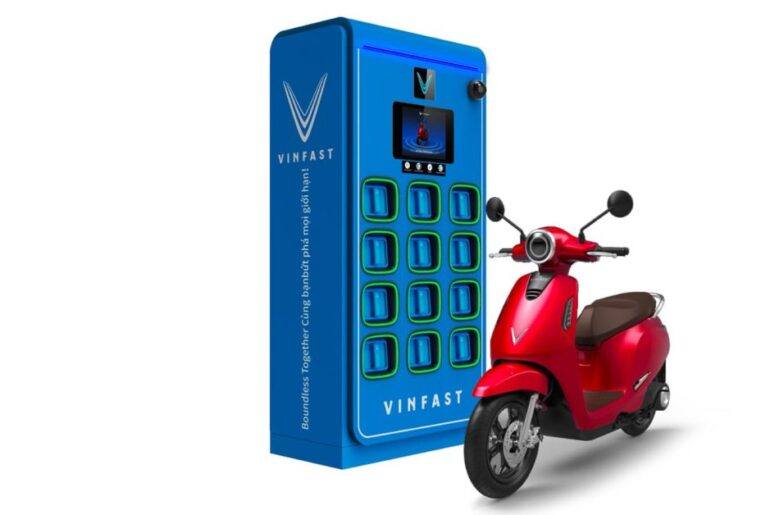
Electric PTWs must deliver safe and predictable handling despite added battery weight. Smaller urban PTWs are well-suited to removable or swappable battery packs, while larger motorcycles may benefit from fixed-battery architecture in the near term. Manufacturers should optimise models specifically for electric powertrains rather than adapting ICE platforms. To ensure customer confidence, swappable systems must be standardised in terms of battery geometry, electrical interfaces, safety protocols and communication interfaces. Interoperability across brands is essential for a viable and widely available swap-station network.
Requirements and considerations
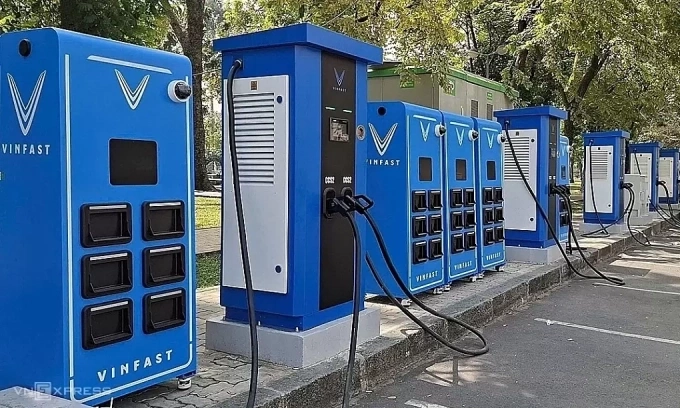
Cities and regions should plan for dual infrastructure: public and semi-public charging for fixed-battery motorcycles and strategically located swap stations for urban and commuter PTWs.
Swap-station operators must ensure robust safety standards, battery traceability, fire-risk mitigation, and integration with renewable energy and second-life applications.
Payment systems should be interoperable and simple, and should also be useable without a specific app.
Electric PTWs have lower operational emissions, but lifecycle sustainability requires responsible battery sourcing, modular design, reuse and recycling.
Swappable systems can extend battery lifespan through graded-use strategies and easier end-of-life management.
Policy & regulatory recommendations
Maintain a technology-neutral approach allowing both fixed and swappable batteries.
Support battery standardisation frameworks at European and international levels.
Provide incentives for PTW electrification, including infrastructure deployment.
Create regulatory clarity on battery-swap safety, certification, charging infrastructure and access to repair/diagnostic data.
Integrate PTWs into broader urban mobility strategies, recognising their low space and energy footprint.
To promote the use of electric motorcycles, authorities should consider free charging.
Note of THE PACK – Guy Salens:
I am particularly thrilled to see battery swapping standardisation placed front and centre. FIM Europe’s call for standardised battery geometry, electrical interfaces, safety protocols and communication interfaces, combined with genuine interoperability across brands, is precisely the direction the industry must take. A fragmented swap ecosystem serves no one.
We urge every manufacturer, every swap-station operator, and every policymaker reading this to treat battery standardisation not as a regulatory burden but as the single greatest unlock for mass EV adoption on two wheels.
Infrastructure, incentives and the road ahead
The recommendation for dual infrastructure, public charging for fixed-battery motorcycles alongside strategically located swap stations, is pragmatic and forward-thinking. So is the call for payment systems that work without a dedicated app. Small detail, huge impact for real-world usability.
And yes, the suggestion that authorities consider free charging for electric motorcycles deserves to be heard loudly. PTWs already ease urban congestion and reduce space pressure. Rewarding riders who make the electric switch with frictionless, cost-free charging (for a specicific period?) is smart urban policy.