A popular electric vehicle subscription service has passed a sales milestone in Australia and sold out of second-hand models as motorists race to adopt the technology amid fuel shortages.
Origin Energy revealed on Tuesday its electric vehicle subscription service had surpassed 2000 models, and traffic to its website doubled in March, fuelled by fresh interest.
But while the company said the fuel crisis could be a turning point for electric car adoption, it warned removing tax exemptions or adding charges to the vehicles could slow progress.
The news comes as the federal government reviews the Electric Car Tax Discount and considers a road user charge in the federal budget, and after Pickles revealed enquiries about electric vehicles had more than doubled in the first three weeks of March.
The electricity retailer launched its electric car subscription service in March 2023, partnering with employers including Australian Super and AON to offer vehicles through salary sacrificing packages with a monthly commitment.
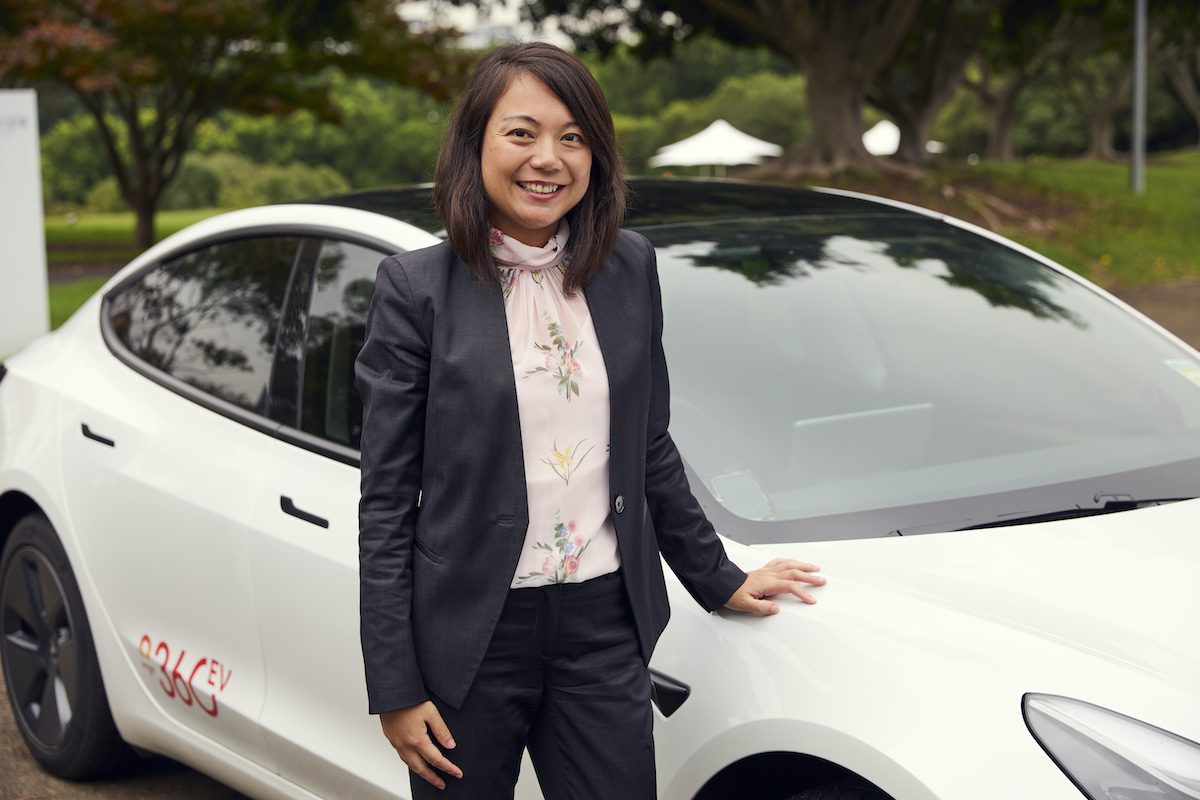
The service was designed to win over motorists curious about the benefits of driving an electric car, Origin e-mobility general manager Chau Le said, and the number of those drivers had skyrocketed in the past month.
“Our pre-loved EVs, we’ve got none left,” she said.
“Demand for EVs has really picked up in response to this fuel security, high fuel price situation.”
Traffic to the service’s website had doubled in March, Ms Le said, and the fuel crisis could prove to be a catalyst for mass market adoption of electric vehicles.
But the federal government should leave the current fringe benefits tax exemption for the low-emission vehicles, she warned, to avoid stalling the trend.
“(The fuel crisis) has put a spotlight on EVs in a positive way,” she told AAP.
“The conversations have really highlighted how EVs can provide fuel security for everyday Australians as well as Australia, and highlighted the cost savings.”
Victorian driver Patrick Eckel took out an electric vehicle subscription two years ago, choosing a Tesla Model 3 for his 140km commute between the Macedon Ranges and Melbourne.
His family were unsure whether an electric vehicle would suit their long journeys or require a dedicated charger, but were now using it more often than their second diesel vehicle.
“We had an ageing car that kept needing more servicing and we were at the cusp of do we go for internal combustion or do we give EV a go?” he said.
“If we look at the costs of running the Tesla, it’s markedly less than a diesel car.”
Electric cars represented 11.8 per cent of new car sales in February, according to the Federal Chamber of Automotive Industries and Electric Vehicle Council.
AAP