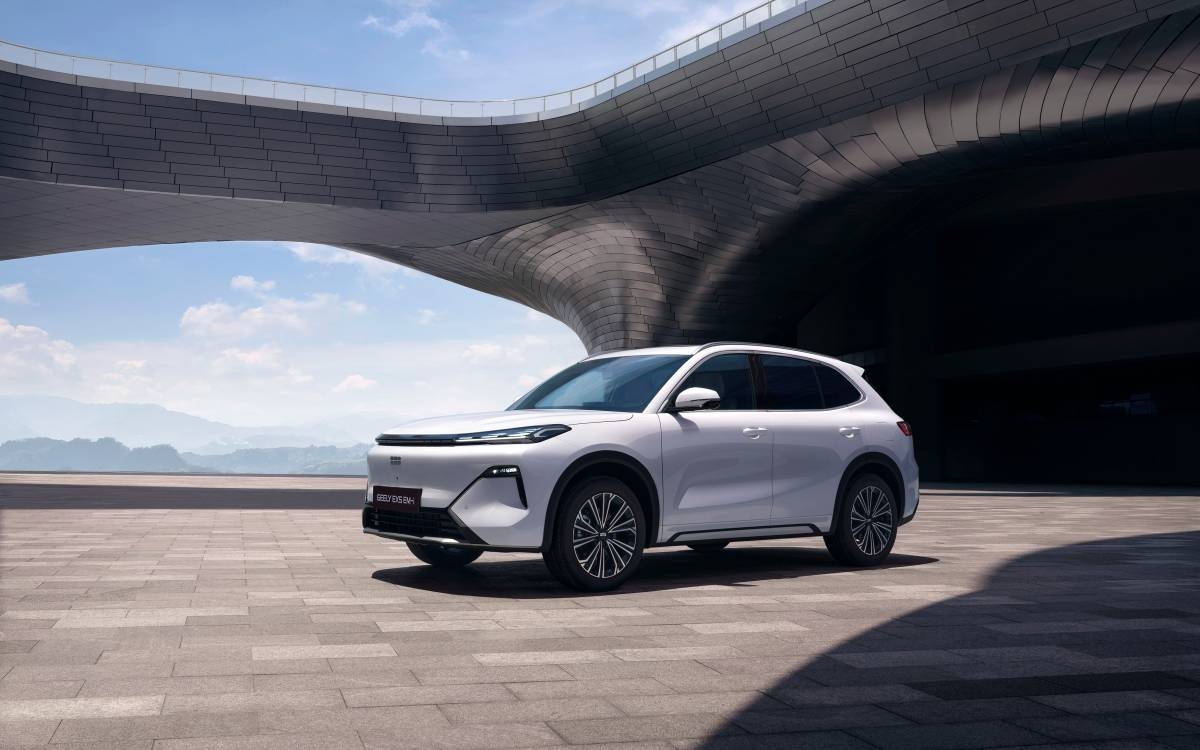
GEELY Philippines is adding another layer to its electrification strategy with the launch of the EX5 EM-i, a plug-in hybrid SUV that sits alongside the brand’s all-electric EX5.
Built on Geely’s Global Intelligent Electric Architecture (GEA), the EX5 EM-i is designed to handle multiple powertrain types from the ground up — electric, hybrid, and range-extender — rather than adapting a traditional combustion platform. That flexibility is becoming increasingly relevant as markets like the Philippines continue to sit somewhere between full electrification and fuel dependence.

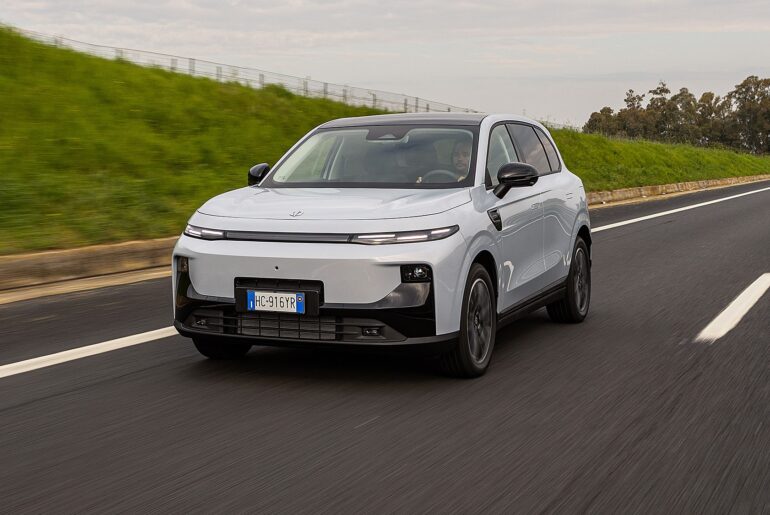
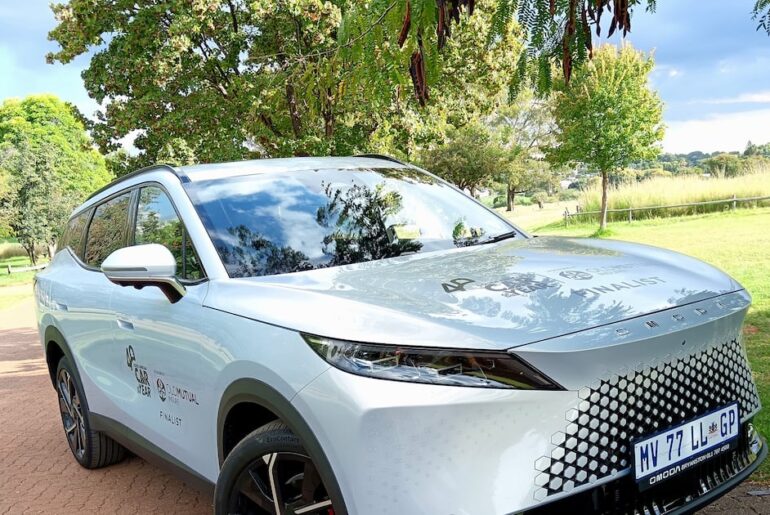
The EX5 EM-I combines a 1.5-liter engine with an electric motor for improved efficiency and extended range. n The Geely EX5 EM-I plug-in hybrid SUV enters the Philippine market, bridging the gap between EVs and traditional combustion. GEELY PHOTOS
The EX5 EM-I’s hybrid system pairs a 1.5-liter engine with an electric motor, producing a combined output designed more for efficiency than outright performance. Geely claims a thermal efficiency of 46.5 percent for the engine, placing it among the more efficient mass-produced units currently available. The electric motor contributes 160 kilowatts (kW) and 262 Newton-meters, while the integrated hybrid drive system has been trimmed down in weight compared to previous generations.
On paper, the numbers point to where this vehicle is meant to operate. It can run up to 83 kilometers (km) on pure electric power under WLTP standards — enough for most daily commutes — while a full tank and battery extend total range to around 943 km.
Get the latest news
delivered to your inbox
Sign up for The Manila Times newsletters
By signing up with an email address, I acknowledge that I have read and agree to the Terms of Service and Privacy Policy.

The EX5 EM-I combines a 1.5-liter engine with an electric motor for improved efficiency and extended range.
That balance matters more now than ever.
With fuel prices remaining volatile, hybrid systems like this are starting to make more sense for buyers who are not ready to go fully electric but still want to cut down on fuel consumption. In stop-and-go traffic, the EX5 EM-i can rely more on electric drive, while the gasoline engine steps in for longer trips where charging infrastructure is still limited.
Geely is also leaning heavily on safety and packaging to differentiate the platform. The EX5 EM-i uses a layout that separates fuel and electrical systems, reducing the risk of interference between the two. Battery and fuel tank placement have also been engineered with added distance and structural protection in mind, aimed at improving crash safety.
Inside, the packaging advantage of the platform shows up as usable space. Geely claims the cabin delivers proportions closer to larger D-segment vehicles despite its footprint, helped by the integration of the battery into the vehicle structure. Noise insulation has also been a focus, with the goal of delivering a quieter cabin typically associated with higher-end SUVs.

Dual power sources give drivers flexibility in daily use and long-distance travel.
Tested in the real world
Beyond lab figures, the EX5 EM-i has also been tested in real-world conditions. In a long-distance run between Sydney and Melbourne, the model recorded a fuel consumption figure of 3.83 liters per 100 km, earning a Guinness World Record. It’s a headline number, but it reinforces the car’s positioning: efficiency first, with range to back it up.
For the Philippine market, that positioning hits a familiar concern.

The platform design of the EX5 EM-I allows for a more spacious cabin despite compact exterior dimensions.
Buyers are still weighing the cost of fuel against the realities of infrastructure. Fully electric vehicles continue to gain ground, but hybrids remain the more practical middle step for many. The EX5 EM-i is clearly aimed at that space — drivers who want to reduce fuel costs without changing how they use their cars.
It’s not trying to replace combustion overnight. It’s trying to make the transition easier.