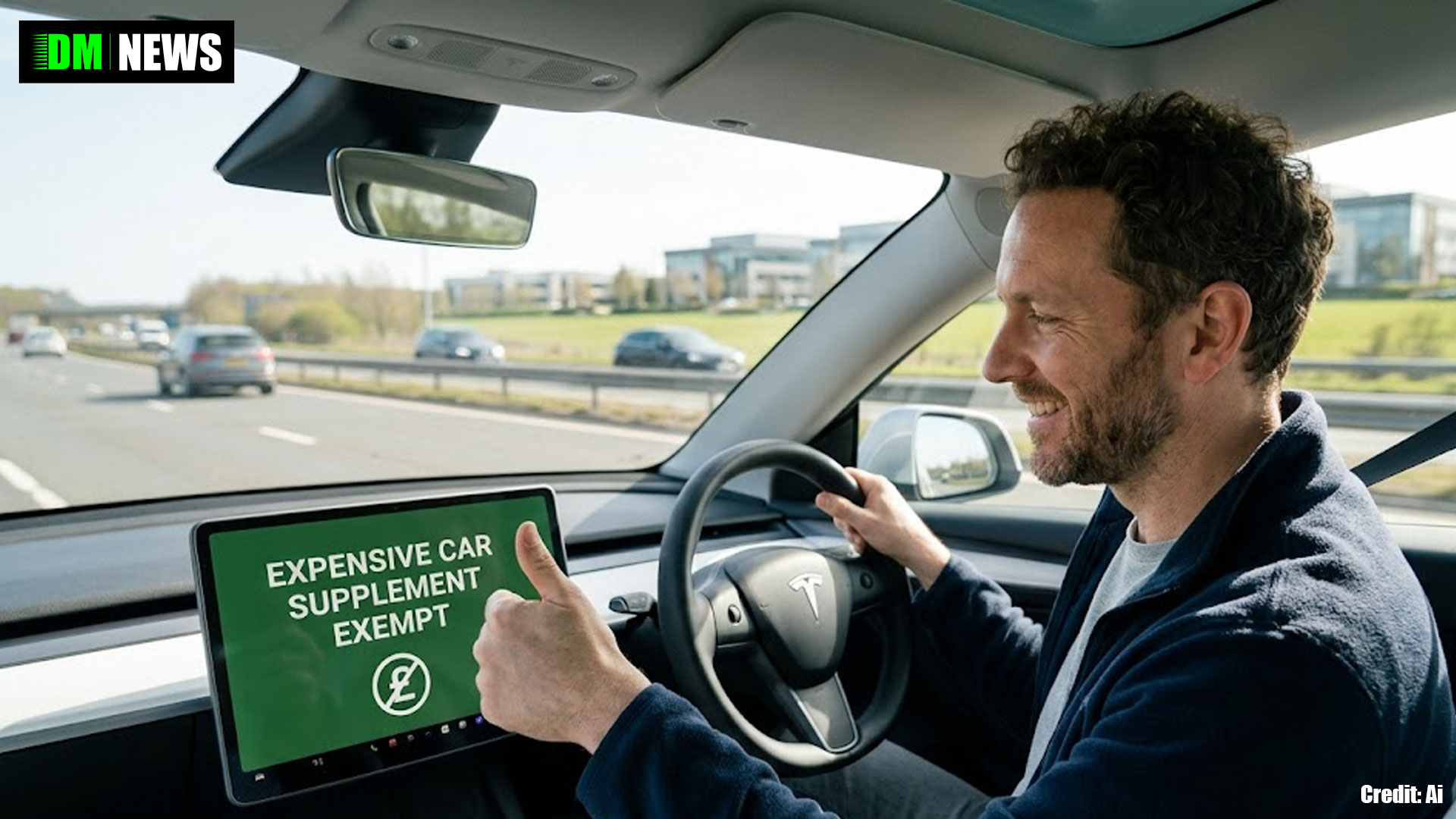
In a rare piece of good news for the UK automotive market, today—30th March 2026—marks the final countdown to a significant tax break for premium electric vehicle (EV) buyers. From tomorrow, the threshold for the dreaded “Expensive Car Supplement” is officially jumping from £40,000 to £50,000 for all new zero-emission vehicles.
This change is a direct response to the “bracket creep” caused by inflation and rising manufacturing costs, which has seen almost all family-sized electric SUVs being hit with a “luxury” tax surcharge simply for trying to go green.

What is the Expensive Car Supplement?
Under current rules, any car with a list price of over £40,000 is subject to an additional tax surcharge of £440 per year for five years, starting from the second time the vehicle is taxed. For many, this turned a £41,000 family car into a significant long-term financial burden.
By raising this threshold to £50,000 for EVs, the government is effectively giving thousands of drivers a £2,200 saving over the first five years of ownership.
Which Cars are the Big Winners?
The £40k to £50k bracket is the “sweet spot” for the UK’s most popular electric cars. Previously, buyers of these models had to choose between a basic entry-level spec or paying the luxury tax. Now, they can opt for a better range and more features without the penalty.
Models that now fall safely under the new limit include:
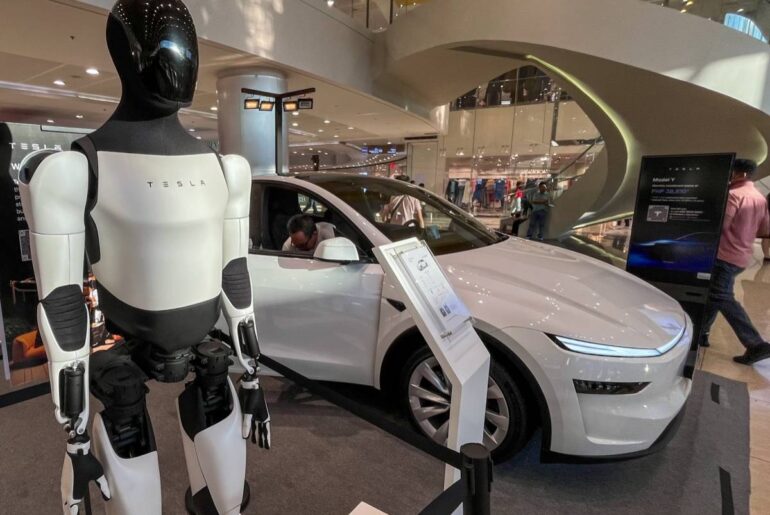
Tesla Model Y: High-spec Long Range versions that previously sat just over £40k.
Hyundai IONIQ 5 & Kia EV6: Mid-to-high-tier trims with larger batteries.
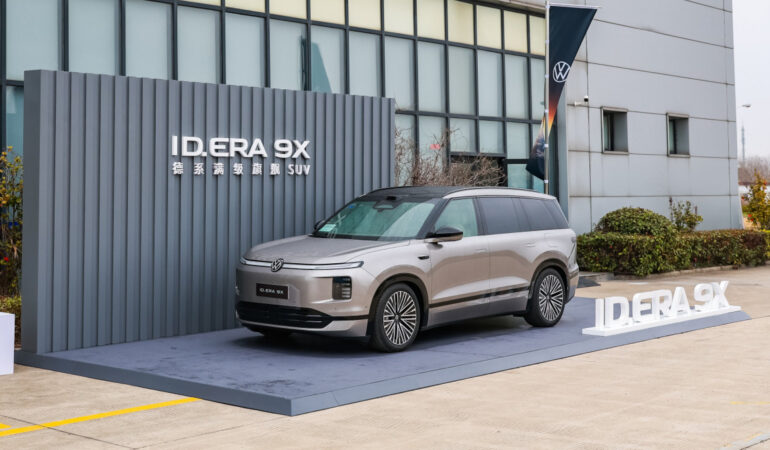
Volkswagen ID.4 & ID.5: Almost the entire range is now “surcharge-free.”
Volvo EX30 & EX40: Premium compact SUVs that are popular with families.
A “Petrol vs. Electric” Divide
It is important to note that this “lifeline” is not being extended to petrol, diesel, or hybrid drivers. If you buy a combustion engine car or a plug-in hybrid priced at £40,001 tomorrow, you will still be hit with the extra £440 annual charge.
This move creates a massive price gap in the middle market. A £45,000 petrol SUV will cost thousands more to tax over five years than a £45,000 electric equivalent, further pushing the UK’s transition toward a 2035 zero-emission goal.
The Bottom Line
If you’ve been eyeing an electric SUV but were worried about the extra tax, the landscape changes in your favour at midnight. As manufacturers continue to battle high production costs, this £10,000 “buffer” ensures that “going green” doesn’t have to mean “paying extra for luxury status” that most family cars simply don’t have.
Thanks for visiting DM News! If you’ve got a question, a story tip, or anything you like to share, head over to DriverMatty.com — I love to hear from you. While you’re there, don’t forget to check out my other websites and social media channels.
Sources:
![How Tesla Made [and Killed] The Greatest Electric Car Ever](https://www.evshift.com/wp-content/uploads/2026/03/1774891212_maxresdefault-770x515.jpg "How Tesla Made [and Killed] The Greatest Electric Car Ever")