Written by Emily J. Thompson, Senior Investment Analyst
Source: Fool
Updated: 1 hour ago
0mins
Source: Fool
Market Performance Comparison: Tesla’s stock rose 32% over the past year, while BYD’s fell 29%, indicating Tesla’s relative stability in the EV market; however, increasing competition necessitates vigilance against BYD’s rise.
Delivery and Production Data: Tesla delivered 1.64 million EVs last year, still ahead of BYD’s 2.26 million deliveries, but its deliveries fell 9% year-over-year, reflecting the impact of market competition and the expiration of U.S. EV tax credits.
Technological Innovations and Challenges: BYD’s introduction of a fast-charging battery that can charge from 20% to 97% in under 12 minutes, even in cold weather, may attract more price-sensitive consumers, posing a threat to Tesla’s market share.
Strategic Shift and Risks: Tesla’s plan to pivot to producing AI-powered Optimus humanoid robots at its California factory could offer long-term growth potential, yet the ability to mass-produce effectively and navigate legal and regulatory risks remains a concern.
Trade with 70% Backtested AccuracyStop guessing “Should I Buy TSLA?” and start using high-conviction signals backed by rigorous historical data. Sign up today to access powerful investing tools and make smarter, data-driven decisions.Sign upAnalyst Views on TSLA
Wall Street analysts forecast TSLA stock price to rise
Wall Street analysts forecast TSLA stock price to rise
Current: 361.830

Current: 361.830
About TSLA
Tesla, Inc. designs, develops, manufactures, sells and leases high-performance fully electric vehicles and energy generation and storage systems, and offers services related to its products. Its segments include automotive, and energy generation and storage. The automotive segment includes the design, development, manufacturing, sales and leasing of high-performance fully electric vehicles, and sales of automotive regulatory credits. It also includes sales of used vehicles, non-warranty maintenance services and collisions, part sales, paid supercharging, insurance services revenue and retail merchandise sales. The energy generation and storage segment include the design, manufacture, installation, sales and leasing of solar energy generation and energy storage products and related services and sales of solar energy systems incentives. Its consumer vehicles include the Model 3, Y, S, X and Cybertruck. Its lithium-ion battery energy storage products include Powerwall and Megapack.
About the author
Emily J. Thompson
Emily J. Thompson, a Chartered Financial Analyst (CFA) with 12 years in investment research, graduated with honors from the Wharton School. Specializing in industrial and technology stocks, she provides in-depth analysis for Intellectia’s earnings and market brief reports.
 Tesla and BYD Electric Vehicle Market Competition Analysis
 1 hour agoNASDAQ.COM
Sales Comparison: BYD produced 2.22 million passenger EVs last year, a 25% increase, while Tesla produced 1.65 million; although Tesla remains a market leader, BYD’s rapid growth could impact Tesla’s market share.
Delivery Data: BYD’s EV deliveries reached 2.26 million, up nearly 28%, while Tesla’s deliveries fell by 9%, indicating BYD’s superior performance in meeting market demand, posing a threat to Tesla’s sales.
Technological Innovation: BYD introduced a fast-charging battery that can charge from 20% to 97% in just 12 minutes even in extreme temperatures, which may attract more price-sensitive consumers and enhance its competitive edge.
Strategic Shift: Tesla plans to utilize vacant space in its Fremont, California factory to produce AI-powered Optimus humanoid robots; while this strategic pivot may present new growth opportunities, it also carries execution risks, especially given its high valuation, necessitating cautious evaluation by investors regarding its long-term outlook.
 Lucid Electric Vehicles Faces Production Challenges
 15 minutes agoFool
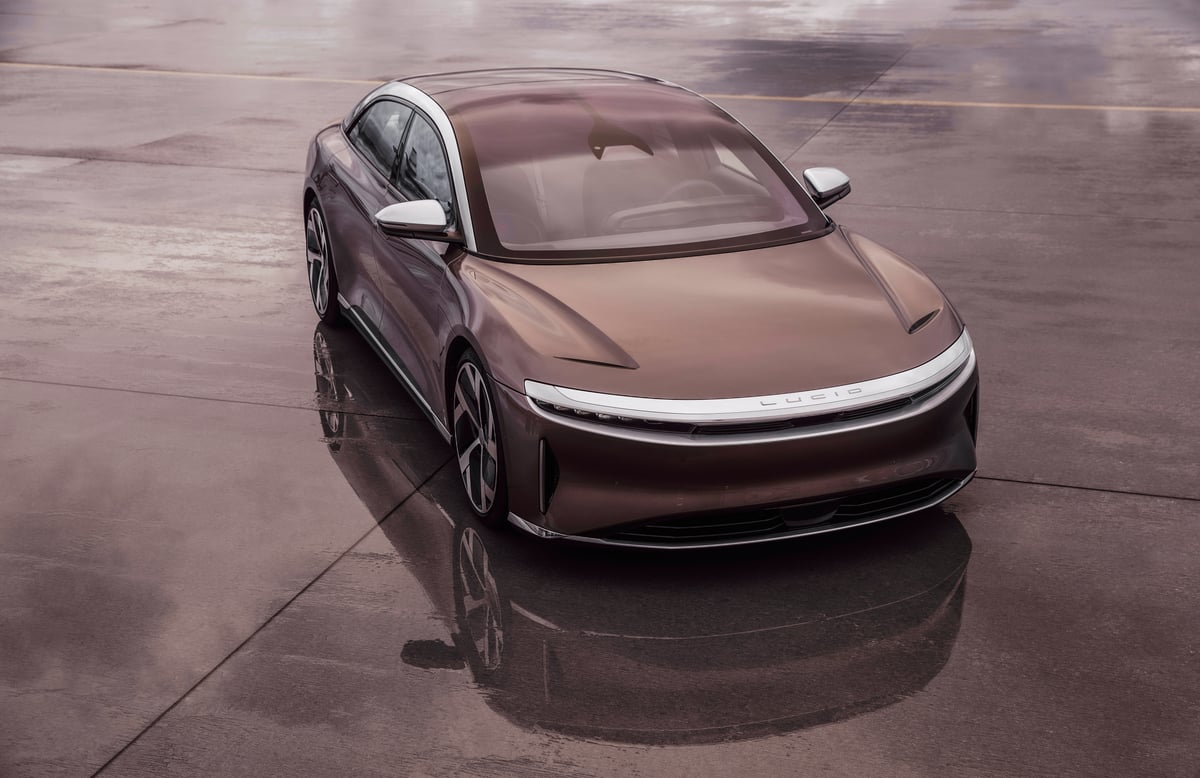
Production Challenges: Lucid delivered only 4,369 vehicles in 2022, significantly below its target of 20,000, with 6,001 in 2023 and 10,241 in 2024, although deliveries rose by 55% to 15,841 in 2025, it still lags behind Tesla’s 22,477 vehicles delivered in 2013, indicating ongoing struggles in scaling production.
Heavy Reliance on Saudi Investment: The Saudi Public Investment Fund owns over 60% of Lucid’s shares and placed a 10-year order for 100,000 vehicles in 2022; however, recent Iranian drone strikes on Saudi Arabia could severely impact future production plans, despite funding for the AMP-2 plant expansion in 2023.
Low Market Valuation: With an enterprise value of $5.2 billion, Lucid appears cheap at 2.3 times this year’s sales, but unless it successfully scales production, narrows losses, and reduces dependence on Saudi investors, its stock will likely remain at a steep discount, reflecting market skepticism about its future.
Executive Changes Impact: The resignation of founder Peter Rawlinson in 2025 marks a significant leadership change that could affect Lucid’s strategic direction and execution, especially after the delay of the Gravity SUV launch to late 2024, potentially further eroding investor confidence in its future.
 Tesla Faces Competitive Pressure from BYD1 hour agoFool
Market Performance Comparison: Tesla’s stock rose 32% over the past year, while BYD’s fell 29%, indicating Tesla’s relative stability in the EV market; however, increasing competition necessitates vigilance against BYD’s rise.
Delivery and Production Data: Tesla delivered 1.64 million EVs last year, still ahead of BYD’s 2.26 million deliveries, but its deliveries fell 9% year-over-year, reflecting the impact of market competition and the expiration of U.S. EV tax credits.
Technological Innovations and Challenges: BYD’s introduction of a fast-charging battery that can charge from 20% to 97% in under 12 minutes, even in cold weather, may attract more price-sensitive consumers, posing a threat to Tesla’s market share.
Strategic Shift and Risks: Tesla’s plan to pivot to producing AI-powered Optimus humanoid robots at its California factory could offer long-term growth potential, yet the ability to mass-produce effectively and navigate legal and regulatory risks remains a concern.
 Tesla’s April Outlook: Delivery and Production Progress2 hours agoFool
Delivery Numbers Forecast: Analysts project Tesla’s Q1 deliveries at 345,000, below the consensus of 365,000, and failing to surpass last year’s 336,681 deliveries could undermine investor confidence and lead to stock price volatility.
Cybercab Production Commitment: CEO Elon Musk has promised that Cybercab will begin volume production in April, but the lack of regulatory approvals may pressure inventory and cash flow, prompting investors to be cautious about production growth expectations.
FSD Approval Progress: Tesla expects to receive approval for supervised full self-driving (FSD) technology in the Netherlands in April, which could pave the way for approvals across the EU, enhancing Tesla’s position in the competitive European market.
April Outlook: While April is unlikely to be a game-changing month, Tesla is poised to show progress in deliveries, Cybercab production, and FSD approvals, potentially boosting market confidence and laying the groundwork for future growth.
 Tesla’s April Delivery Growth Outlook2 hours agoNASDAQ.COM
Delivery Growth Expectations: Tesla is expected to report year-over-year growth in deliveries for April, although the analyst projection of 345,000 deliveries in Q1 falls short of the consensus estimate of 365,000, potentially impacting investor confidence.
Robotaxi Production: CEO Elon Musk has promised to begin volume production of the dedicated Cybercab robotaxi in April, but the lack of regulatory approvals may limit production capacity; however, this will reduce execution risk and focus on the potential value of the robotaxi initiative.
FSD Technology Approval: Tesla anticipates receiving regulatory approval for its full self-driving technology in the Netherlands in April, which could pave the way for approvals across the European Union, thereby enhancing Tesla’s competitiveness in a challenging market.
Future Outlook: While April may not be a game-changing month, Tesla is likely to show progress in delivery numbers, Cybercab production, and FSD approval, alongside the unveiling of the Roadster and potential expansion of robotaxi services, making the future prospects promising.
 GLJ Research Projects Tesla Deliveries for Q1 2026 to Reach 368,4782 hours agomoomoo
Tesla Q1 2026 Deliveries: Tesla’s estimated deliveries for the first quarter of 2026 are projected to be 368,478 vehicles.
Market Expectations: This delivery estimate reflects the company’s ongoing growth and production capabilities in the electric vehicle market.