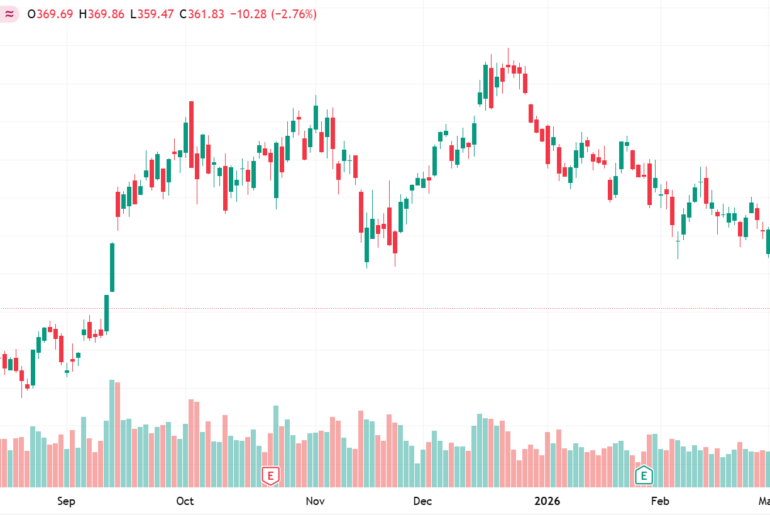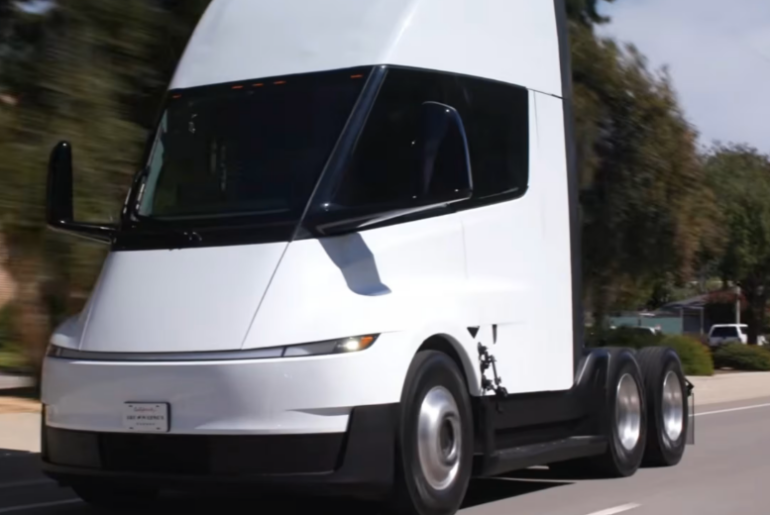
We’ve entered a turning point in the electric vehicle (EV) market. In 2025, Chinese EV giant BYD, long seen as one of Tesla’s biggest rivals, reported its first annual profit decline since 2021, even as it remains the world’s top EV seller. This shift matters to Tesla investors, EV buyers, and global car markets alike.
BYD’s Financial Performance
Profit drop: BYD’s 2025 net profit fell 19% to $4.7 billion, the first decline since 2021.
Revenue record: Total revenue hit $116 billion, a new record despite lower profits.
Revenue growth slowdown: Growth slowed to 3.5%, the weakest in six years.
EV deliveries: BYD sold 2.26 million EVs worldwide, surpassing Tesla’s 2025 deliveries.
Causes of BYD’s Profit Drop
Intense price competition: BYD cut prices to maintain market share, squeezing margins. Competitors like Geely and Leapmotor add pressure in budget EVs.
Slowdown in domestic demand: China’s EV market cooled as buyers wait for new or cheaper models. Ending some EV subsidies also slowed sales.
Rising costs: Production expenses increased, dropping BYD’s gross profit margin to 20.5%.
Broader market trends: Global EV growth softened. Consumers are cautious due to economic uncertainty and higher interest rates.
Tesla’s Position and Competition
Sales drop: Tesla’s 2025 deliveries fell about 8.6% vs. 2024, per industry estimates.
BYD overtakes Tesla: For the first time since the 2010s, BYD is the world’s top EV seller.
Tesla strengths:
Premium brand and pricing
Global distribution network
High-margin energy and software products
Rebound in European sales
BYD expansion: Plans more exports in 2026, targeting Europe and Latin America despite U.S. tariffs.
Market Reaction and Investor Sentiment
Investor caution: BYD’s 19% profit drop to 32.6 billion yuan spooked investors.
Sector-wide trend: Profit pressure is not isolated; competitors, including Tesla, face delivery and pricing challenges.
Mixed signal for Tesla investors: Some see BYD’s profit squeeze as an opportunity for Tesla, while others worry about overall EV demand and margin pressures.
What’s Next for BYD and the EV Industry
BYD strategies:
Launch new high-end models, like SUVs and advanced batteries.
Expand globally, building overseas production and exports.
Optimize costs to protect margins in competitive markets.
Tesla strategies:
Focus on autonomous driving and AI features
Increase revenue from energy products and software
Improve production efficiency
Industry trends: New players are entering from China and the West. Governments adjust subsidies and tariffs. Rising interest rates affect consumer demand.
Outlook: 2026 could define the next phase of EV market growth and electrification momentum.
Conclusion
BYD’s first profit drop since 2021 is more than a number. It shows how fierce EV competition has become. Even the world’s top seller can struggle when prices fall, costs rise, and demand cools. For Tesla, this is a chance to reassess and push forward in technology and markets. For BYD, it’s a reminder that global domination requires not just sales volume, but healthy margins.
In this evolving EV world, both companies are shaping the future of transportation, and we’re watching closely as the next chapter unfolds.
FAQS
Why did BYD’s profit drop in 2025?
BYD’s profit fell due to price cuts in China, rising production costs, and intense competition, despite record EV sales.
How does BYD’s performance affect Tesla?
With BYD overtaking Tesla in global EV deliveries, Tesla faces increased competition, especially in China and emerging markets.
Is BYD still growing despite lower profits?
Yes, BYD sold a record 2.26 million EVs worldwide, showing strong volume growth even with tighter margins.
What’s next for BYD and Tesla?
BYD plans global expansion and new high-end models, while Tesla focuses on technology, software, and efficiency improvements to stay competitive.
Disclaimer:
The content shared by Meyka AI PTY LTD is solely for research and informational purposes. Meyka is not a financial advisory service, and the information provided should not be considered investment or trading advice.