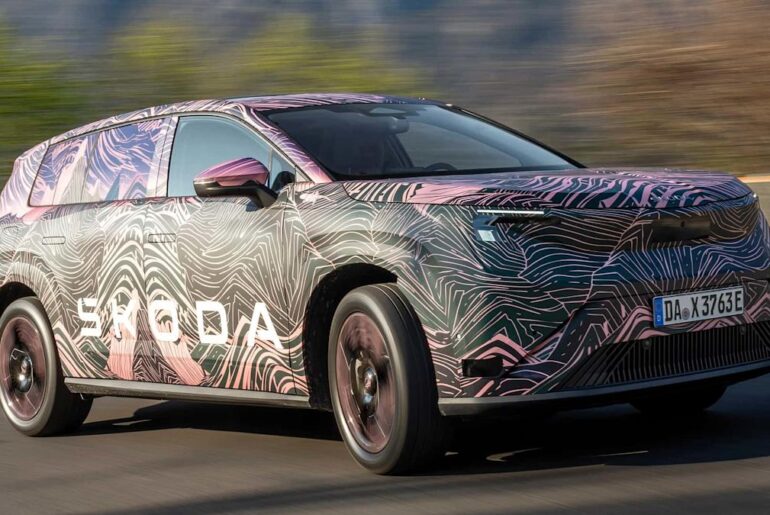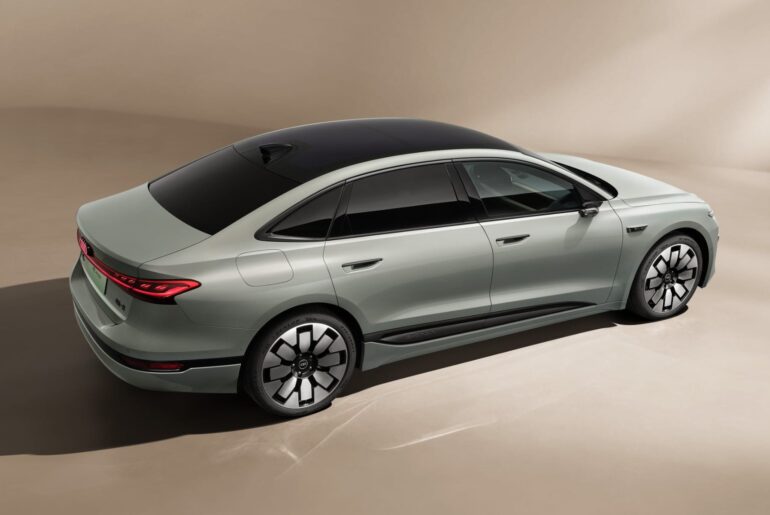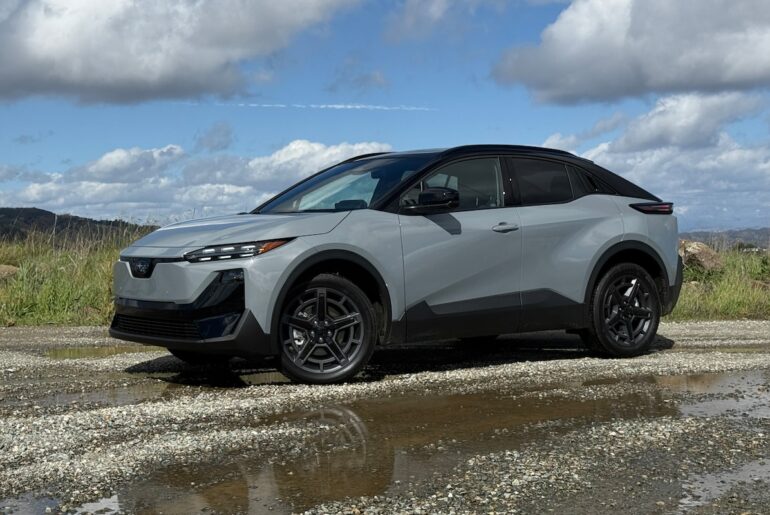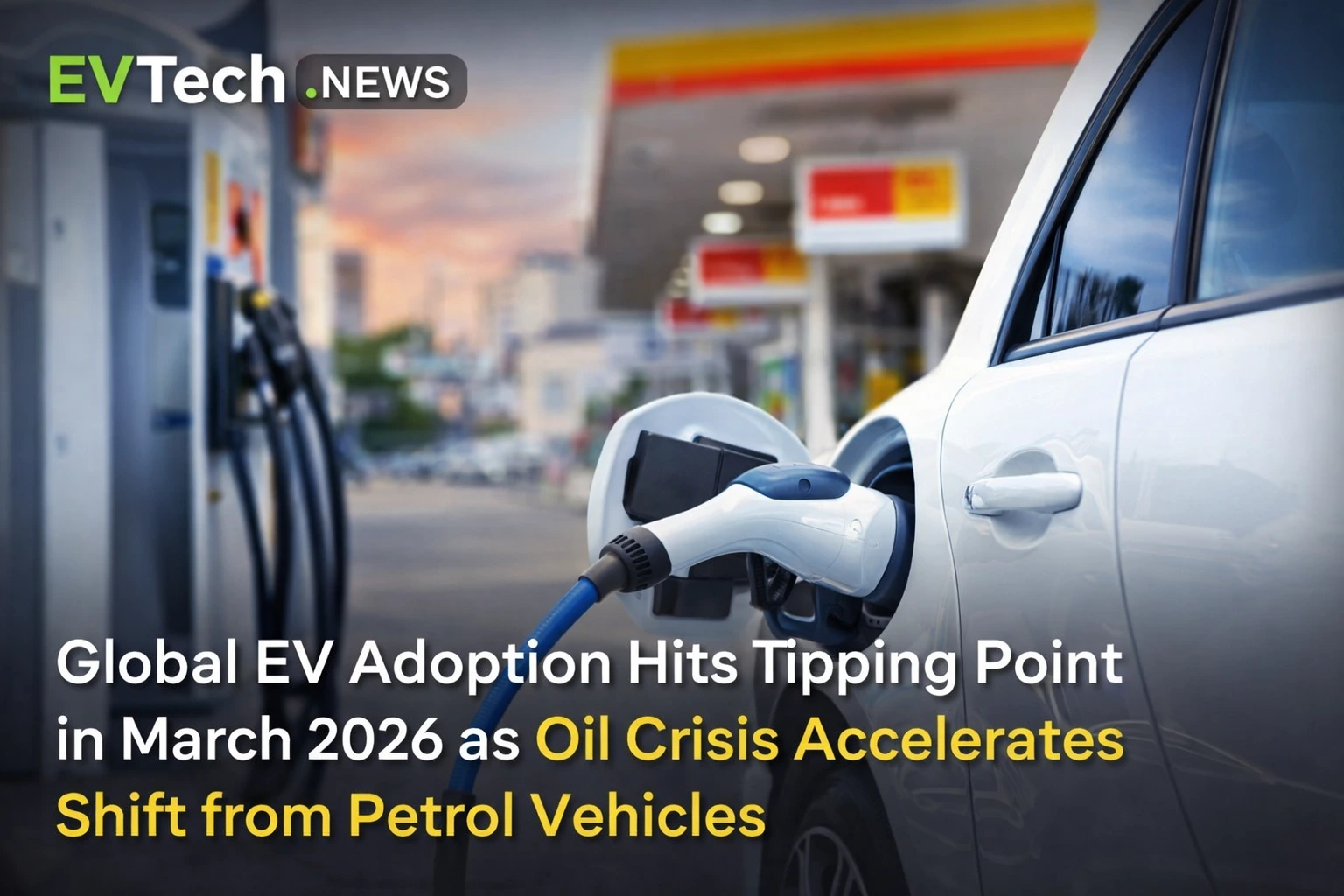
March 2026 marks a defining moment in the global transition toward electric mobility. A combination of geopolitical tensions, surging oil prices, and evolving consumer behavior has accelerated the shift from internal combustion engine vehicles to electric vehicles (EVs) at an unprecedented pace.
Fuel Price Surge Driving Change
The ongoing disruptions in global oil supply chains, particularly around critical transit routes like the Strait of Hormuz, have significantly increased crude oil prices. As a result, petrol and diesel prices have surged across major economies, putting financial pressure on consumers and businesses alike.
This sudden spike in fuel costs has forced consumers to reconsider their transportation choices, making EVs a more attractive and economically viable alternative.
EVs Now Up to 10x Cheaper Per Kilometer
One of the most compelling reasons behind the rapid adoption of EVs is the significant cost advantage they offer. In many markets, the running cost of electric vehicles is now nearly 8 to 10 times lower than that of petrol vehicles.
Petrol vehicles: ₹7–₹10 per km
Electric vehicles: ₹0.8–₹1.5 per km
Additionally, EVs require less maintenance due to fewer moving parts, further reducing long-term ownership costs.
Global EV Adoption Accelerating Rapidly
Industry analysts now suggest that the EV market has reached a critical tipping point. What was once a gradual transition is now accelerating into mainstream adoption.
Forecasts indicate that electric vehicles and plug-in hybrids could account for up to 70–80% of global vehicle sales by 2030. Major markets such as China, Europe, and India are leading this transformation, driven by both policy support and economic necessity.
Charging Infrastructure Becomes Key Focus
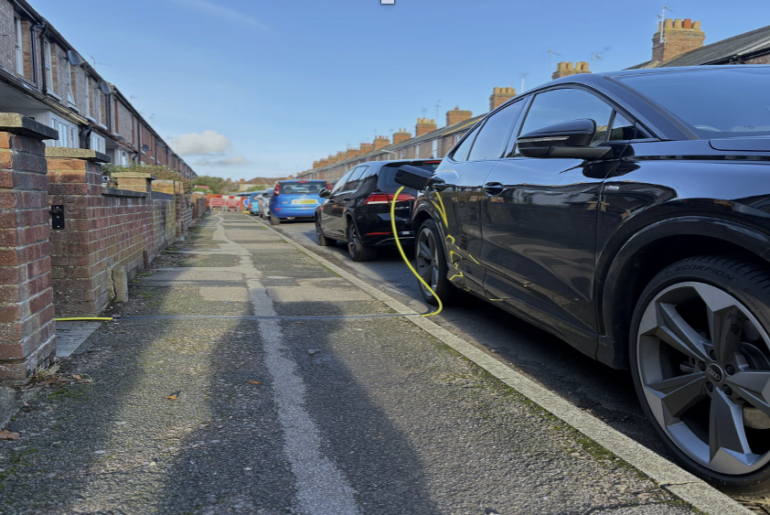
As EV adoption rises, the spotlight is shifting toward charging infrastructure. Governments and private companies are investing heavily in expanding charging networks, including ultra-fast chargers and highway charging corridors.
The race is no longer just about manufacturing EVs but about building a reliable and accessible charging ecosystem.
Automakers Accelerate EV Strategies
Automotive manufacturers worldwide are responding aggressively to these changes. Investments in battery technology, localized production, and affordable EV models are increasing rapidly.
Both legacy automakers and new entrants are competing to capture market share in what is becoming one of the most transformative periods in automotive history.
Shift in Consumer Mindset
The biggest transformation is happening in consumer perception. EVs are no longer seen as a premium or experimental choice but as a practical and cost-effective solution.
Consumers are now prioritizing savings, convenience, and long-term value over traditional fuel-based mobility.
Challenges Still Remain
Despite rapid progress, challenges such as charging infrastructure gaps, battery supply constraints, and grid capacity limitations still need to be addressed.
However, ongoing innovation and investment suggest these barriers will continue to diminish over time.
Conclusion: The EV Revolution is Accelerating
The events of March 2026 highlight a clear shift in global mobility. The oil crisis has acted as a catalyst, accelerating an already ongoing transition toward electric vehicles.
The EV revolution is no longer a future possibility—it is a present reality.
Stay updated with the latest EV insights at EVTech.news
Trending Keywords
EV market 2026, electric vehicle growth, oil crisis EV adoption, EV vs petrol cost, global EV sales forecast, EV infrastructure, EV industry news
EV market 2026, global EV adoption, electric vehicle growth 2026, EV tipping point, EV industry trends, EV vs petrol cost, electric vehicle news, EV market shift, EV adoption surge, oil crisis EV impact, fuel price increase 2026, EV running cost comparison, EV cheaper than petrol, electric mobility transition, EV infrastructure growth, EV charging network expansion, EV sales forecast 2030, plug-in hybrid growth, EV industry analysis, why EV adoption is increasing in 2026, how oil prices affect electric vehicle demand, EV vs petrol cost per km India, global EV sales forecast 2030 analysis, benefits of electric vehicles over petrol cars, impact of fuel price rise on EV market, future of electric mobility worldwide, EV charging infrastructure trends 2026, EV news today, latest EV updates 2026, electric car market growth, EV industry insights, EV technology trends, clean energy transportation, future of EV market, EV adoption statistics, EV investment trends, EV market India 2026, electric vehicles India growth, EV charging stations India, petrol vs EV cost India, global EV market trends, EV adoption Europe China India, EV policy impact India, EVTech.news, EVTech news updates, EVTech industry insights, EVTech EV analysis, EVTech global EV news