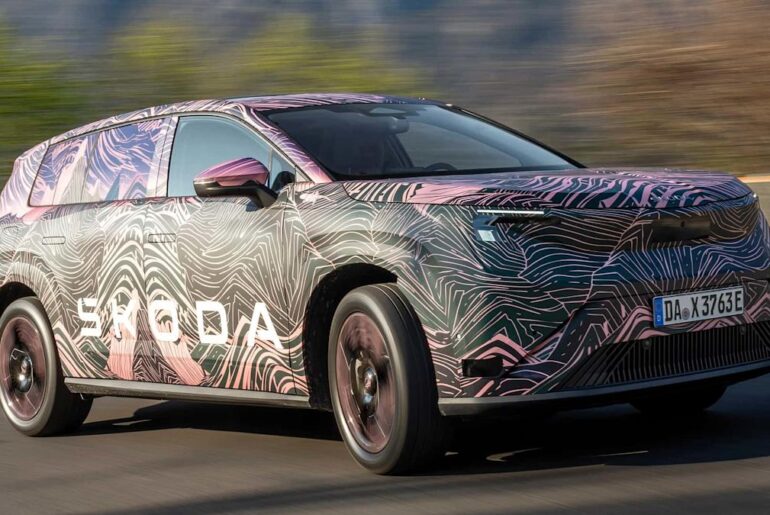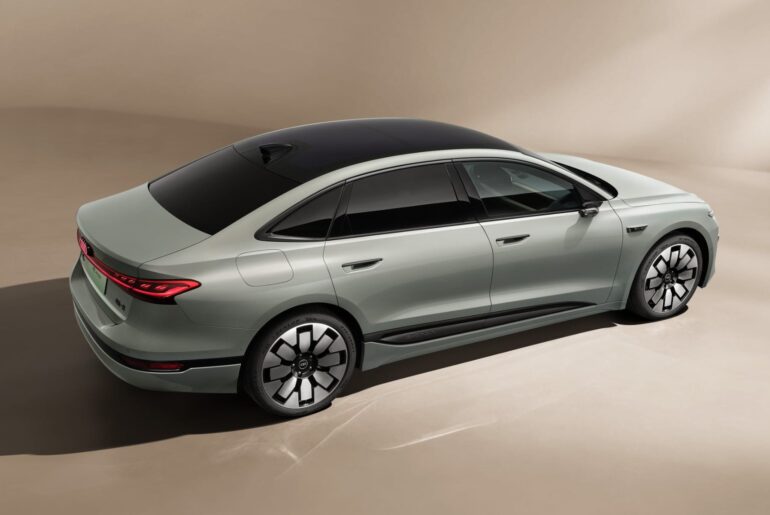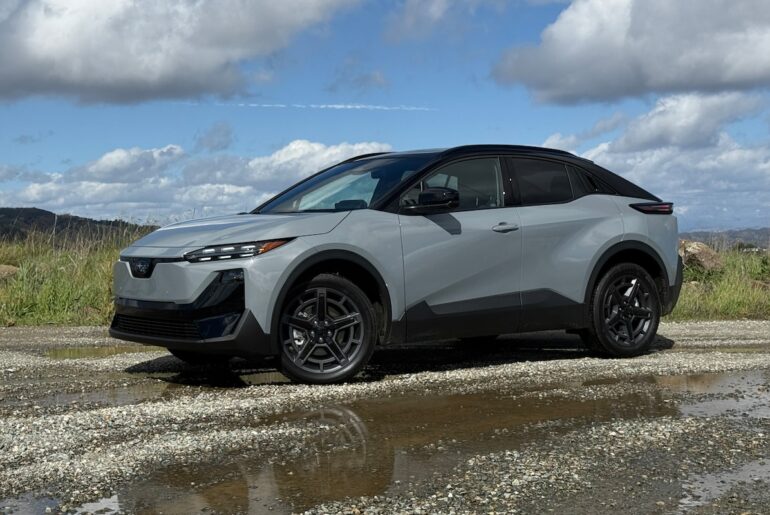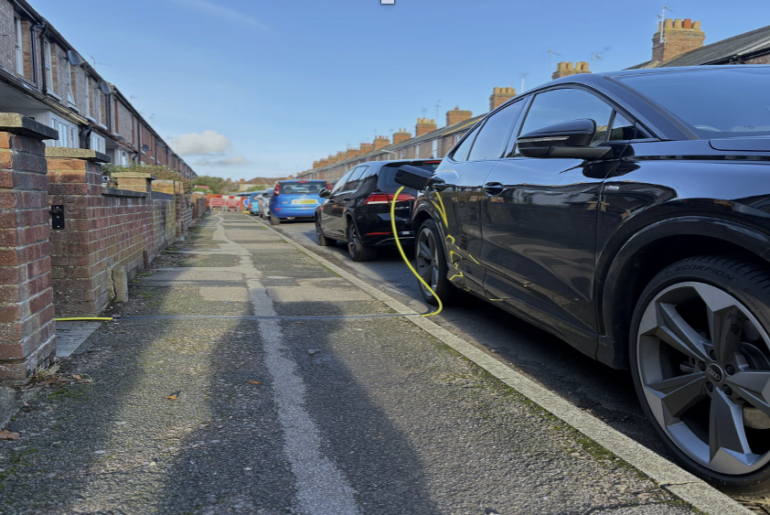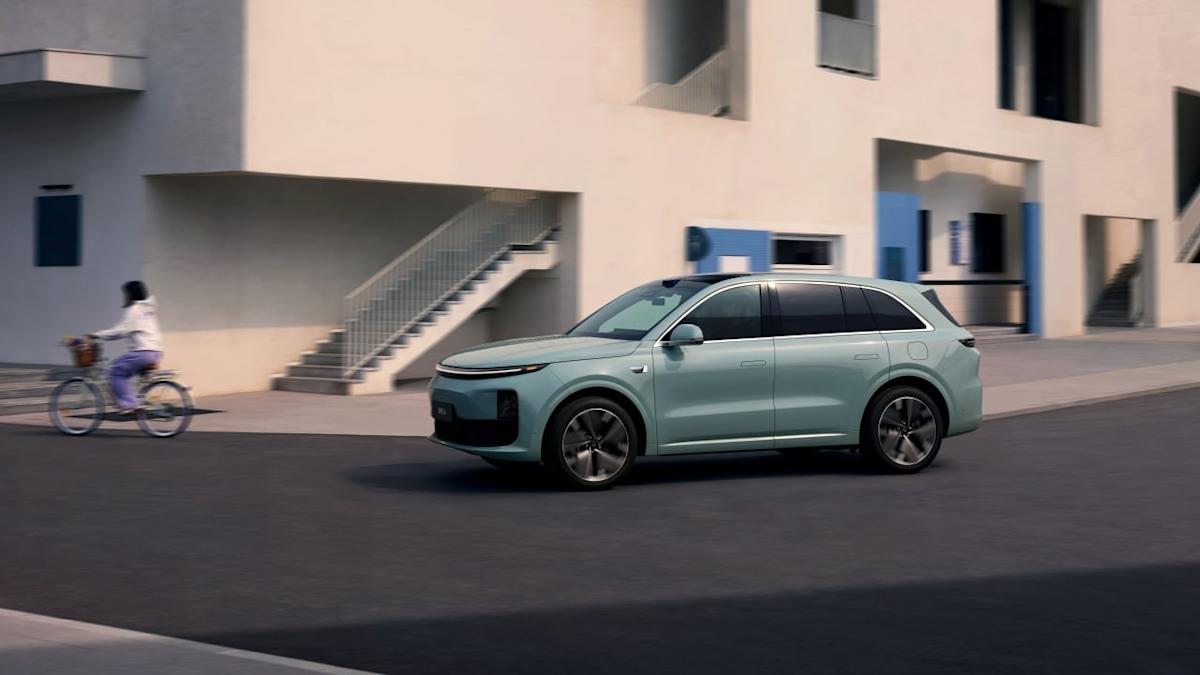
For years, the debate in America about Chinese EVs has been mostly political, industrial, and abstract. Tariffs, national security, supply chains, strategic competition — the usual heavy issues. But car buyers don’t always see it that way. They focus on what a car costs, what it offers, and whether it feels like a better deal than the one down the street. That’s where this story gets strange, because the more Washington pushes to keep Chinese EVs out, the more some shoppers want to know what they might be missing.
That reaction isn’t coming out of nowhere. The average price of a new vehicle in the U.S. is now approaching $50,000, which is enough to make even loyal buyers start questioning the entire game. Meanwhile, Chinese EVs sold in other markets are appearing with lower prices, generous features, and tech options that make many mainstream American vehicles seem expensive and oddly conservative at the same time. Reuters notes some Chinese EVs sold abroad cost less than $30,000 while still offering premium features and advanced driver-assistance technology.
So what happens when a market is repeatedly told it cannot have something? Usually, interest wanes. In this case, it appears to be doing the opposite. Instead of eliminating curiosity, the policy restrictions around Chinese EVs are making them the forbidden fruit of the electric-car world — and that is not exactly the outcome protectionists typically promote.
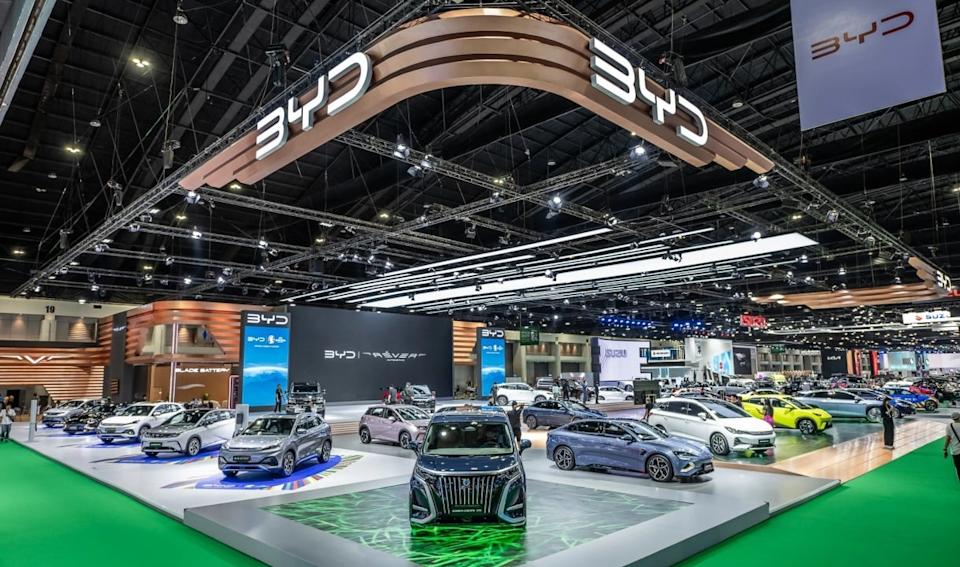
Image Credit: BYD
The Ban Is Not Just Political Theater
This isn’t one of those vague “unwelcome in America” situations. The U.S. has spent years establishing a clear policy barrier around Chinese EVs. Reuters reports that tariffs exceeding 100% have effectively kept those vehicles out of the market, while the Commerce Department’s connected-vehicle rule now limits the import and sale of certain vehicles and key hardware or software with a strong connection to China or Russia. That rule took effect on March 17, 2025, with software restrictions starting for model year 2027 vehicles and hardware restrictions coming later.
From Washington’s perspective, the logic is clear: connected cars collect data, communicate externally, and may pose security risks if key systems are linked to adversarial governments. The Bureau of Industry and Security states that the rule aims to safeguard the connected vehicle supply chain from risks related to remote access, data exposure, and other national-security issues. Whether you agree with that approach or not, the obstacle is very real.
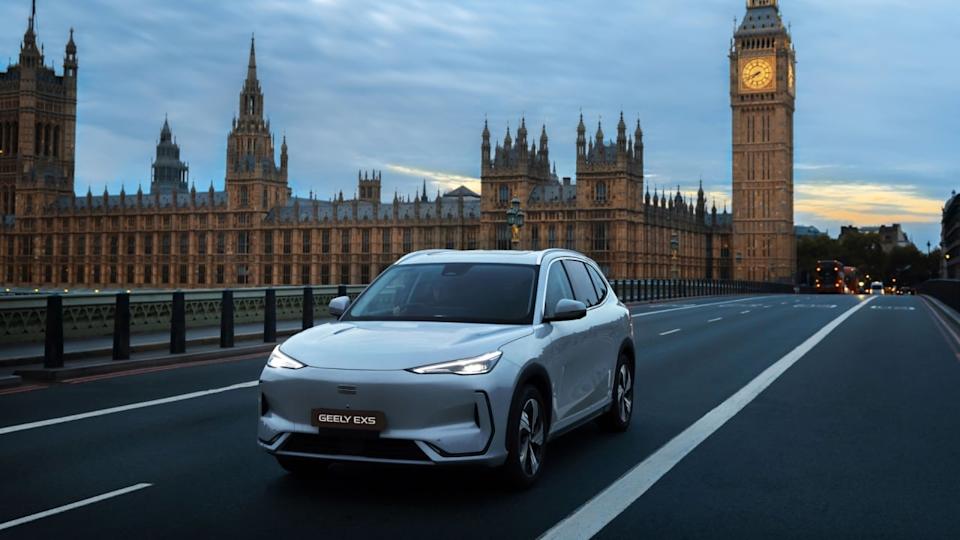
Image Credit: Geely
Buyers Are Doing a Different Kind of Math
The consumer perspective is more practical and less ideological. If shoppers learn that a compact electric crossover in another country costs much less than what they are asked to pay at home, has a nicer interior, and still includes plenty of technology, they will pay attention. That’s exactly what Reuters describes: American shoppers noticing Chinese brands like BYD, Geely, and Zeekr because of price, packaging, and features.
Cox Automotive’s recent survey helps explain why interest remains strong. The company found that 49% of consumers rated Chinese automotive brands as very good or excellent for value, and 40% supported Chinese brands entering the U.S. market. These figures are significant. They indicate that once affordability becomes a major issue in the domestic market, many consumers become more willing to separate “where it comes from” from “what it offers for the money.”
Dealers Are Nervous, and That Says a Lot
The funniest part of this story might be the gap between shoppers and the people who actually sell cars for a living. Cox found that only 15% of dealers support Chinese brands entering the U.S. market, which is a big difference compared to consumer openness. That kind of divide usually means one thing: the incumbents see the threat clearly, even if the public policy talks keep making it seem like something else.
And it becomes even more interesting from there. Cox states that 70% of dealers would alter their strategies if Chinese brands entered the market, and consumer consideration increases significantly when a Chinese automaker is paired with an established U.S. brand. That’s not the data of a market dismissing Chinese EVs as unserious. Rather, it’s the data of a market quietly preparing for them, even while acting as if they are not welcome.
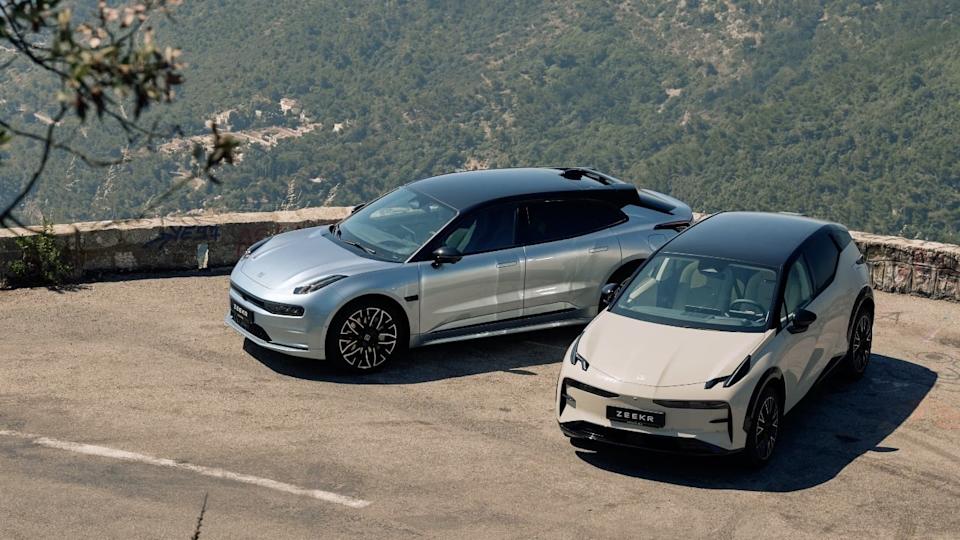
Image Credit: Zeekr
Scarcity May Be Doing the Marketing for Them
This is the strange consequence nobody really wants to admit. By making Chinese EVs difficult or impossible to purchase, the U.S. might be unintentionally increasing their appeal. Reuters describes American buyers considering Chinese models the same way people view products sold everywhere except here: with a mix of irritation, curiosity, and growing envy. One enthusiast told Reuters he was even thinking about buying a BYD in Mexico and driving it north, which isn’t typical consumer behavior unless desire has already surpassed policy.
That doesn’t mean Chinese EVs would immediately dominate if the doors opened tomorrow. Trust, safety perceptions, dealer networks, and regulation would still matter. Cox’s research shows value is their strongest perception advantage, while durability, quality, safety, and reliability remain more mixed in American minds. But that’s almost beside the point. The real issue is that the ban is no longer just about keeping products out; it’s about creating demand by signaling that those products might be better, cheaper, or both.
And that is why everything feels so backward. America’s Chinese EV ban was meant to protect jobs, data, and the domestic market. Instead, it’s also effectively sparking the idea that the most interesting affordable EVs might be the ones Americans are not allowed to buy. In the auto industry, that kind of curiosity tends to grow louder, not quieter.
Read More
13 Muscle Cars So Overlooked Most People Forgot Them
15 Car Features That Should Have Never Been Phased Out