Think ‘Aston Martin’ and what image does your mind conjure up? We’d wager it’s a front-engined, rear-driven grand tourer – long of bonnet and ready to cover serious kilometres – a setup which has been the Great British brand’s bedrock for decades.
The new Valhalla, though, treads a very different path indeed.
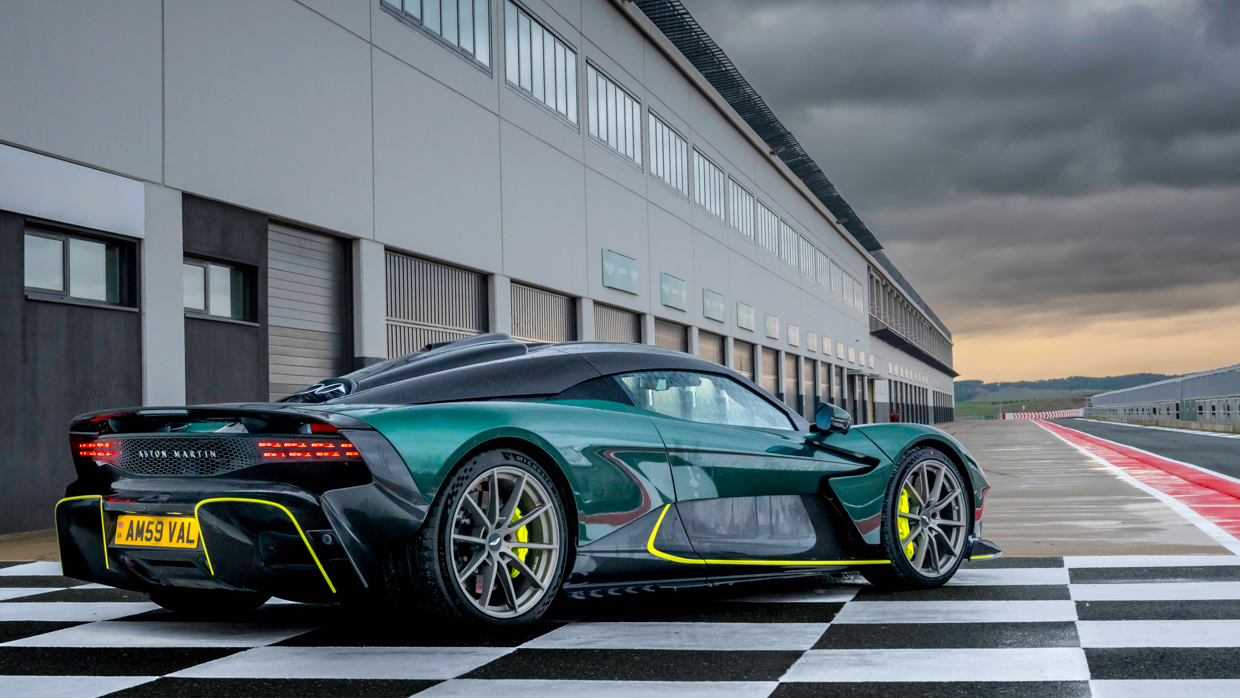
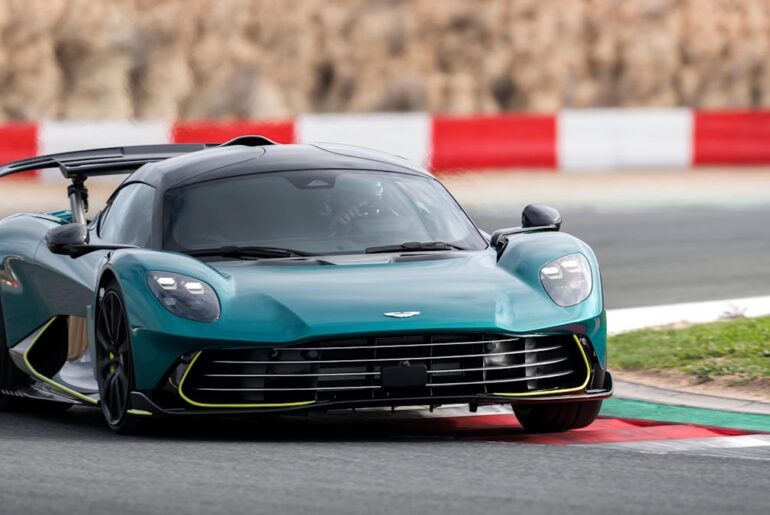
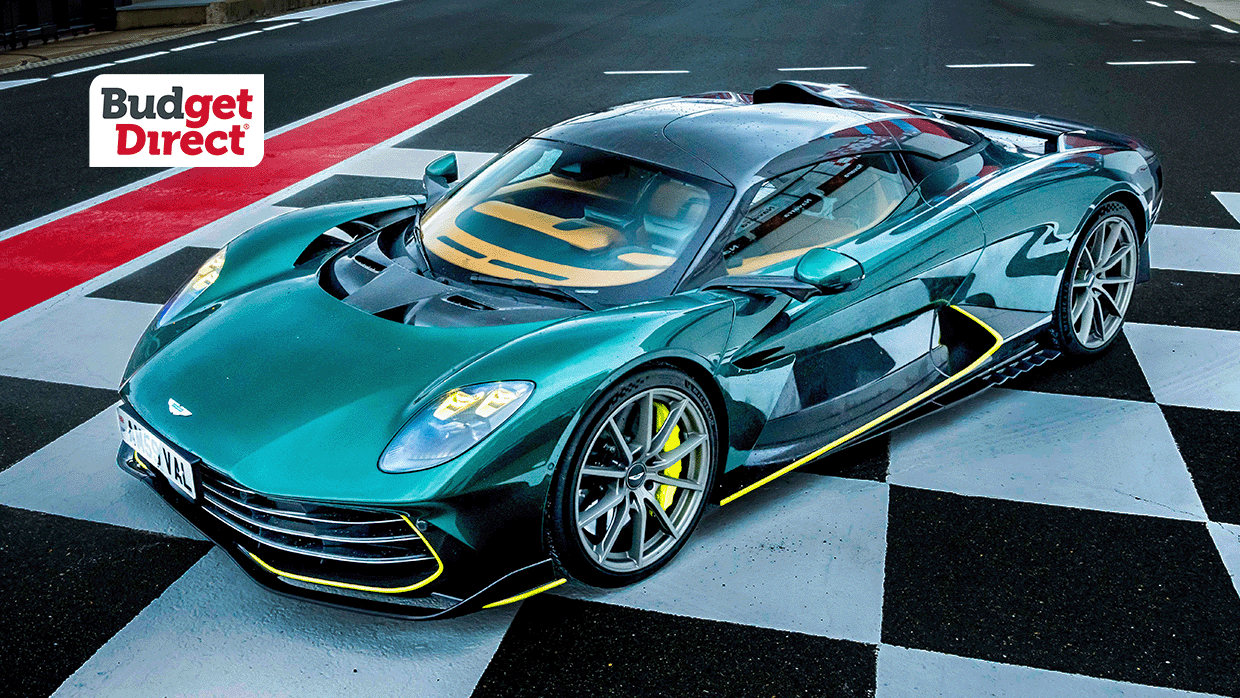
This is a carbon-cored, carbon-bodied, mid-engined hybrid with all-wheel drive. It’s a more mainstream cousin of the multi-million-dollar Valkyrie. As mainstream as a $1.7m car limited to 999 examples can possibly be, anyway…
How powerful is it?
At its heart is a 4.0-litre twin-turbo V8 related heavily to the unit found in the old Mercedes-AMG GT Black Series.
Alone, it produces 609kW and 856Nm, both peaks available at 6,700rpm. Complementing its petrol power are three electric motors – one integrated into the eight-speed twin-clutch gearbox at the rear, two on the front axle – resulting in overall peak outputs of 793kW and 1100Nm.
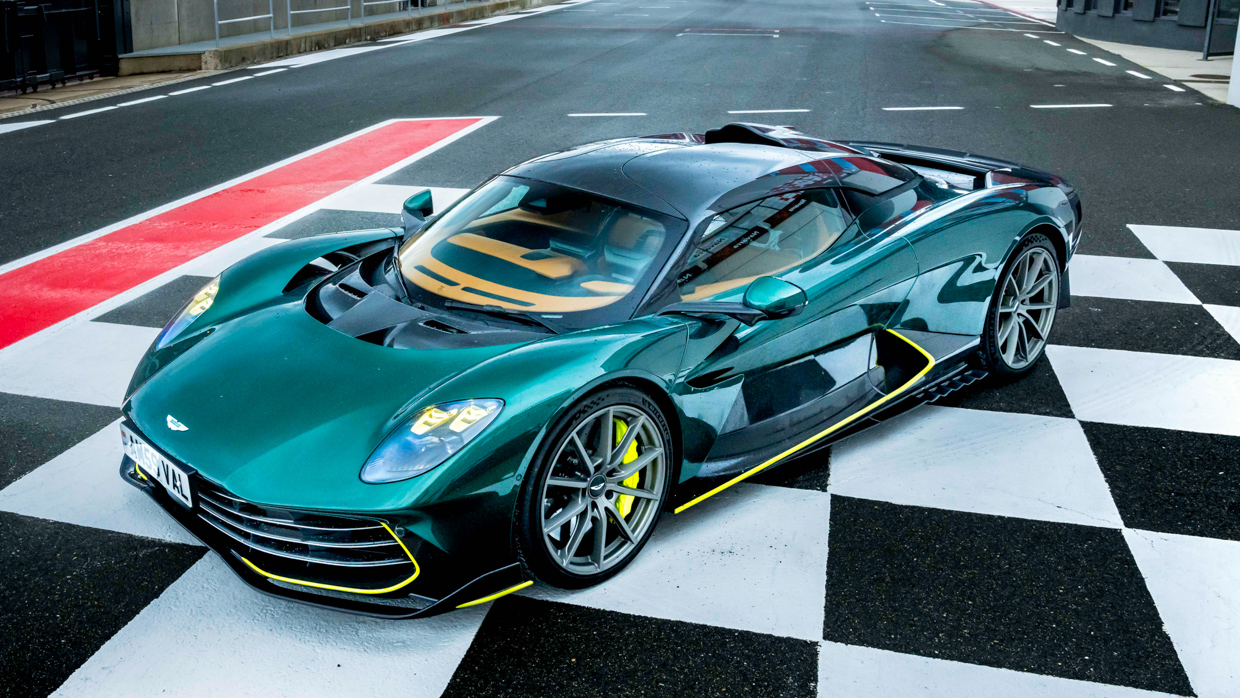
Enough to hustle the 1655kg (dry) Valhalla from 0-100km/h in 2.5 seconds, while its active front and rear aero (just look at its wing fully raised…) provide up to 610kg of downforce from 240km/h right up to its 350km/h top speed. There’s DRS functionality, too.
It’s the first Aston Martin with a twin-clutch ‘box and it’s the brand’s first plug-in hybrid, though the hypothetical 14km range of its 6.1kWh battery is clearly a formality – an opportunity to pull gingerly away from home during early morning starts rather than something to genuinely plunder on your morning commute.
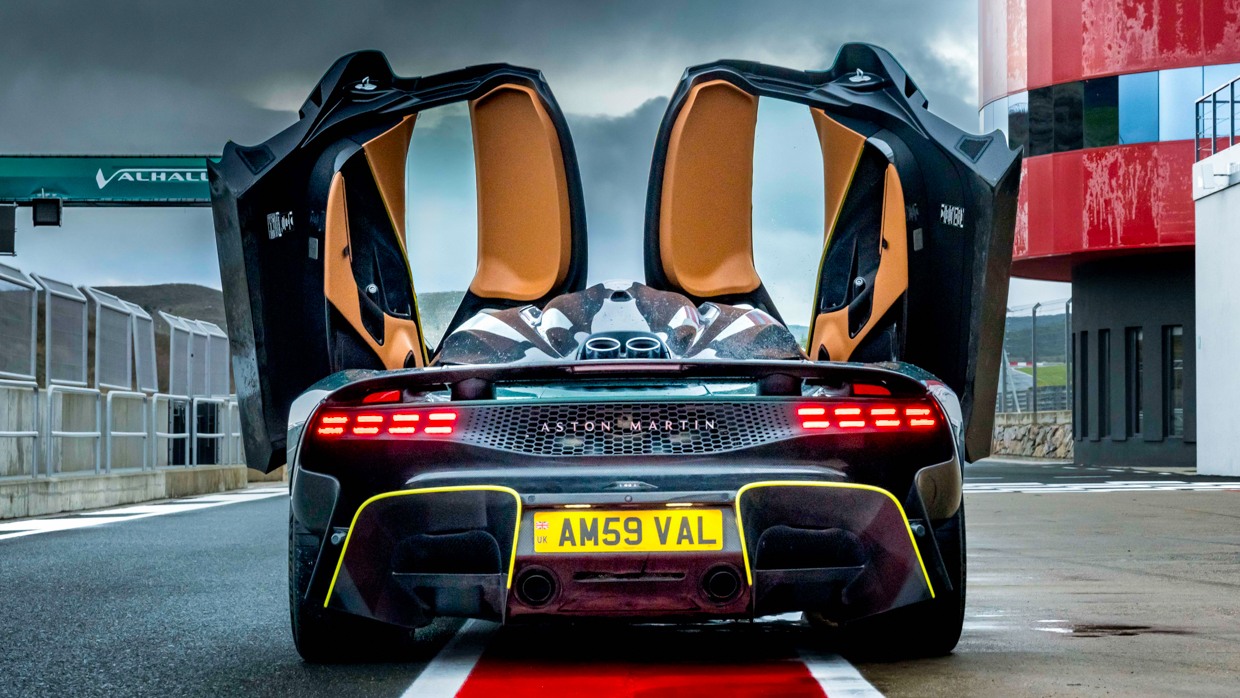
If Valhalla owners ever have to suffer such a thing… Official efficiency figures of 13.9l/100km and 275g/km appear impressive for something so powerful without being unrealistically saintly.
Does it make a decent road car?
Trust us, you will want to make those early morning starts. Consider its racecar silhouette and the motorsport elements woven throughout its cockpit and you might question how road legal a car like this can actually be.
Yet placing the suspension inboard drops the scuttle line and open ups wholesome forward visibility, a rear camera display taking care of goings-on behind.
It’s an easy car to manoeuvre at low speed or potter through town in; Aston says we won’t even need its nose lift for the speed bumps of our Spanish test route, but forgive me for not daring put that specific claim sternly to the test. If you’ve got it, use it…
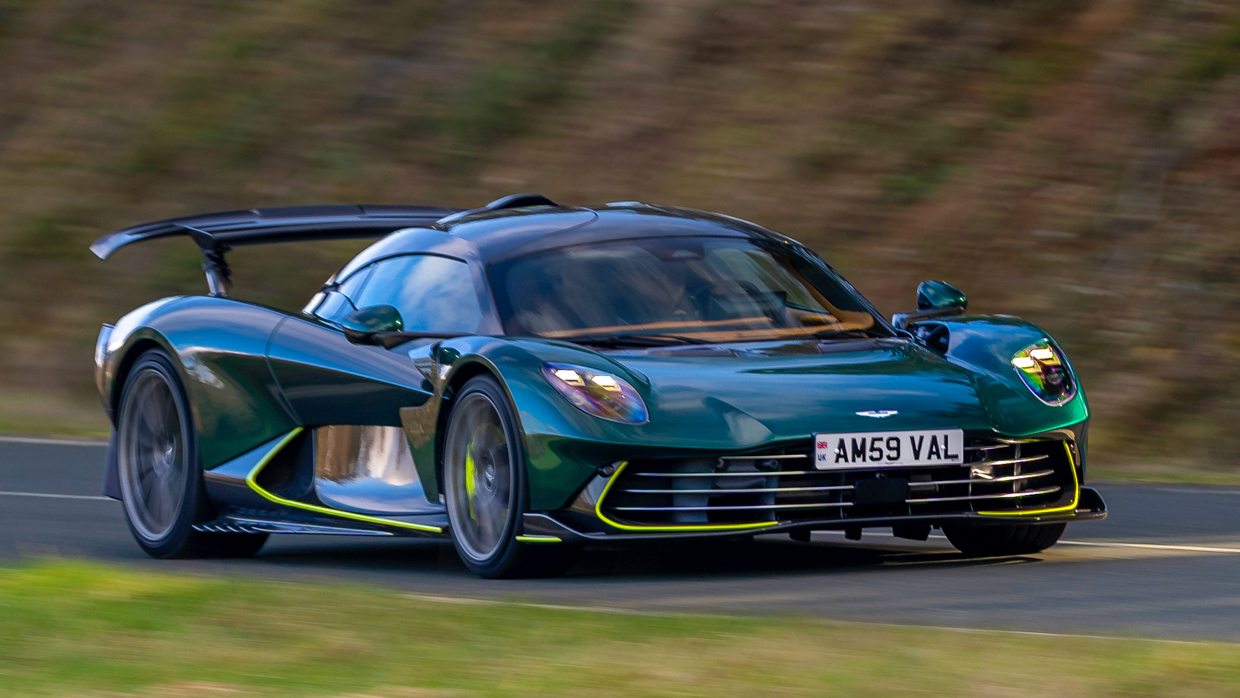
The development team kept amenable damping and a friendly sense of body roll on its mood board, and the complete lack of intimidation accompanying a brisk drive on a challenging backroad suggests they nailed the brief.
The powertrain, suspension and steering shuffle through electric, Sport, Sport+ and Race modes, and the Valhalla feels compliant in them all – though it feels most natural toggling between the middle two at road speeds.
Its progressive throttle, responsive carbon ceramic brakes and supremely quick-witted (but not nervous or hyperactive) steering all add up to a car you build confidence in quickly. More vigorous inputs reveal the frenzied possibilities beneath, but you’re unlikely to find the car spiky without deliberate provocation.
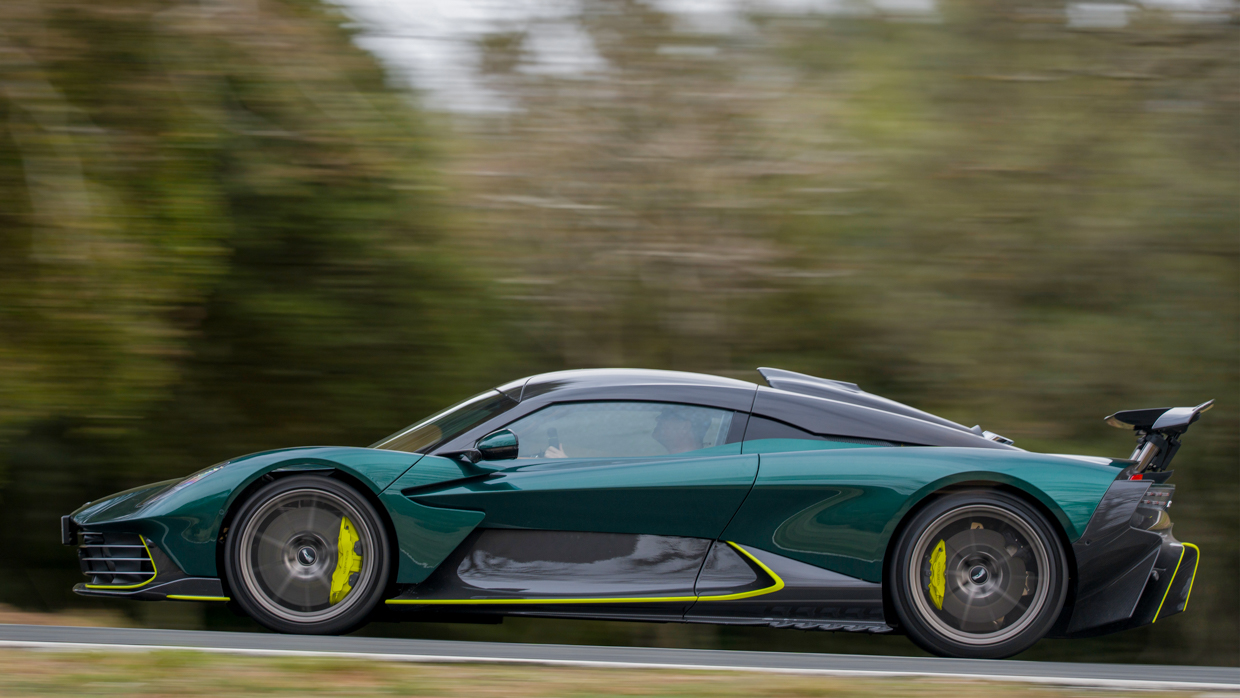
While it’s AWD, the vast majority of power goes to the back axle. The front two electric motors engage in torque vectoring, both under power and during regenerative braking, and act with just enough authority to keep the car under precise control without dimming its flame.
Same goes for the stability control systems, which are so light of touch left on, you have no desire to start loosening them. Handy when – as you’d expect in one of these on public roads – everyone is watching.
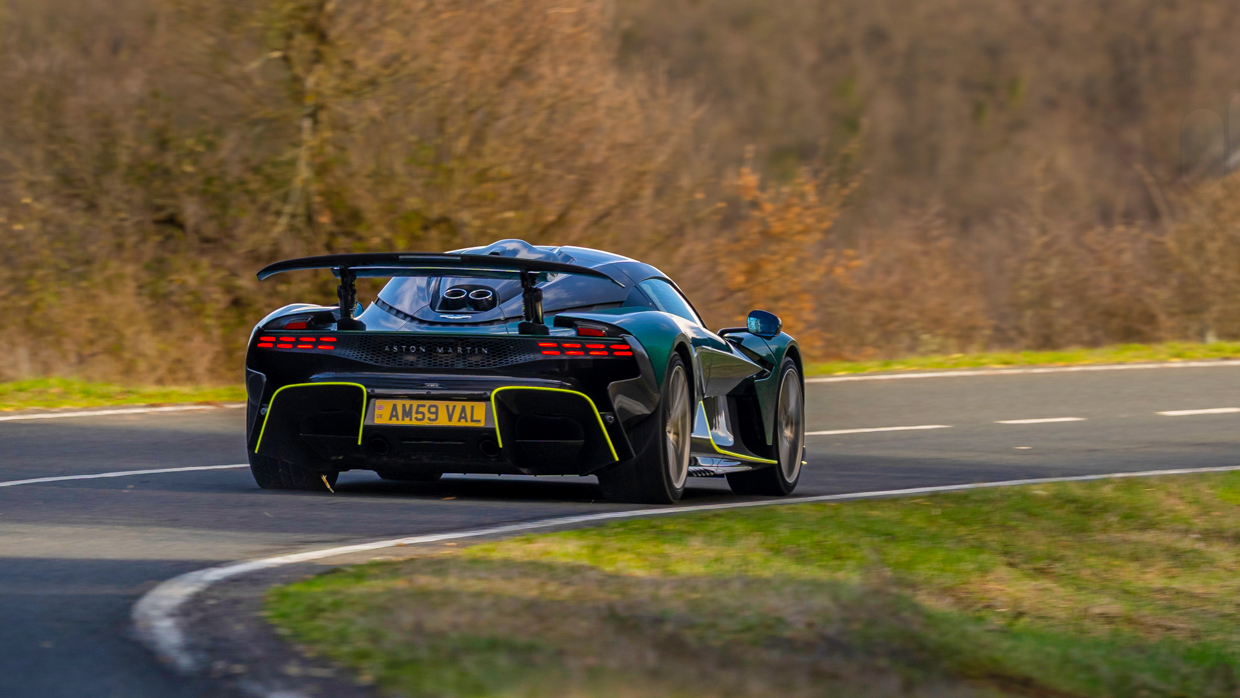
With a turbocharged V8 rather than an atmospheric Cosworth V12, it simply doesn’t have the soundtrack of the Valkyrie whose ethos it borrows.
There’s little aural reward for brushing the rev limiter – itself a modest 7,000rpm – so you happily row it along with lower revs and higher gears, feeling the boost build and playing tunes with the other elements of its powertrain.
How is its refinement?
The hubbub of road noise and the ping of loose surfaces in its wheelarches provide no illusion you’re in anything other than a carbon-tubbed car. The engine can tick along at around 2,000rpm at a cruise but it’s tricky to truly engage with music or podcasts at high speed.
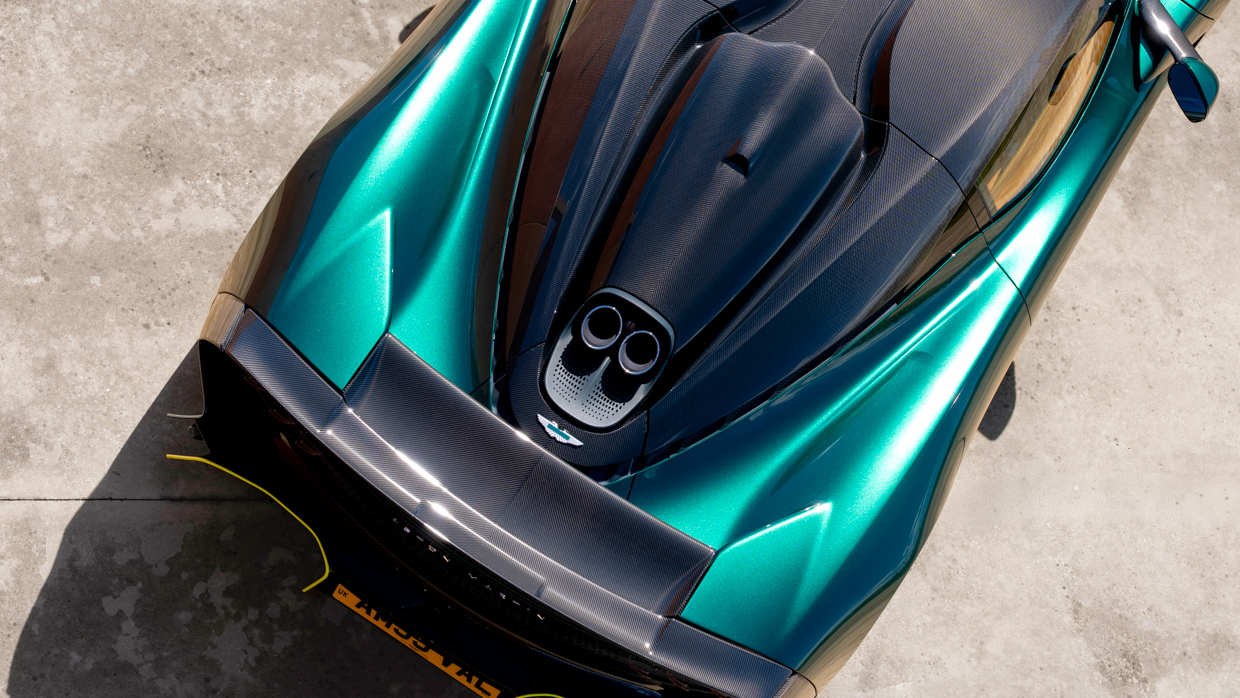
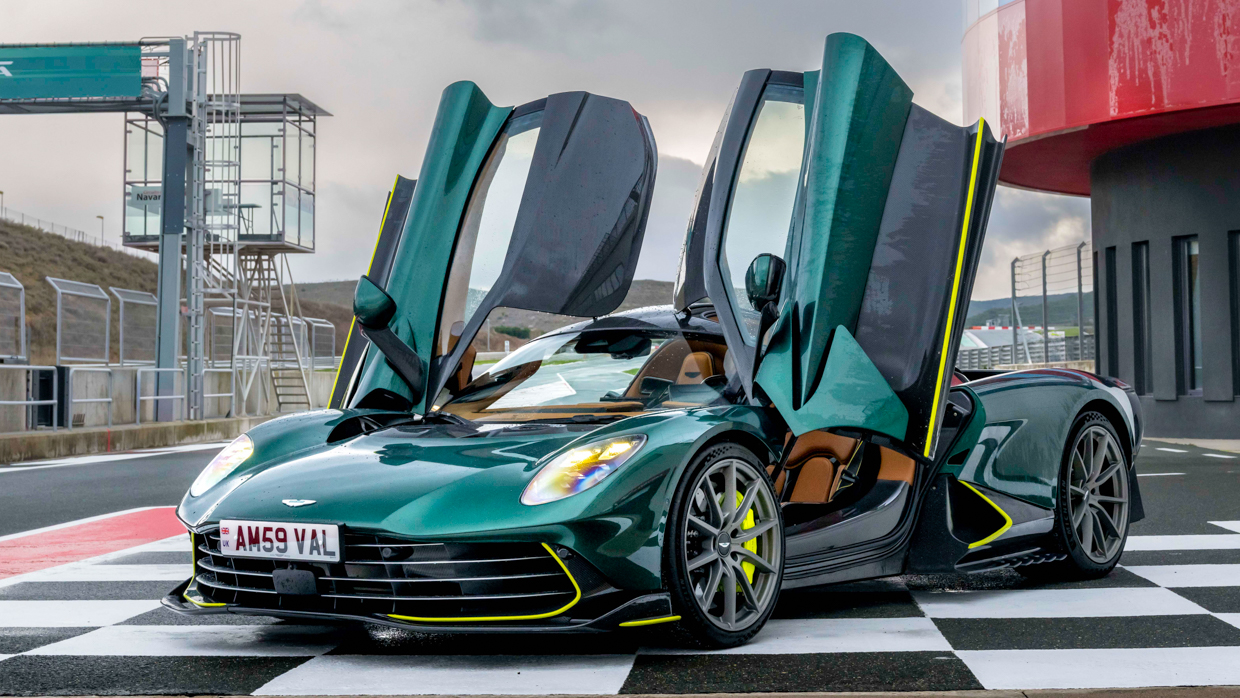
Yet the incongruity of how well it’ll otherwise tackle a road trip makes the prospect too great to resist.
Thus it’s a crying shame that its wider focus on aero and dynamism hasn’t permitted any boot space. This has the potential to be a languid car over longer distances but the teeny cubby hole spaces in the cabin mean you’ll have to pack exceedingly lightly – or send luggage on separately – to make it work. Its wealthy owners will surely find a way.
What’s it like inside?
The interior materials are pleasing and while some might bemoan the Mercedes parts-sharing evidenced by its indicator and wiper and stalk, it’s also a component that’s ergonomically proven and tucked quietly away where your hand effortlessly finds it, not marooned on the wheel as Ferrari turn signals are.
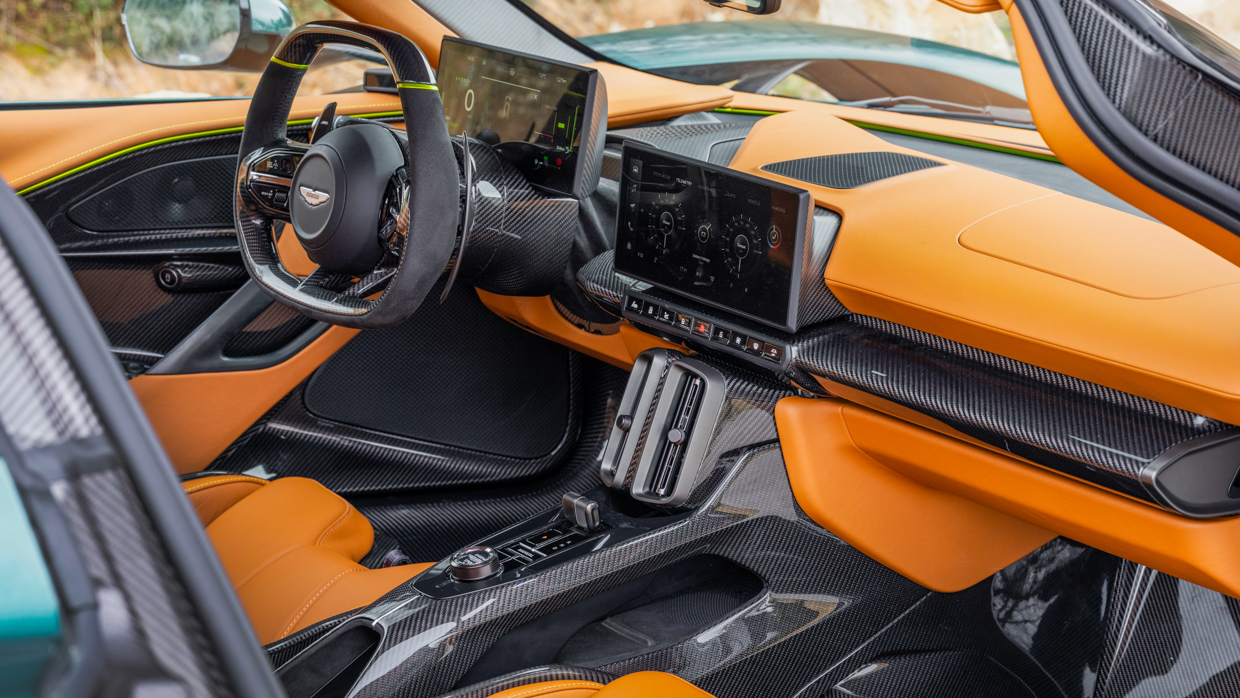
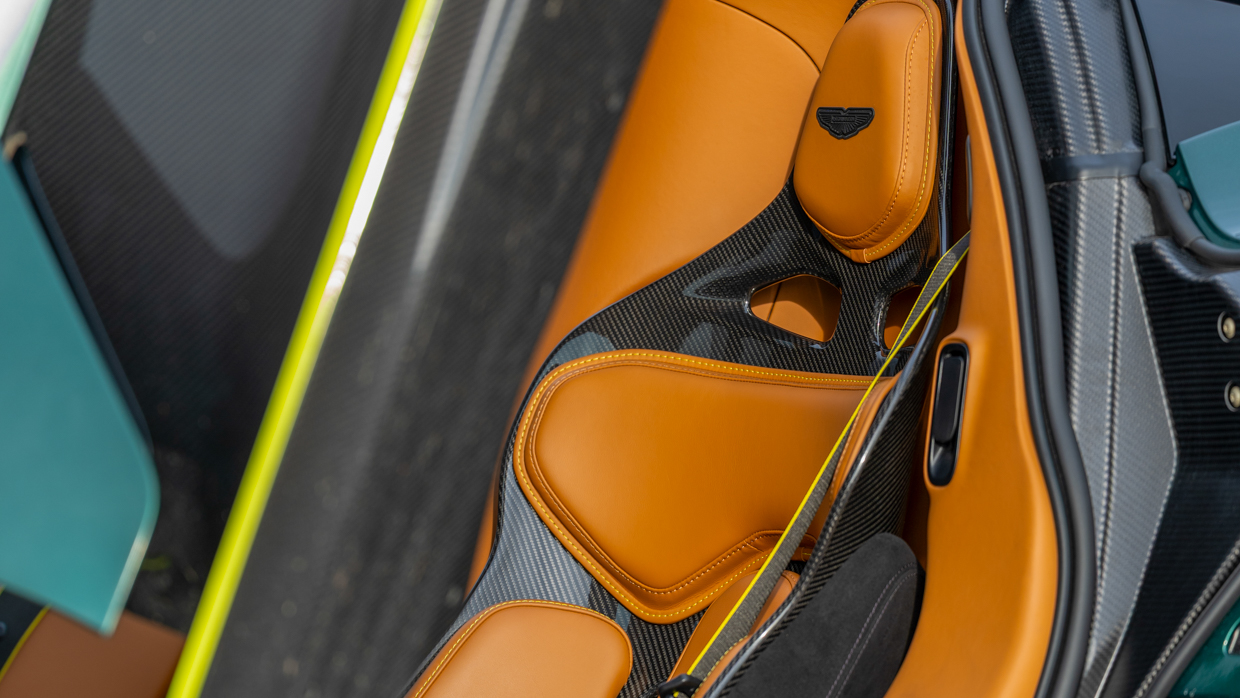
Despite the oddly shaped ‘wheel, everything in here is easy to fathom; there are screens, but their sizes and displays are subtle – indeed, you could argue the instruments don’t spark enough joy for a $1.7m sub-hypercar – and everything is legible and logical.
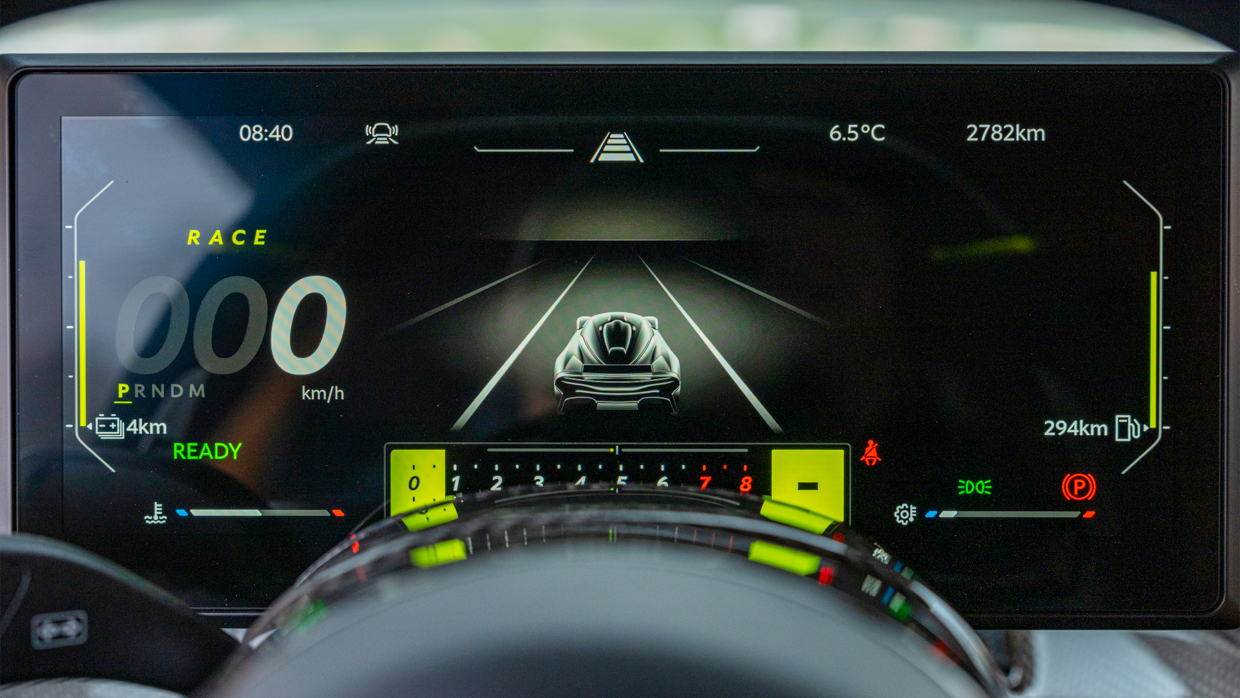
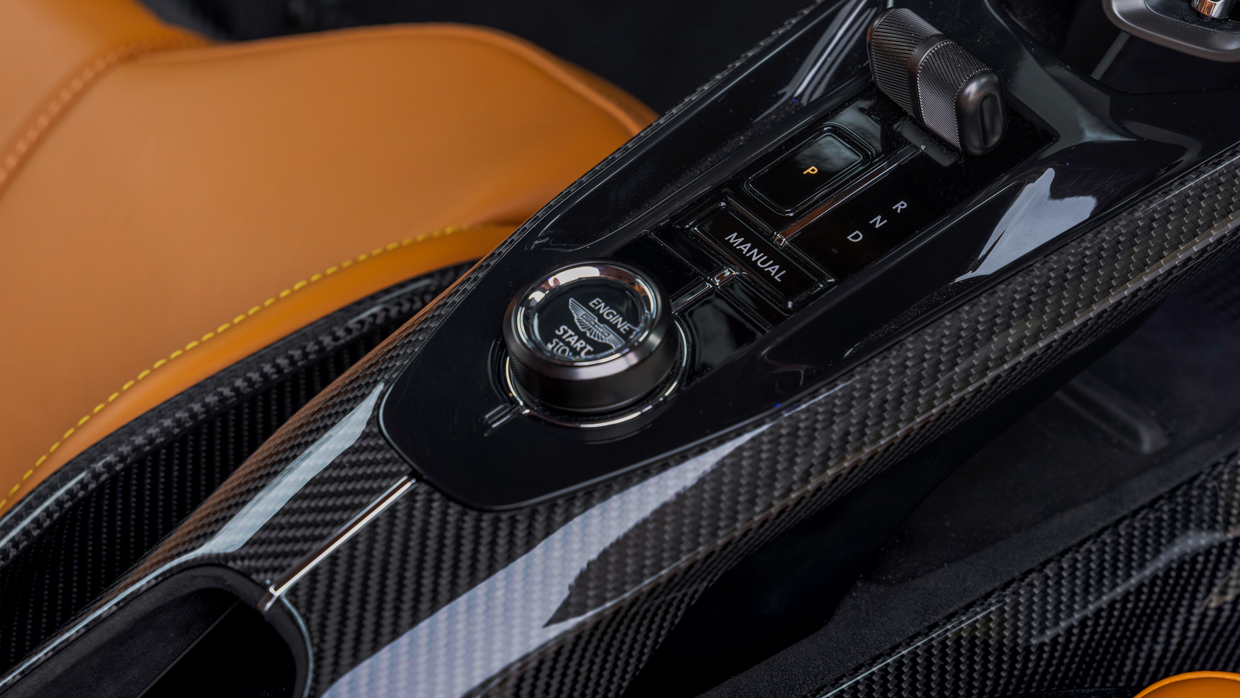
A passenger display is shunned in favour of some convincing racecar cosplay, even if you still get Apple CarPlay as standard on the touchscreen. This is at once a spectacular but easily navigated environment. And one big enough to accommodate taller folk even with a crash helmet in place.
How does it handle on track?
“It shouldn’t be a car that’s challenging you,” the engineers tell us as we pull on our lid and grit our teeth. “It’s a car that should make you feel like a better driver.”
Let’s hope so: Circuito de Navarra in northern Spain is sopping wet with no sign of the clouds shifting. The folks who made this car reckon we won’t be hanging on for dear life, however.
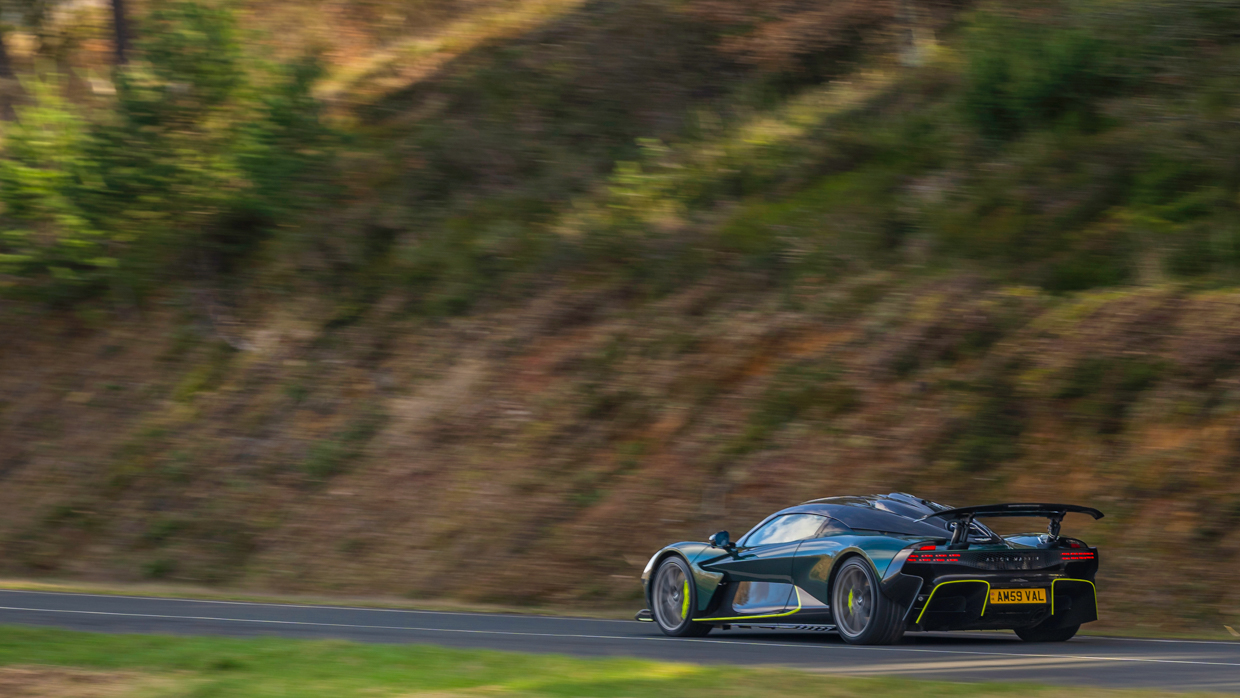
It’s outrageously fast and its engine revs very quickly indeed; you need to keep one eye on the instrument display in your early laps to avoid slamming – []hard[] – against its modest limiter. You start notifying your finger ends to pull the right-hand paddle as the revolutions pass six thousand in order to have shifted by seven, at which point the physicality of the change is very gratifying.
Yet something about the Valhalla’s calibration allows your brain to keep pace with it all. The flashing traction control light through much of our acceleration limits any desire to unwinding its assistance too far, but a shimmy out of bends and the fun, flicked-wrist collection of a small slide is all possible without turning the systems off.
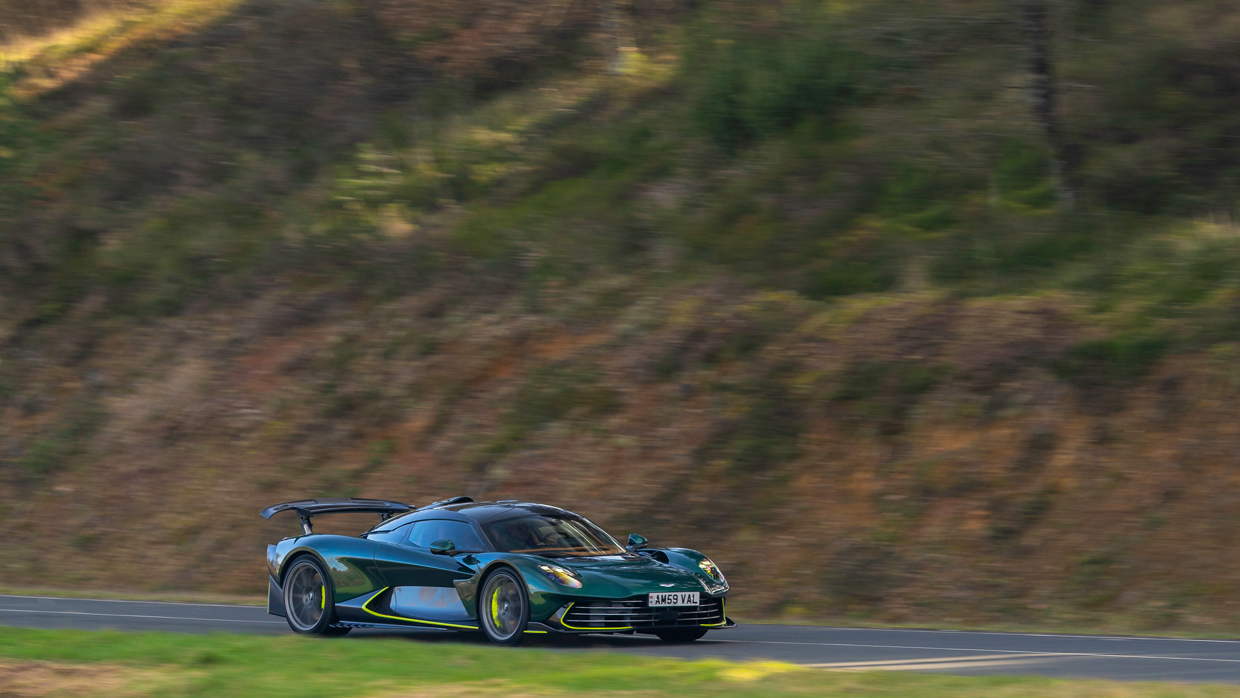
Happily it doesn’t require hypersonic pace or an irresponsible attitude to bring its character to the fore. Its brakes astonish as much as anything, with deep, progressive feel from the pedal despite the carbon ceramics operating at cold temperatures and with complex regenerative abilities built into even an ABS stop.
This is a car that flatters its driver and meets them at their level. And one you feel quicker and sharper in with each passing lap. Owners will surely get addicted to progression its relatively docile character fosters.
Aston says around half of Valhalla buyers are new to the brand; so-called ‘conquest sales’. You could argue it’s the car’s most staggering statistic given its stratospheric cost and performance. Half of its buyers will also push the already chunky price tag much further north thanks to ‘Q by Aston Martin’ bespoke options and liveries.
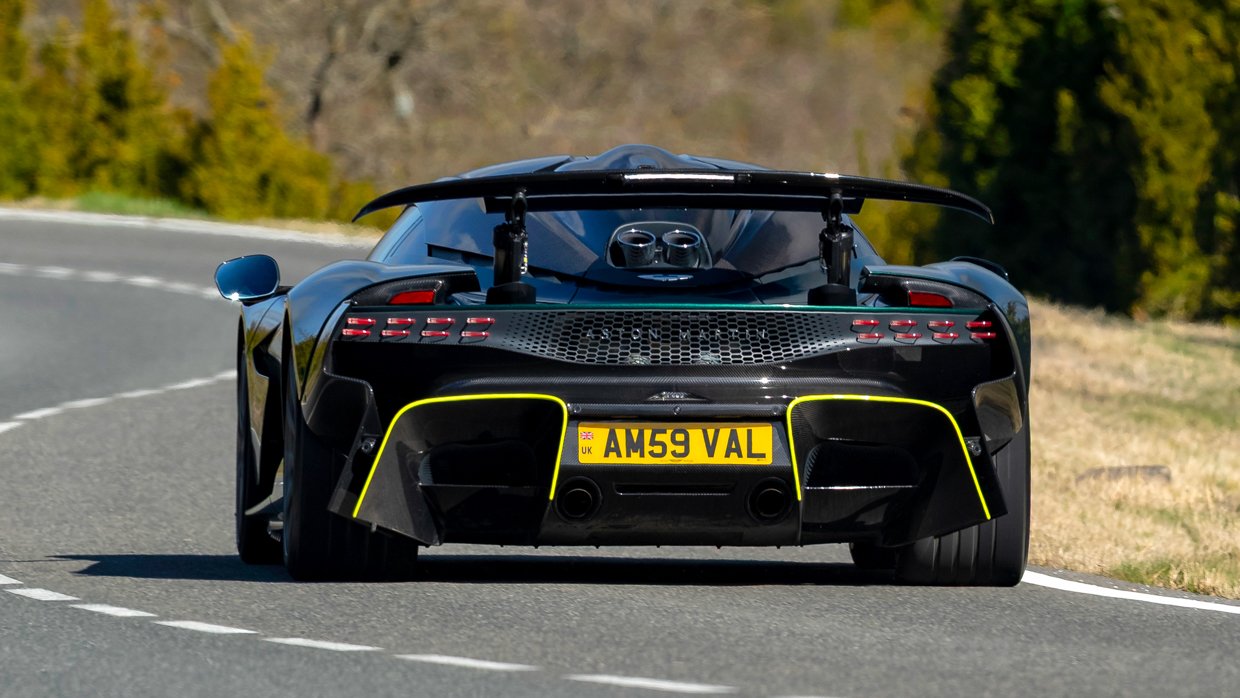
“Of all the cars that have already gone out, I don’t think two are the same,” Aston’s chief creative officer Marek Reichman tells me.
“We know from the Valkyrie that buyers want to have something special. They want to do their own individual thing. There are some amazing colour combinations that you would not think would work – some not typically ‘Aston Martin’. This is a car that can cope with a variation of colour.”
We expect around 70 of the 999-off run to make it to Australian shores. However their buyers paint them, the car beneath the skin is evidently something very special indeed. Even if it’s far from the Aston Martin your mind’s eye typically conjures up.