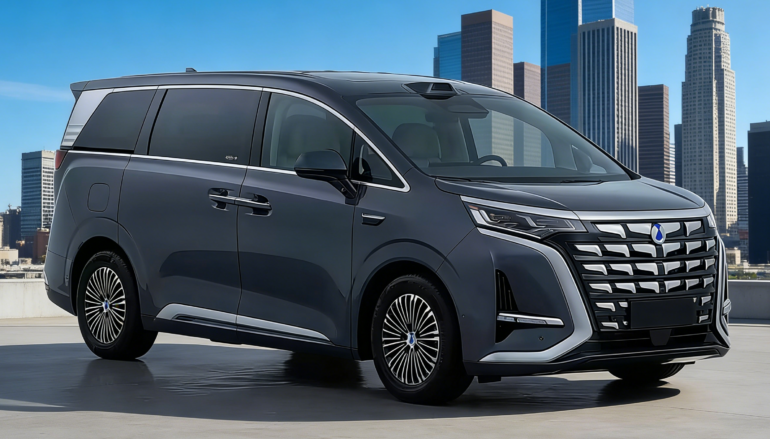
Wheels has received multiple inquiries from readers over the past six months asking about plug-in hybrid (PHEV) technology, how it works, whether it’s as efficient as the manufacturers’ claims, and whether it’s technology buyers should consider before signing on the dotted line.
In particular, the litres per 100km figure that is often quoted, doesn’t always make sense, certainly not in the traditional way that we’ve read those claims. It’s worth remembering fuel consumption tests exist only to compare one vehicle to another under the exact same laboratory conditions. It’s why cars very rarely come close to matching the claim in the real world.
Chery’s Super Hybrid system is one we’ve been asked about more than once, specifically, with impressive range claims attracting people to technology they might not have otherwise considered.
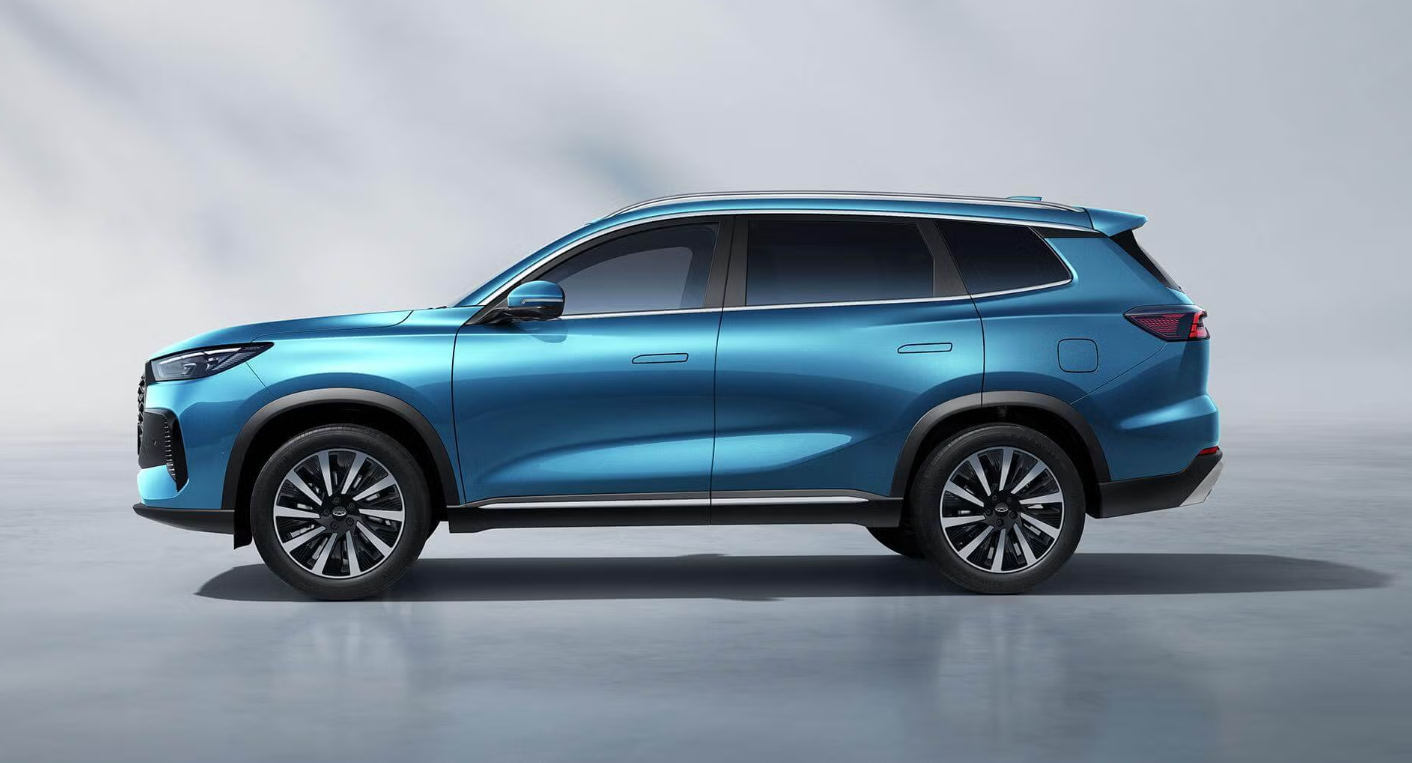
Right off the bat, I can tell you this. Last year, I got behind the wheel of a Jaecoo J7 (a Chery brand) in Cape Town, South Africa, and driving to normal traffic conditions, at the posted speed limit, on roads very similar to ours here in Australia, covered 1170km.
1
The tank was sealed, it wasn’t plugged in to charge at any point over the drive, and after we arrived at the airport in Port Elizabeth, the J7 had to travel another 50km back to the transport base, cracking the 1200km range, thus delivering on the claim.
Over the 1200km that equated to a 5.2L/100km real-world consumption, over and above the fact that your daily commute would be covered by the 90km electric-only claim.
And with most PHEVs now offering 90km or more in pure-EV range, Aussies are starting to see the value in technology that was previously maligned.
The J7 is very similar in proportion to a RAV4, with medium SUVs one of the sweet-spot segments in the Australian new car market. And we know that a RAV4 will average mid 5L/100km figures around town every day of the week.
As we’ve seen with other advancements in pure-electric technology, China’s manufacturers are leading the charge with PHEV technology as well. The sheer volume available to them, and the depth of engineering investment, means manufacturers in China can bring technology to market faster, and in ways other automakers can’t match.
1
Wheels recently spoke to Chery’s Executive Director of Engineering, Peter Matkin, to find out why the carmaker has taken the path it has.
Early PHEV systems were significantly less nuanced than the Chery system we’re looking at here. A fully-charged battery drove the vehicle for however long it could, then when it was depleted, the petrol engine kicked in, and had to drag a largely-ineffective electric powertrain around that wasn’t doing anything. It meant that real-world fuel consumption figures were significantly higher than a more conventional closed-loop hybrid that was efficient all the time. Further, it was easy to deride a system that claimed 50km – or less – of pure-EV range as nothing more than a sideshow.
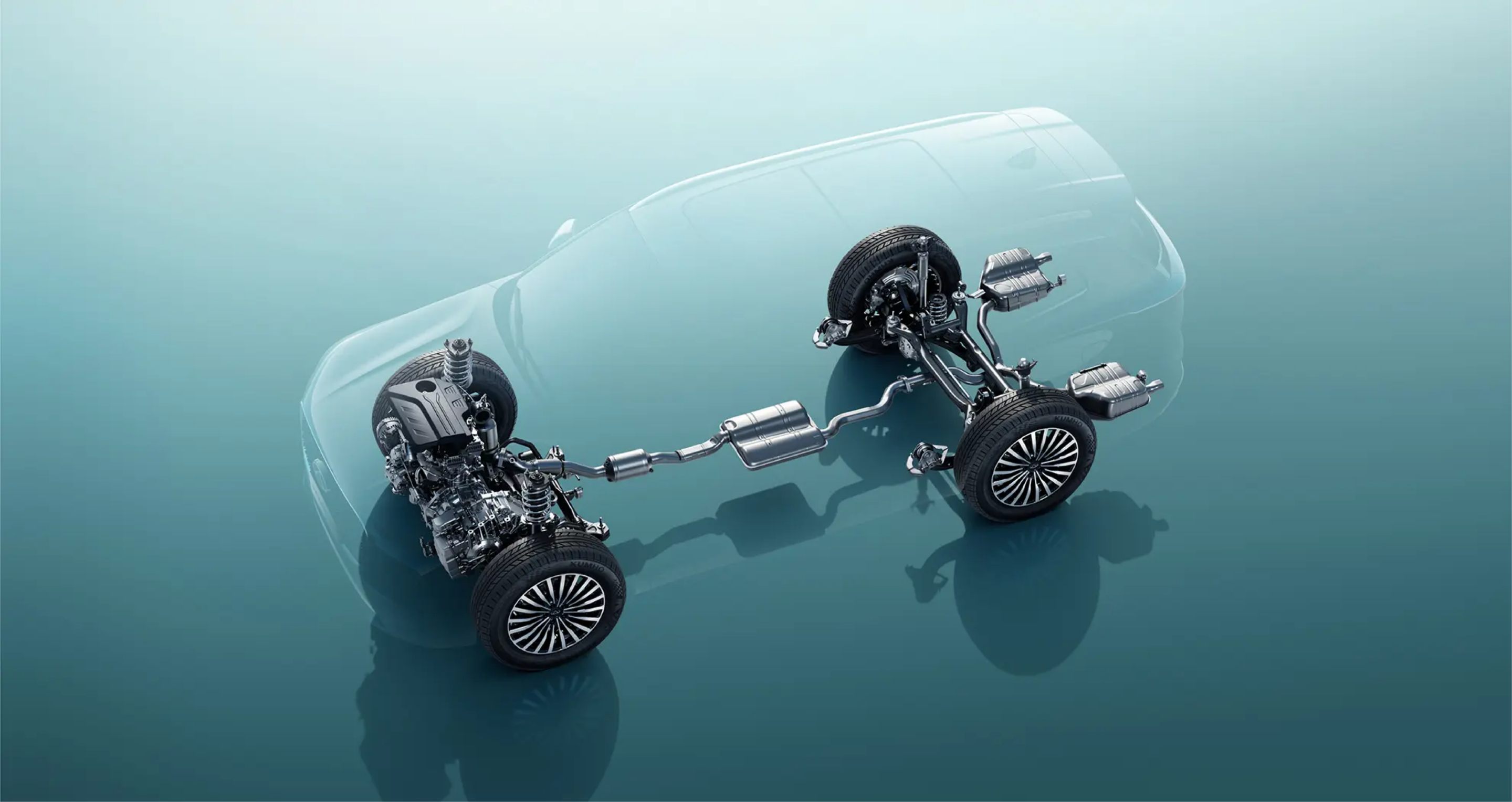
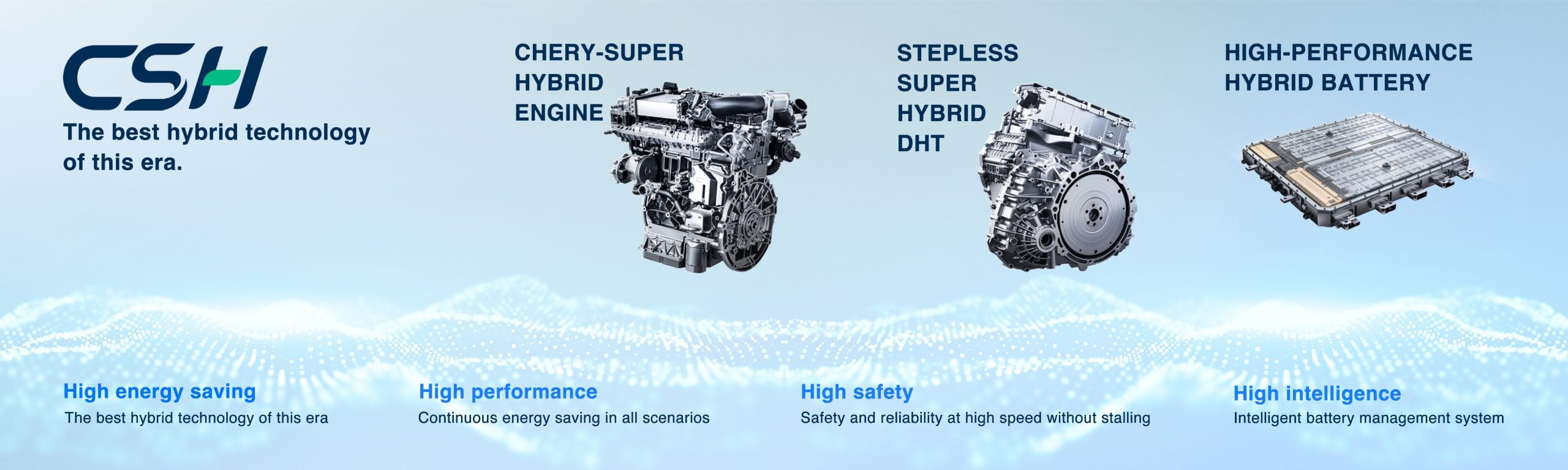
In designing not only its own engine and electrical system, but also a dedicated transmission, Chery is honing in not just on driveability, but also efficiency, whether you have a fully charged battery pack or not. According to Matkin, in-house development is the key.
Chery has designed its own hybrid-specific transmission, rather than look to an external supplier, and Matkin says that is one of the keys to achieving the end result the brand is looking for.
1
“The way we’ve engineered the transmission, and the way we’ve built the brain to control it, gives us the freedom to get exactly what we want out of it, rather than be told, ‘this is what you’re getting’,” says Matkin.
“There are some components and technologies where if you’re an expert, we will hire you to come in-house, but critical systems like the engine and transmission, we do in-house ourselves. Because when you’re trying to integrate these critical systems,
it’s not so easy when you’re working with a third party.
“As long as you have the volume, it’s easier to do yourself and I think if we had gone to a company and asked for the transmission to work the way we’ve got it working, they would have said, ‘no, we don’t do it like that’.”
Where a conventional PHEV relies on regular charging up to 100 per cent to deliver its best performance, Chery’s take on the fuel-saving technology via its Super Hybrid system will keep a minimum level of battery charge at all times.
That means the drivetrain can deliver consistent performance across varied driving conditions. Crucially, even if you never plug in Chery’s PHEV, as some owners confess they don’t, the system still operates efficiently.
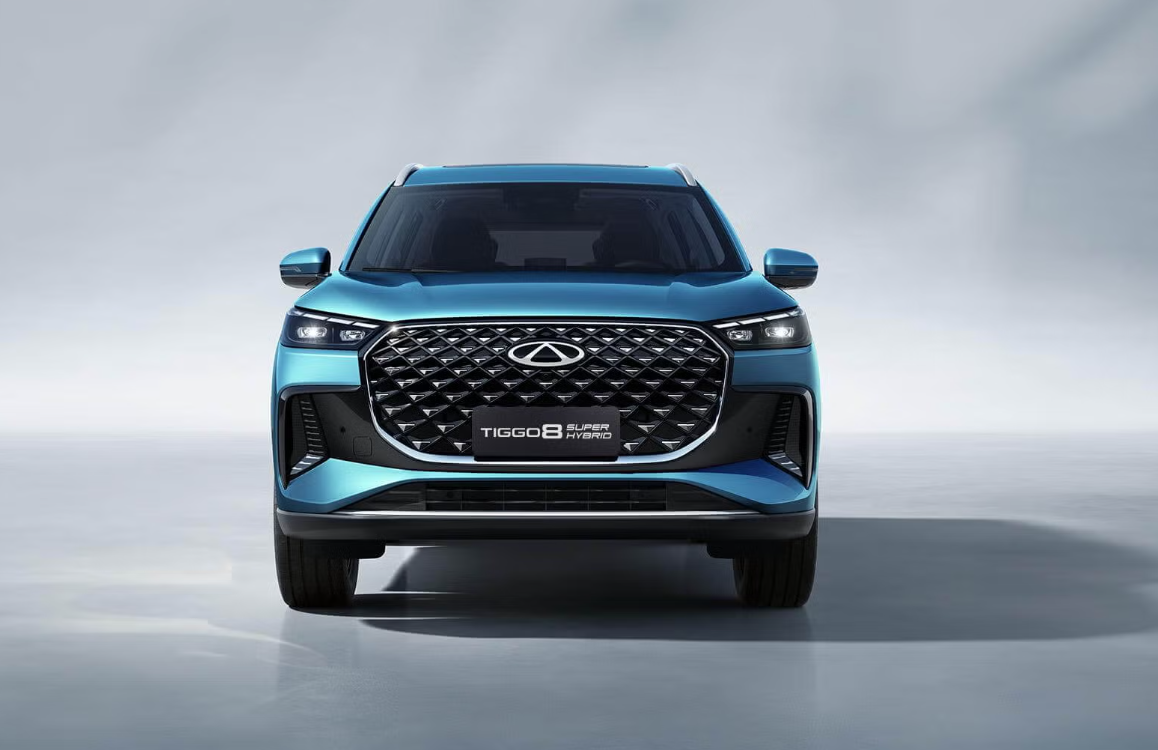
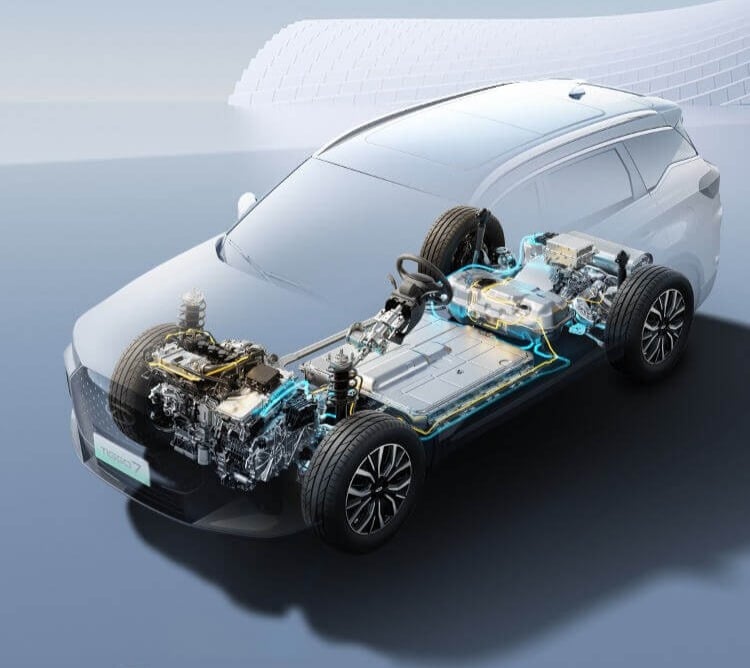
Using the Tiggo 8 Super Hybrid as an example, Chery claims up to 90km electric range, thanks to its 18.4kW/h battery pack, which feeds power into a 150kW/310Nm electric motor. Then there’s a 1.5-litre, four-cylinder, direct injection petrol engine, with class-leading thermal efficiency and an electronically-controlled turbocharger.
1
Matkin says ensuring the engine can breathe to its optimum, maximising the combustion value, and squeezing every last bit of energy out of every drop of fuel is key.
Crucially, the engine has been designed – and the clever control system tailored – to work with a PHEV powertrain from the outset. The control unit ensures the battery never dips below 20 per cent state of charge, meaning there’s always electric power in reserve. The concept of engine as generator isn’t new of course, but Chery has refined the way the system works to deliver significantly better all-road efficiency in real-world driving.
“The way we’ve engineered this hybrid system, you still get the benefits of electricity because you’re still charging the battery while you’re driving and the powertrain has the option to either drive the wheels or charge the battery,” Matkin tells Wheels. “It’s not like some of the early hybrid systems where you used all your electric power and once it’s gone, it’s gone.
“Then you’re just lugging this battery around, that is doing nothing.”
Subtlety was always going to come to the workings of a PHEV system, but the changes have been swift, with Chery adamant that all-round efficiency is as important – if not more important – than the initial electric-only range.
“This system is absolutely a little different to what a lot of other established OEMs have done,” says Matkin. “We’ve kept this capability to have some electrical support, and you’ve also got the Atkinson cycle combustion engine support. Battery management is quite critical, and the brains of how you control the system, how to protect it from heat, the cell technology of the battery, for example. So it is a little bit of everything, but the efficiency of the internal combustion engine is the heart of it.”
With a long history in automotive and much of it spent at companies like Jaguar/Land Rover, Matkin is well-placed to dissect the inertia that comes with ‘we do it this way’ engineering. And after more than a decade working in China, his message is clear. The might of manufacturing and the will to succeed with a new way of thinking is a reality.
Thermal efficiency is one example, with Chery approaching 50 per cent efficiency, something previously the domain of F1 level technology.
“Well, there’s still 50 per cent to go,” Matkin says. “From an engineering point of view, we’re already thinking, what can we do to make this work better? Can we get there or not? I don’t know. But we’re going to aim for it.”
Reviews
Chery Tiggo 9 review: Plug-in hybrid seven-seater aims to take market share from established rivals
Chery’s bargain seven-seater Tiggo 9 looks highly capable on paper with stats like a claimed 146km electric range and 315kW, but how does it fare against its main rivals?
February 24, 2026
This story first appeared in the March 2026 issue of Wheels magazine, now on sale. Subscribe here and gain access to 12 issues for $109 plus online access to every Wheels issue since 1953.