The global electric motorcycles and mopeds market is experiencing strong momentum, driven by rising environmental concerns, urban mobility challenges, and policy-driven efforts to decarbonize transport. Governments across Asia, Europe, and Latin America are implementing regulations and incentive programs to promote the adoption of zero-emission two-wheelers, particularly in congested urban centers where air quality and noise pollution are pressing issues.
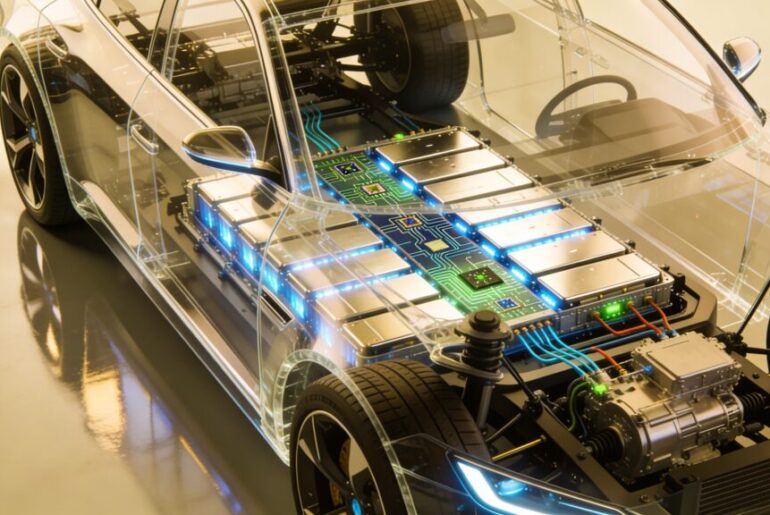
Advancements in battery technology, vehicle performance, and charging infrastructure are broadening the appeal of electric two-wheelers for both personal and commercial use. Improvements in battery density, swappable battery systems, and rapid-charging networks are enhancing convenience, enabling longer range and faster turnaround times for users and delivery operators alike.
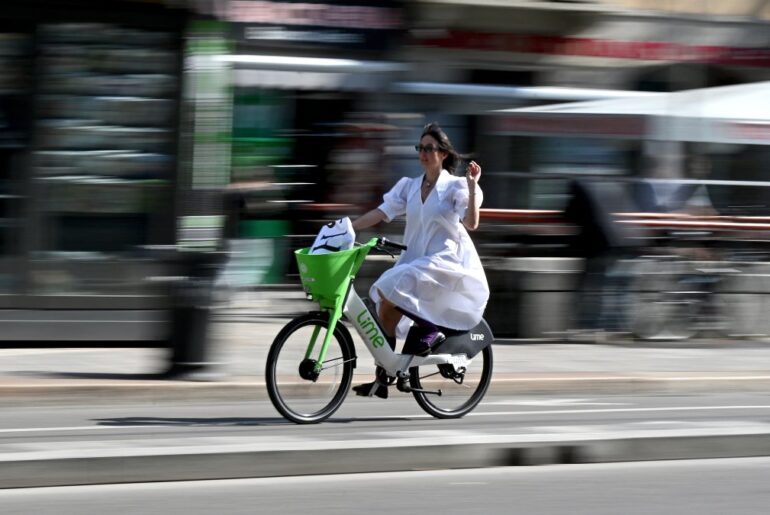
Manufacturers are increasingly developing smart, connected electric two-wheelers that integrate app-based diagnostics, telematics, and real-time fleet tracking to cater to a tech-savvy consumer base and logistics service providers. Strategic partnerships among OEMs, battery providers, and mobility platforms are fostering scalable solutions for urban mobility, including subscription-based and shared e-mobility services.
While challenges persist around cost competitiveness, charging accessibility, and battery lifecycle management, the total cost of ownership is becoming more favorable due to lower maintenance and energy expenses. As cities worldwide embrace electrified micro-mobility as a cornerstone of sustainable transport planning, the electric motorcycles and mopeds market is positioned to play a key role in reshaping short-distance mobility and reducing transport emissions globally.