Support CleanTechnica’s work through a Substack subscription or on Stripe.
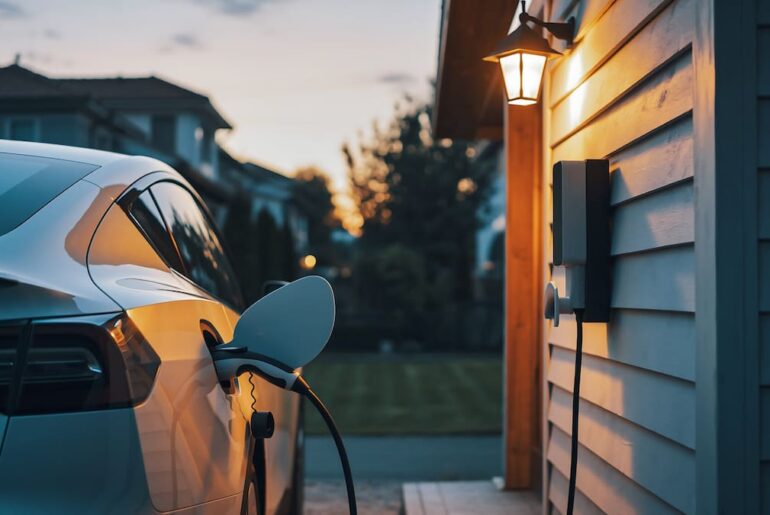
With gas prices surging, some people may be looking into purchasing an electric vehicle — since charging at home can cost much less than paying for gasoline or diesel at gas stations. Plus, home charging is simply more convenient and it saves time.
There is a myth that electric vehicles “cost too much.” However, there are many new electric vehicles that cost far less than the average cost of a new vehicle in the US, which is about $50,000. The following list was generated by Google AI:
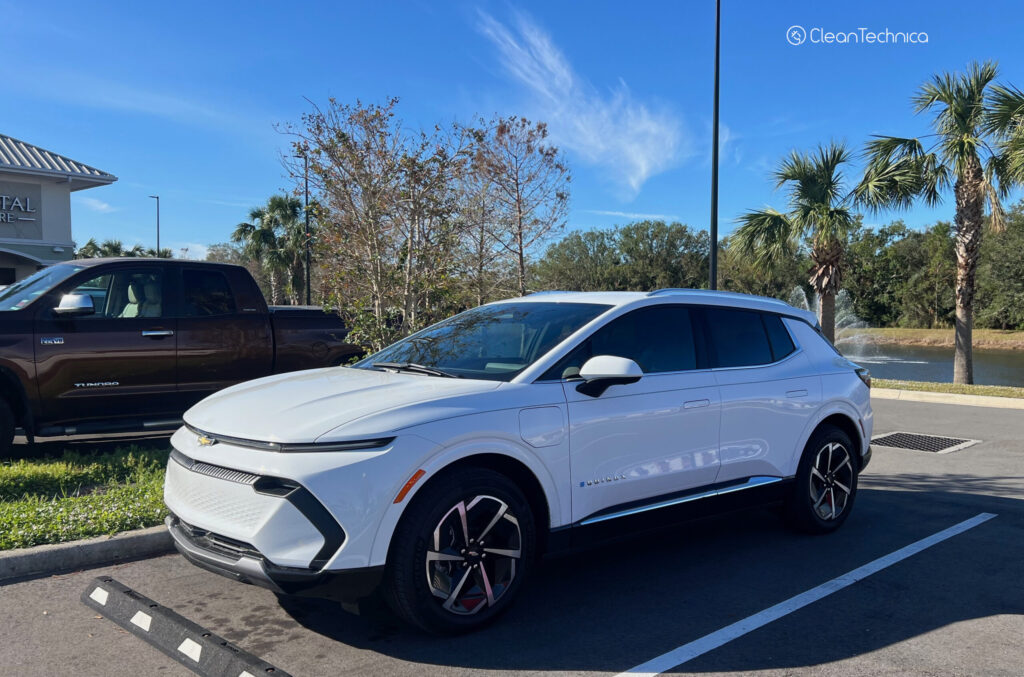
2027 Chevrolet Bolt: ~$28,995
2026 Nissan LEAF: ~$30,000–$31,535
2025 Fiat 500e: ~$32,495
2025 Hyundai Kona Electric: ~$34,470
2026 Chevrolet Equinox EV: ~$35,000–$36,795
2026 Toyota bZ (formerly bZ4X): ~$36,350
2026 Subaru Uncharted: ~$36,445
2026 Hyundai Ioniq 5: ~$36,600 (RWD SE)
2026 Tesla Model 3: ~$36,990–$38,630 (RWD)
2026 Ford Mustang Mach-E: ~$37,795–$39,990
2026 Toyota C-HR: ~$38,450
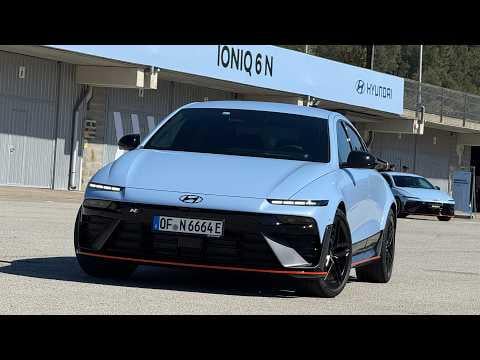
2026 Hyundai Ioniq 6: ~$39,095 (2025 pricing)
2026 Subaru Solterra: ~$39,945–$40,000
2026 Kia Niro EV -$40,045–$41,045
These prices do not include potential discounts, destination charges, or potential state EV incentives. The federal EV incentives have been gone for a while, but some states still have their own. These are typically “blue states” such as California, New York, and Colorado.
An article on AOL.com states that it’s actually dealer discounts that are driving the prices of some new EVs even far below $42,000: “The highly rated Chevy Equinox EV, with a sticker price of $36,495, can be had for about $24,500 at dealers in Florida and Virginia. A new $36,945 Hyundai Ioniq 5 is on sale at a dealer in Fresno for $25,845.”
My local Chevy dealer has a 2026 Chevy Equinox EV discounted to about $27,500 in cash. Apparently, GM has been offering a $10,000 discount on some Equinox EVs. Again, some states still have EV rebates and some local utilities do as well. The lower priced new EVs will save a person money by having a more affordable sticker price. They will also save money because electricity costs less than gasoline or diesel. Even more savings will result from using regenerative braking instead of relying on brake pads in conventional cars which wear out and need to be replaced more frequently. EVs don’t need oil changes, and they have fewer parts to break down and replace. Additionally, they don’t have catalytic converters that can get stolen and need to be replaced.
All of this information is only about new EVs; there are far more affordable used ones for less than $24,000.
So, no, not all electric vehicles “cost too much.” And what is the cost of importing foreign oil, climate change impacts, disastrous oil spills, dumb wars, toxic air pollution that harms human health and contributes to premature deaths, corrupt politics, potential racism, and the cost of inaction — taking no steps to solve these problems.
Sign up for CleanTechnica’s Weekly Substack for Zach and Scott’s in-depth analyses and high level summaries, sign up for our daily newsletter, and follow us on Google News!
Advertisement
Have a tip for CleanTechnica? Want to advertise? Want to suggest a guest for our CleanTech Talk podcast? Contact us here.
Sign up for our daily newsletter for 15 new cleantech stories a day. Or sign up for our weekly one on top stories of the week if daily is too frequent.
CleanTechnica uses affiliate links. See our policy here.
CleanTechnica’s Comment Policy