That’s changing the equation for buyers weighing higher upfront costs against long-term savings – because on running costs, the advantage is clear.
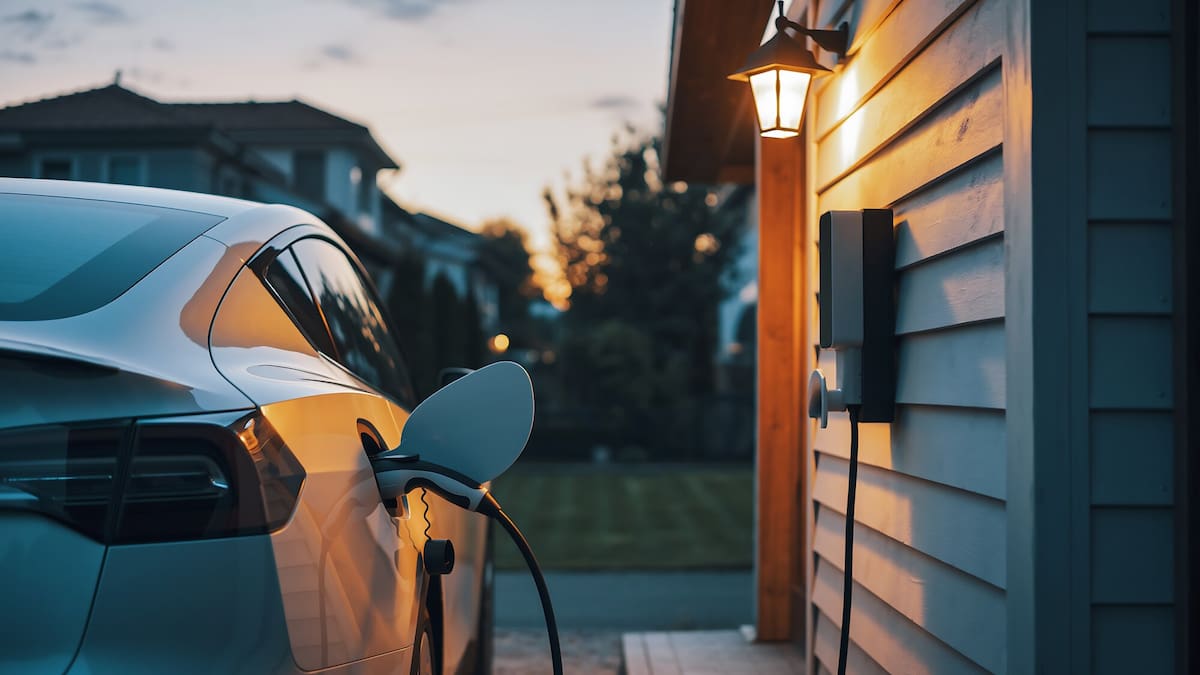
While petrol is well over $3/litre, “for a kilowatt hour charging at home, you’re around about 25 cents,” Sergel says. For his EV, it works out to about $12 to drive 200 kilometres, or roughly 6 cents per kilometre.
Road User Charges (RUCs) now apply to electric and plug-in hybrids, but even after those are accounted for, “you’re going to be better off” at today’s fuel prices, he says.
Maintenance is another potential financial benefit. Sergel says EVs have “less than 20 moving parts”, far less than in combustion engines – meaning there are fewer things to service or break.
But for many buyers, the biggest financial anxiety about EVs is the battery, which can cost thousands to replace.
However, not only has that cost come down substantially, but the life of batteries is proving to be very long. Sergel points to US to taxi fleets running EVs, “They’ve got over a million kilometres out of their battery … and it’s showing a state of health in the 70 to 75% range.”
Still, EVs aren’t a one-size-fits-all financial decision. “It might not be for everyone,” he says. For example, drivers clocking up long distances daily, or those without easy access to charging.
But for typical urban use – short, regular trips – the balance is increasingly tipping. Sergel says: “If you look at the majority of New Zealand motorists who do less than 70 kilometres in a couple of days, EVs stack up really well.”
Watch or listen to the full episode of The Prosperity Project for more.
The Prosperity Project is hosted by Nadine Higgins, an experienced broadcaster and financial adviser.
Follow the show at iHeartRadio, Apple Podcasts, Spotify or wherever you get your podcasts. New episodes are released every Monday.