https://speedme.ru/en/posts/id39552-affordable-evs-in-spain-2026-new-models-prices-and-subsidies
Affordable EVs in Spain 2026: New models, prices, and subsidies
Affordable electric cars coming to Spain in 2026
Affordable EVs in Spain 2026: New models, prices, and subsidies
Discover new electric cars under €25,000 launching in Spain in 2026, including Volkswagen Group models and Renault Twingo, with details on prices, range, and Plan Auto+ subsidies.
2026-03-29T16:04:11+03:00
2026-03-29T16:04:11+03:00
2026-03-29T16:04:11+03:00
For years, the main argument against buying an electric car has been price. In 2026, that changes: several models produced in Spain are hitting the market with more accessible price tags and a real WLTP range exceeding 400 km. An additional factor is the launch of the Plan Auto+ subsidy program, whose terms are already defined.The key change lies not only in price but also in production localization. Factories in Martorell and Landaben are becoming assembly hubs for new models on Volkswagen Group’s MEB Entry platform, with batteries supplied from the gigafactory in Sagunto. This intensifies competition and puts direct pressure on costs.Volkswagen Group’s Trio: Raval, ID. Polo, and EpiqCUPRA Raval will be one of the year’s main debuts. The model will offer up to 450 km WLTP in Dynamic and Dynamic Plus versions. The base price is expected around €26,000, with more equipped versions being more expensive.Volkswagen ID. Polo is positioned as an electric car costing under €25,000 in its base configuration. Higher versions with a larger battery and extended equipment will approach €28,000 including subsidies. Range is up to 420 km WLTP.Skoda Epiq, assembled in Navarre, focuses on practicality and family use. The expected price is around €25,000.All three models will receive the CERO label and can qualify for maximum government subsidies.Renault Twingo E-Tech – A Price BreakthroughThe most affordable offering will be the Renault Twingo E-Tech. Its real price in Spain is already approaching €18,000 through special offers. Range is about 260 km WLTP, making it an optimal urban electric vehicle.The model isn’t designed for long trips, but for daily city driving, it represents one of the market’s most advantageous offers.Plan Auto+ and the Subsidy SystemThe Plan Auto+ program provides subsidies of up to €4,500 for passenger cars. The system is based on three criteria: an electric powertrain, a price below €35,000 before taxes, and European production of both the vehicle and its battery.Subsidies apply retroactively from January 1, 2026, with the program’s total budget at €400 million. New models produced in Spain have a high chance of meeting all conditions for maximum support.In 2026, the affordable electric car is no longer an abstract promise, at least in Europe. Local production, price reductions, and government subsidies are shaping a new market reality. Spain is becoming one of the key centers of the European electric vehicle industry, and the under-€25,000 segment is reaching a qualitatively new level of competitiveness.
affordable electric cars, Spain 2026, EV prices, Volkswagen Group, Renault Twingo, Plan Auto+ subsidies, electric vehicle market
2026
articles
© A. Krivonosov
Discover new electric cars under €25,000 launching in Spain in 2026, including Volkswagen Group models and Renault Twingo, with details on prices, range, and Plan Auto+ subsidies.

Michael Powers, Editor
16:04 29-03-2026
For years, the main argument against buying an electric car has been price. In 2026, that changes: several models produced in Spain are hitting the market with more accessible price tags and a real WLTP range exceeding 400 km. An additional factor is the launch of the Plan Auto+ subsidy program, whose terms are already defined.
The key change lies not only in price but also in production localization. Factories in Martorell and Landaben are becoming assembly hubs for new models on Volkswagen Group’s MEB Entry platform, with batteries supplied from the gigafactory in Sagunto. This intensifies competition and puts direct pressure on costs.
Volkswagen Group’s Trio: Raval, ID. Polo, and Epiq
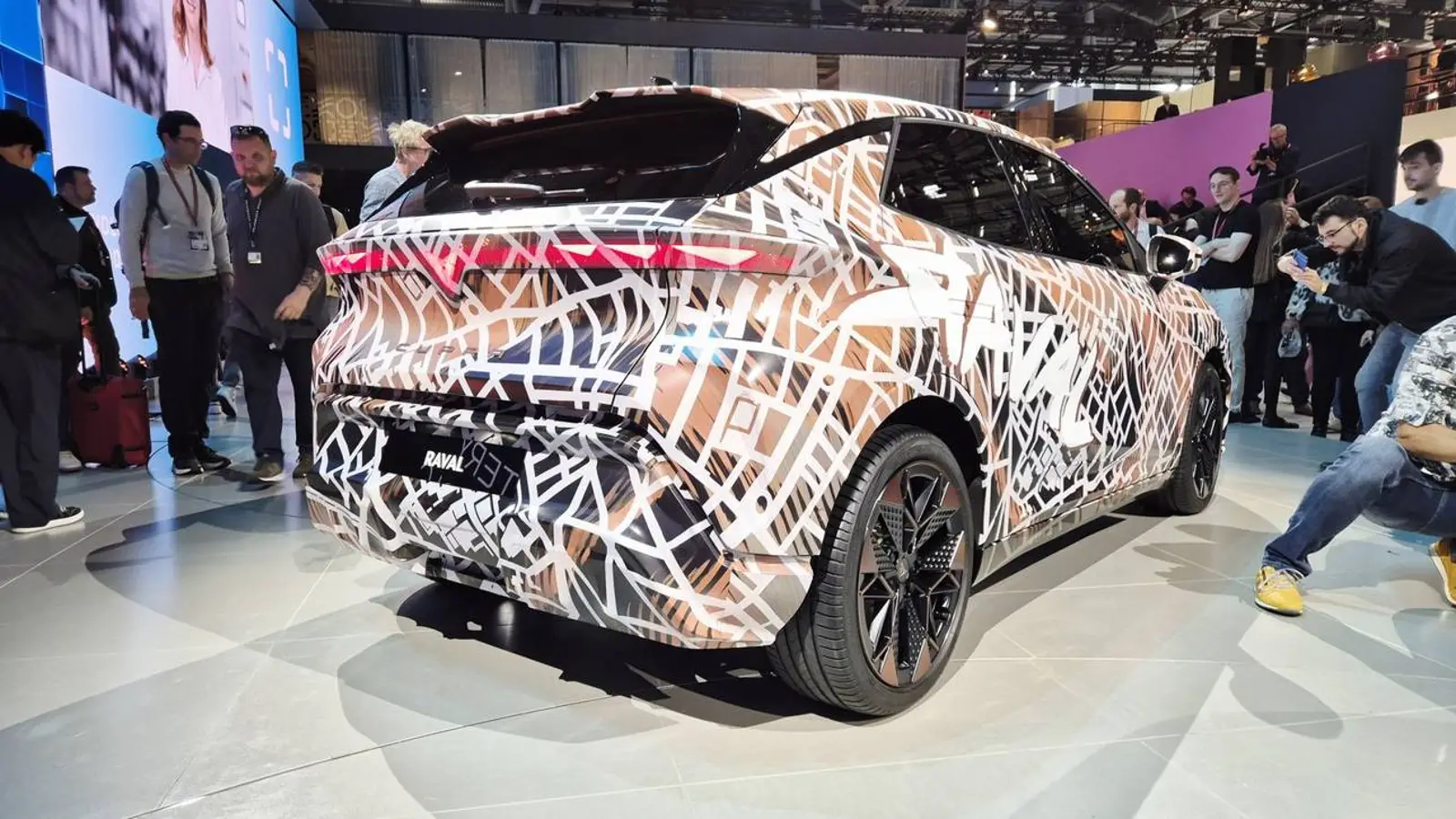
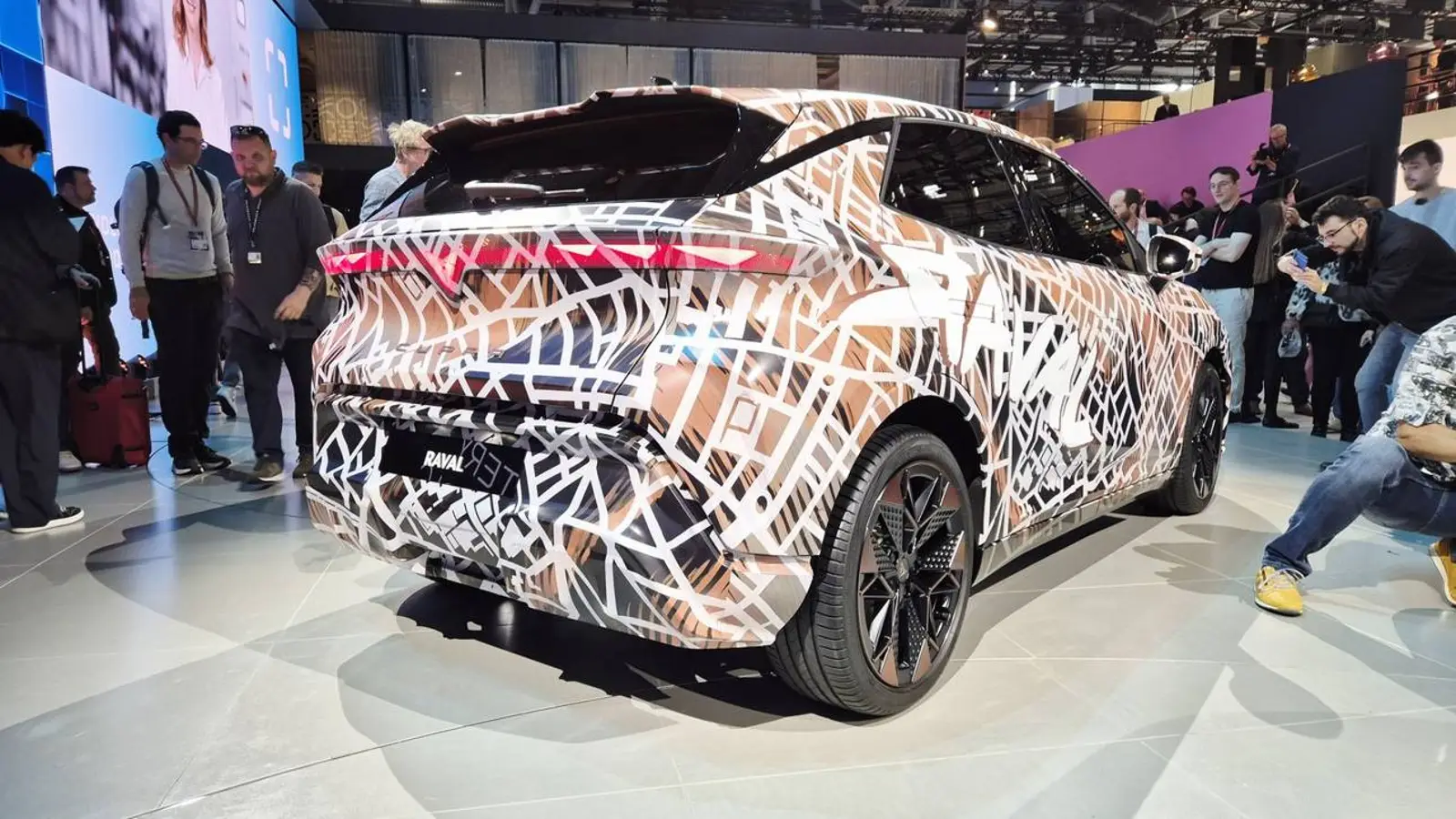
CUPRA Raval will be one of the year’s main debuts. The model will offer up to 450 km WLTP in Dynamic and Dynamic Plus versions. The base price is expected around €26,000, with more equipped versions being more expensive.
Volkswagen ID. Polo is positioned as an electric car costing under €25,000 in its base configuration. Higher versions with a larger battery and extended equipment will approach €28,000 including subsidies. Range is up to 420 km WLTP.
Skoda Epiq, assembled in Navarre, focuses on practicality and family use. The expected price is around €25,000.
All three models will receive the CERO label and can qualify for maximum government subsidies.
Renault Twingo E-Tech – A Price Breakthrough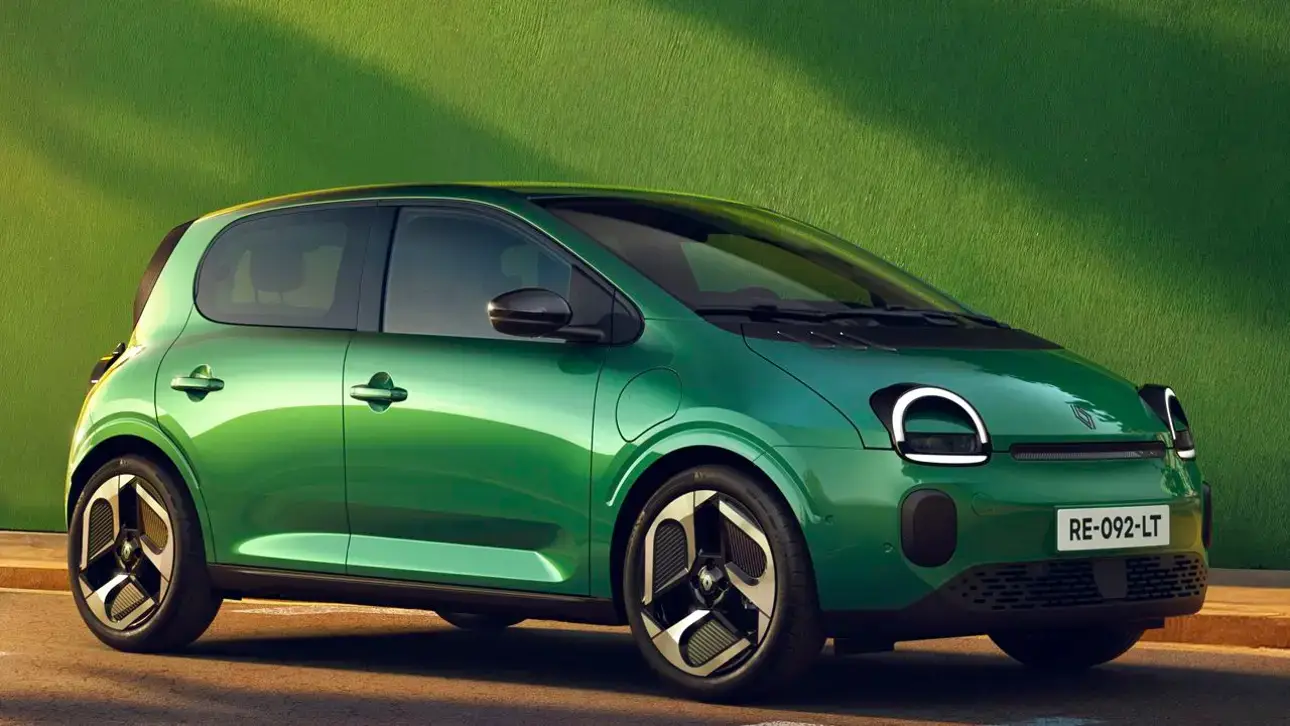 © media.renault.com
The most affordable offering will be the Renault Twingo E-Tech. Its real price in Spain is already approaching €18,000 through special offers. Range is about 260 km WLTP, making it an optimal urban electric vehicle.
The model isn’t designed for long trips, but for daily city driving, it represents one of the market’s most advantageous offers.
Plan Auto+ and the Subsidy System
The Plan Auto+ program provides subsidies of up to €4,500 for passenger cars. The system is based on three criteria: an electric powertrain, a price below €35,000 before taxes, and European production of both the vehicle and its battery.
Subsidies apply retroactively from January 1, 2026, with the program’s total budget at €400 million. New models produced in Spain have a high chance of meeting all conditions for maximum support.
In 2026, the affordable electric car is no longer an abstract promise, at least in Europe. Local production, price reductions, and government subsidies are shaping a new market reality. Spain is becoming one of the key centers of the European electric vehicle industry, and the under-€25,000 segment is reaching a qualitatively new level of competitiveness.