Support CleanTechnica’s work through a Substack subscription or on Stripe.
With the support of President Donald J. Trump, the Republican-controlled US Congress rescinded a $7,500 federal EV tax credit, leading to an initial plunge in EV sales. However, the US/Israel war against Iran has reignited demand for electric vehicles and the batteries that power them. Innovations in the EV battery sector make rising consumer interest in EVs particularly timely.
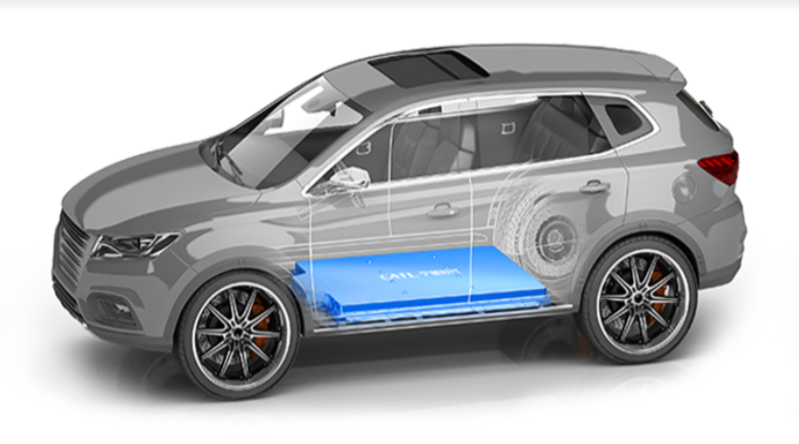
Reimagined battery architecture: BYD’s European sales are on the rise. The Chinese automaker is a rapid innovator, including an early adopter of new cell-to-body EV battery architecture that saves on weight and cost while improving performance. Cell-to-body refers to the idea that the structural elements of EV battery cells can be integrated into the chassis, without the addition of pack structures. No longer are cells contained in a traditional battery pack and then installed into the car, they are integrated into the car’s body. Volvo is among the early adopting frontrunners.
Prices fall, parity is on the horizon: Forecasts are that plummeting battery prices will push battery EVs below parity in two to four years in Europe. In China, it may happen even sooner. Battery prices are likely to drop as much as 70% in the next five years. CATL, BYD, Volkswagen Group, and IEA have been chronicling this expectation in press releases and reports. Altogether, a drop in battery prices will have a residual effect on the retail prices automakers set.
LFP battery innovations: Automakers have already started to shift from the familiar lithium-ion formula to LFP (lithium-iron-phosphate), which avoids the supply chain complexities posed by cobalt and other Li-ion battery inputs. LFP have several other potential advantages. They last longer than other lithium-ion batteries. They can charge faster. The latest sodium batteries from CATL and BYD are able to shrug off the cold temperatures that plague LFP batteries. Last summer both Ford and GM announced plans to roll over into LFP batteries.
Massless EV batteries: A research team at Chalmers University in Sweden has been developing massless EV batteries. The key ingredient in this EV battery innovation is carbon fiber, the same lightweight but tough versatile material that goes into auto body parts. Most recently they’ve been exploring how different materials interact, which explains why they only used carbon fiber for the anode (the negative electrode). They deployed aluminum foil coated with a lithium-iron-phosphate formula for the cathode, and the separator consisted of a flexible fiberglass fabric embedded in the electrolyte.
The old is new again: Solid-state EV batteries do not have the liquid electrolyte found in conventional lithium-ion batteries. Instead, they deploy an electrolyte made of high-tech ceramics or some other solid material. Scaling up the technology for use in EVs has posed a formidable R&D challenge. Among the solid state innovators attracting attention from the auto industry is the Massachusetts-based startup Factorial Energy.F actorial anticipates that a collaboration with POSCO will support a reliable, global supply chain for its solid-state EV batteries, complementing its South Korean factory as well as a facility in its home state.
An afterlife for EV batteries: There is a robust market for used EV batteries. That’s because they can be reused for energy storage, turning an array of batteries into a grid connection and passive income. Ford was among the automakers to explore the use of spent EV batteries for stationary energy storage. The idea is that EV batteries still have a good deal of life in them, even after they are no longer considered fit for mobility. Repurposing them for energy storage squeezes out one last bit of value before the go off to a recycling facility.
Recycling EV batteries: EV battery recycling is crucial to a sustainable, electrified transportation system. A substantial portion of key minerals for electrifying can be harvested from recycled batteries. The hope is that, by 2050, recycled EV batteries can dramatically reduce the need for new mining. How those batteries are recycled can make a big difference: recycling processes must focus on high mineral recovery rates and low environmental impact.
Final Thoughts
Misinformation about electric vehicles can have real consequences to the transition to electric mobility. Such subterfuge creates unfounded fears and slows social acceptance and the inevitable market increase of electric vehicles sales. The truth is that battery technology keeps improving, and contemporary software systems now manage batteries in sophisticated ways. Wood MacKenzie’s 2026 Outlook states that “the EV and battery market is entering a critical phase of maturation defined by organic growth, regulatory shifts, and the commercial debut of next-generation technologies.”
Fifteen or so years ago, when EV batteries were a novelty, early adopters were unsure about the longevity of the huge lithium-ion batteries that powered their new vehicles. A pervasive myth about EVs was that used electric cars would be nearly impossible to sell because the batteries age quickly and need to be replaced after a few years — to the tune of tens of thousands of dollars, continues the out-and-out lie.
In fact, batteries are lasting longer in the field than anticipated. As Stephanie Valdez-Streaty, who follows EV trends for Cox Automotive, illuminates, “These batteries are built to outlast the cars.” These batteries can store a relatively large amount of electrical energy, perform well at high temperatures, can withstand low temperatures without being damaged, have a low self-discharge rate, and are able to withstand many charge cycles while retaining almost all of their original capacity.
As CleanTechnica colleague Cynthia Shahan writes, “It’s fascinating how operating a short-range electric vehicle teaches us about energy.” Most industry standard lab tests failed to take the give-and-take nature of driving into account. Most likely that’s because lots of original testing was done in simulations, not through data collected on real-world driving. Personal habits make a big difference with battery longevity.
The normal use of real-world drivers — like heavy traffic, long highway trips, short city trips, and mostly being parked — can make EV batteries last about a third longer than researchers have generally forecast. Actual driving situations like frequent acceleration, braking that charges the batteries a bit, stopping to pop into a store, and letting the batteries rest for hours at a time helps battery life. Charging the vehicle with a low to medium charge level for long-ish parking periods also decreases battery aging rates.
The US Department of Energy has been focusing on a Made-in-the-USA solution in the form of DLE (Direct Lithium Extraction), which deploys geothermal brine as a starting point. In July of 2023, the agency awarded funds to a group of 10 innovators in the DLE field, including EnergyX. with a $5 million award.
Resources
“Electric vehicle and battery supply chain: 5 things to look for in 2026.” Wood Mackenzie. January 13, 2026.
“EV batteries 101: The basics.” Alessandra R. Carreon. RMI. March 8, 2023.
“How long do electric vehicle batteries actually last?” Camila Domonoske. NPR. March 2, 2026.
Sign up for CleanTechnica’s Weekly Substack for Zach and Scott’s in-depth analyses and high level summaries, sign up for our daily newsletter, and follow us on Google News!
Advertisement
Have a tip for CleanTechnica? Want to advertise? Want to suggest a guest for our CleanTech Talk podcast? Contact us here.
Sign up for our daily newsletter for 15 new cleantech stories a day. Or sign up for our weekly one on top stories of the week if daily is too frequent.
CleanTechnica uses affiliate links. See our policy here.
CleanTechnica’s Comment Policy