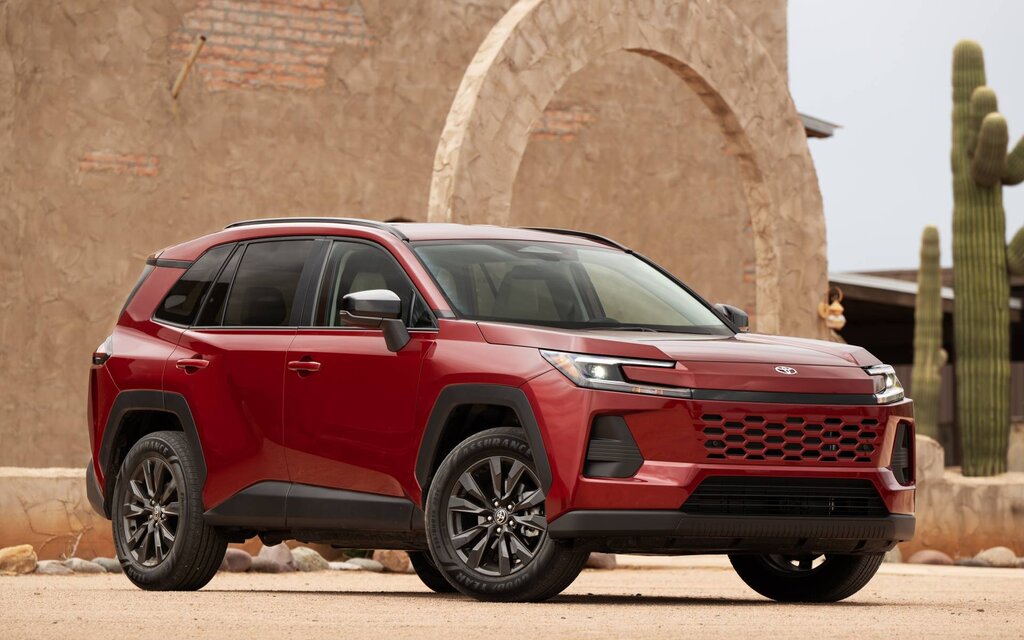
Rising gasoline prices since the start of the current Middle East conflict are straining the budgets of many drivers. In fact, they’re likely to be extremely volatile in the coming months.
Want to save money at the pump? There are several options to consider and new driving habits to adopt. If you’re shopping for a new car, we’ve previously highlighted the most affordable electric vehicles that will keep you away from gas stations. Now, we’ll take a look at the 5 most fuel-efficient cars and 5 most fuel-efficient SUVs available in 2026.
Read also
To be clear, we don’t necessarily recommend changing vehicles just to reduce your energy costs. From a financial standpoint, it usually makes more sense to keep your current car or SUV—unless your needs have evolved—and adjust your driving habits.
Note: The combined city-highway fuel consumption ratings listed below are provided by Natural Resources Canada. Prices shown do not include freight, PDI, dealer fees and other applicable fees.
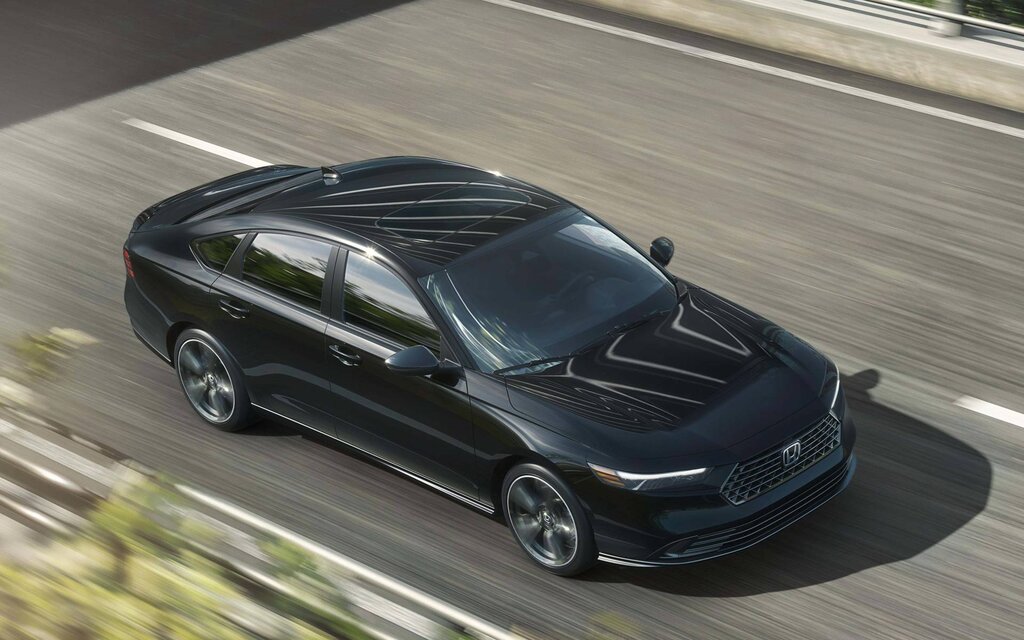 Photo: Honda
Fuel consumption: 5.3 L/100 km
MSRP: Starting from $43,700
Reliable, refined, elegant and enjoyable to drive, the Honda Accord is an excellent car. However, it lives in the shadow of the smaller and cheaper Civic, which possesses the same qualities. Furthermore, the Accord’s perennial rival, the Toyota Camry, offers more selection including AWD options.
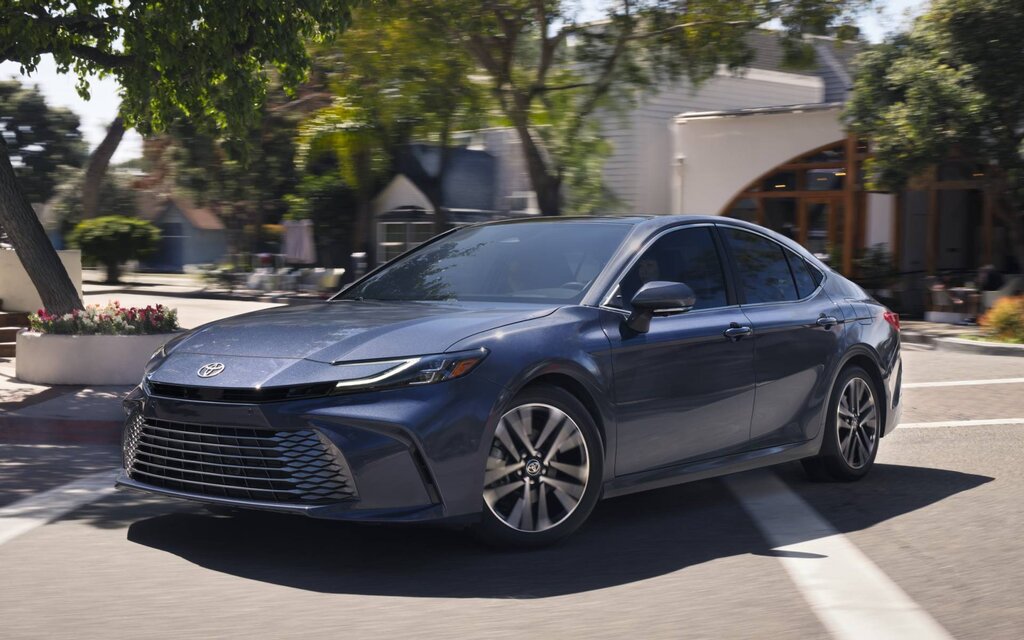 Photo: Toyota
Fuel consumption: 5 L/100 km
MSRP: Starting from $36,199 and $35,075, respectively
The Sonata Hybrid returns to Canada after a two-year absence, but only in a mid-range trim (Preferred Trend). Customers overwhelmingly prefer the Toyota Camry, mind you, as does our team at The Car Guide. The Camry is the best buy in the midsize sedan segment with high predicted reliability and low depreciation.
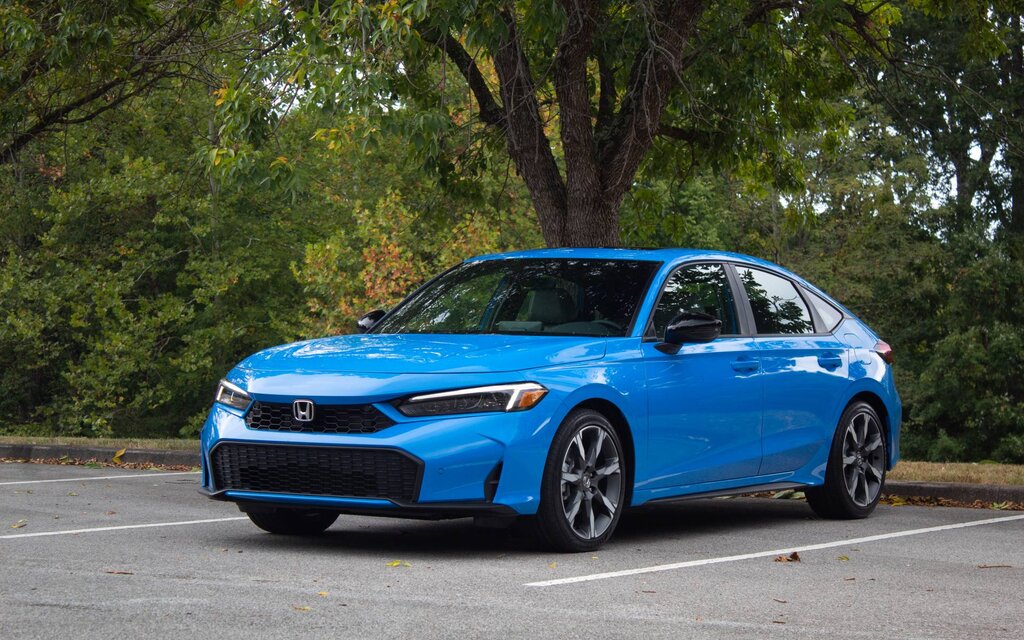 Photo: Dominic Boucher
Fuel consumption: 4.9 L/100 km
MSRP: Starting from $34,100
Although it commands a higher price point than the Toyota Corolla and lacks an all-wheel drive option, the Honda Civic makes up for it with superior driving dynamics, lively performance and more refinement. Both of these compact cars are easy to recommend for consumers planning long-term ownership.
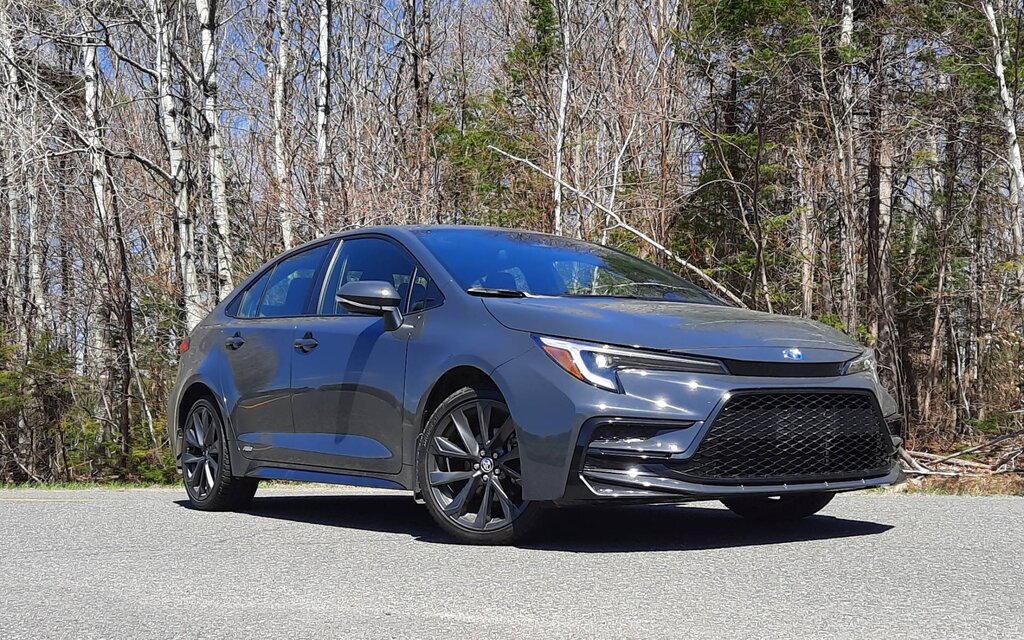 Photo: Guillaume Rivard
Fuel consumption: 4.7 L/100 km
MSRP: Starting from $31,499 and $27,990, respectively
These two electrified compact sedans faced off against the Honda Civic and the Toyota Prius in a comparison test we did last year. The comfortable and boldly styled Elantra Hybrid finished third despite offering just a single model. In second place was the Corolla Hybrid, which delighted our judges with available AWD and a straightforward though uninspiring interior.
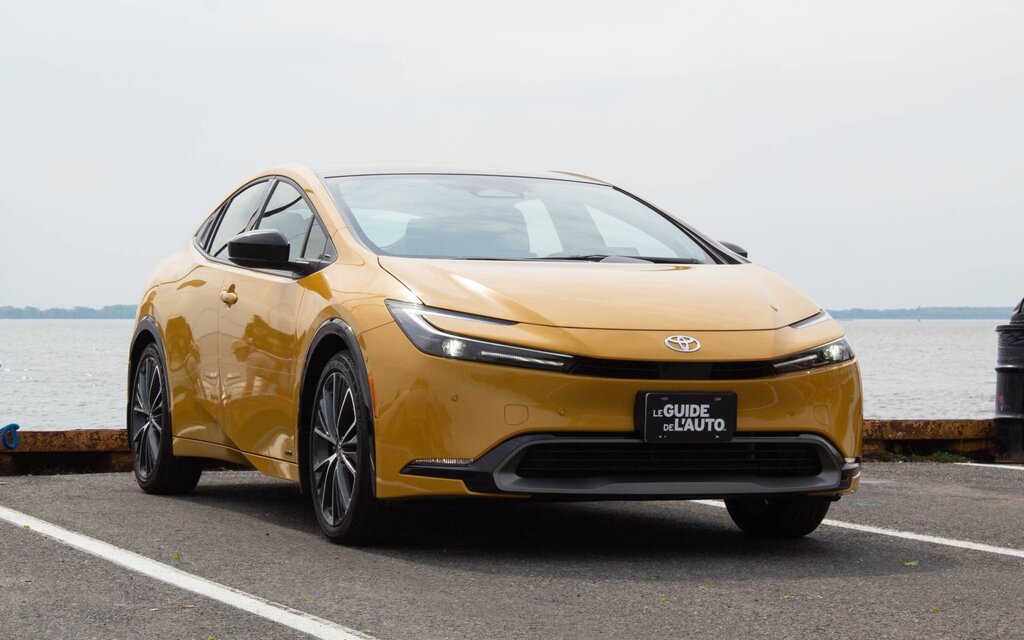 Photo: Dominic Boucher
Fuel consumption: 4.5 L/100 km, 72 km of EV range
MSRP: Starting from $40,150
Pleasant to look at and drive, at least in its current iteration, the world’s most famous hybrid offers a more engaging experience than the Corolla in a cabin that’s not as roomy as the Camry’s. The Prius Plug-in Hybrid offers up to 72 km of zero-emission range and more power than the standard Prius, but unlike the latter, all-wheel drive is not available.
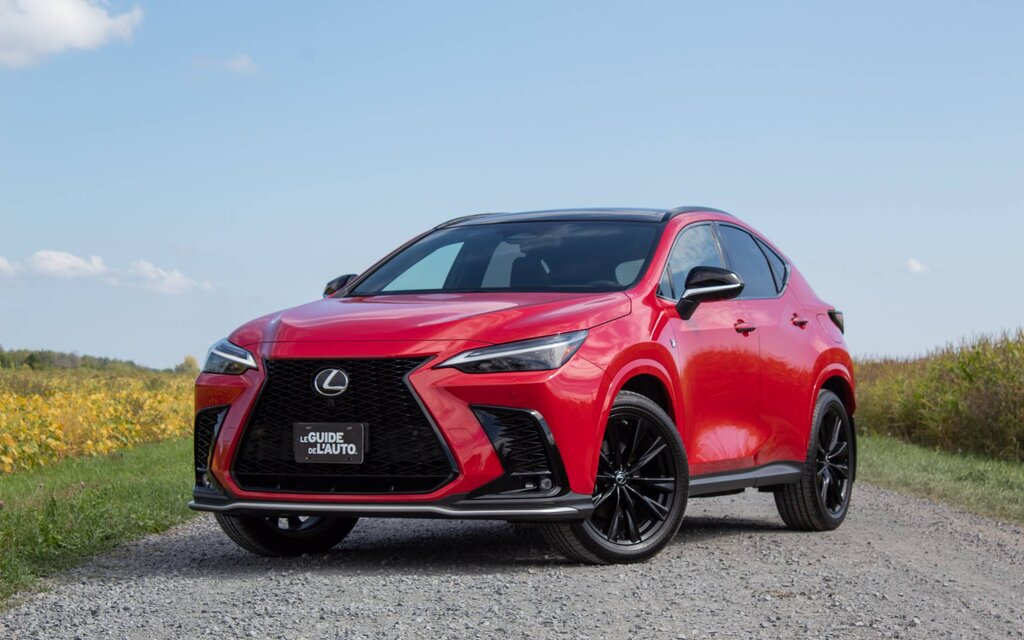 Photo: Dominic Boucher
Fuel consumption: 6 L/100 km
MSRP: Starting from $58,025
Let’s now turn our attention to SUVs and crossovers. As a luxurious cousin of the previous-generation Toyota RAV4, the NX embodies Lexus values: outstanding build quality (manufactured here in Canada), a smooth ride, high levels of safety and reliability, plus elegant looks. On the other hand, cargo capacity ranks below average.
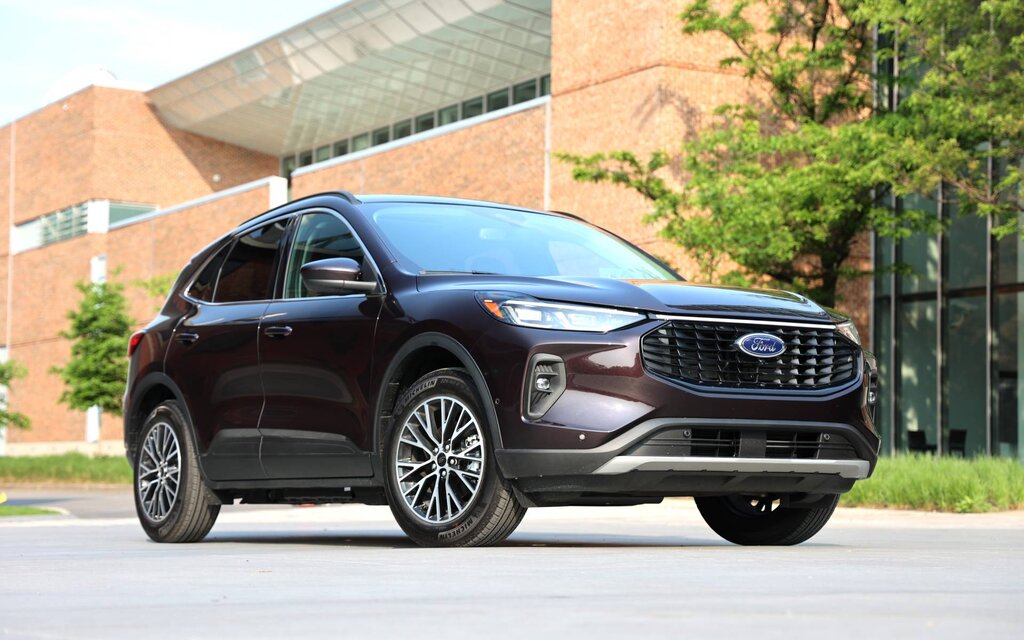 Photo: Antoine Joubert
Fuel consumption: 5.9 L/100 km, 60 km of EV range
MSRP: Starting from $41,599
Although production of the Ford Escape ended in December 2025, dealers still have plenty of units. You can choose between an efficient hybrid powertrain (6 L/100 km) with all-wheel drive and a plug-in hybrid powertrain (front-wheel drive only) that surprisingly has a lower price. While pure electric range is commendable, a less-than-stellar reliability record warrants caution.
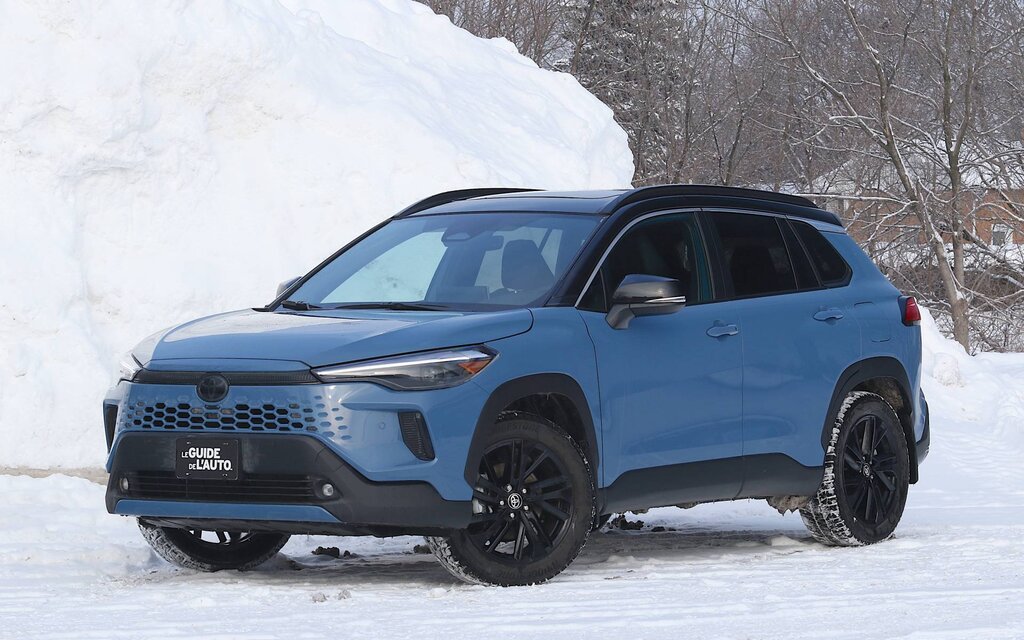 Photo: Julien Amado
Fuel consumption: 5.6 L/100 km
MSRP: Starting from $36,160 and $44,795, respectively
These two small SUVs use the same platform and powertrains. The UX is more luxurious but suffers from a cramped interior. The gasoline-powered Corolla Cross is the most fuel-efficient, non-electrified SUV on the market, while its hybrid variant offers remarkable fuel efficiency despite its higher output. Both the Lexus and the Toyota compensate for long delivery times with reasonable ownership costs.
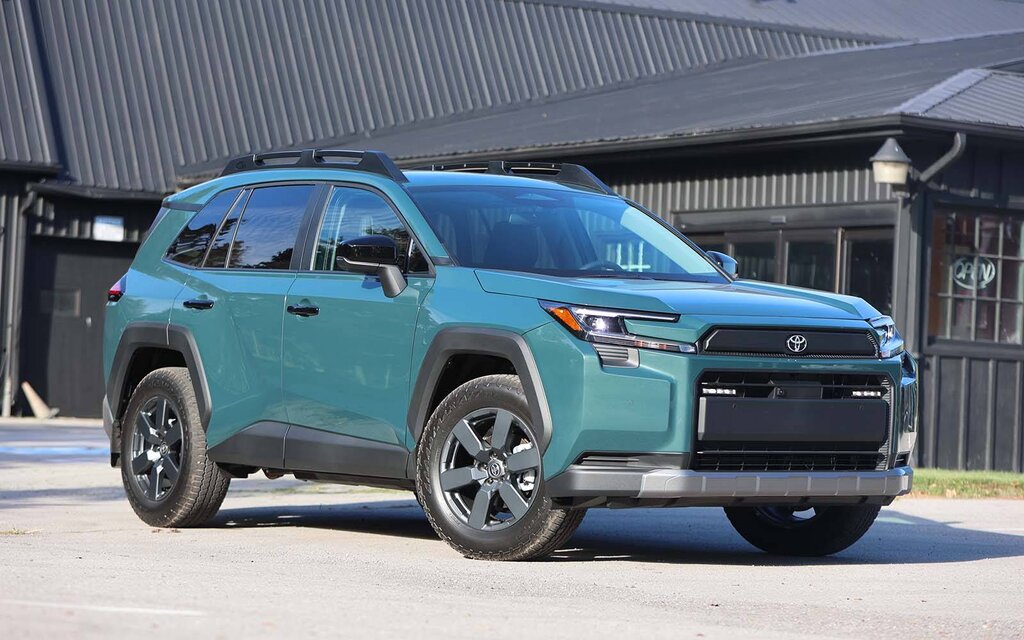 Photo: Antoine Joubert
Fuel consumption: 5.5 L/100 km
MSRP: Starting from $37,500
Completely redesigned for 2026, the Toyota RAV4 marks a subtle styling evolution that should reassure its loyal customers. While the interior could use more refinement, the RAV4 continues to stand out as a quality product with great value. Highlights include increased cargo space, an updated multimedia system, improved handling and a highly efficient hybrid powertrain that comes standard.
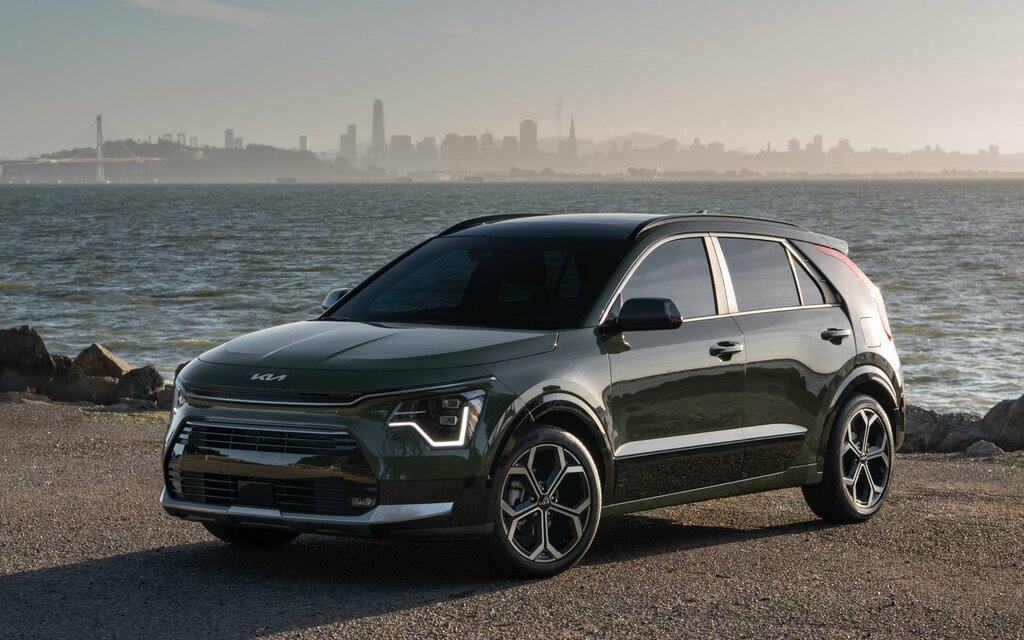 Photo: Kia
Fuel consumption: 4.4 L/100 km
MSRP: Starting from $30,845
Across all segments, the Kia Niro is the most fuel-efficient, non-plug-in vehicle and also the most affordable hybrid (after the Toyota Corolla Hybrid). Its proven track record of reliability inspires confidence, and its compact body hides a fairly roomy interior that can accommodate a small family. With the available manufacturer rebates and government incentives, the Niro PHEV and Niro EV also prove very attractive at the moment.