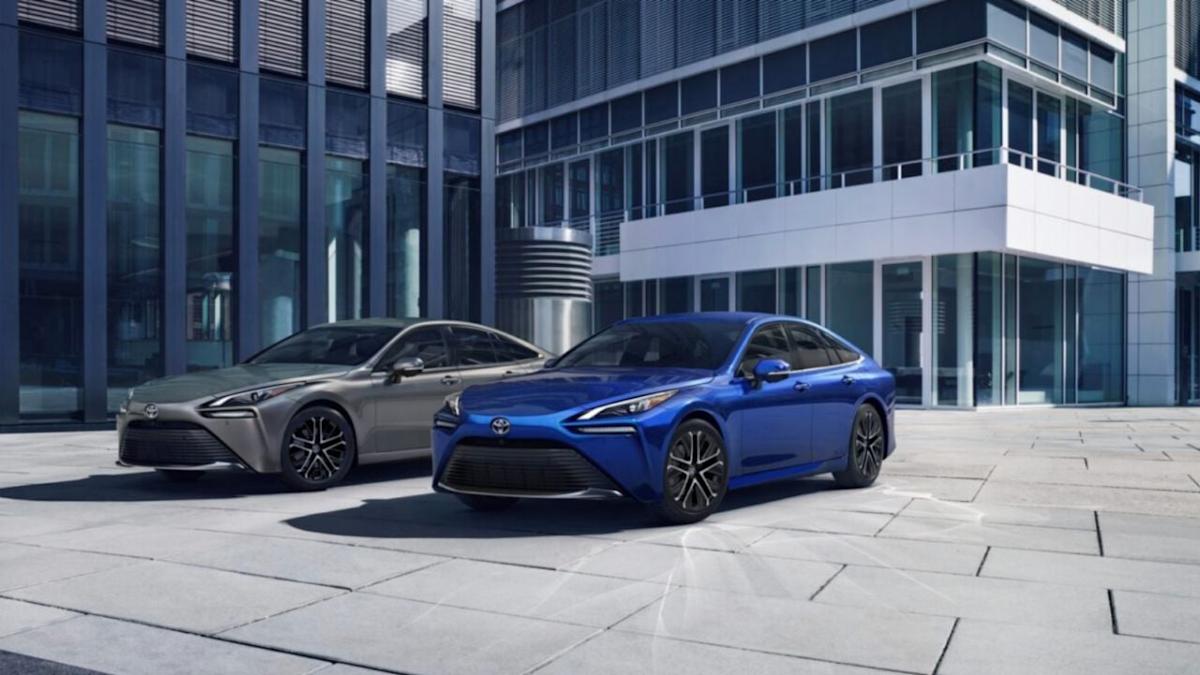
Toyota has never been a company that chases trends. It was already deep into hybrid research when most automakers were still dismissing the idea. The Prius arrived in Japan in 1997, years before anyone was truly ready for it, and it went on to reshape how the world thinks about fuel efficiency. That history matters, because Toyota is now in a similar position with hydrogen. The company has spent decades developing hydrogen fuel cell technology at a time when much of the industry has shifted its main zero-emission focus toward battery electric vehicles.
Most rivals took one look at the infrastructure challenges, the cost, and the competition from batteries, and they quietly stepped back. Toyota did not step back. The Mirai, a hydrogen fuel cell sedan, went on sale in 2014, followed by a second generation in 2020. The company has continued pushing hydrogen through racing, trucking, and partnerships across multiple industries.
Whether that effort becomes one of the most forward-thinking bets in automotive history or a costly miscalculation remains unresolved. Both outcomes are still possible.
First, What a Hydrogen Car Actually Does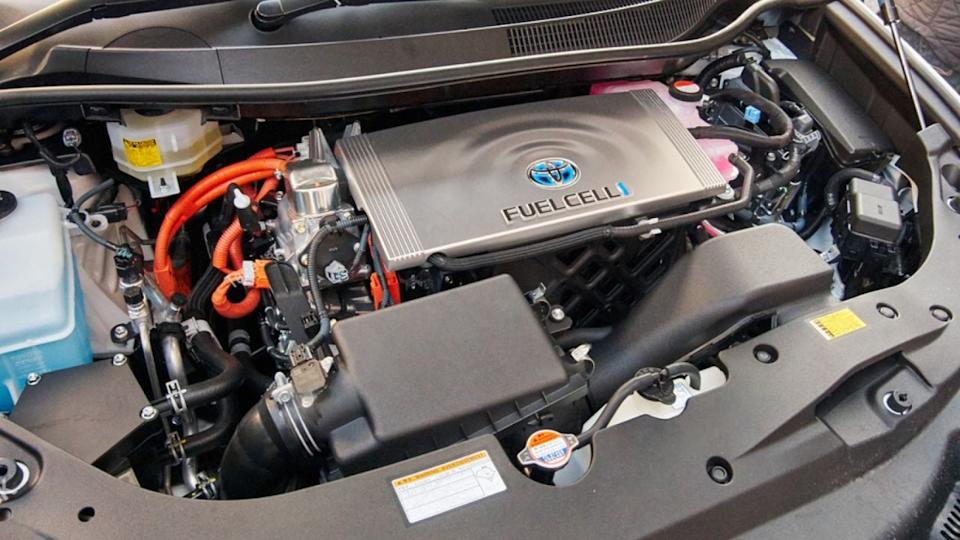
Image credit: Shutterstock.
A hydrogen fuel cell vehicle stores compressed hydrogen gas in onboard tanks. Inside the fuel cell stack, hydrogen reacts with oxygen to produce electricity, which powers an electric motor. The only byproduct is water vapor.
The driving experience feels similar to a battery-electric car. It is smooth, quiet, and free of gear shifts. The major difference lies in refueling. A hydrogen car can be refilled in about five minutes, offering a convenience similar to gasoline vehicles rather than long charging sessions.
The current Mirai offers a manufacturer-rated range of around 400 miles per tank, though real-world results vary depending on conditions.
The Infrastructure Problem Nobody Can Ignore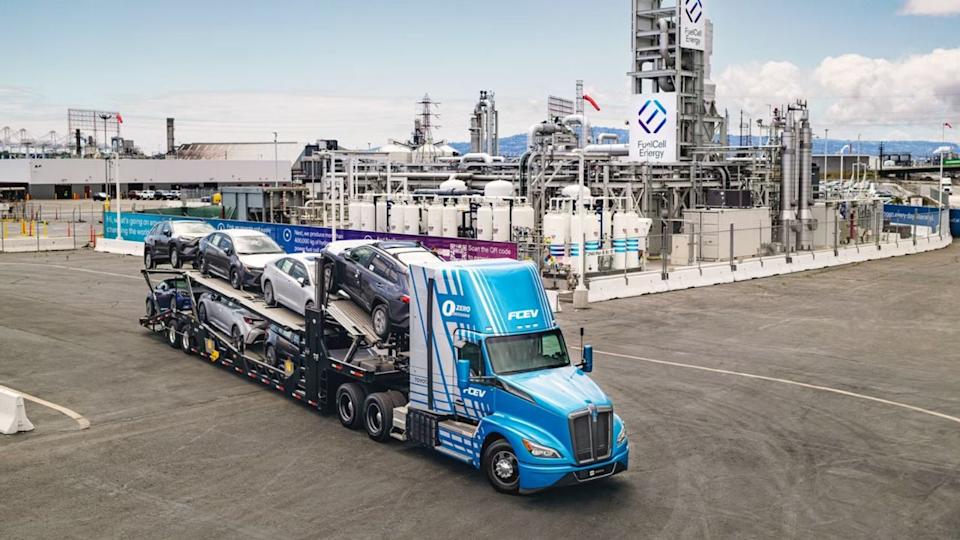
Image Credit: Toyota.
The biggest limitation of hydrogen vehicles is not the technology itself but where they can be used.
In the United States, hydrogen refueling stations are concentrated almost entirely in California, particularly around Los Angeles and the San Francisco Bay Area. Outside of these regions, access is extremely limited.
This means that even though the vehicle functions well, it is not practical for most drivers. Toyota and its partners have invested in expanding infrastructure, but progress has been slower than expected.
Building a nationwide refueling network from scratch is complex, expensive, and time-consuming.
What Toyota Has Actually Built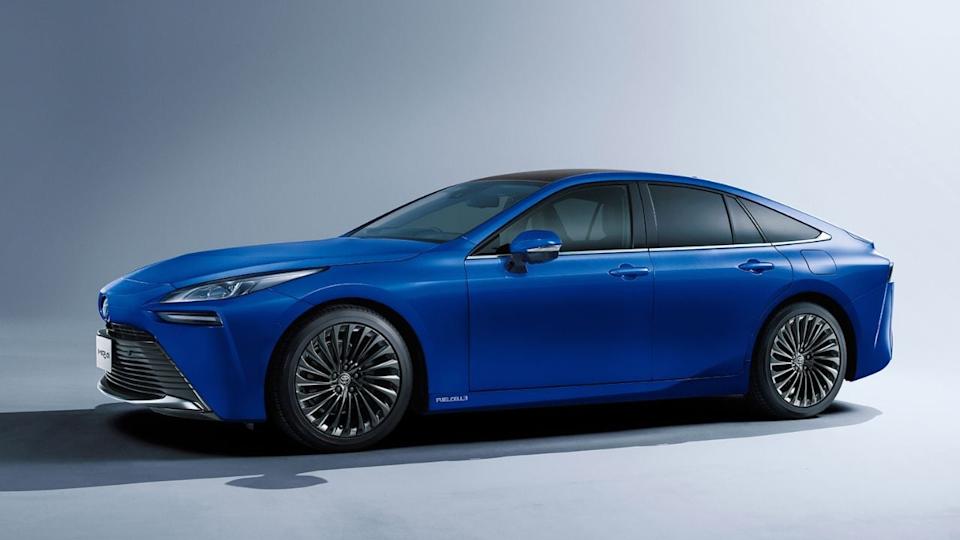
Image Credit: Toyota.
The second-generation Mirai is more refined than many assume. It features a rear-wheel-drive layout, a low center of gravity, and an interior that competes with premium sedans.
Beyond passenger cars, Toyota has also explored hydrogen combustion engines, which burn hydrogen directly instead of using a fuel cell. This is a different technical path from a fuel cell vehicle, and while it is generally less efficient than a fuel cell, Toyota continues to use it as part of its broader hydrogen development work.
Toyota is also investing in hydrogen-powered trucks for long-haul freight, where battery limitations such as weight and charging time become more significant.
Why Serious People Still Question It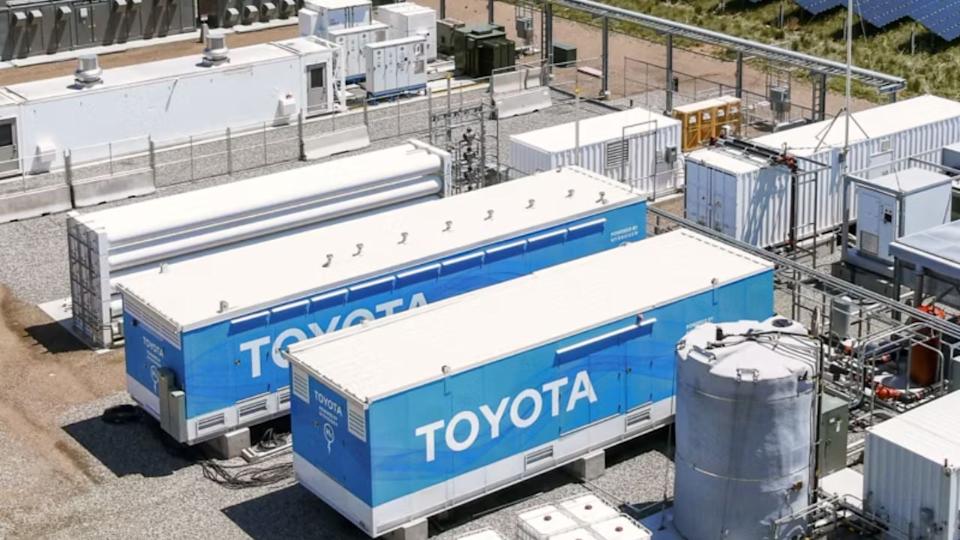
Image Credit: Toyota.
The main criticism of hydrogen revolves around efficiency. Producing hydrogen, compressing it, transporting it, and converting it back into electricity results in greater energy loss compared to directly using electricity in battery vehicles.
Cost is another concern. Hydrogen vehicles like the Mirai are priced in the premium segment, and production volumes remain relatively low. Toyota has acknowledged that these vehicles also serve as development platforms rather than purely mass-market products.
These factors make widespread adoption more challenging.
The Argument That May Actually Save Hydrogen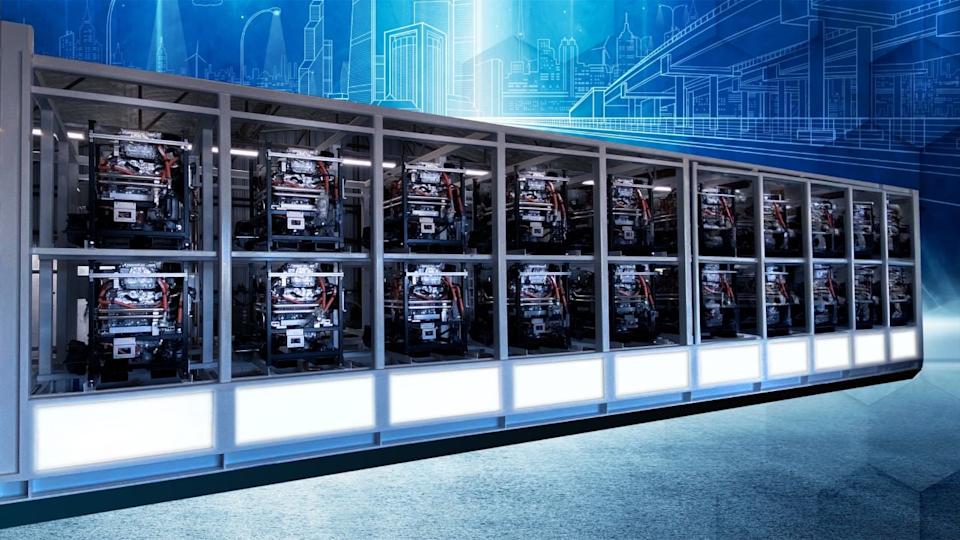
Image Credit: Toyota.
The viability of hydrogen depends heavily on the type of vehicle.
For everyday passenger cars, battery electric vehicles have rapidly improved in range, charging infrastructure, and overall usability. In this space, hydrogen faces strong competition.
For heavy-duty transportation, however, hydrogen offers advantages. Long-haul trucks face challenges with battery weight, charging time, and payload limitations. Hydrogen fuel cells provide an alternative that may better suit these demands. If hydrogen succeeds in commercial and industrial sectors rather than personal vehicles, it would still represent a meaningful role in reducing emissions.
The Honest Verdict, for Now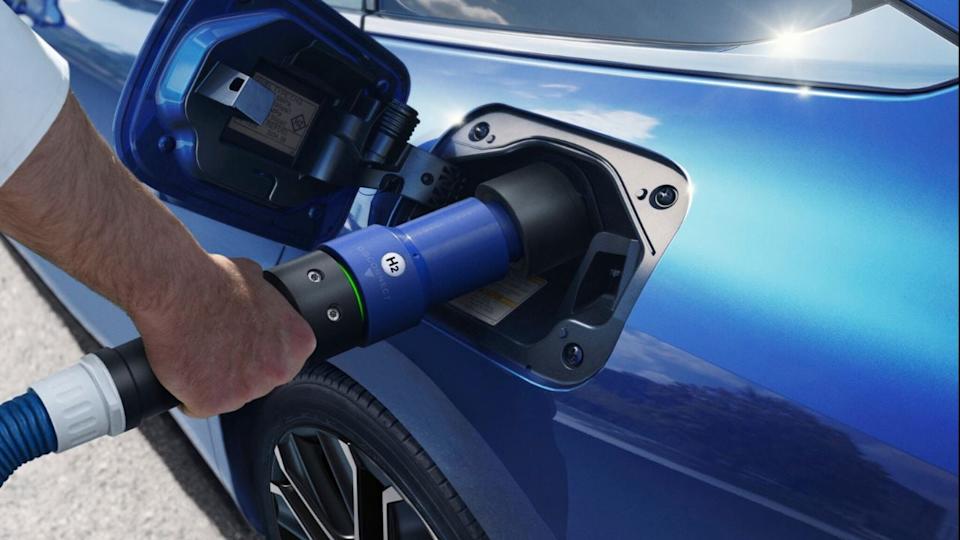
Image Credit: Toyota.
Toyota has invested in hydrogen for decades, beginning research in the 1990s and continuing through multiple product generations and industry shifts.
That level of commitment reflects a deliberate long-term strategy rather than a temporary experiment. However, hydrogen for passenger cars still faces unresolved challenges, including limited infrastructure and high costs. At the same time, hydrogen’s potential in commercial transportation remains an open and evolving question.
Read More
13 Muscle Cars So Overlooked Most People Forgot Them
15 Car Features That Should Have Never Been Phased Out