Speculation is building that Tesla (NasdaqGS:TSLA) and SpaceX could merge as soon as next year, as attention turns to a potential SpaceX IPO. Recent joint projects, including the Terafab chip manufacturing facility, highlight closer operational ties between the two companies. Analysts and commentators are focusing on how a combined group might link EVs, AI, chip fabrication, and space infrastructure under one corporate umbrella.
Tesla sits at the intersection of EVs, energy storage, and AI, while SpaceX is a major player in launch services and space infrastructure. The talk of a merger comes as both sectors are seeing heavier investment in custom chips and in house technology stacks. The Terafab project in particular signals that Tesla and SpaceX are not just sharing a founder, but also sharing manufacturing and computing ambitions.
For you as a Tesla shareholder or prospective investor, the key question is how a potential merger might reshape Tesla’s risk profile, capital needs, and growth options across several industries at once. The rest of this article looks at what this developing story could mean for Tesla’s corporate structure, AI efforts, supply chain control, and long term value creation potential.
Stay updated on the most important news stories for Tesla by adding it to your watchlist or portfolio. Alternatively, explore our Community to discover new perspectives on Tesla.
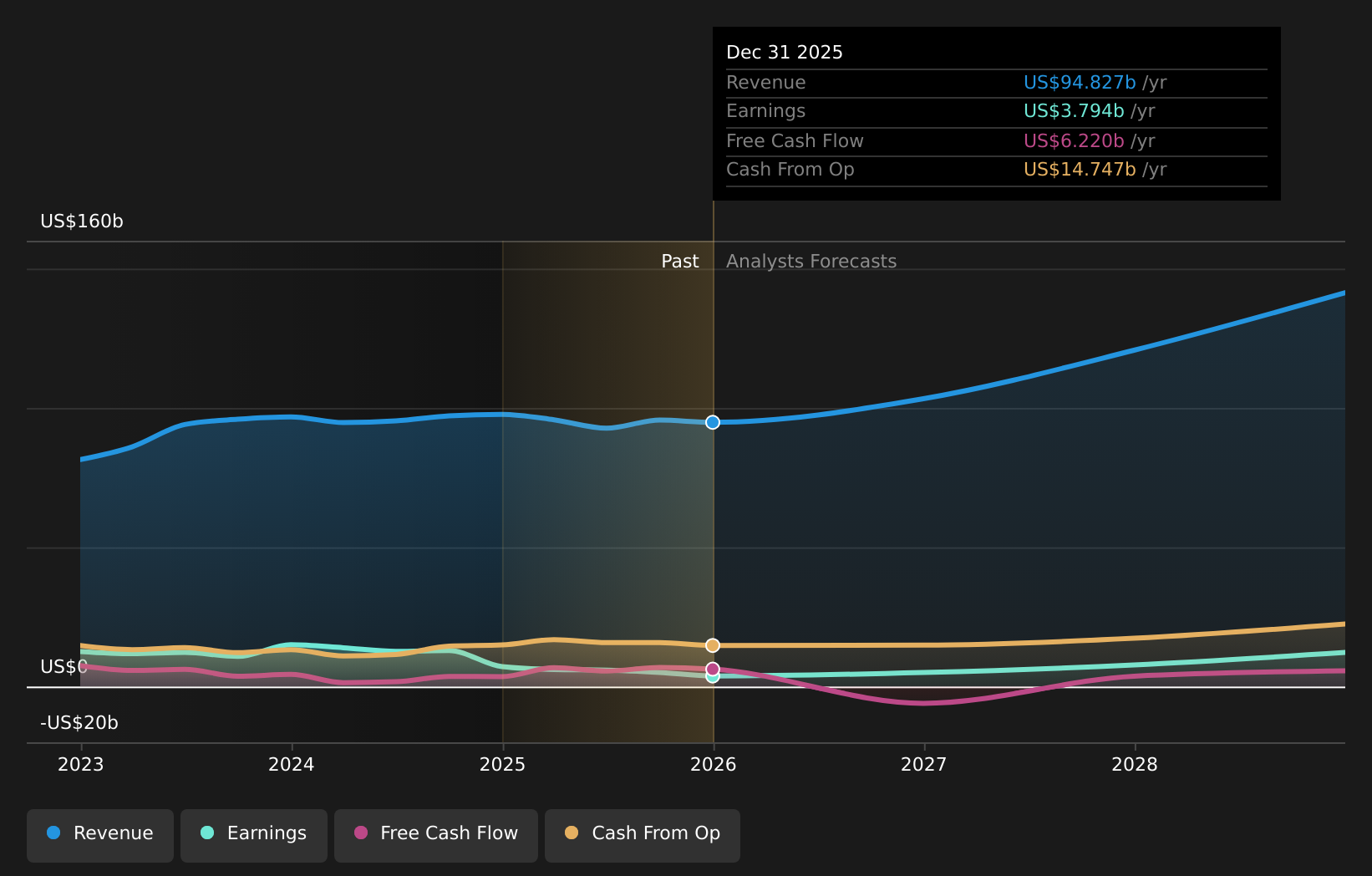 NasdaqGS:TSLA Earnings & Revenue Growth as at Mar 2026
1 thing going right for Tesla that this headline doesn’t cover.
The Tesla and SpaceX tie up around Terafab effectively links electric vehicles, humanoid robots, and space-based AI data centers to the same chip supply. For Tesla, that points to deeper vertical integration in semiconductors at a time when AI compute is a bottleneck for self driving, robotaxis, and Optimus. It also connects more of Elon Musk’s ecosystem under shared infrastructure, which is why some analysts see this as practical groundwork for a future corporate combination rather than just a one off project. On the flip side, estimates of Terafab’s costs reaching well into the tens of billions of US dollars, combined with Tesla’s existing capex and thinner auto margins, mean chip fabrication could be a heavy financial commitment if timelines slip or demand falls short. Investors weighing Tesla’s core auto pressures, its pivot toward AI and robotics, and the possibility of a Tesla SpaceX merger now need to think less in terms of separate companies and more in terms of how a single Musk platform might concentrate both opportunity and execution risk.
How This Fits Into The Tesla Narrative The Terafab plan supports the narrative that Tesla is pushing harder into real world AI and vertical integration, which could help its robotaxi, FSD, and Optimus ambitions if in house chips reduce long term compute constraints. The scale and cost of a Tesla SpaceX chip complex also challenge the narrative by adding another large, capital intensive project on top of existing auto, energy, and robotics commitments, which some analysts already see as stretching execution capacity. A potential Tesla SpaceX merger and shared AI satellite infrastructure are not fully captured in the existing narrative, which focuses more on autos, energy storage, and autonomy rather than space based compute as part of the business mix.
Knowing what a company is worth starts with understanding its story.
Check out one of the top narratives in the Simply Wall St Community for Tesla to help decide what it’s worth to you.
The Risks and Rewards Investors Should Consider ⚠️ Profit margins have contracted from 7.3% to 4%, so adding a very large chip fabrication build could pressure returns if Tesla and SpaceX do not reach the planned AI and robotics scale. ⚠️ Analysts have flagged 2 key risks for Tesla, and a Tesla SpaceX merger could layer on regulatory scrutiny and integration complexity in addition to existing concerns around autonomy and capital intensity. 🎁 Terafab aims to supply custom AI chips for vehicles, Optimus robots, and space based data centers, which could support Tesla’s push toward higher margin software and services tied to self driving and robotics. 🎁 A closer link between Tesla and SpaceX may create cross selling and technology sharing opportunities across EVs, energy storage, launch, and satellite infrastructure that competitors such as Rivian, General Motors, or Ford do not have today. What To Watch Going Forward
From here, keep an eye on how clearly Tesla discloses Terafab’s capital spending, ownership split with SpaceX, and expected chip output across autos, robots, and satellites. Any formal steps toward a Tesla SpaceX merger, or firmer details on preferred access for Tesla shareholders to a SpaceX IPO, will also matter for how the market prices Tesla’s role in Musk’s wider AI and space platform. Finally, watch whether Tesla’s core vehicle margins and cash generation can support this level of chip and robotics investment without relying on frequent external funding.
To ensure you’re always in the loop on how the latest news impacts the investment narrative for Tesla, head to the
community page for Tesla to never miss an update on the top community narratives.
This article by Simply Wall St is general in nature. We provide commentary based on historical data
and analyst forecasts only using an unbiased methodology and our articles are not intended to be financial advice. It does not constitute a recommendation to buy or sell any stock, and does not take account of your objectives, or your
financial situation. We aim to bring you long-term focused analysis driven by fundamental data.
Note that our analysis may not factor in the latest price-sensitive company announcements or qualitative material.
Simply Wall St has no position in any stocks mentioned.
Valuation is complex, but we’re here to simplify it.
Discover if Tesla might be undervalued or overvalued with our detailed analysis, featuring fair value estimates, potential risks, dividends, insider trades, and its financial condition.
Have feedback on this article? Concerned about the content? Get in touch with us directly. Alternatively, email editorial-team@simplywallst.com