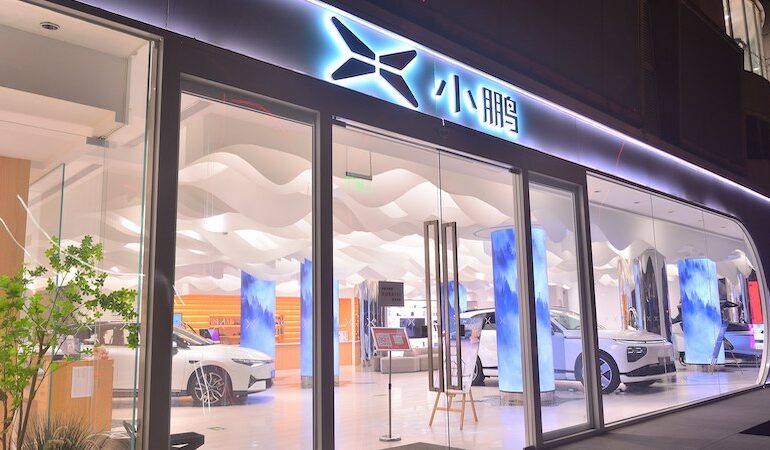
Chinese automaker Xpeng has officially entered the Mexican market, initiating operations in Mexico City, Guadalajara, and Monterrey with two electric SUV models. Founded in 2014 in Guangzhou, the company positions itself as a technology-driven brand, emphasizing artificial intelligence as its primary differentiator. Osiel Pinal, Xpeng Mexico’s marketing and public relations director, described the company’s AI-driven approach: “It detects even minor faults or needed updates and analyzes vehicle performance wherever they are. The system updates itself and provides improvements to specific vehicle attributes.”
Xpeng first expanded internationally into Europe in 2020 and now views Mexico as a key market in its global strategy. Pinal stressed that the company’s initial focus is on customer engagement and experience rather than immediate sales volumes. “The expectation is first to satisfy customers with this type of technology and provide the best service experience. We launched two models, and we will evaluate market response before setting specific sales targets,” he said.
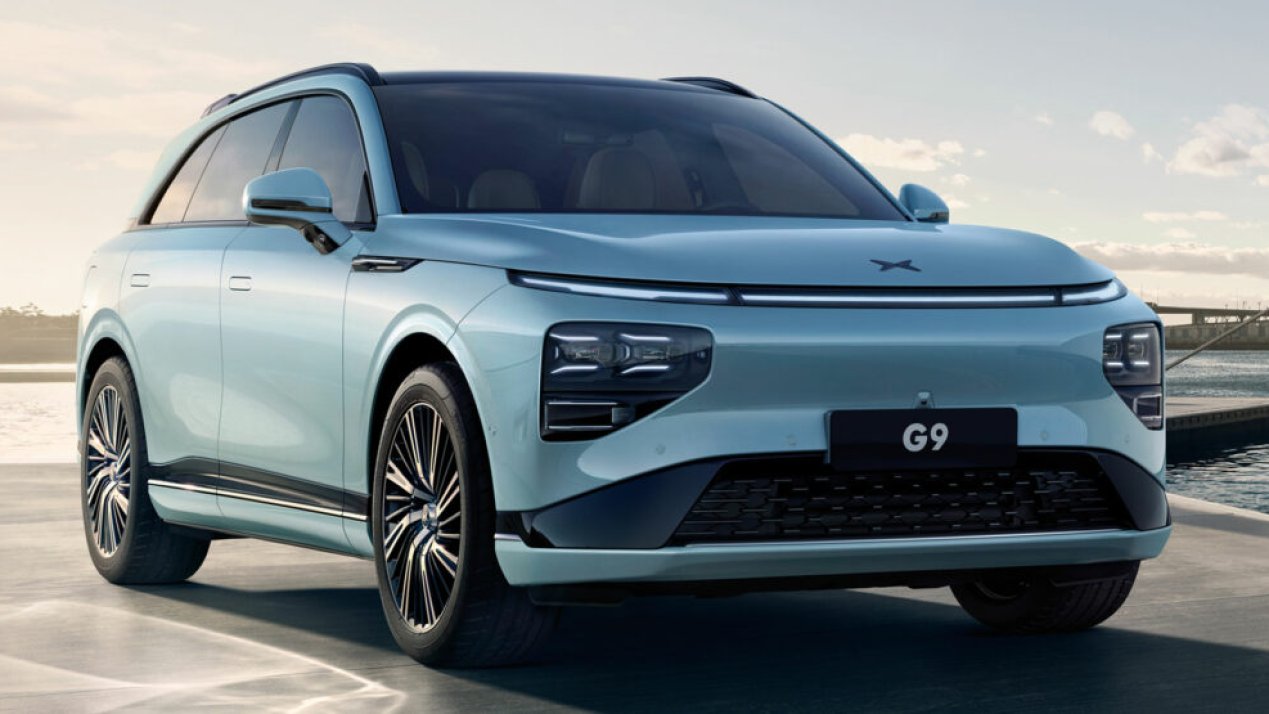
The Mexican portfolio includes the G9 and G6 SUVs. The G9 measures 1,937 mm wide, 4,891 mm long, and 1,680 mm high, producing 346 hp and 342 lb-ft of torque. It accelerates from 0 to 100 km/h in 6.4 seconds and offers a range of 585 kilometers per charge. Entry-level pricing starts at MX$1,099,900 (US$64,700). The G6 is slightly smaller, at 1,920 mm wide, 4,758 mm long, and 1,600 mm high, delivering 292 hp and 332 lb-ft of torque. It accelerates to 100 km/h in 6.7 seconds, with a range of 535 kilometers and a starting price of MX$799,900 (US$47,050). Both SUVs feature Xpilot Assist, an intelligent driving assistance system developed in-house.
Technology and Customer Experience as Key Differentiators
Pinal highlighted that Xpeng’s electric SUVs reflect a broader trend of vehicles increasingly functioning as mobile computing platforms. “We consider ourselves more a technology company than a car company. The focus is on artificial intelligence,” he said. While Xpeng operates autonomous vehicles in China using AI systems, regulatory constraints and local road conditions currently prevent their deployment in Mexico.
Despite tariffs on vehicles imported from countries without free trade agreements, which can reach up to 50%, Xpeng believes it can manage additional costs through manufacturing and logistics efficiency. “We are a global brand with main manufacturing centers in China, which provide tools to mitigate tariff impacts. We can address these additional costs through manufacturing and logistics strategies,” Pinal said. In preparation for operations, Xpeng has opened a parts warehouse in the State of Mexico, stocking up to 18 months of inventory. This facility enables component availability within 24 to 48 hours, depending on distributor location, supporting consistent service and rapid customer support.
The company’s market strategy emphasizes targeting high-demand urban areas while monitoring customer feedback to guide future portfolio expansion. Pinal indicated that other vehicle types, such as sedans and minivans, may be introduced if demand warrants. This cautious approach prioritizes brand establishment, technology adoption, and service quality over immediate market share gains. “We want to see how Mexico receives this brand and how people respond. Sales objectives will be determined later,” he said.
Chinese Automakers See Strong Sales Growth in Mexico
Xpeng enters Mexico amid a broader trend of rising sales for Asian automakers. Data from INEGI show that new vehicle sales in January totaled 131,491 units, an 8.7% increase from the same month in 2025, marking the highest January total on record. The Mexican Association of Automotive Dealers (AMDA) reported that 11.4% of January sales came from Chinese brands, up from 8.8% the previous year. The performance exceeded AMDA’s forecast of 123,741 units, reflecting increased portfolio diversity and growing consumer acceptance of Asian automakers in the domestic market.
Among the strongest performers, Geely, which officially entered Mexico in late 2023, sold 3,356 vehicles in January, representing a 245.3% year-over-year increase. Changan sold 1,568 units, an 89.8% rise from the previous year, following the launch of its direct subsidiary in Mexico in 2023. MG Motor, the first Chinese automaker to establish a direct Mexican subsidiary under parent company SAIC in 2020, sold 6,198 vehicles, a 55% increase, returning the brand to the country’s top 10 best-selling automakers.