March 27, 2026
By Nehal Malik
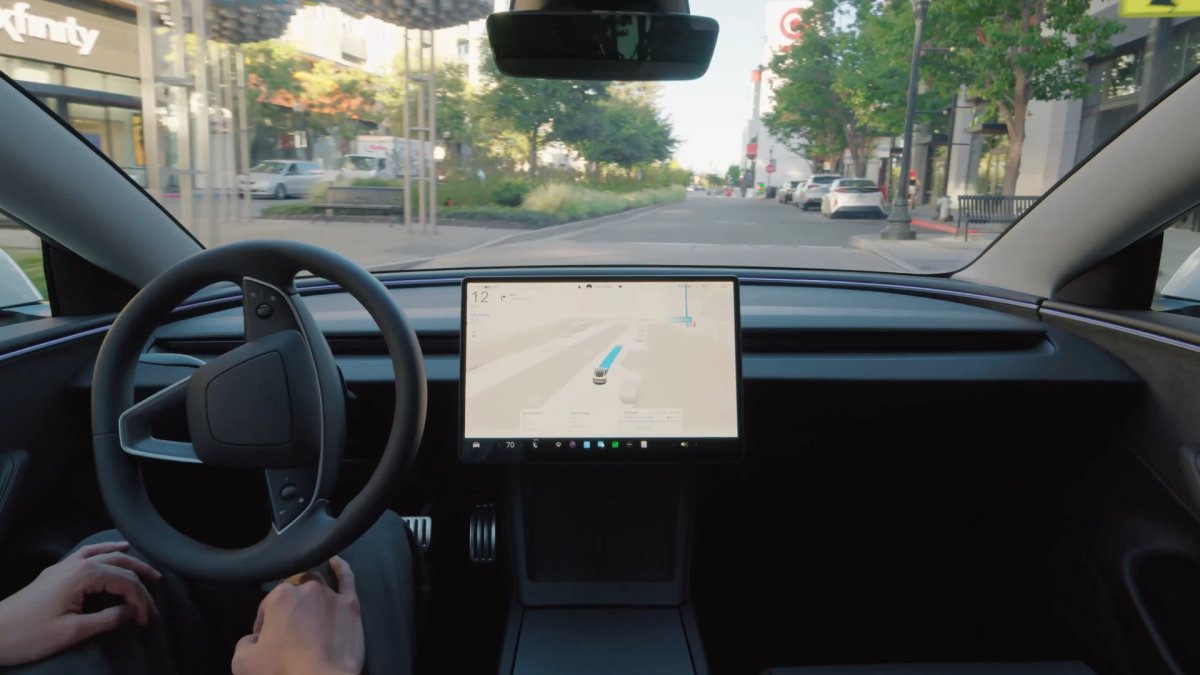
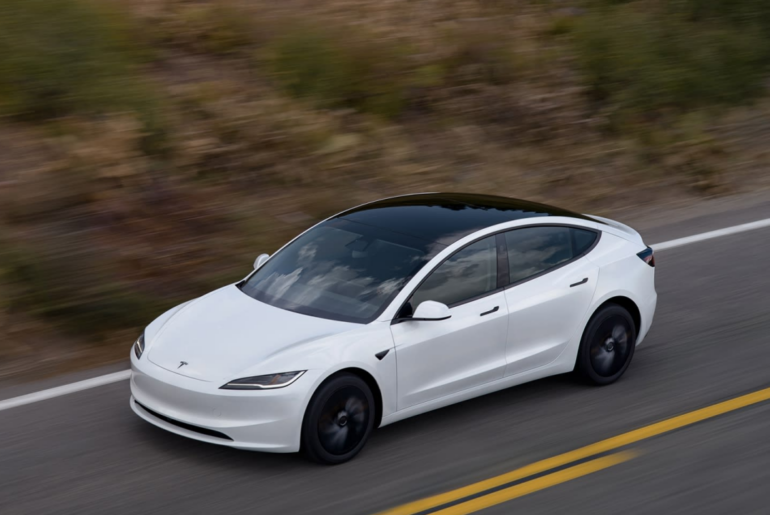
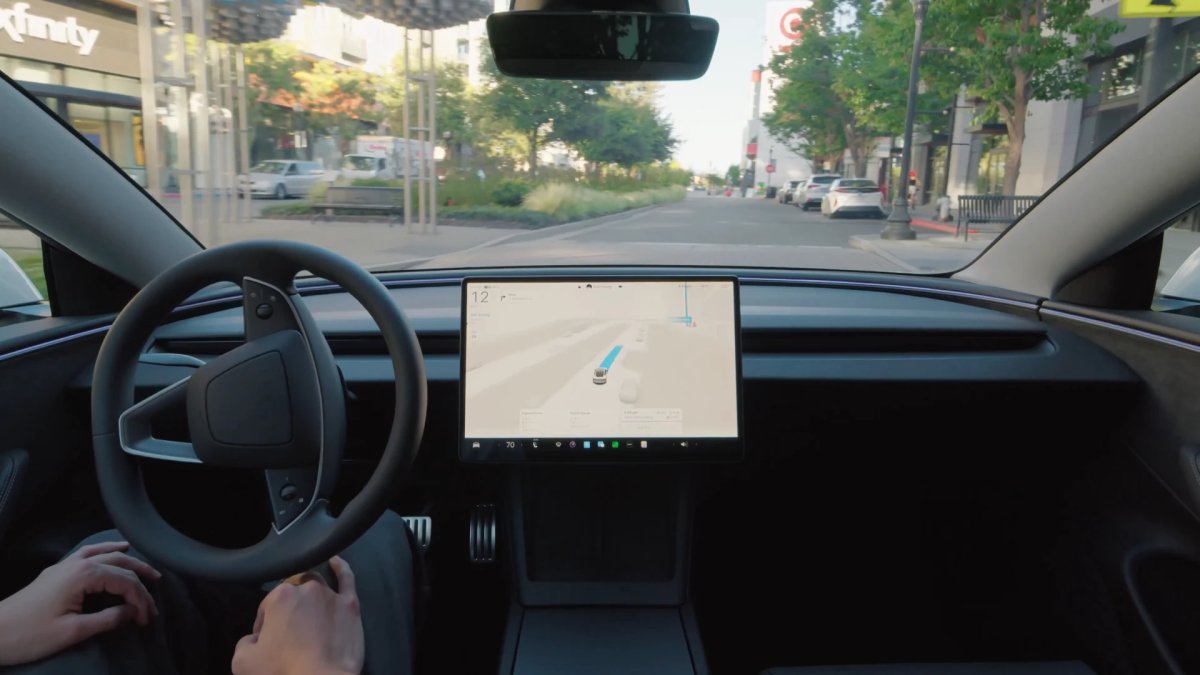
Tesla is highlighting the real-world power of its autonomy software through the eyes of a customer who recently did the unthinkable. David Moss, a Model 3 owner, successfully completed a coast-to-coast trip across the United States last December using Full Self-Driving (Supervised) with absolutely zero interventions.
According to a new customer story shared by Tesla, Moss traveled from the Tesla Diner in Los Angeles all the way to Myrtle Beach, South Carolina. The journey covered 2,732 miles in just 2 days and 20 hours. During that entire window, the car handled every turn, stop sign, and even navigated the Supercharger stops without David having to touch the steering wheel or pedals.
Tesla has released a new video with @DavidMoss, highlighting his recent cross-country trip on FSD (Supervised) with zero disengagements.
“Moss’s Model 3 handled every road sign, turn and Supercharger stop, traveling over 2,700 miles in 2 days and 20 hours. Part of his over… pic.twitter.com/BirpgsrS7R
— Sawyer Merritt (@SawyerMerritt) March 26, 2026 Crossing the 10,000-Mile Threshold
This cross-country sprint was actually part of a much larger mission. David managed to reach a record-breaking streak of 12,961 miles without a single intervention. For nearly eight weeks, he traveled through 30 different states, trusting the car to navigate complex urban environments and long highway stretches alike.
David himself shared his excitement on X after reaching the Atlantic coast, stating, “This was accomplished with Tesla FSD V14.2 with absolutely 0 disengagements of any kind even for all parking including at Tesla Superchargers.”
The streak only came to an end due to the weather. While driving through rural Wisconsin in January, David encountered snow-covered roads and freezing temperatures that obscured lane lines. Choosing safety over the streak, he took over manually to navigate the icy conditions. It’s a reminder that while FSD (Supervised) is incredibly capable, extreme edge cases like blizzards still provide a challenge for neural networks.
The Road to Global Autonomy
David’s journey took place on FSD version 14.2, but the software is moving fast. Elon Musk recently confirmed that version 14.3 is already in testing and should see a wide release shortly. Each update aims to further close the gap on those tricky weather scenarios that David encountered and move Tesla closer to its goal of unsupervised autonomy.
Tesla sharing the success of FSD’s long-distance runs is perfectly timed with the company’s global ambitions. The software is finally set for European approval in the Netherlands next month, which will open the door for a massive expansion across the EU.
What David Moss proved is that the “coast-to-coast” self-driving dream Elon Musk talked about a decade ago isn’t just a promise anymore — it’s a verified reality and inching closer to an everyday occurrence. As Tesla continues to refine the system, these intervention-free streaks will likely become the standard rather than the exception. We’re moving closer to a world where “driving” across the country simply means picking a destination and enjoying the ride.
Ordering a New Tesla?
Use our referral code and get 3 months free of FSD or $1,000 off your new Tesla.
March 26, 2026
By Nehal Malik
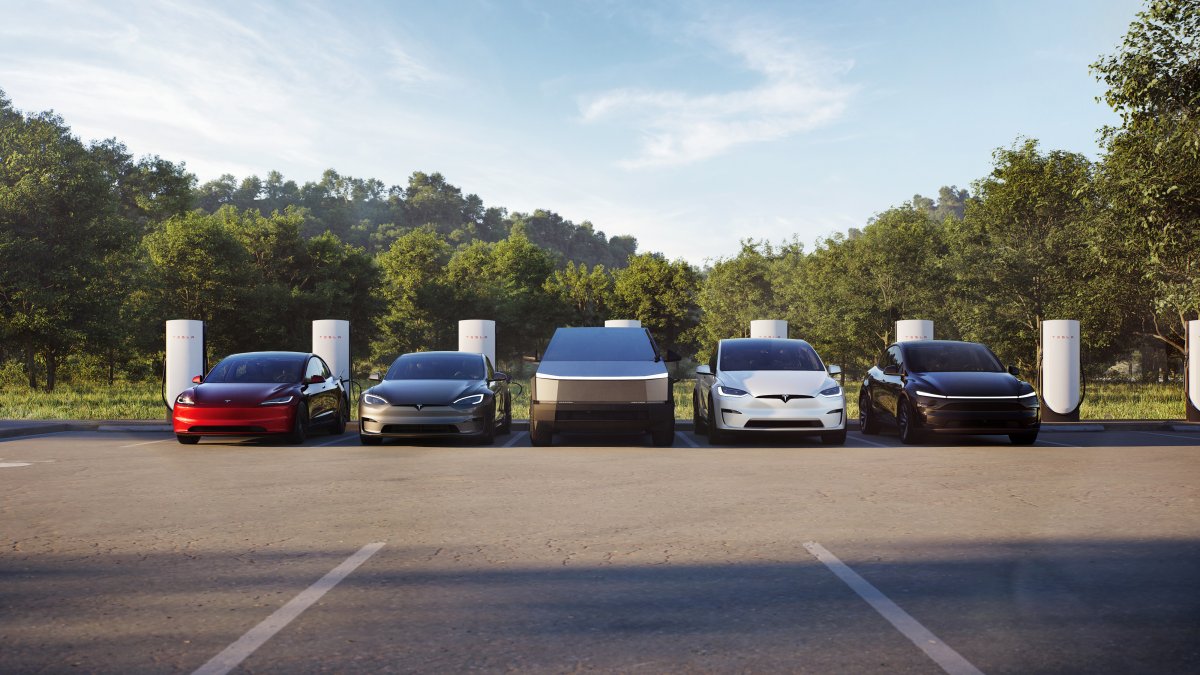
Tesla has officially released its company-compiled analyst delivery consensus for the first quarter of 2026, giving us a clear look at what Wall Street expects when the final numbers drop next week. According to the data, which includes estimates from 23 top-tier firms like Goldman Sachs, Morgan Stanley, and JP Morgan, the bar has been set for both vehicle deliveries and energy storage deployments.
Analysts expect Tesla to deliver 365,645 vehicles in Q1 2026 and deploy 14.4 GWh of energy storage this quarter. While Tesla released these figures, the company made sure to include a disclaimer in its investor relations press release, stating that it “does not endorse any information, recommendations or conclusions made by the analysts.”
Breaking Down the Numbers
If Tesla hits the consensus of 365,645 deliveries, it would represent a healthy year-over-year increase. For comparison, the company reported delivering 336,681 vehicles in Q1 2025. However, it would be a step down from the 418,227 units delivered during the massive holiday push in Q4 2025. This seasonal dip is pretty common in the auto industry, as the first quarter is usually the slowest for new car sales.
The bulk of these deliveries will inevitably be the Model 3 and Model Y, which analysts expect to account for 351,179 units. The “Other Models” category — which includes the Cybertruck, Semi, and the outgoing Model S and X — is expected to chip in about 13,946 units.
Energy Storage: The Rising Star
While vehicle growth is steady, Tesla’s energy division is looking like the real standout. The consensus of 14.4 GWh in energy storage deployments would set a brand-new record for the company, barely beating out the 14.2 GWh reported last quarter.
Tesla Energy is quickly becoming a massive bright spot as the company prepares to start shipping its next-gen Megapack 3 and Megablock products. To support this growth, Tesla recently signed a $4.3 billion deal with LG for a new LFP battery factory in the U.S. This vertical integration is helping Tesla maintain its lead even as the broader EV market faces some headwinds.
Tesla is expected to report its actual final delivery and deployment numbers next week on Thursday, April 2. These reports are usually the biggest catalyst for the stock in any given month, so all eyes will be on whether Elon Musk and his team can beat the “wisdom of the crowd.” Stay tuned for our coverage of Tesla’s Q1 delivery numbers when they officially drop.
March 26, 2026
By Nehal Malik
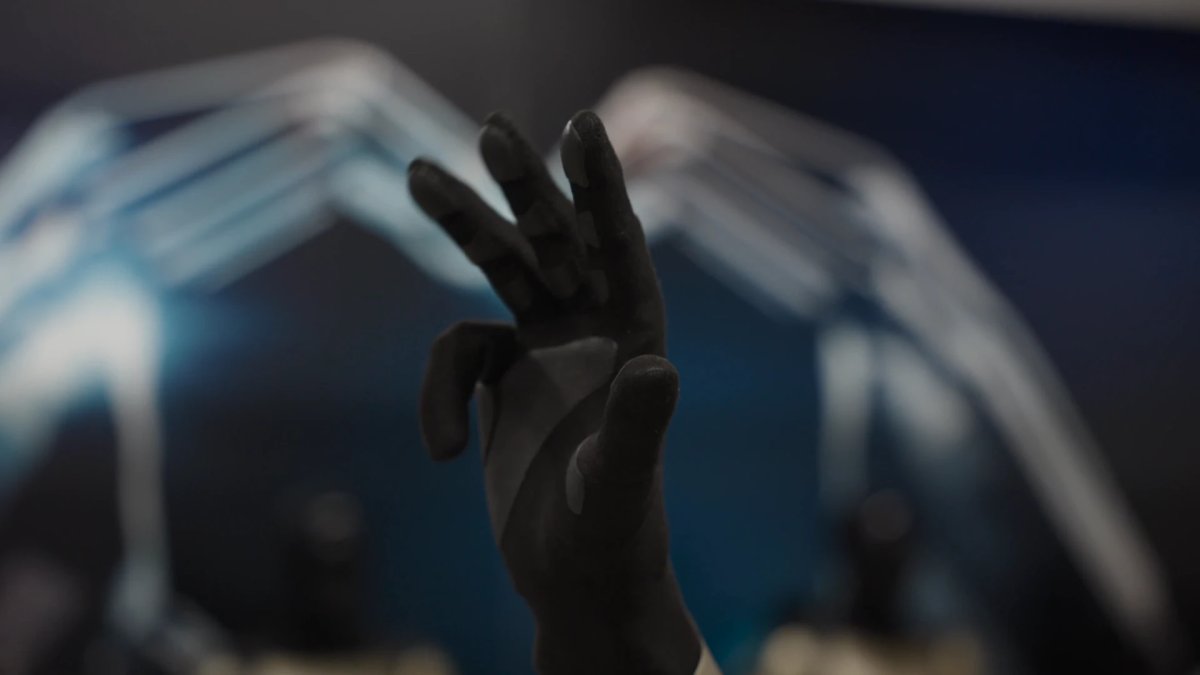
Tesla is making a massive push to turn its humanoid robot into a reality, and the latest progress reports suggest we are reaching a tipping point. In a new recruitment video, the company’s robotics team showcased just how far the Optimus project has come, highlighting a level of physical dexterity that was considered science fiction just a few years ago.
According to the @Tesla_Optimus account on X, the goal is now clear: “get Optimus to high-volume production as fast as possible.” Tesla believes a general-purpose robot capable of useful work will fundamentally change the global economy. To get there, the company is hunting for top-tier talent in AI and manufacturing to help bridge the final gap between prototype and product.
Reaching Human-Level Functionality
The most impressive part of the new footage focuses on the next-gen Optimus V3 hand. Tesla engineers noted that they are nearing human form factor and functionality, which is the “holy grail” of humanoid robotics. The company designed Optimus Gen 3 to have 22 degrees of freedom in each hand. For reference, the human hand is generally considered to have 27. One engineer noted that as they move toward mass production, “It won’t even look like a robot. It will look like a human in a superhero suit. It will be something revolutionary.”
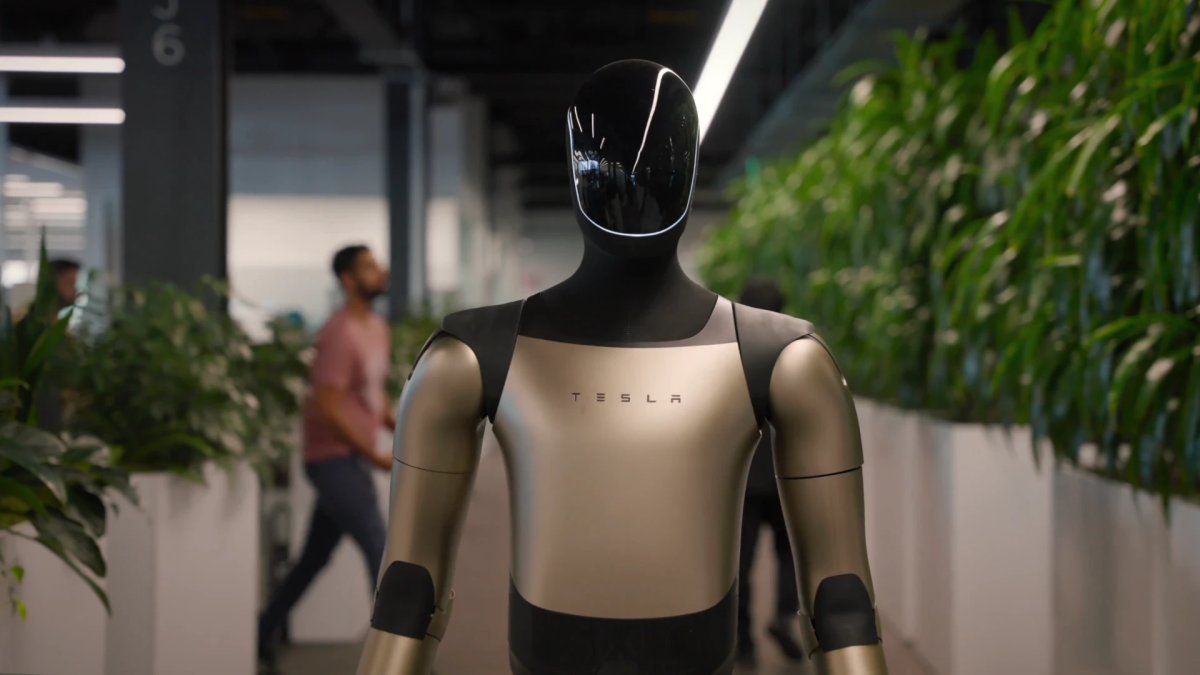
This isn’t just about aesthetics; it’s about the ability to perform everyday tasks across a lab or factory floor. The video shows prototypes roaming and performing various jobs, proving that the hardware is becoming robust enough for real-world labor. By focusing on design and manufacturing in parallel, Tesla is ensuring that once the design is finalized, the company can scale it at a pace traditional robotics companies simply can’t match.
The Gen 3 Roadmap and Rollout
Tesla is currently in the final stages of developing Optimus Gen 3, which Elon Musk claims will be the most advanced robot in the world. The manufacturing timeline is aggressive, with initial production beginning with a slow ramp this summer. Tesla is even discontinuing its flagship Model S and Model X to retool those Fremont factory lines specifically to build these third-gen robots.
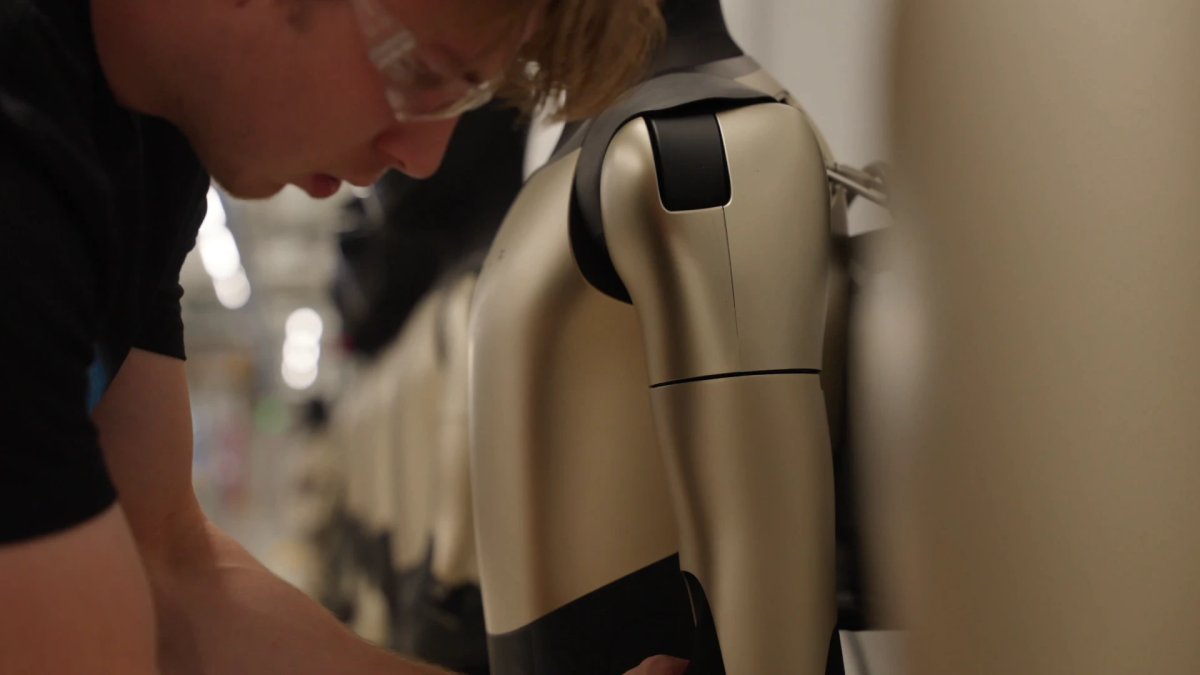
The long-term plan is to reach a price target of roughly $20,000 per robot at scale. While Fremont will handle the initial 1 million unit-per-year line, Giga Texas is slated to host a massive 10 million unit-per-year operation for future Optimus generations. Musk has clarified that while the robots will start working internally at Tesla factories this year, they won’t lead to human layoffs. Instead, they are expected to make the output per human extremely high, supporting a “universal high income” future.
The Biggest Product Ever
If Tesla can successfully launch Gen 3 this year, it will cement the company’s pivot from a carmaker to an AI and robotics powerhouse. With the discontinuation of the Model S and X freeing up factory space, the path is clear for Optimus to become what Tesla calls the “biggest product ever made.”
As the Gen 3 reveal nears in the coming months, all eyes will be on those “superhero suit” hands. If they can truly mimic human movement, the way we think about manufacturing, labor, and even household chores is about to change forever.