 사진 확대
사진 확대
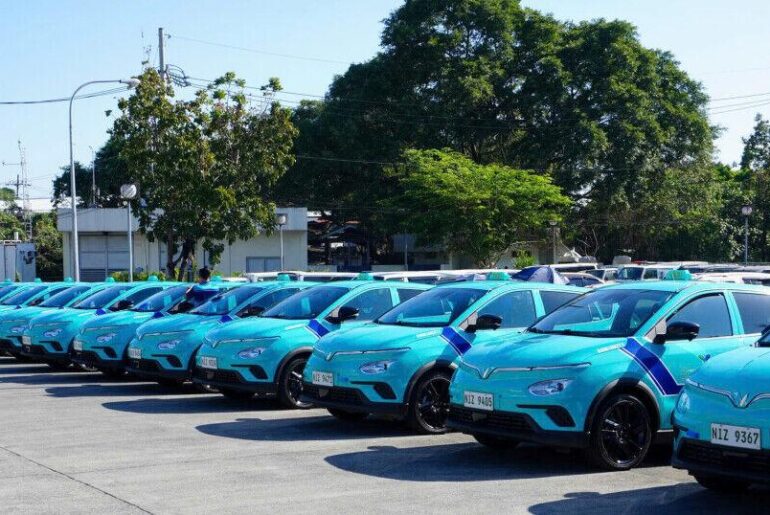
The wind gust of Chinese electric cars is fierce. At the center is BYD, the world’s largest electric vehicle company. It sold more than 6,000 cars in less than a year after landing in the Korean market last year, making it the “top 10” imported cars, and last month, it jumped to the top 7 in the list of imported cars and is challenging to become the No. 1 Tesla stronghold.
Until before entering Korea, BYD had many predictions that it would have difficulty settling in the market due to its image as a “low-cost Chinese car,” but it is going head-on. Starting with the small electric vehicle “Dolphin” in the early 20 million won range, it put its price competitiveness ahead when it first entered the market. However, it was effective to precisely target the practical 2030 generation so that it does not flow into the perception that it is a low-cost brand.
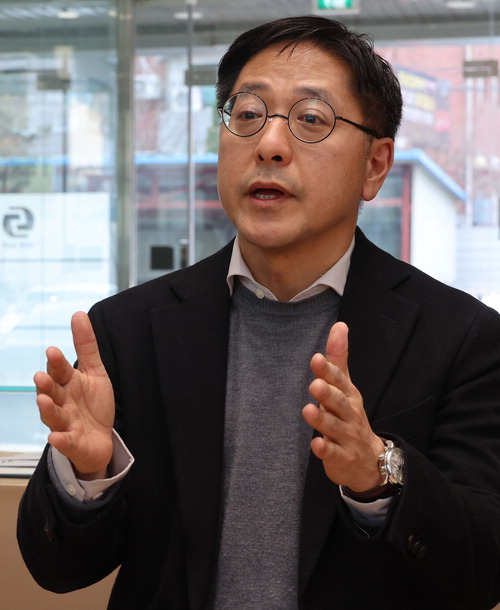
I met with Cho In-cheol, CEO of BYD Korea’s passenger division, who leads BYD, which has recently emerged as a hot icon in the imported car industry, and listened to his future management plans. CEO Cho said, “The era of electric vehicles has been stalled in recent years due to the cash flow (temporary demand stagnation),” adding, “The reason for the cash flow is that automakers have not been able to supply products that consumers can fully find attractive and purchase.”
CEO Cho is a professional manager who has been active in the domestic and imported car industries. Starting with Hyundai Motor in 2000, he worked for BMW Group Korea and Toyota Motor Korea, and also served as the head of BMW Group Korea MINI.
“Before I joined BYD, I had a prejudice against Chinese products,” he said. “When I experienced Chinese electric cars, the basic performance was better than internal cars and it was more fun to ride.” “BYD has a large lineup of high-end brands as well as popular brands, and its battery technology is at a level where it can be superior to global automakers,” he explained.
His analysis is that if Chinese brands enter Korea one after another and grow their market pie, it will bring positive results to the entire finished car industry. CEO Cho stressed, “As German premium brands accounted for more than 70% of the imported car market, Korean customers thought of imported cars only as expensive cars, but it is a more desirable market structure to compete with Hyundai Motor and Kia due to a mixture of expensive and popular cars.”
It is evaluated that establishing a brand in the Korean market is also meaningful in terms of management. “Korea is classified as a traditional automobile powerhouse, although the market size is not large,” he said. “If it is recognized in the Korean market, it has a great effect on other countries.”
CEO Cho said, “China’s electric vehicle brand is growing rapidly around the world, but it is a latecomer in automobile powerhouses such as Korea, the U.S., Europe, and Japan,” adding, “We want to develop step by step and will not try to increase sales rapidly by finding areas that can grow together with the industry.”
CEO Cho In-cheol
△ Born in 1972, △ Graduated from the German language department of Hankuk University of Foreign Studies in 1992 △ Head of Product Planning at Hyundai Motor in 2000 △ Head of Product Planning at BMW Group Korea in 2005 △ Head of Brand and Sales Team at Toyota Motor Corporation Korea in 2010 △ General Director of External Cooperation at BMW Group Korea in 2012 △ Head of MINI at BMW Group Korea in 2016 △ 2024~ BYD Korea CEO
[Reporter Kim Jung Hwan / Photo by Reporter Lee Seung Hwan]