
The best electric bikes are among the broadest categories in cycling nowadays. Not only are there now electric versions of most acoustic or analogue bikes, but growth in categories that previously weren’t all that popular without a motor are taking the lead, like fat-tyre and cargo bikes. The sheer size of the category makes selecting the right bike for you a hell of a lot more complicated. Our electric bike experts have put ebikes in almost every category to the test, testing dozens of bikes every year. Of which you can find six of their op-rated right here.
Instead of just listing each bike under its category, for example, the best electric gravel bikes or the best electric cargo bikes, I have simplified it to how each bike is best used, with the expectation of our best overall. The Whyte RHeO 3 is an exceptional all-rounder, deserving of the title, offering utilitarian features, excellent assistance, incredible versatility, and generally a hoot to ride.
As I mentioned, the rise of the best electric bikes has been remarkable. However, the wide range of options has also led to many poor-quality models entering the market. At Cycling Weekly, we only recommend e-bikes from reputable brands that provide excellent customer support and service. Most importantly, we never recommend anything that we haven’t tested ourselves.
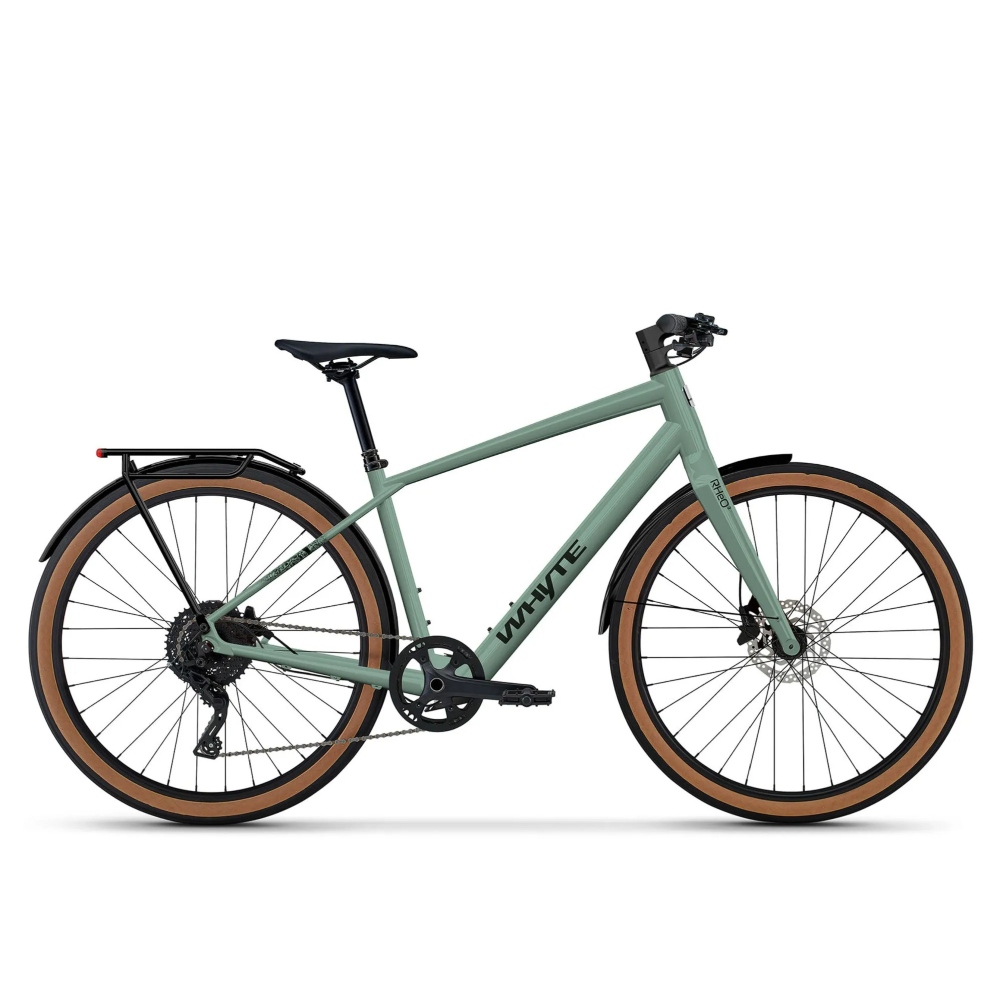
Best Overall
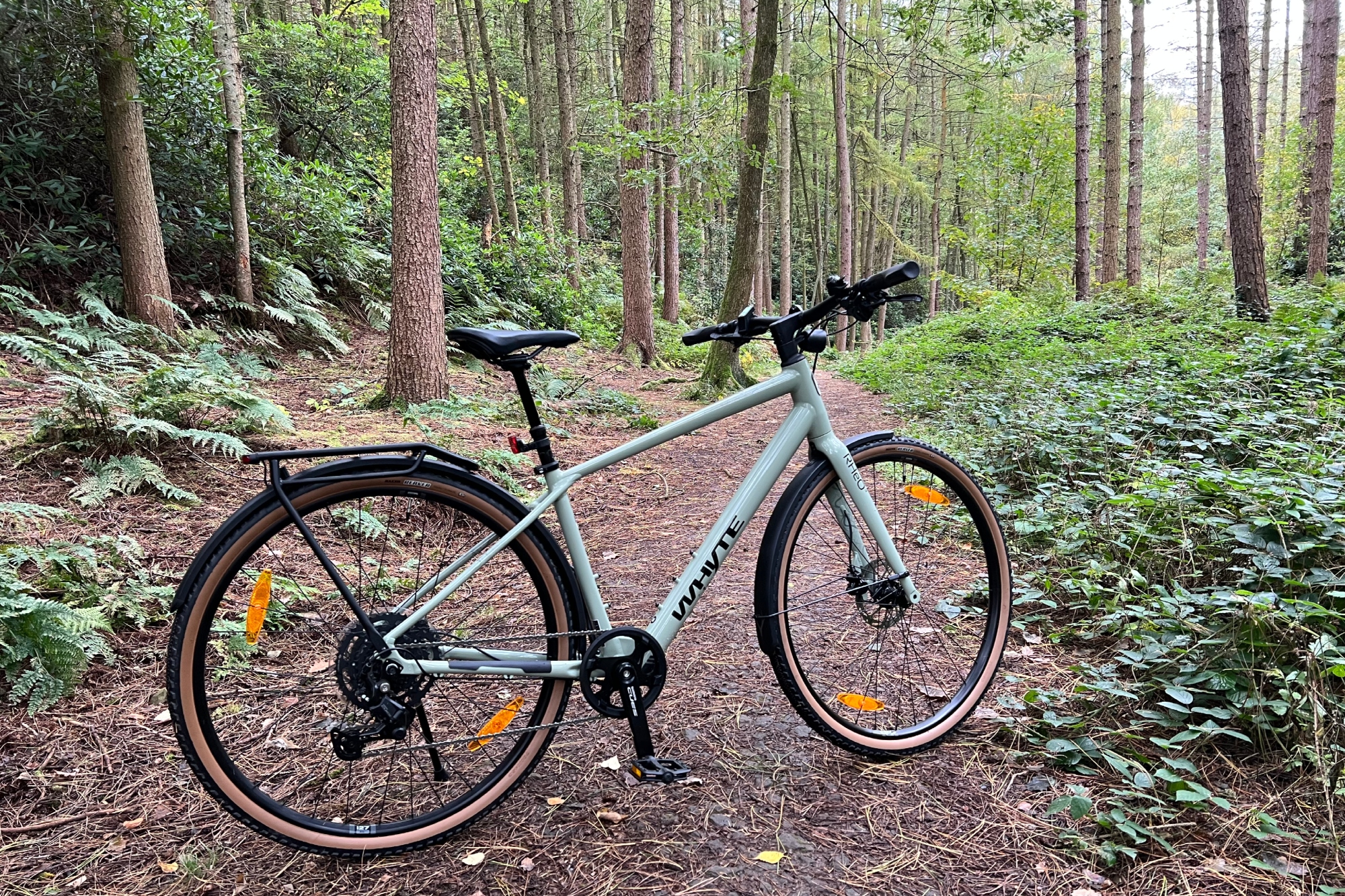
The Whyte RHeO is not fazed by much; it’s a bike that covers a lot of bases. It’s light, fun, versatile, and very affordable, making it pretty much ideal for anyone considering an ebike.
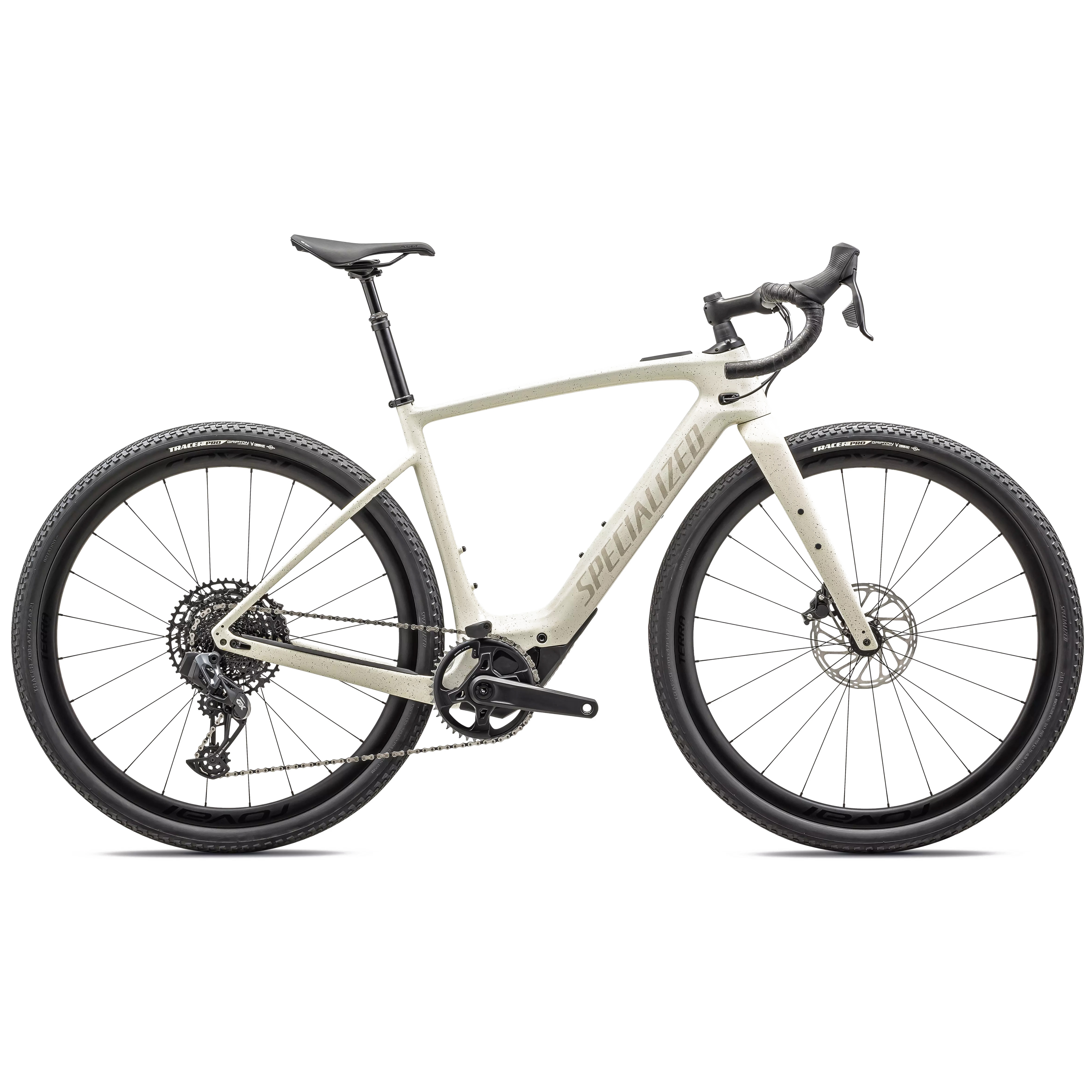
Best for adventures
2. Specialized Turbo Creo 2 Expert Carbon
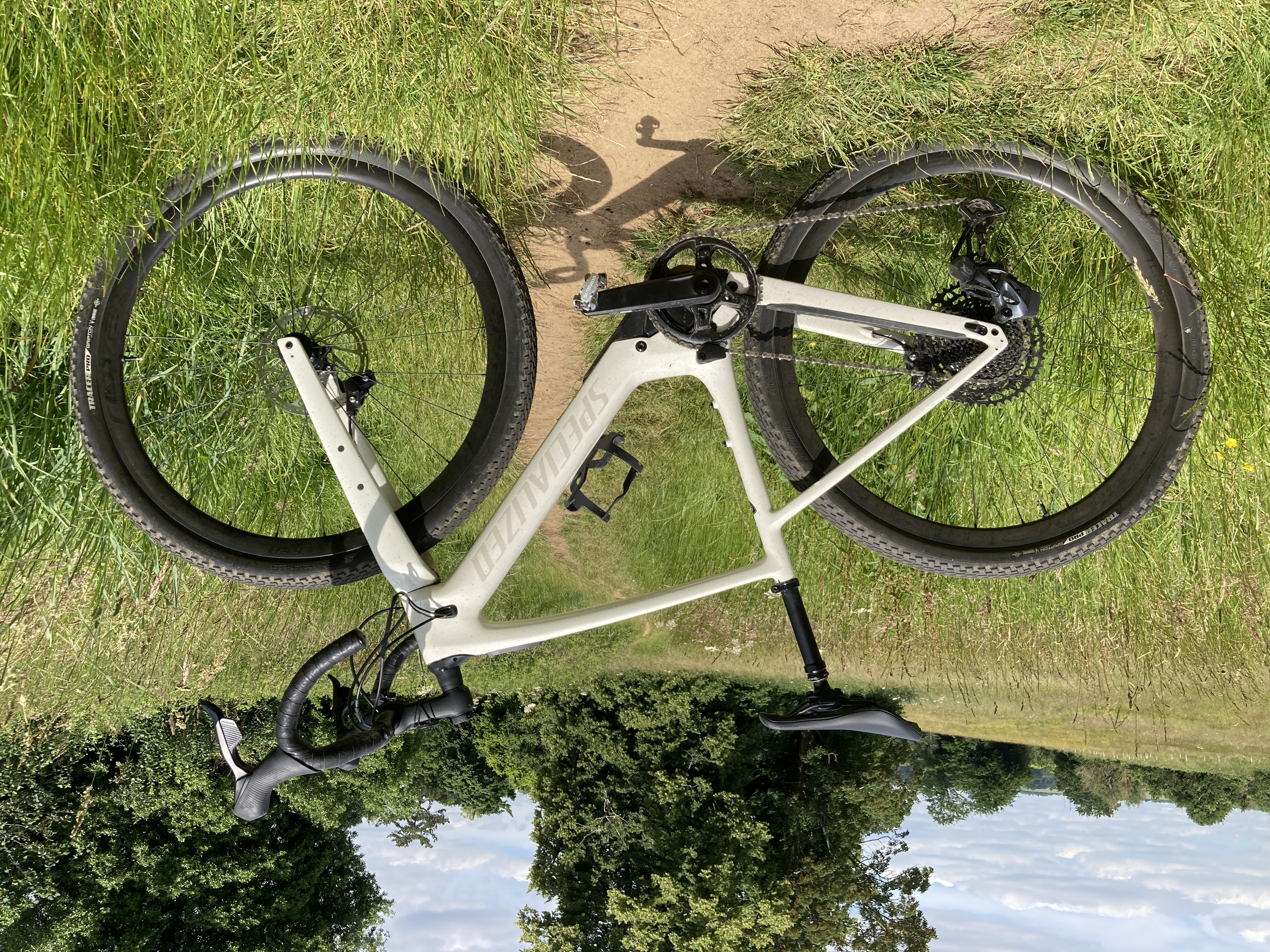
Featuring one of the best motor packages, the Specialised Creo is versatile, and its off-road prowess stands well ahead of the competition, thanks to its clever suspension system.
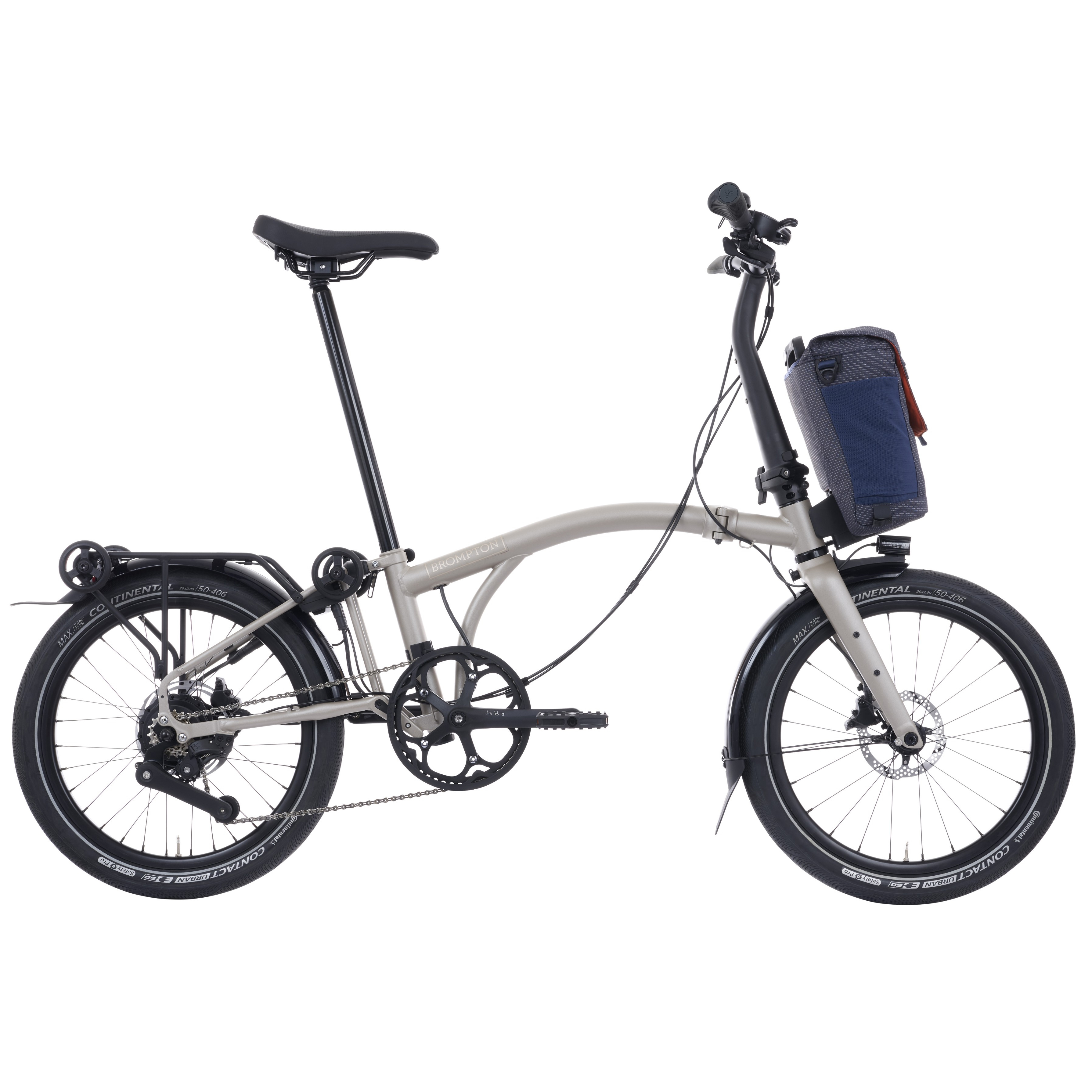
Best for van-life
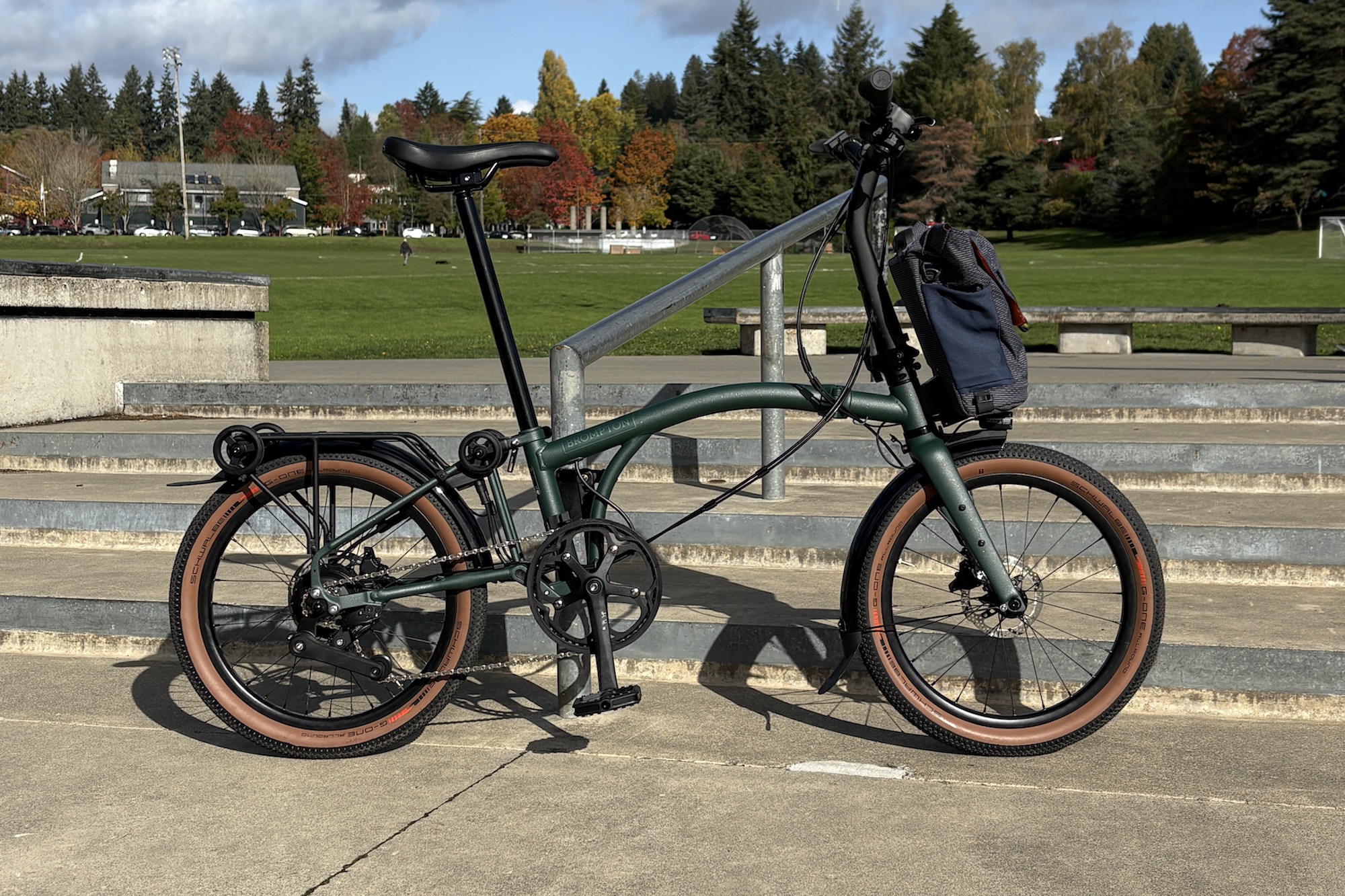
3. Brompton Electric G-Line
While primarily aimed at commuting and leisure, the G-line from Brompton offers more versatility than its small-wheeled brother, espcially now that it packs a rear-hub drive system.
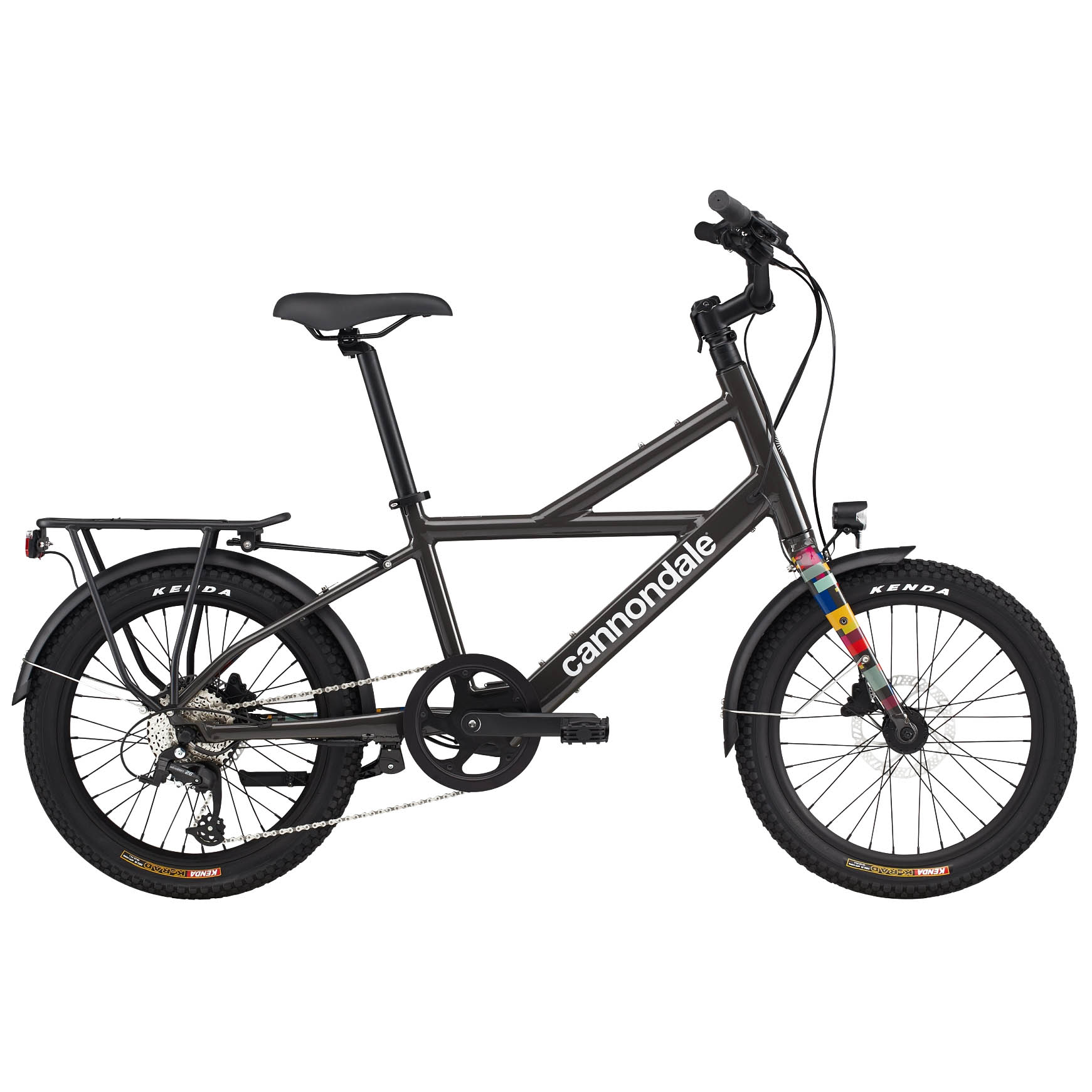
Best for those short on space
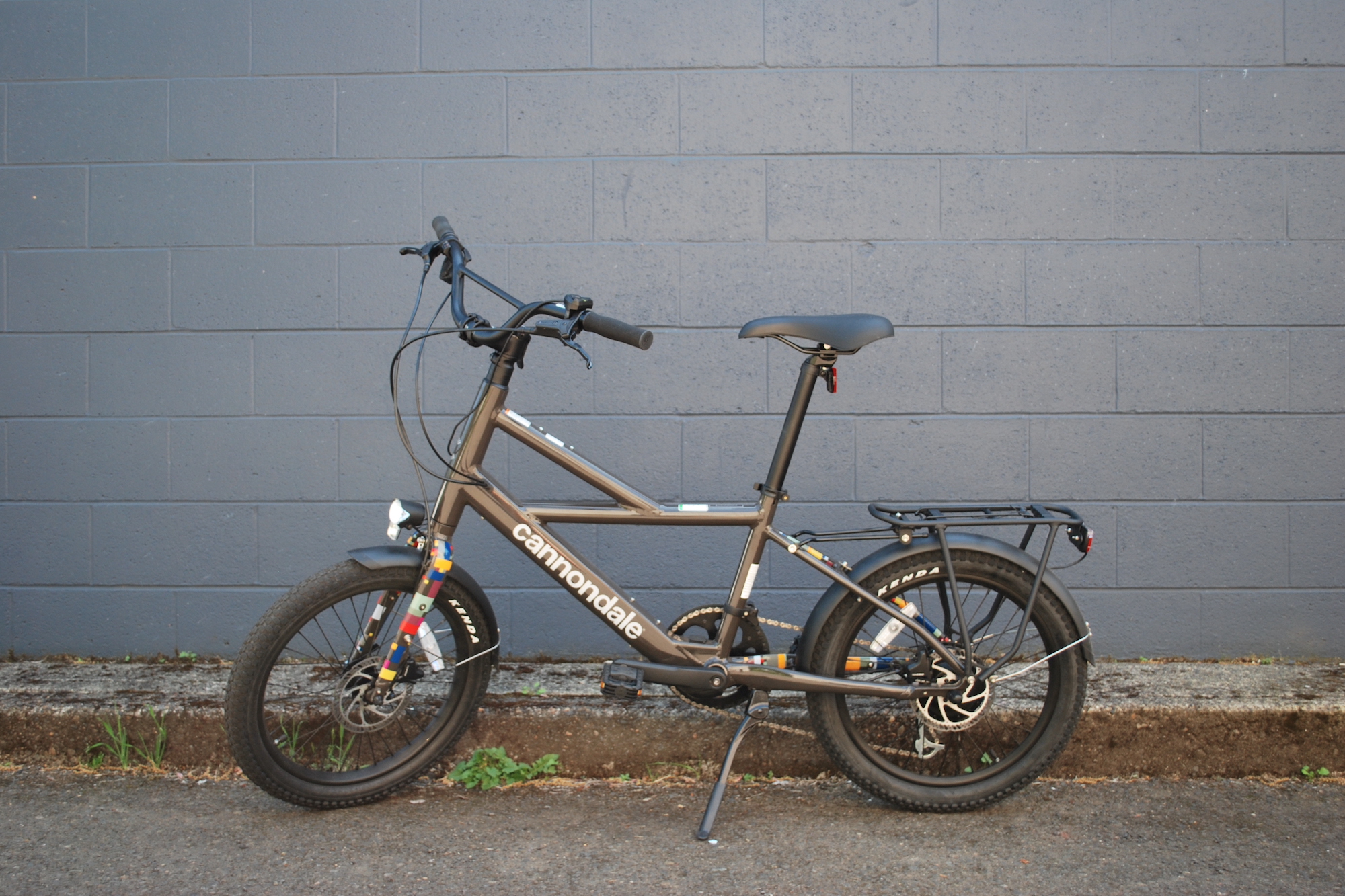
4. Cannondale Compact Neo
Easy to ride, light, and super comfortable, not forgetting a brilliant space-saving solution. What more could you want from an electric bike in the city?
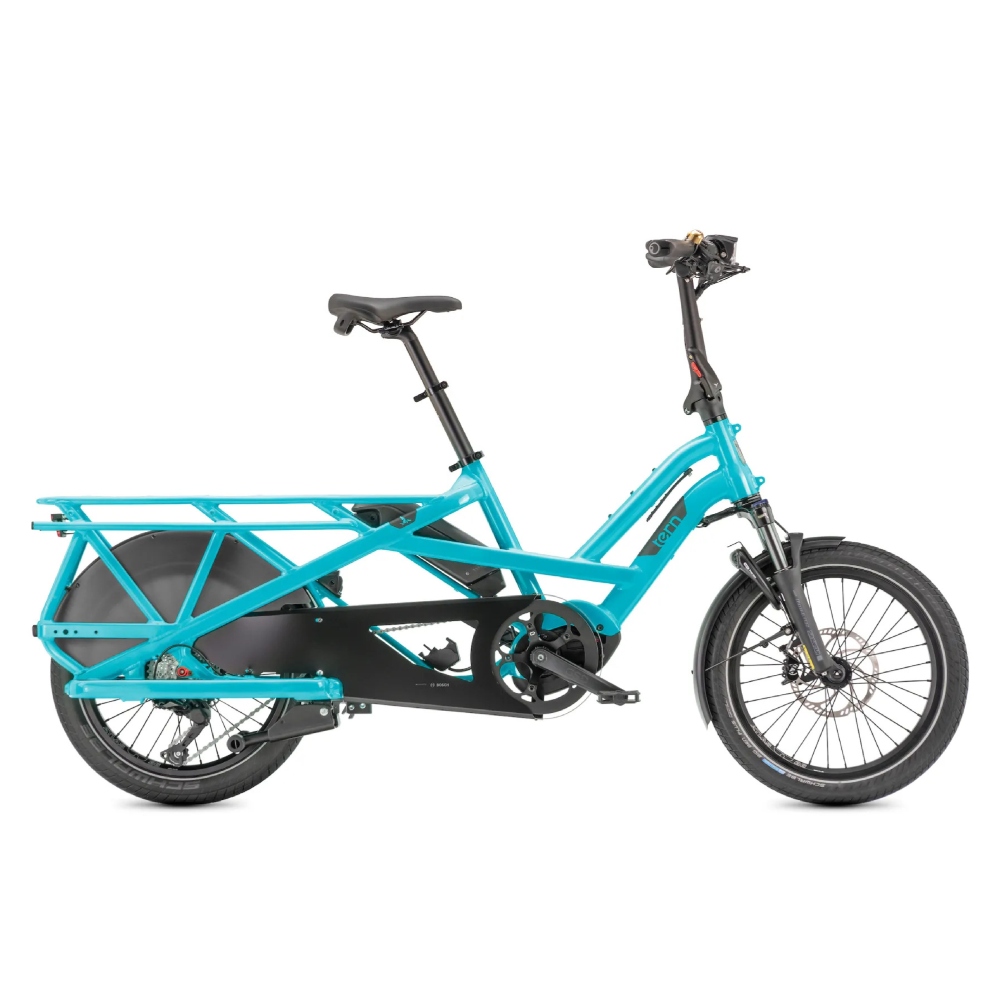
Best for school runs
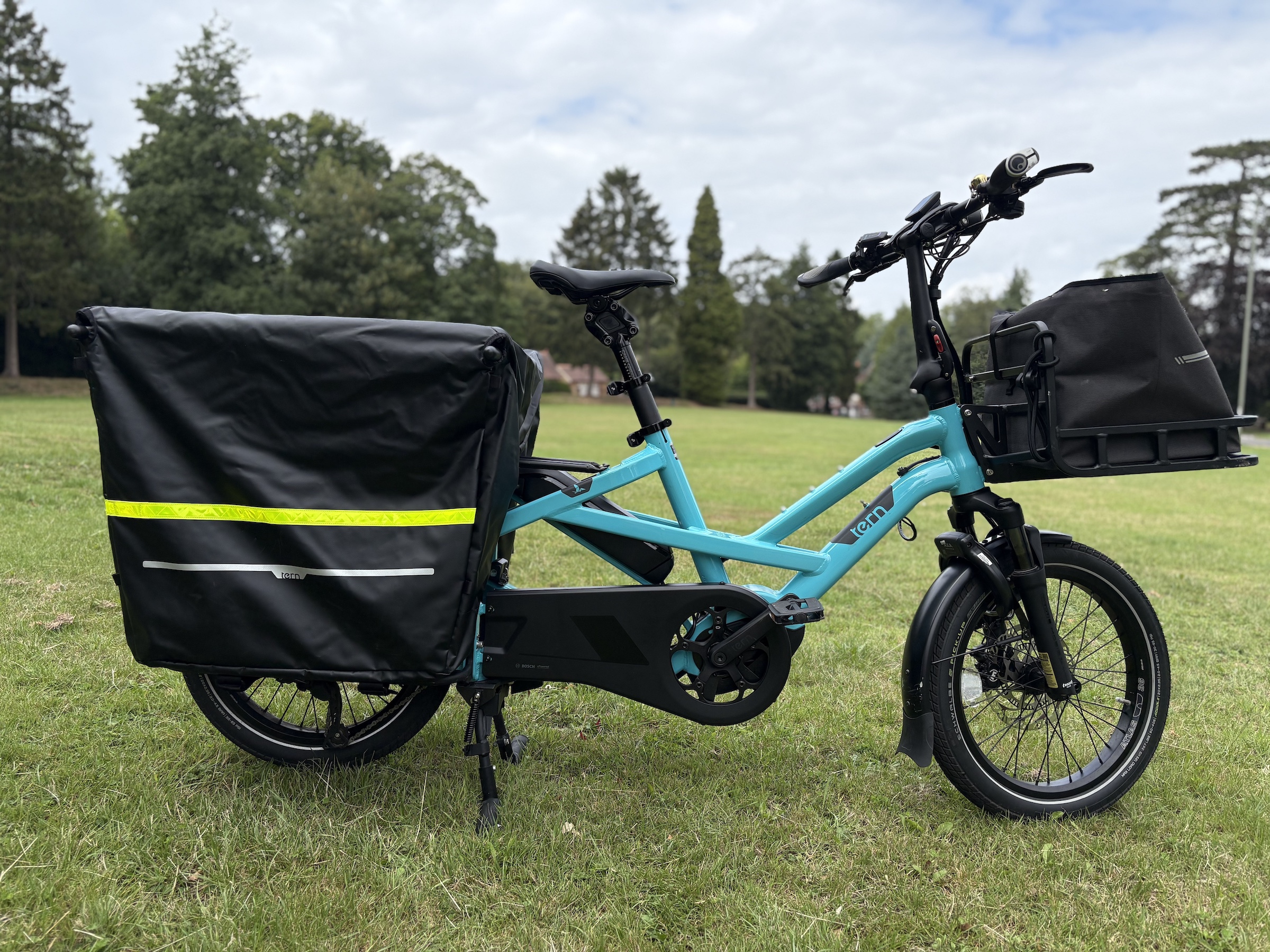
Tern has earned its place as the go-to brand for cargo bikes in recent years, and the GSD S10 is a shining example not just of how good Tern’s are but of how good cargo bikes can be when done well.
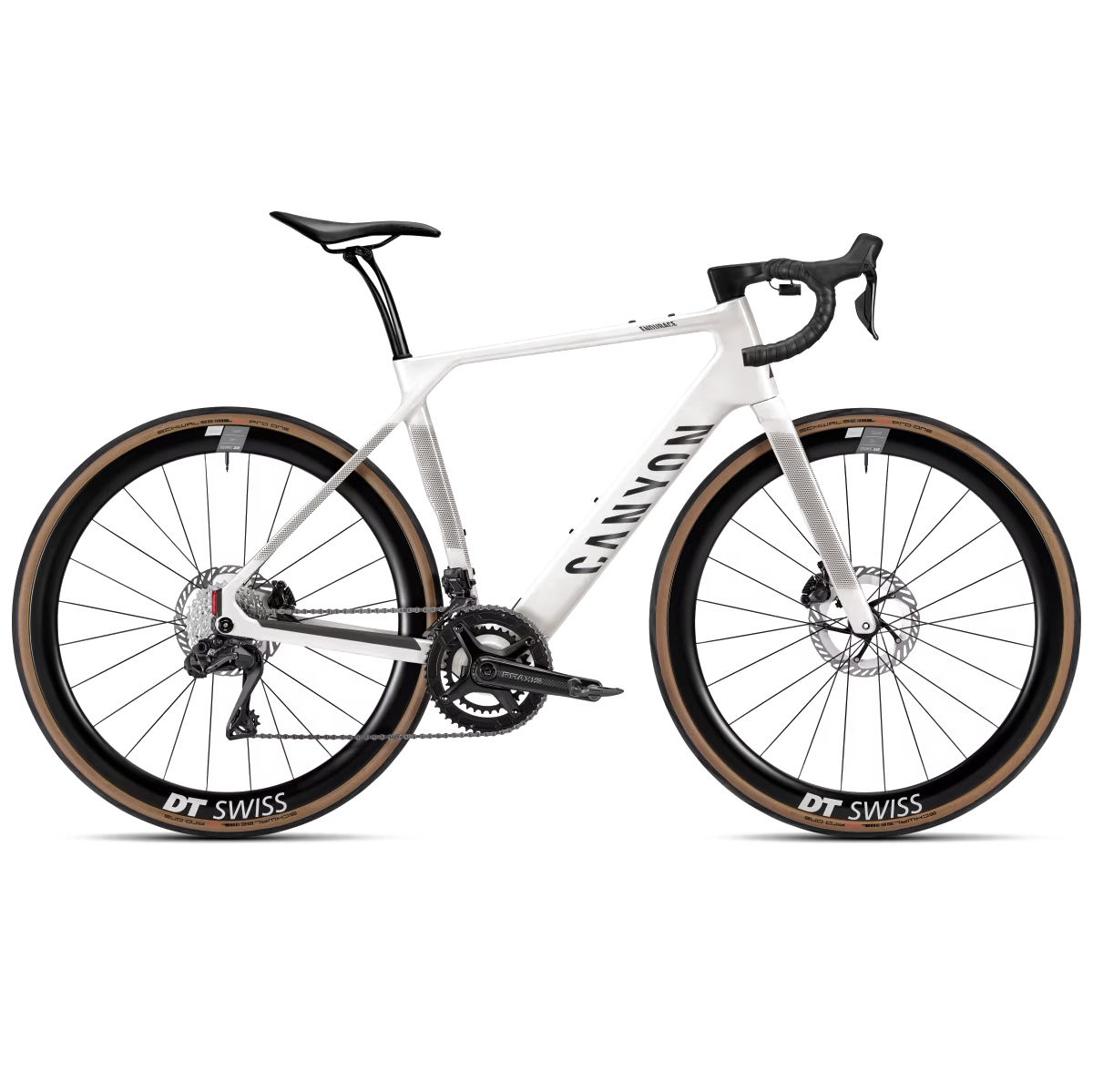
Best for speed
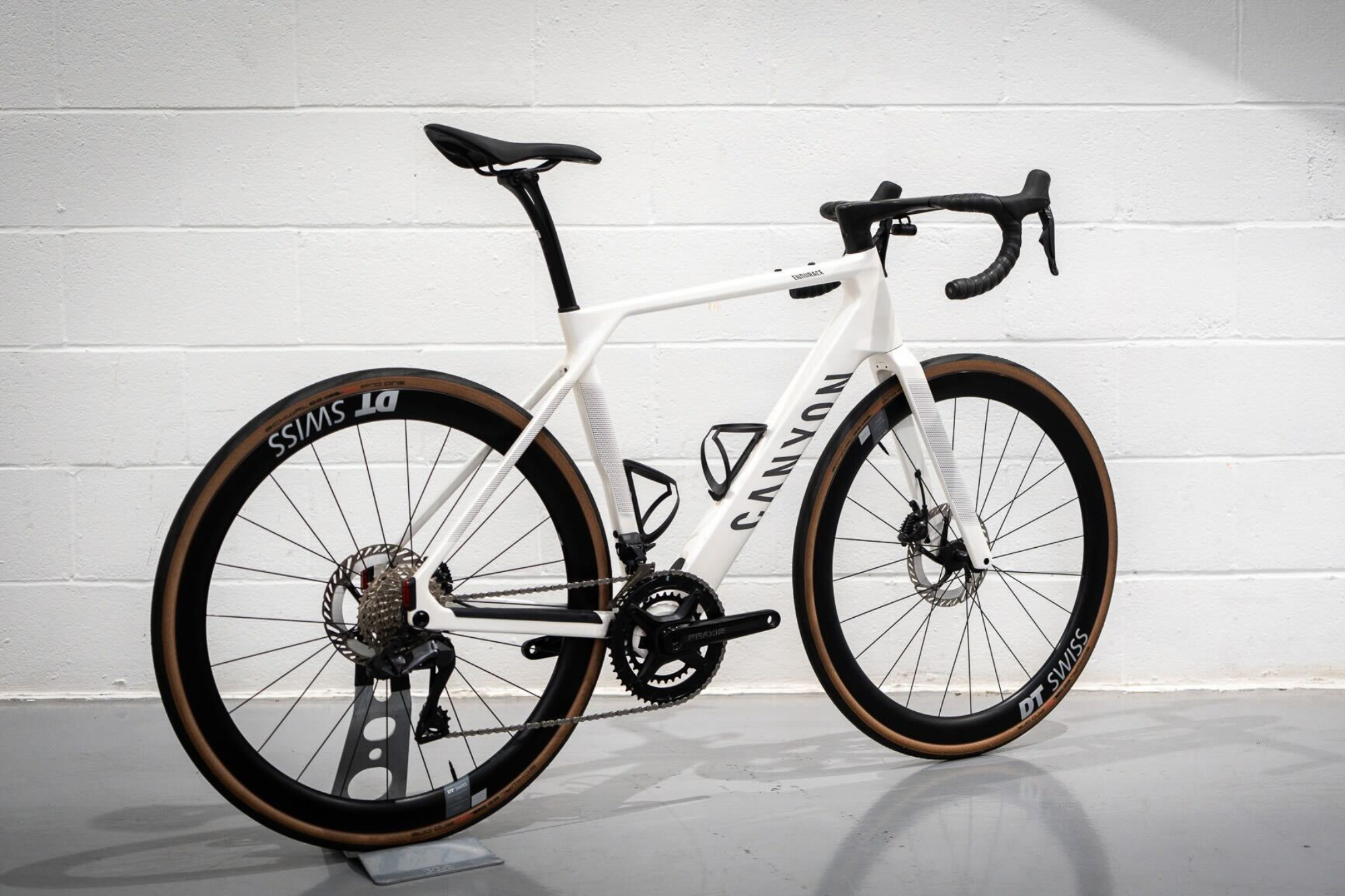
6. Canyon Endurace:ONfly CF 8
The Endurace:ONfly is a road bike first, and one that happens to have a motor. Its is superbly fast, light and comfortable to ride. Canyon’s use of the TQ HPR40 motor is inspired, and it’s really what makes this bike so excellent.
Our experts top-rated & best electric bikes 2026Best overall
(Image credit: Future)
An exceptional all-rounder & our best overall electric bike
Specifications
Motor/Battery: Kynamic hub motor, outputting 450w peak and 45Nm torque, w/250Wh internally mounted battery
Frame/Fork: 6061 alloy, 12mm thru-axle, mudguard mounts
Groupset: Shimano Cues, 9 speed
Tyres: Maxxis Reaver Tanwall 700x45c
Weight: 16.8kg/37lbs
Reasons to buy+
450w (peak) rear hub motor
+
Nimble, agile, predictable steering
+
Build-in lights
+
Ready to roll with rack and mudguards
+
Shimano Cues 9-speed drivetrain
+
Lightweight compared to peers
+
Price point
Reasons to avoid-
250Wh battery provides limited range if using in hills (and cooler temperatures)
–
Cabling could do with a re-design at the frontend
Packing a powerful and lightweight rear hub drive system from Kynamic, the Whyte RHeO 3 delivers 450W peak with 45nm of torque. Which isn’t all that different from others in the market, like Mahle. However, it’s Whyte’s unique frame design that makes the difference, with the battery sat low in the frame, they have created a much more balanced ride that offers greater stability. Combine this with the Ulitilian finish of Shimano Cues, chunky Maxxis, racks and lights, the RHeO is as versatile as it is capable and fun.
On test, the majority of my riding was out on the roads and into town, but I couldn’t resist getting the Whyte off-road. It has gravel tyres after all. That is where the RHeO really shows its versatility. While its focus is on commuting and being a car replacement, it’s nimble, and the motor makes it an absolute hoot to ride off-road as well.
The RHeO 3 is well equipped, truly lightweight, and I genuinely feel it can handle almost anything you can throw at it, all for a very reasonable price.
Best for adventures
Specialized’s Turbo Creo uses the brand’s own motor
(Image credit: Future / James Shrubsall)
Best electric bike for getting off-road and exploring
Specifications
Motor/Battery: Specialized SL 1.2, 50nM torque w/320Wh battery
Frame/ Fork: FACT 11r carbon w/Future Shock 3.3
Groupset: SRAM Rival eTAP AXS
Tyres: Specialized Tracer Pro, 47mm
Weight: 14.1kg / 31lb
Reasons to buy+
Utterly confidence inspiring
+
Useful range
+
Natural feeling assistance
Reasons to avoid-
Um…
–
That’s a toughie
–
Can I say ‘lack of flared bar’?
We have put a number of Turbo Creos to the test during their tenure in the Specialized range, and they always score highly with our experts, including this one, the Expert Carbon. Really, what can I say about the Creo SL Expert Carbon? It really is very good. When it came to scoring it, I honestly couldn’t find any real cons; I had to scrape the bottom of the barrel, with it possibly needing a more flared bar.
The Creo instantly instils confidence, largely thanks to the Future Shock Suspension, which was a game-changer for me on rough terrain. When combined with the enormous tyre clearance, slacker geometry, and extended wheelbase, it is a bike that really eats up terrain, and a bike that can really step up your riding.
What most people will be asking is, how good is Specialized’s SL1.2 motor versus the competition? To that, I say it is brilliant. Its remarkable nature, power delivery, and impressive range go a long way to eliminating any range anxiety. It’s not at all sluggish or draggy either. As you hit the hills, it’s transformative, if anything to strong in some cases, as I found myself never really needing the full turbo mode. Sport was plenty adequate enough, and means you don’t need to be so on the brakes on the climbs as well.
Best for van-lifers
(Image credit: Tyler Boucher)
In the city, off-road and foldable do-it-all electric bike, best for camper vans and versatility
Specifications
Motor/Battery: Brompton e-Motiq w/345wh Battery
Frame/Fork: Brompton Steel Folding
Groupset: Brompton proprietary 4 speed system
Tyres: Schwalbe G-One All Round 54mm
Weight: 42.5lbs/19.2kg
Reasons to buy+
Extremely fun to ride
+
Foldability is straightforward and intuitive
+
Excels at multi-modal transit
Reasons to avoid-
Complex electronic components make troubleshooting tricky
–
Expensive
I must confess, I have never owned a folding bike. Despite having lived in the city for much of my life, including several small apartments, I have never taken the plunge. However, my curiosity has finally got the better of me, and when the opportunity arose to test Brompton’s new Electric G Line model, I jumped at it. I wasn’t alone either, early into my testing, and I couldn’t believe the curiosity of anyone and everyone who stopped me on the street. “What is that?” “How does it work?” “Can I see it fold up?”
A large percentage of my testing took place on the city streets, as expected, but I actively sought out off-road opportunities to really put the ‘Gravel’ bike in Brompton’s lineup to the test. However, I certainly didn’t get anywhere near as dicey as Simon Fellows when he took on the analogue version. So, if you want to understand the G-Lines off-road prowess, have a read of his very in-depth look.
Thankfully, Brompton has seen the light and now locates the motor in the rear hub. This means better weight distribution and far better control. However, my time on the new system and bike was far from plain sailing. Once over the hurdle of folding it and unfolding, I had a number of issues. First, a connector issue, then some mechanical issues. This is a heavy bike at 42lbs/19kg; it’s not something you want to pedal around without gearing or assistance.
Once these issues were sorted, I did get some decent riding in, but I was left for much of my time wondering what this bike is for? And who is it for?
Again, I think Simon sums it up perfectly. “Brompton truly has removed or at least depleted the urban-rural divide.” It’s a bike that, if I lived outside the city, might interest me, as I could choose my route. Be that all on the bike, with a mix of terrain, or combining with public transport or a car.
Best for those short on space
(Image credit: Anne-Marije Rook)
Best electric bike for those where space is at a premium
Specifications
Motor/Battery: 250-watt rear-hub motor
Frame/Fork: Compact alloy frame
Groupset: 8-speed MicroShift
Tyres: Kenda K-Rad 20 x 2.35″
Weight: 36lbs/16.3kg
Reasons to buy+
Wallet-friendly
+
Good value
+
Brand name components
+
Stable, comfortable ride
Reasons to avoid-
Lacking in power and range
–
Limited utility
Manoeuvrable, relatively lightweight, comfortable and reasonably compact commuter, what more could you need from a bike as a city dweller?
It is worth noting straight out of the gate that the Compact Neo from Cannondale is not a folding bike. It’s a compact ‘mini-velo’ based on the brand’s now iconic acoustic predecessor, the Hooligan! But, what is a compact ‘mini-velo’? While the Hooligan was largely about fun, the Campact Neo has a different vibe. Its folding pedals, ability to turn the stem – tool-free and compact design make it ideal for storing in a hallway, behind a couch, or down the side of a car in the garage.
It’s these practicalities that really define the Compact Neo; it’s less twitchy and agile than its predecessor or even a Brompton, for example, and it lacks a bit of get-up-and-go. What it lacks in strength and speed, it makes up for in comfort and convenience. Big rubber and the relaxed position make for a pleasant ride. While Bromptons are brilliant, they aren’t the best to ride, and there is an art to the fold. The Neo’s compact design is convenient, and in some cases, easier to store.
Best for families
The Tern GSD S10 electric cargo bike
(Image credit: Future)
Best electric bike for hauling, school runs and replacing the car
Specifications
Motor/Battery: Bosch Cargo Line w/545wh Powerpack
Frame/Fork: Step-through 6061 aluminium
Groupset: Shimano Deore 1×10 speed
Tyres: Schwalbe Pick-Up
Weight: 37.3kg/82.3lb
Reasons to buy+
Excellent range of accessories
+
Vertical storage
+
Easy to ride
+
Assured braking
+
Solid kick-stand
+
Built-in security
Reasons to avoid-
Drivetrain hard to access
–
Kids need to be lifted onto seats if Stormbox is in place
Awarding the Tern GSD 5 stars has become a bit of a habit here at Cycling Weekly. A couple of years ago, tech writer Hannah Bussey loved the GSD and all it had to offer. Now in its third generation, I not only awarded it 5 stars, but I actually brought one!
At the point of purchasing the GSD, I couldn’t remember, in 15 years of being a bicycle journalist, having ever actually brought a bike I’d tested. The GSD isn’t just for me; I am lucky and grateful to have access to the latest and greatest, largely whenever I need them. ‘We’, thats my family and I have tested a number of cargo bikes, and the GSD has just got so many things right, I saw no reason not to.
The GSD is so well-balanced and, by far, one of the easiest we have found to live with. In fact, my non-cycling partner happily cruises around on it with the kids to and from school and clubs. It also represents a pretty reasonable value. This is purely because of the GSD’s success; things just get cheaper with volume. Unfortunately, not many cargo bikes are sold in volume; this is largely because Tern also has many of its accessories fit across the range of bikes, rather than being proprietary to a single model.
Best for speed
(Image credit: Future / Andy Carr)
Best electric bike for speed and fitness
Specifications
Frame: Canyon Endurace: ONFly Carbon
Groupset: Shimano Ultegra Di2 R8100
Wheels: DT Swiss ERC 1400 Dicut
Weight: 10.97kg/24.1lbs
Reasons to buy+
The best road focused e-bike propulsion in the market
+
All of the good aspects of the Endurace
+
Very light for an e-bike
+
No e-bike noises
Reasons to avoid-
Range is enough and expandable, but rides will need planning
–
Not many alternatives with this TQ system yet
Weight has always plagued the best electric road bikes and gravel bikes when compared to their mountain bike counterparts. It is this obsession in the drop bar world that has left it a polarising topic, even when the assistance they provide is good. Enter the Canyon Endurace: ONfly CF 8. Looks-wise, it’s almost like Canyon has made the anolgue Endurace, oversized to make the ONfly stand out less. This is largely due to the aero profiling, but it works. Underneath this advanced carbon frame is the TQ-HPR40 mid-motor e-bike system. At just 2.5kg/5.5lbs for the motor and battery, it again makes a strong case for not being obviously an ebike. TQ claims the HPR40’s Harmonic Pin Ring technology is the most efficient mid-motor system on the market, and with 40nm torque, it should effectively double your output.
Out on the blacktop, the Endurace feels very familiar, and not at all like it’s compensating for anything; it’s comfortable, and its unflappable nature is effortless and almost calming. The real highlight for me is that TQ HPR40 motor. It is by far the quietest motor I have heard or haven’t heard for that matter. It is just so efficient and smooth, as on more than one occasion, I had to check it was still on, which was always immediately apparent as soon as I turned it off.
If you are considering an electric road bike, try the Canyon first! It is for more than the sum of its parts, and that sets it apart from many others, especially those from the not-too-distant past.
How we test
Our team here at Cycling Weekly truly are cycling experts, with knowledge and experience of just about every type of cycling product and bike. Not only is our brand one of the oldest in the world, but our tech team alone boasts well over 100 years of experience in the bicycle industry.
When it comes to testing the best electric bikes, it isn’t all that different from testing their analogue counterparts. Depending on the bike and the breadth of the electric bike category, our testers are riding a wide variety of terrain to determine a bike’s suitability for its intended use. It also requires logging serious miles to understand each bike’s handling characteristics, durability, reliability, usability, and overall value.
Where electric bikes, of course, differ is the need to put the electrical systems to the test. Where our team are looking at the range, quality of assistance, and reliability of the system. Where possible, having familiar, retracable routes to obtain comparable data.
For more details on all the products we test here at Cycling Weekly, visit our How We Test page.
Meet our ebike experts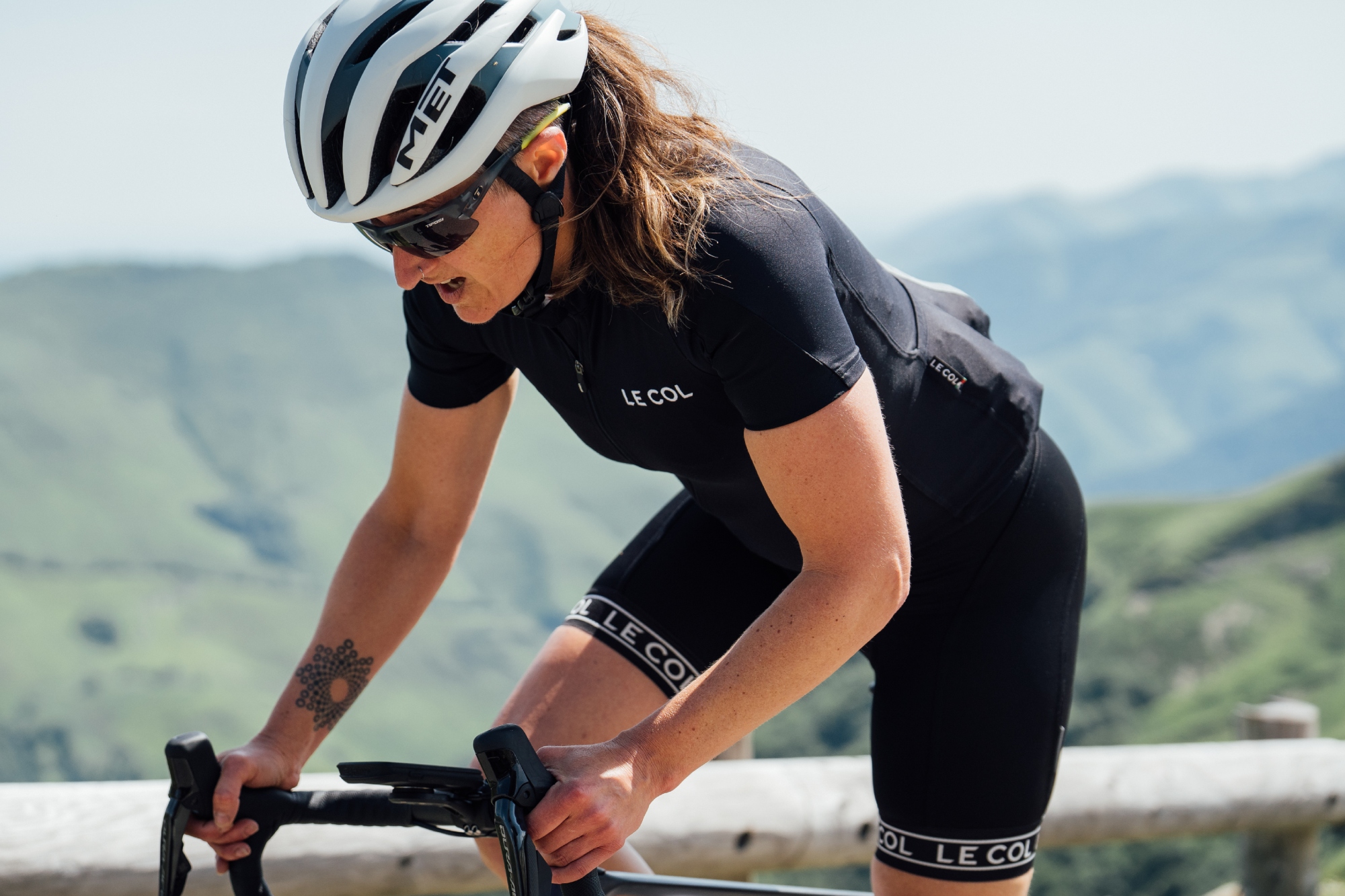
Hannah Bussey
Cycling Weekly Tech Writer
Hannah might have once been a feature of the Women’s pro-peloton, but her love of bikes goes far beyond that. If you can turn the pedals, Hannah is up for riding it. She also has a busy life outside cycling, as a mum, and an active part of her community. Electric bikes offer her great transportation options in the hilly Peak District, easy days and a tool for moving around the family.

James Shrubsall
Cycling Weekly News and Features Writer
James has been writing for Cycling Weekly since most of us even left school, but with age comes wisdom, and that wisdom is that electric bikes absolutely deserve a place in your garage, even for dedicated cyclists like James. Alongside his brother Steve, James is the joint host of our Going Long Podcast. Where they discuss all things gravel, endurance and the personalities of one of cycling’s fastest growing niches.
How to choose the best electric bike for youWhy would you buy an electric bike at all?
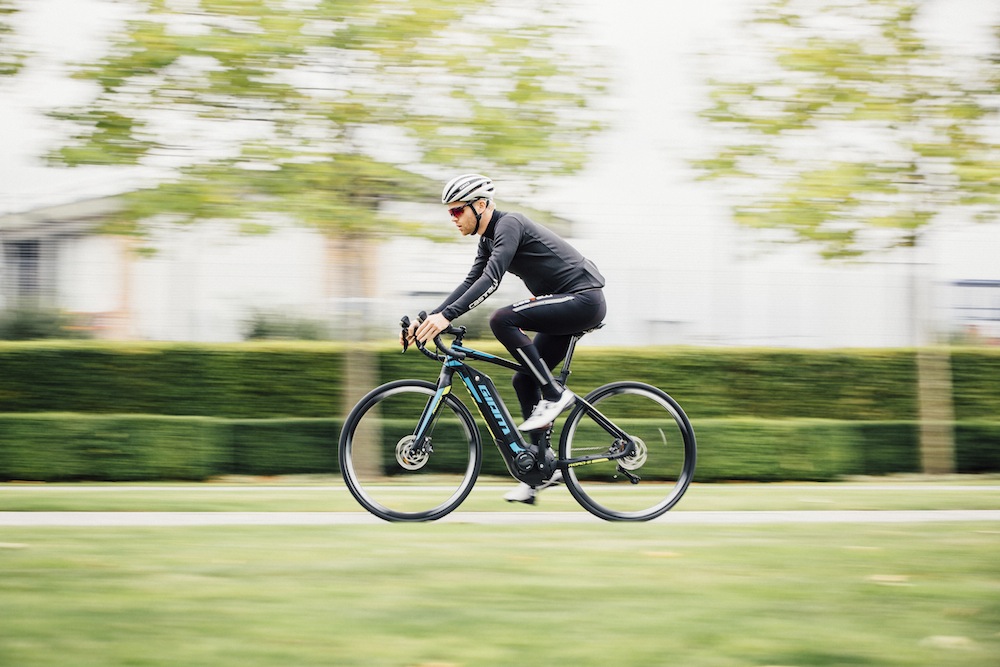
There are a whole host of reasons why you might want to invest in one of the best electric bikes. Insert all cliches here! I say that like the cliches aren’t good reasons, as they absolutely are. Ebikes are great for fitness, keeping up with friends, replacing the car and recovering from injuries or managing health issues. As we enter the teenage years of the electric bike ‘revolution’, it is quite apparent that there are a million and one reasons why you should consider one. For me, it’s exploring. I can explore new routes, trails, and points of interest or head further without needing my body and legs to do all the work, all the time.
(Image credit: chris catchpole)
What types of electric bike are available?
Most electric bikes, like all those featured in this guide, come in the form of a Pedelec or pedal-assist, which monitors the rider’s input and assists as much as possible up to the region-specific top speed. This is delivered either directly to the cranks or via the hubs in the wheels.
The use of ‘Twist-n-Go’ models is legally determined by where you live. For example, in many US states, these bikes are very common; however, here in the UK and the EU, despite widespread use among food delivery riders, they are illegal.
Where should the motor be placed on the best electric bike?
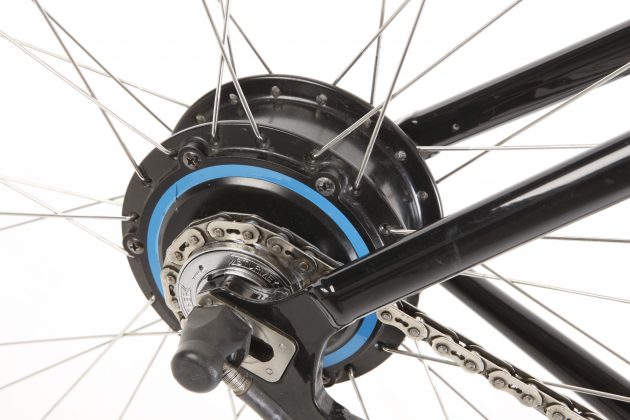
There are really only three options for e-bike motor placement: either on the front wheel, the back wheel or the cranks.
Placing the motor at the cranks offers much better weight distribution, which makes the bike more stable — a key consideration for both road and mountain bikes.
Hub based motors, found in the rear wheel, are usually lighter, so you’re more likely to find them on electric road bikes. Motors in the front wheel are a lot less common, but you may find them on some hybrid e-bikes and folders.
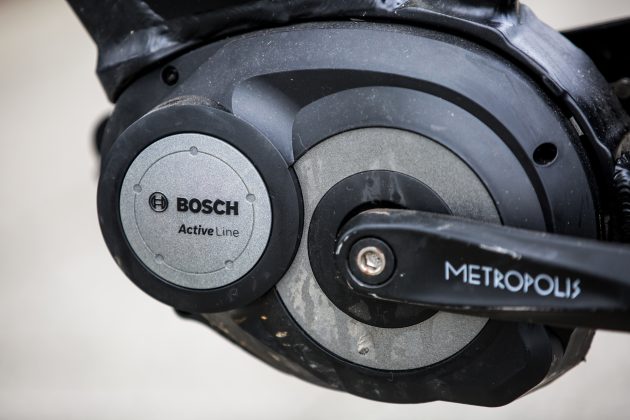
Most motors are now placed around the bottom bracket for a better distribution of weight
Frequently asked questions about ebikesHow far do the best electric bikes go?
Another consideration worth thinking about is electric bike batteries. Generally speaking, like motors, you get what you pay for. No battery will have infinite power, or be totally invisible, even on the best electric bike – but the more you spend the longer the range/ the more subtle its placement.
Battery capacity is measured in both watts (watt-hours, Wh) or amps (amp-hours, Ah). In most cases, an e-bike’s battery capacity lies between 250Wh-600Wh or 7-10Ah.
Typically, you should get around 800 charge cycles from the best electric bike lithium-ion battery before you’ll need to replace it.
How far you can go on a single charge depends on range of factors, including the terrain, but a rule of thumb you can expect a riding range of anywhere between 25 and 75 miles of run time on a full charge. Although be warned, the more assistance the bike gives, the more power it will draw from the battery.
Are electric bikes legal?
The biggest difference between an electric bike and a motorbike is that the e-bike can only assist its rider, its motor cannot be the sole source of power for the bike. To clarify, in order for an electric bike to be legal, in many countries it can only assist a rider up to 25km/h (that’s roughly 15.5mph). This applies to most of Europe and Australia — if you live in the US, keep reading.
Outside the US the motor inside the bike can only be a maximum of 250w and cannot be operated by a throttle like you’d find on a motorbike. Which does mean you’ll have to use your legs!
The rules in the US are a bit more difficult to follow as the laws can vary state to state, and federal law surrounding e-bikes may say something different again.
The Bicycle Product Suppliers Association has sought to clear up some of the confusion, slotting e-bikes into a three-class system, all of which are limited to 750-watt motors.
The laws surrounding where and who can ride which class of e-bikes also varies state to state, but the TL:DR version is class 1 and 2 are permitted anywhere bikes are allowed, and class 3 are okay on roads and in bike lanes, but not multi-use paths, and have rules surrounding helmet use and minimum rider age. Thankfully the lovely folks over at People for Bikes have a handy guide that breaks the rules up by state.
Class 1: the motor only kicks in when the rider is pedalling and is limited to 20mph
Class 2: The motor is limited to 20mph and can provide assistance whether or not the rider is pedalling
Class 3: the motor provides pedal assist, is limited to 28mph and must be equipped with a speedometer.
What are power and torque?
The peak output of an electric bike is normally expressed in two measures. The power output of the motor is measured in watts. Most electric bikes have a maximum continuously rated output of 250 watts, as that’s the power that regulations allow in many countries. Their peak power may be higher than this – think power required to get you started from a standing start.
Torque is the turning effort that the motor can add to your own pedalling. It’s measured in Newton-metres (Nm).
Torque output varies considerably between motors. Lower priced electric hybrid bikes and many folders may have a torque output of around 40Nm. That’s also the power output of the motors on some electric road bikes, where the motor is designed to add extra power to assist a fitter rider rather than o pull you up a hill.
Mid-range motors, such as are found on many electric city hybrids, and some electric road bikes typically have outputs of 50Nm to 65Nm. Electric mountain bikes and some electric gravel bikes may have torque outputs of 90Nm or more to give plenty of grunt when climbing steep off-road inclines.
What components do the best electric bikes have?
E-bikes do have slightly different components to standard bikes, the obvious ones are the battery and motor.
In terms of motors, the big names are Bosch and Shimano. Shimano Steps was the first e-bike specific groupset from the Japanese giant and it features a mid-drive electric motor, as well as integrated electric shifters and a torque sensor to smooth out the ride a little.
Bosch has really embraced the electric bike market and its range of eleven different motors offers a variety of power assistance depending on how much you’re willing to spend and the type of riding you’re doing. Its models have motors geared to more leisurely riding, more performance-oriented cycling or cargo moving applications.
Other brands such as Fazua, TQ and Mahle ebikemotion are common on lightweight e-road bikes, and these systems have done well when reviewed, so come recommended. Budget electric bikes often use Bafang motors.
The best electric bikes are likely to come specced with some form of hydraulic disc brakes. The added speed and weight of an e-bike will definitely warrant the extra stopping power.
Other areas that can differ are tires, which tend to be fatter, even on the road bike options, anywhere between 32mm and 40mm of rubber is most common on the hybrid options. The extra wide tires will help absorb the impacts of the heavier frame as well as providing more grip and stopping power to balance the extra weight and speed.
The more expensive, lightweight carbon road electric bikes do now come with leaner 28m tyres, perfect for keeping up on the club run.
Round up of today’s best deals
Explore More