A Tesla Model Y buyer, after test-driving 14 different vehicles, characterized the ride quality of a 2022 Model Y as “straight up garbage,” noting excessive cabin noise both inside and out. This sharp assessment from a discerning customer, who ultimately purchased a 2026 Model Y RWD LR Premium, reveals the significant, yet often unacknowledged, ride and refinement improvements Tesla has made in recent years. The assessment reveals the inconsistent quality control and evolving engineering that have plagued Tesla’s production for years, forcing buyers to navigate a minefield of model years to find an acceptable vehicle.
The opinion aligns with widespread industry concerns about the Ultium platform’s rollout, particularly its software integration and the resulting reliability issues that have plagued GM’s early EV offerings. The sheer volume of vehicles evaluated, and the specific criticisms leveled at each, paint a clear picture of a market where few vehicles truly excel across the board, leaving consumers to compromise on everything from ride quality to interior design and dealer experience.
Tesla’s inconsistent production quality and delivery logistics continue to create unnecessary risk and frustration for buyers, even as its vehicles improve.
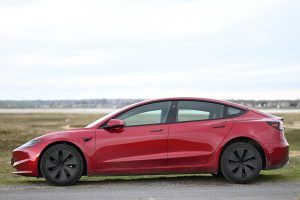
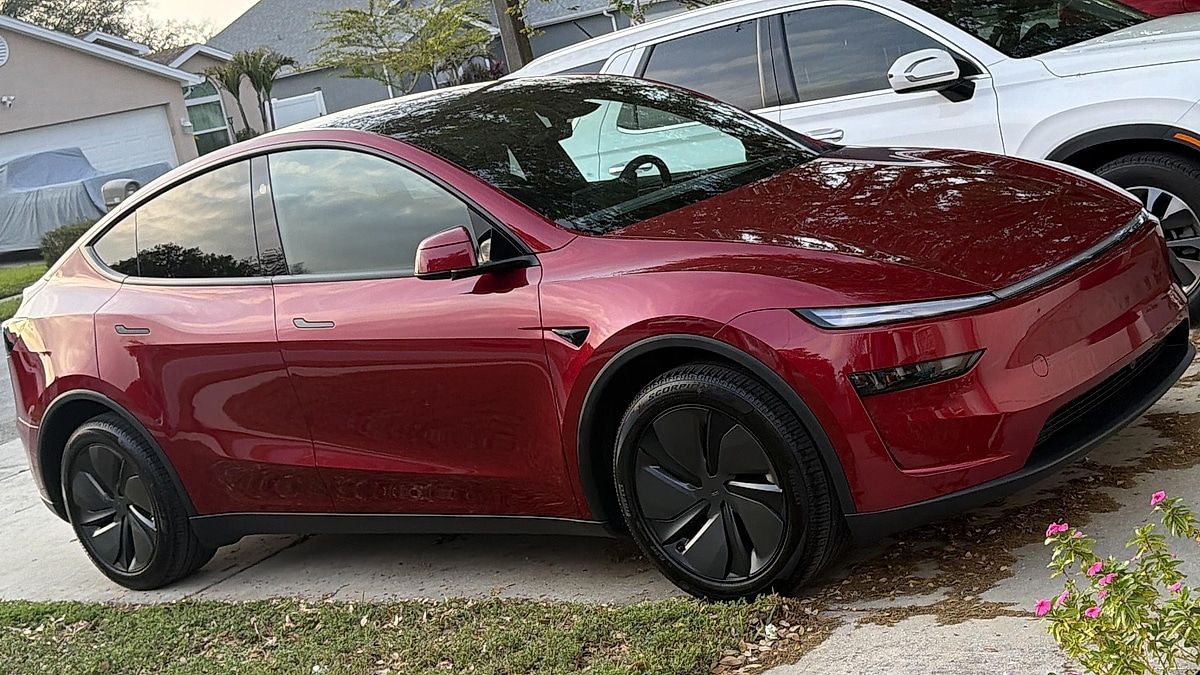
“I named it Shadow since my teens love Shadow the Hedgehog. Originally wanted blue but wouldn’t be here for delivery before the APR deal was up; however, I’m really liking the red and all black interior combo! 2026 MY RWD LR Premium. Let’s go!
Thanks for all the help in my last post.
I came from a 2020 Civic Si sedan with only 14k original miles, bought new off the lot. 2nd car and traded it in (a bit underwhelming experience, but it helped with tax).
Originally, I was only interested in EVs. We decided to add hybrids to the search just in case. We tested the following:
-2026 MY LR AWD Premium – In the southeast, so no need for AWD vs an extra $4k.
-2022 Model Y AWD LR – Straight up garbage ride, and very loud inside and out. The model I tested had HW3. Get a 2024/2025 if not a Juniper.
-2024 Tesla MY LR AWD – A great choice if you can’t get the ’26. Similar layout with a stylish classic look. Not a fan of the wood trim interior pieces, but customizable. Ride is much better than the ’20-’23 with some nice QOL upgrades. HW4 will last for a while, and prices aren’t too crazy for lower mileage. Distance isn’t the best, and seats are too soft imo.
-2024 M3 Standard – Decent range, a driver’s car. Not a great room in the back, and not a hatch. Zippy is a great Tesla alternative for a single driver or a couple without older teens.
-2026 Kia EV9 – Great pricing right now, but range is only so/so, and we already have a Palisade for the 3rd row. Amazing screens and sunroof.
-2026 Kia EV6 Wind – Amazing and fun car, but the rear AC is on the side pillars and is awful. Great sunroof.
-2026 Kia Sportage Hybrid – Really sharp car with great interior. Zippy horsepower for a hybrid and steering that almost matched Mazda. Great interior curved screen, roomy enough, good mileage, decent towing capacity (2k lbs). Great pano sunroof. Couldn’t care less about the HUD.
-2026 Hyundai Ioniq 5 – Not a fan of the interior. A bit boxy in design. Not much to say.
-2026 Hyundai Tucson Hybrid Limited – Kind of boring, have to get the top trim to get ventilated seats/panoramic sunroof. Design is eh, but feels slightly more luxurious than the Kia Sportage. salesman who wouldn’t be quiet. Just “eh” for rear ac.
-2026 Mazda MX-50 hybrid Premium Plus – Good mileage, reasonable price, underpowered Toyota drivetrain (despite reliability), a bit squished in rear for adults, great cargo room, great Mazda driving dynamics, noisy CVT.
-2026 Honda Prologue – What a dud. Built on the horrific GM Ultium platform. Confusing trims (EX is bottom and comes with…nothing). Feels a lot bigger driving it than it is. 1,500lbs towing. Decent interior layout, stupid tablet on the dashboard design. Decent mileage on RWD, but below some competitors. Slower 0-60 and feels like a boat. Axel and electrical issues.
-2026 Honda CRV Hybrid Sport Touring – Solid SUV. Great interior feel, plenty of room, typical Honda driving. Underwhelming power for the mileage, small screen plastered on the dash, old-style sunroof, but no panoramic. No ventilated seats, low towing capacity. Great prices right now.
-2025 Lincoln Nautilus Reserve – Actually really like the look. As a tech, I love the huge interior screens. Great horsepower and sound, but she’s pricy compared to the others. Have to get the Reserve to get a panoramic roof, and reliability is average. Lots of reported electrical issues.
-2025 Nissan Ariya – Interesting design outside, nice interior layout. Like the dual screens, but not a fan of the style of touch controls they used for AC. Platinum+ trim required for good features, and it’s pricy. Underwhelming drive and control, and low mileage. Nissan has lost its touch.
The closest contenders for my driving situation were the Honda CRV Hybrid, followed up by the Kia Sportage. The upfront cost was much lower (great deals right now), but long-term can get pricey for AWD models.
If I found a Blue or Red ’24/’25 Model Y at a great deal with a lower APR that was also our EV runner-up.”
The owner’s decision to forgo their preferred blue 2026 Model Y for a red one, solely to secure an expiring APR deal, exposes a fundamental flaw in Tesla’s sales process. When a manufacturer’s delivery timelines are so unpredictable that a customer must compromise on their chosen specification to avoid losing a critical financing incentive, it reflects a logistical failure that directly impacts the buyer’s experience and perceived value.
Tesla Model Y: A Deep Dive into Its Market Position and Evolution
The 2026 Model Y RWD LR Premium, as purchased by the owner, represents Tesla’s continued refinement of its best-selling EV, offering improved ride quality over earlier models. This iteration aims to address previous criticisms regarding suspension harshness and cabin noise, making it a more competitive offering in the premium EV SUV segment.
The owner’s assessment of the 2022 Model Y’s “garbage ride” and loud interior shows Tesla’s significant, yet inconsistent, engineering evolution across model years. Buyers must carefully research specific production dates and hardware revisions (HW3 vs. HW4) to avoid older, less refined vehicles.
Tesla’s financing policies, particularly the inability to lock in APR deals at the time of order placement, force customers to make compromises on vehicle specifications to avoid financial penalties. This practice puts the burden of Tesla’s unpredictable delivery schedules directly onto the consumer.
The critique of the 2026 Honda Prologue, built on GM’s Ultium platform, as a “dud” with “axle and electrical issues” points to ongoing reliability and performance challenges for legacy automakers entering the EV space. This reveals the difficulty in translating traditional automotive manufacturing prowess into successful EV platforms.
The detailed critique of the 2026 Honda Prologue as a “dud” built on the “horrific GM Ultium platform” is particularly damning, coming from a buyer who clearly did their homework. This situation shows a company that expects customers to bear the financial risk of its own logistical shortcomings. The mention of “axel and electrical issues” on a brand-new model shows a pattern of problems that should give any prospective buyer pause.
Reddit user u/davisecon, who recognized the depth of the original poster’s research, asked for more details, stating, “Fantastic post! What else is in your driveway? You know your stuff! And how’s your charging situation?” This comment confirms the value of the original post’s detailed comparisons, reflecting a common desire among potential EV buyers for real-world, unbiased assessments rather than manufacturer-provided talking points.
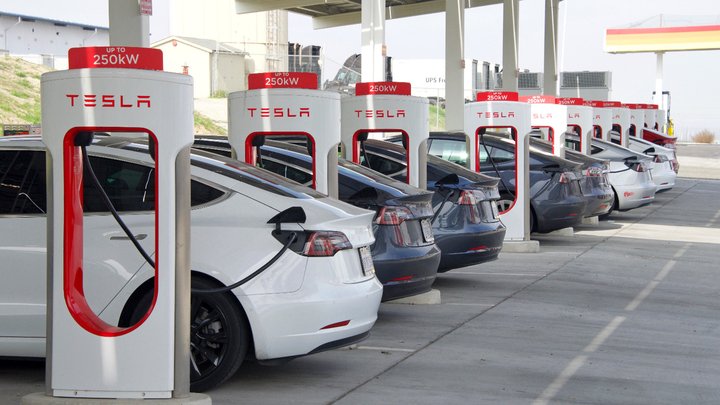
The original poster, u/Likely_Story_Bro, responded by confirming their other vehicle is a 2021 Palisade SEL and that their charging situation is “not a big deal” thanks to a friend installing a Level 2 charger for free, with a Tesla Supercharging Wawa nearby. This reveals a critical, often overlooked, aspect of EV ownership: the infrastructure. While the Model Y itself might be a compelling product, the ease of charging at home or on the road is a significant factor in adoption, and not everyone has the luxury of a free Level 2 installation or a conveniently located Supercharger.
Another Reddit user, u/matrix_5562, echoed the original poster’s frustration with color availability, commenting, “Bruh I also wanted blue, but it’s not available, congratulations.” This isn’t an isolated incident; it’s a recurring complaint that Tesla’s limited color palette and unpredictable availability often force buyers into compromises. The original poster’s subsequent comment, “Tesla needs to allow that APR deal to be locked in when you place the order. They shouldn’t hold delivery against customers because they take too long to deliver builds or units in transit. Too risky to lose the APR deal,” cuts directly to the heart of the matter. This owner’s detailed comparison across 14 different models, including hybrids and EVs from Kia, Hyundai, Mazda, Honda, Lincoln, and Nissan, reveals a broader struggle for manufacturers to deliver compelling alternatives to Tesla, even as Tesla itself works through its own growing pains.
This purchasing experience is a microcosm of the current automotive landscape: a highly competitive EV market where the Tesla Model Y still holds a significant lead in desirability, but where its operational inefficiencies and opaque sales practices continue to create friction. Meanwhile, legacy automakers are struggling to build truly competitive EVs, often burdened by problematic platforms and design compromises. Until manufacturers, both established and new, can offer a seamless buying experience, consistent quality, and compelling products across the board, consumers will continue to face difficult choices, often having to sacrifice preferred features or even financial incentives just to get a car.
What are your thoughts about the electric car buying experience? Let us know in the comments below.
Image Sources: Tesla Media Center
About The Author
Noah Washington is an automotive journalist based in Atlanta, Georgia, covering sports cars, luxury vehicles, and performance culture. His reporting focuses on explaining the engineering, design philosophy, and real-world ownership experience behind modern vehicles.
Noah has been immersed in the automotive world since his early teens, attending industry events and following the enthusiast communities that shape how cars are built and driven today. His work blends industry insight with enthusiastic storytelling, helping readers understand not just what a car is, but why it matters.
Noah is also a member of the Southeast Automotive Media Association (SAMA), a professional organization for automotive journalists and industry media in the Southeast.
His coverage regularly explores sports cars, luxury vehicles, and performance-driven segments of the automotive industry, including the evolving culture surrounding Formula Drift and enthusiast builds.
Read more of Noah’s work on his author profile page or on his personal website.
You can also follow Noah here:
Follow us today…