March 25, 2026
By Nehal Malik
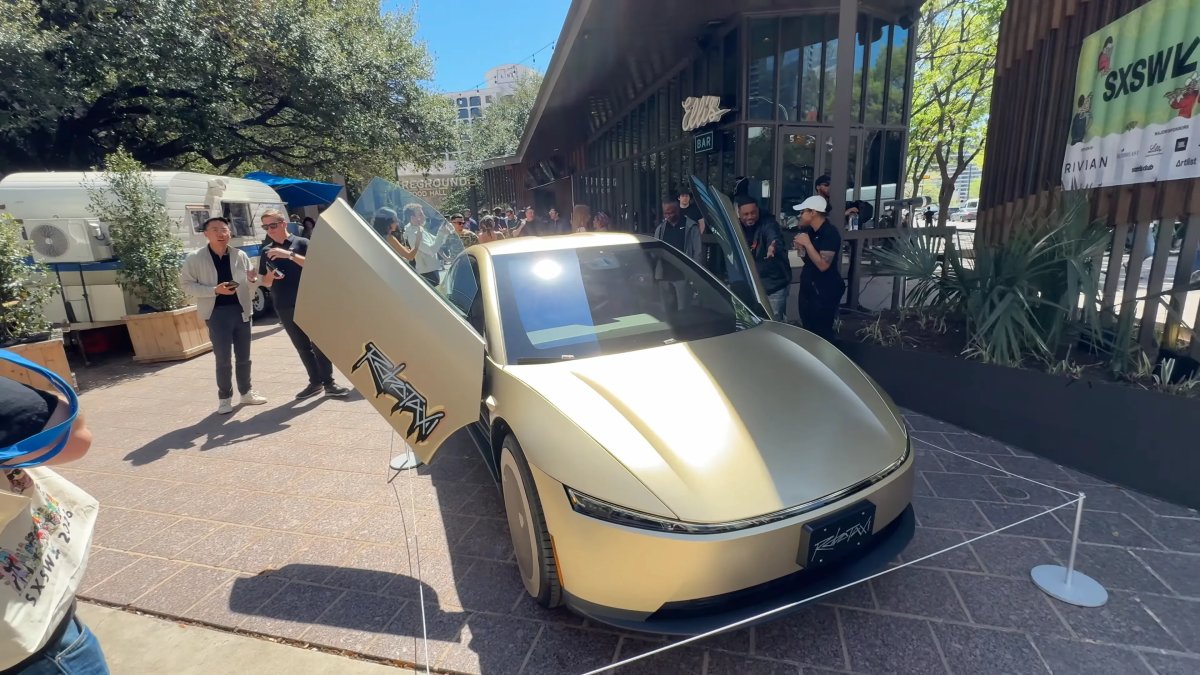
Tesla is nearing the finish line for its highly anticipated Cybercab, but a new rumor suggests the autonomous vehicle could break a major company tradition. Since its inception, Tesla has exclusively produced rear-wheel-drive (RWD) or all-wheel-drive (AWD) vehicles, but the Cybercab might be the first to pull instead of push.
According to Kyle Conner of Out of Spec Reviews, there are whispers that Tesla’s robotaxi could be front-wheel drive (FWD). “Heard a rumor that this could be front wheel drive! Thoughts?” Conner recently shared on X. While a move to FWD might seem odd for a performance-oriented company, it could make a lot of sense for a mass-market, ride-hailing workhorse.
Why Front-Wheel Drive?
In the world of car design, FWD is often chosen for efficiency and packaging. By moving the motor and drivetrain to the front, engineers can often maximize interior space and trunk capacity. For a two-seat robotaxi designed to navigate tight city streets, FWD offers predictable handling and better traction in slippery conditions like rain or snow, as the weight of the motor sits directly over the wheels that are doing the pulling.
Tesla is likely looking at every possible way to lower the cost per mile for its Robotaxi service, which the Cybercab is set to frontline. A simplified FWD assembly could be cheaper to manufacture and maintain than a RWD setup, especially for a vehicle that doesn’t need to prioritize sporty acceleration or high-speed drifting.
Evidence Against the Rumor
However, recent sightings of the production Cybercab tell a different story. Earlier this month, a unit spotted in Austin — which Conner even showcased in Out of Spec’s recent Cybercab walkthrough video — featured a staggered wheel setup. The front was equipped with 18-inch tires, while the rear used much beefier 21-inch tires. In automotive engineering, putting larger, wider tires in the back is almost always a hallmark of a rear-wheel-drive vehicle.
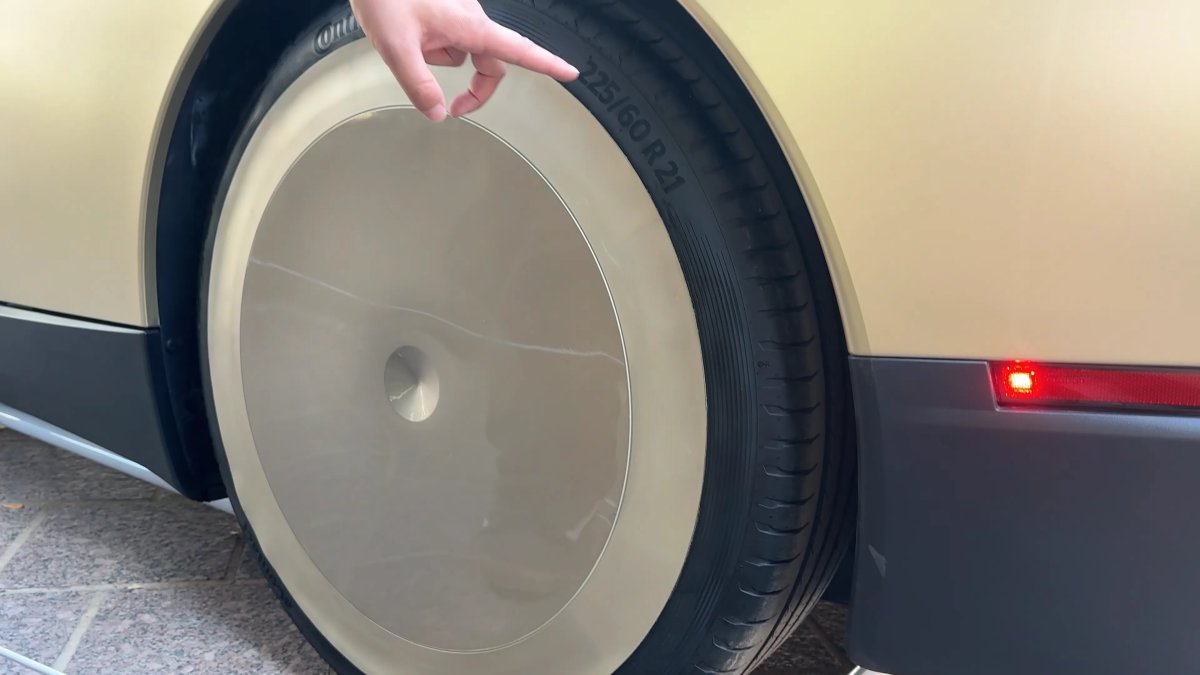
FWD cars typically have the same size wheels on all four corners because the front tires already have to handle steering, acceleration, and most of the braking. A staggered setup with massive rear wheels on a FWD car would be highly unusual and inefficient. If Tesla sticks with this staggered design for production, it almost certainly confirms that the motor is driving the rear wheels to handle the instant torque of the electric drivetrain.
Everything We Know So Far
Beyond the drivetrain mystery, the Cybercab is shaping up to be a tech powerhouse. As Tesla prepares to kick off mass production next month, we’ve learned that the vehicle will debut a new one-button door release that combines electronic and manual latches for safety.
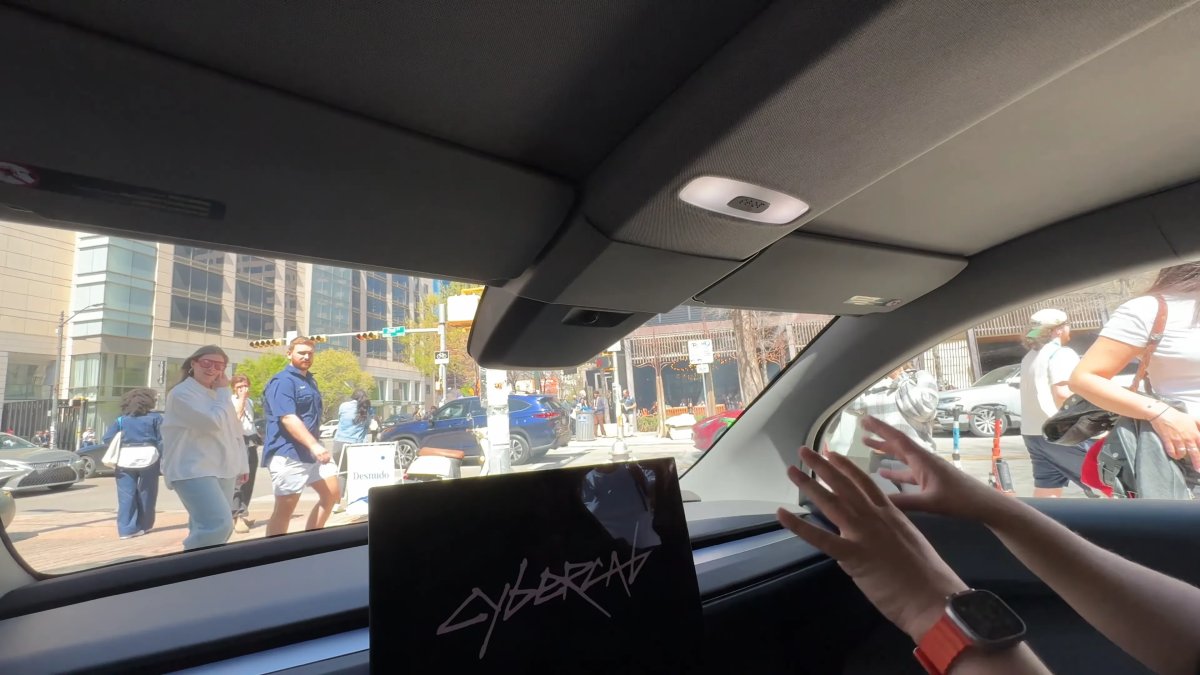
The interior is incredibly minimalist, featuring ambient lighting and a massive 21-inch touchscreen with no steering wheel or pedals. Recent sightings have also confirmed the presence of a physical charge port, even though Tesla eventually plans to move to wireless induction charging. To support unsupervised autonomy, the car is covered in cameras (alongside washers for each external camera), including a massive cabin camera and larger front-facing sensors than anything we’ve seen on a Model 3 or Model Y. There’s even a camera in the trunk — a first for a Tesla — that’s likely there to alert passengers if they leave any luggage behind.
Whether it pulls or pushes, the Cybercab is designed to be the backbone of a global ride-hailing fleet. With production just weeks away, we won’t have to wait much longer to see if Tesla’s first robotaxi is also its first front-wheel-drive car.
Subscribe to our newsletter to stay up to date on the latest Tesla news, upcoming features and software updates.
March 24, 2026
By Nehal Malik
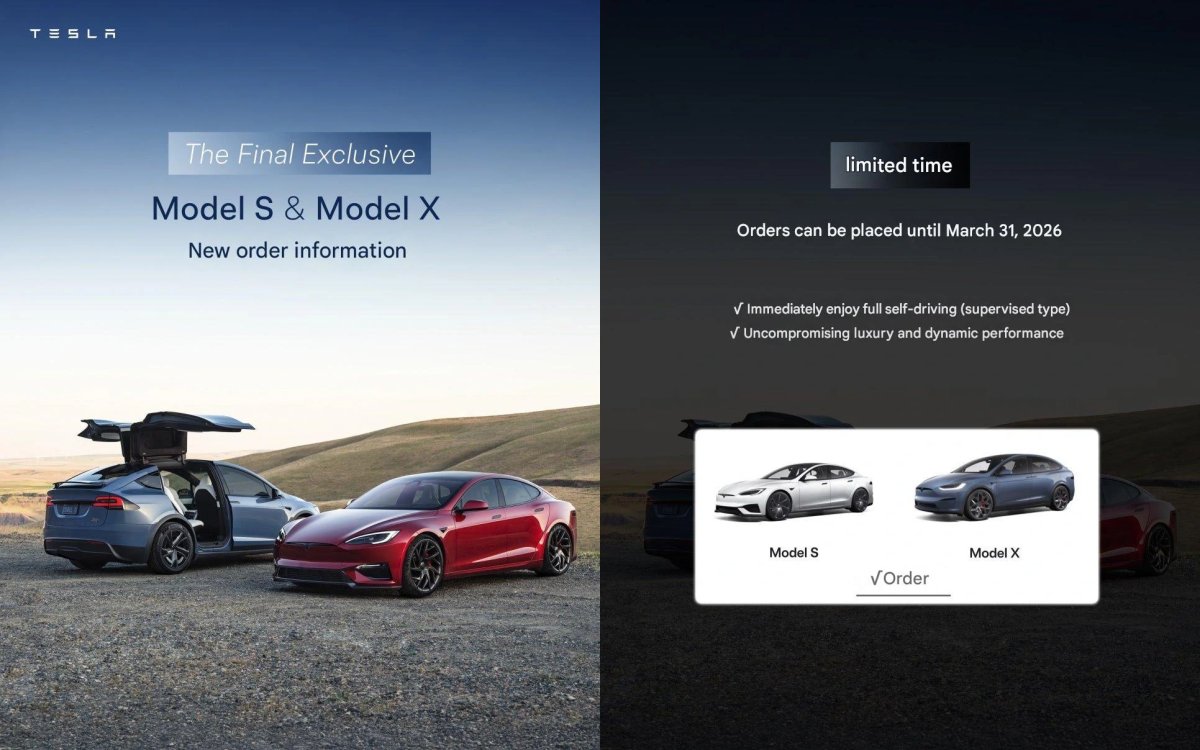
Tesla is officially starting the countdown for its two most iconic vehicles. In a first for the company, a hard deadline has been set for new orders of the Model S and Model X in South Korea, signaling the beginning of the end for the flagship duo that defined the modern electric car era.
According to a report from Drive Tesla Canada, orders in the region will only be accepted until March 31, 2026. This move is the first clear indication of how Tesla plans to wind down sales globally before production officially ends at the Fremont factory sometime in the next quarter.
An Honorable Discharge for the Flagships
The decision to discontinue the Model S and Model X was first shared by Tesla CEO Elon Musk during the company’s Q4 2025 earnings call. Musk described the move as an “honorable discharge,” acknowledging that while these cars proved EVs could be desirable, they no longer fit Tesla’s high-volume, autonomy-focused future.
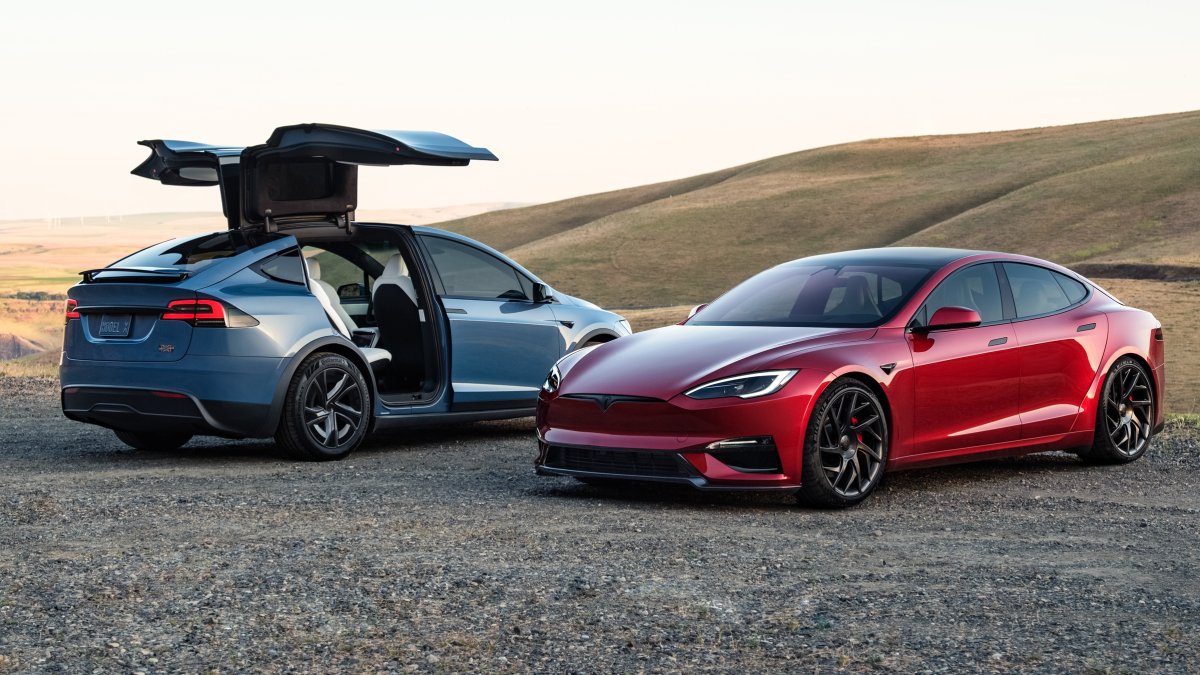
The numbers tell the story. In late 2025, the combined sales for the Model S, Model X, Cybertruck, and Semi made up just 2.8% of Tesla’s total volume. With sales dwindling and the vehicles recently losing their dedicated GPUs and internal storage capacity, the writing has been on the wall. Tesla needs the floor space at Fremont to pivot toward its next big project: the Optimus humanoid robot.
The Model Y L: A New Flagship?
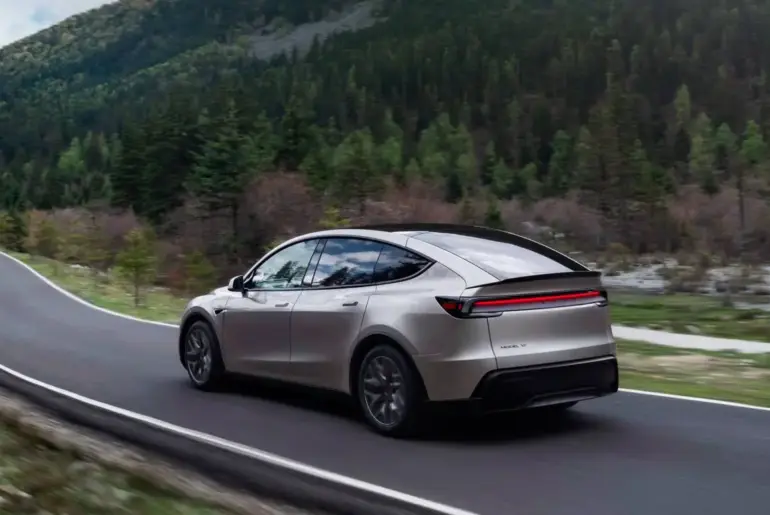
As the Model S and Model X exit the stage, a new contender is arriving to fill the gap for families. The Model Y L — a longer-wheelbase, three-row, six-seat version of the best-selling SUV — has just been certified for sale in South Korea.
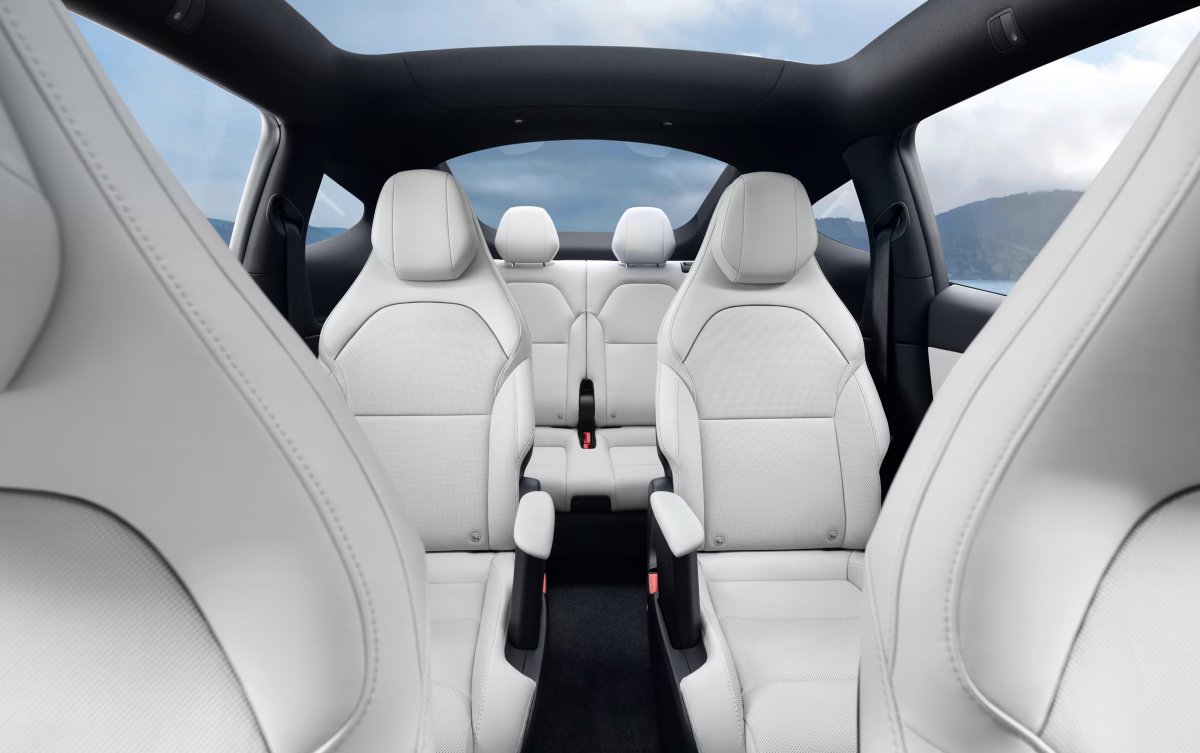
This variant was previously a China-exclusive, but Tesla has been rapidly launching it in international markets this month, including Australia, New Zealand, and Thailand. With its more spacious 2-2-2 seating layout and comfort-oriented suspension, the Model Y L is essentially the spiritual successor to the Model X for those who need a premium family-hauler without the “Falcon Wing” complexity.
What’s Next for Other Regions?
The South Korea deadline is likely a result of shipping logistics, as Tesla needs to fulfill final orders before the Fremont lines stop moving at the end of Q2. It provides a likely template for what we will see across North America and Europe very soon. If you’ve been on the fence about owning a piece of Tesla history, your window is rapidly closing.
Tesla’s pivot is a bold bet on a future of affordable autonomy and robotics. While it’s sad to see the cars that started it all go away, the company is clearly focused on the “next big thing.” Expect similar “Final Call” announcements to pop up in the Tesla app and order configurator for other regions over the next few weeks.
March 24, 2026
By Nehal Malik
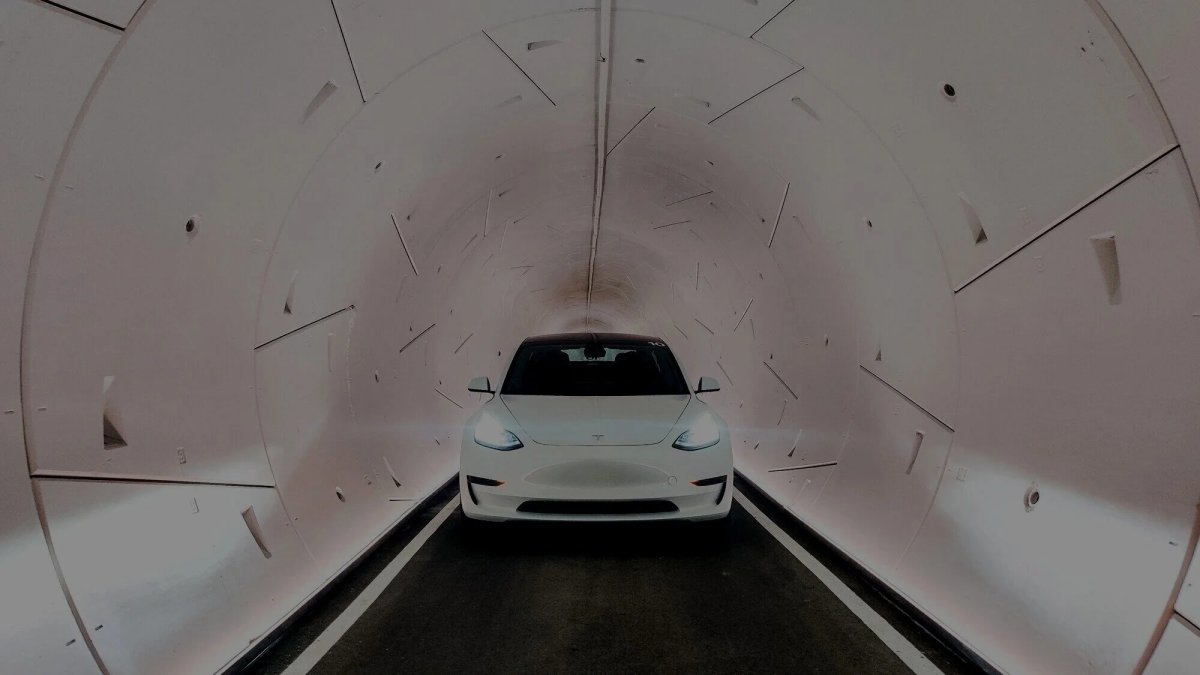
The Boring Company is looking to take its underground transportation vision well beyond the Las Vegas Strip. Following a nationwide search for new project sites, Elon Musk’s tunneling firm has officially announced the winners of its “Tunnel Vision Challenge,” identifying three major U.S. cities that could soon see their own high-tech transit loops.
According to a recent update from The Boring Company (@boringcompany), the winners of the challenge include the NOLA Loop in New Orleans, the Ravens Loop in Baltimore, and the University Hills Loop in Dallas. These projects were selected from a pool of submissions opened in January, and the company is prepared to put its own money where its mouth is. “If all 3 projects are feasible, will fund/build all 3 — this would be awesome,” the company stated on X.
Expanding the Underground Network
Before the machines start digging, the projects must undergo a rigorous due diligence process funded entirely by The Boring Company. This includes meeting with elected officials, conducting geotechnical borings, and investigating existing subsurface infrastructure. In addition to the three primary passenger loops, the company is also exploring a utility tunnel in Hendersonville, Tennessee, and a specialized tunnel for Morgan’s Wonderland in San Antonio, Texas.
These projects join a rapidly growing list of commitments for the firm. While the Vegas Loop remains the only fully operational system — having transported over two million people since 2021 — the company is branching out. It has already been tapped for an underground system at Universal’s theme parks in Orlando, unveiled plans for a “Music City Loop” in Nashville, Tennessee, last summer, and recently confirmed that its first international Loop project in Dubai will begin construction soon.
The Role of Tesla and FSD
The backbone of every Boring Company project is Tesla. Instead of traditional subway cars, these loops exclusively use Tesla vehicles to ferry passengers through the narrow tunnels. This allows for a more personalized, point-to-point transit experience rather than stopping at every single station.
Recently, the company has even begun integrating Tesla’s Full Self-Driving (FSD) system into its tunnel operations. While drivers are currently present, the ultimate goal is to achieve fully unsupervised autonomy. Because the tunnel environment is a “closed loop” with no pedestrians, cross-traffic, or unpredictable weather, it serves as the perfect controlled environment for Tesla to perfect its FSD software. As Tesla moves toward the mass production of its Cybercab next month, these tunnels could become an excellent showcase for how a driverless society actually functions.
A Forward-Looking Transit Solution
By funding these projects itself, The Boring Company is attempting to bypass the usual bureaucratic delays associated with public transit. If the feasibility studies in New Orleans, Baltimore, and Dallas return positive results, we could see construction begin much faster than a traditional light rail project.
It’s a bold bet on the future of urban mobility. If these new loops can replicate the success of the Vegas network, it may not be long before “tunnel vision” becomes the standard for avoiding gridlock in every major U.S. city.