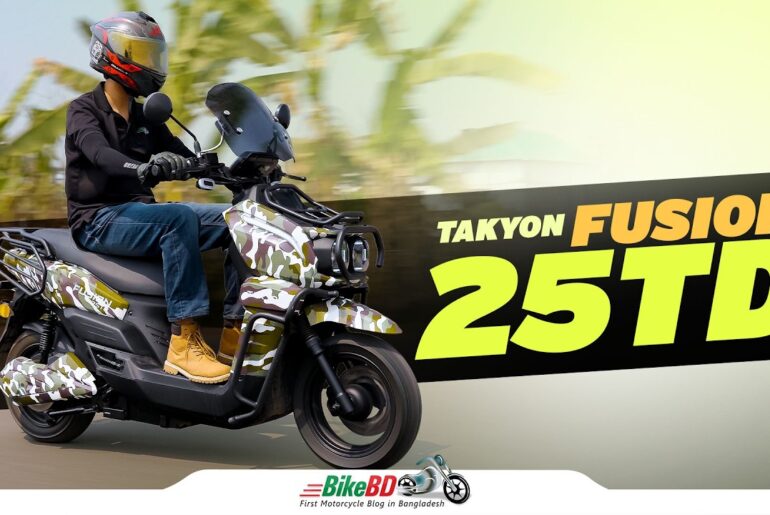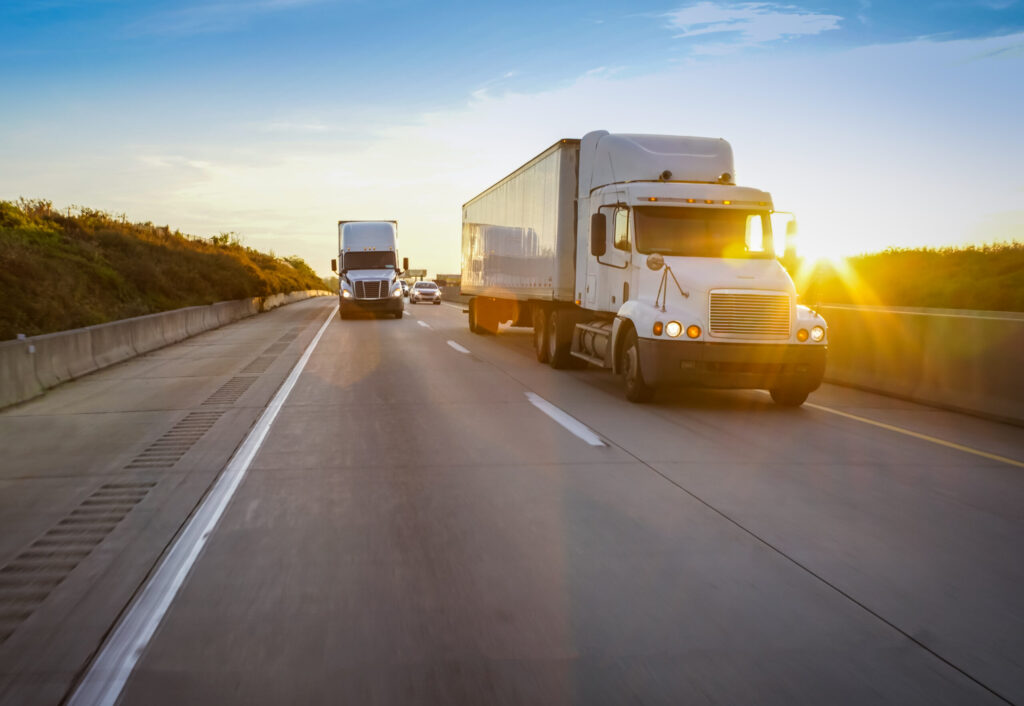
Thailand’s state-owned logistics provider will adopt electric vehicles (EVs) into its last-mile delivery fleet, replacing existing fuel-powered vehicles.
FUEL FOR ELECTRICITY
To conserve fuel, Thailand Post is converting its current fuel-powered fleet of last-mile delivery vehicles to electric trucks and motorcycles. Rising fuel prices have prompted the logistics provider to reduce its operational costs, a third of which goes to petrol.
Prior to this decision, Thailand Post had been using some EVs for delivery. Ten per cent of its current fleet of delivery pick-ups are electric and another 100 motorcycles are electric as well. Due to the ongoing global energy crisis, the organisation has decided to thoroughly commit to adapting EVs into fleet.
“The oil crisis presents an opportunity for Thailand Post to change its vehicle infrastructure,” said Thailand Post President Dhanant Subhadrabandhu. “We are replacing motorcycles and pickups used for last-mile delivery with EVs.”
However, the transition to electric trucks and two-wheelers isn’t without obstacles.
CURRENT CHALLENGES
Though Thailand Post has an existing fleet of electric two-wheelers, these are only 100 units in a pool of 25,000 motorcycles. For trucks, Mr. Dhanant noted that replacing its entire fleet of trucks with electric models will be “difficult.” Options for large electric trucks in Thailand are currently limited.
Mr. Dhanant further explained that employee benefits will be adjusted for those assigned to two-wheelers. The organisation will lease electric motorcycles to its employees in lieu of a monthly fuel allowance.
Despite the ongoing oil crisis, Thailand Post stated that it will not raise its fees due to the volatility of fuel prices. The company will bear the burden in the meantime. According to Mr. Dhanant, Thailand Post is in talks with several partners regarding investments in EVs.
Did you find this article interesting? Click the ‘heart’ button above to give it a ‘like’!