Soaring gas prices amid the ongoing Iran War may be pushing some car shoppers to consider a switch to electric, experts say, but it’s still a little early to predict long-term trends. National gas prices have climbed to $3.96 a gallon as of Monday, AAA data shows, putting strain on American pocketbooks. The last time there was a similar spike in gas prices, market interest in electric vehicles grew. Now, data from Edmunds, a U.S. car shopping website, shows that consumer consideration of electric vehicles has grown since the initial Feb. 28 U.S. strikes on Iran.Shoppers looking at electric vehicles accounted for 23.8% of research activity on Edmunds’ website the week of March 9, which is about three percentage points higher than before the war. That’s a significant jump, according to Jessica Caldwell, Edmunds’ head of insights.”It seems like people are noticing the high gas prices — it’s always a sore point amongst consumers — and maybe starting the steps of researching what can be out there for them that will leave them immune to these types of spikes,” Caldwell said.While consumer interest may be piqued, it’ll take a while before any changes in the market are evident.After the 2022 Russian invasion of Ukraine, which caused similarly high gas prices, there was a bump in electric vehicle interest on Edmunds’ website, Caldwell said, but it wasn’t until a few months later that actual sales grew. Electric vehicle sales have been decliningDespite a general growth in electric vehicle sales over the past five years, sales fell dramatically after last September. That’s when the $7,500 federal tax credits, first passed under the Biden administration, expired. The federal administration also failed to renew carpool lane benefits for electric vehicles and has rolled back vehicle emission standards, which experts say could impact production.Corey Cantor, research director at the Zero Emission Transportation Association, said that electric vehicles are in a “recharge moment,” but that the release of new models this year may spark new interest.”The market does tend to bounce back after a year period, so we’re just in that transition after a big federal move,” Cantor said. Whether this gas spike will change the trajectory of electric vehicle sales will likely depend on how long prices stay elevated, experts say. Goldman Sachs said last Friday that the elevated oil prices could remain through 2027.”If this goes on for a long time, and again we have a short attention span so even a couple months or three months is considered a long time, then the interest (in electric vehicles) will be there,” said Alan Baum, principal of Baum and Associates, an automotive research firm.Costs to consider in electric versus gas carsThe retail price of gas cars remains cheaper than electric alternatives, although that gap is narrowing. A decade ago, the average retail price of electric cars was about $29,500 more expensive than the average gas car. Now, the average electric vehicle is about $13,600 more expensive.Electric vehicles have been getting cheaper to make. And, while they were once exclusively luxury vehicles, companies are now making more affordable options. The cheapest electric vehicle option on the market now is retailing at about $30,000. That’s about $9,000 more expensive than the cheapest gas car. It’s not just about upfront costs. Many shoppers choose electric vehicles because recharging a car is typically a lot cheaper than refueling a tank.Electric vehicles are insulated from global and domestic factors that may influence gas prices. And while electricity costs have been on the rise, it’s not making a noticeable difference for vehicle owners yet, Caldwell and Cantor said. Insurance and maintenance costs are also a consideration for shoppers.New technology in electric vehicles may lead to higher insurance premiums. On the flip side, electric vehicles have fewer complex parts and can save consumers on maintenance. There’s also no need for oil changes.”You have to really look at the full package of what you’re signing up to, not necessarily just one cost versus the other,” Caldwell said.PHNjcmlwdCB0eXBlPSJ0ZXh0L2phdmFzY3JpcHQiPiFmdW5jdGlvbigpeyJ1c2Ugc3RyaWN0Ijt3aW5kb3cuYWRkRXZlbnRMaXN0ZW5lcigibWVzc2FnZSIsKGZ1bmN0aW9uKGUpe2lmKHZvaWQgMCE9PWUuZGF0YVsiZGF0YXdyYXBwZXItaGVpZ2h0Il0pe3ZhciB0PWRvY3VtZW50LnF1ZXJ5U2VsZWN0b3JBbGwoImlmcmFtZSIpO2Zvcih2YXIgYSBpbiBlLmRhdGFbImRhdGF3cmFwcGVyLWhlaWdodCJdKWZvcih2YXIgcj0wO3I8dC5sZW5ndGg7cisrKXtpZih0W3JdLmNvbnRlbnRXaW5kb3c9PT1lLnNvdXJjZSl0W3JdLnN0eWxlLmhlaWdodD1lLmRhdGFbImRhdGF3cmFwcGVyLWhlaWdodCJdW2FdKyJweCJ9fX0pKX0oKTs8L3NjcmlwdD4=
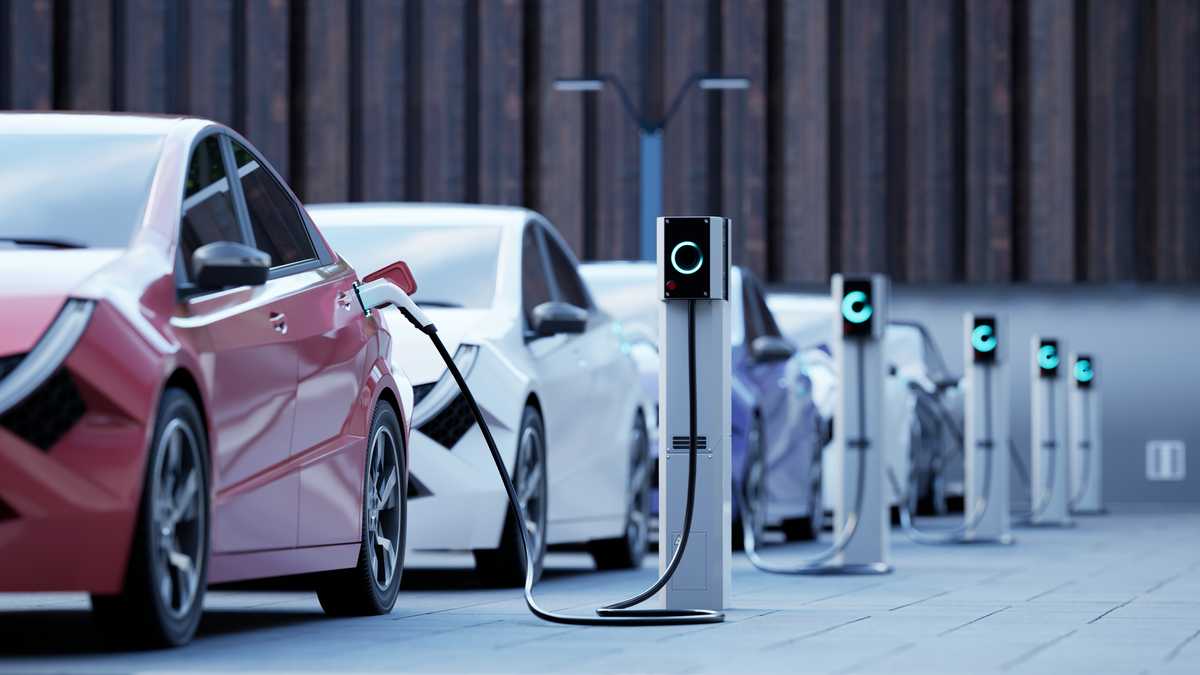
Soaring gas prices amid the ongoing Iran War may be pushing some car shoppers to consider a switch to electric, experts say, but it’s still a little early to predict long-term trends.
National gas prices have climbed to $3.96 a gallon as of Monday, AAA data shows, putting strain on American pocketbooks.
The last time there was a similar spike in gas prices, market interest in electric vehicles grew.
Now, data from Edmunds, a U.S. car shopping website, shows that consumer consideration of electric vehicles has grown since the initial Feb. 28 U.S. strikes on Iran.
Shoppers looking at electric vehicles accounted for 23.8% of research activity on Edmunds’ website the week of March 9, which is about three percentage points higher than before the war.
That’s a significant jump, according to Jessica Caldwell, Edmunds’ head of insights.
“It seems like people are noticing the high gas prices — it’s always a sore point amongst consumers — and maybe starting the steps of researching what can be out there for them that will leave them immune to these types of spikes,” Caldwell said.
While consumer interest may be piqued, it’ll take a while before any changes in the market are evident.
After the 2022 Russian invasion of Ukraine, which caused similarly high gas prices, there was a bump in electric vehicle interest on Edmunds’ website, Caldwell said, but it wasn’t until a few months later that actual sales grew.
Electric vehicle sales have been declining
Despite a general growth in electric vehicle sales over the past five years, sales fell dramatically after last September. That’s when the $7,500 federal tax credits, first passed under the Biden administration, expired.
The federal administration also failed to renew carpool lane benefits for electric vehicles and has rolled back vehicle emission standards, which experts say could impact production.
Corey Cantor, research director at the Zero Emission Transportation Association, said that electric vehicles are in a “recharge moment,” but that the release of new models this year may spark new interest.
“The market does tend to bounce back after a year period, so we’re just in that transition after a big federal move,” Cantor said.
Whether this gas spike will change the trajectory of electric vehicle sales will likely depend on how long prices stay elevated, experts say.
Goldman Sachs said last Friday that the elevated oil prices could remain through 2027.
“If this goes on for a long time, and again we have a short attention span so even a couple months or three months is considered a long time, then the interest (in electric vehicles) will be there,” said Alan Baum, principal of Baum and Associates, an automotive research firm.
Costs to consider in electric versus gas cars
The retail price of gas cars remains cheaper than electric alternatives, although that gap is narrowing.
A decade ago, the average retail price of electric cars was about $29,500 more expensive than the average gas car. Now, the average electric vehicle is about $13,600 more expensive.
Electric vehicles have been getting cheaper to make. And, while they were once exclusively luxury vehicles, companies are now making more affordable options.
The cheapest electric vehicle option on the market now is retailing at about $30,000. That’s about $9,000 more expensive than the cheapest gas car.
It’s not just about upfront costs. Many shoppers choose electric vehicles because recharging a car is typically a lot cheaper than refueling a tank.
Electric vehicles are insulated from global and domestic factors that may influence gas prices. And while electricity costs have been on the rise, it’s not making a noticeable difference for vehicle owners yet, Caldwell and Cantor said.
Insurance and maintenance costs are also a consideration for shoppers.
New technology in electric vehicles may lead to higher insurance premiums. On the flip side, electric vehicles have fewer complex parts and can save consumers on maintenance. There’s also no need for oil changes.
“You have to really look at the full package of what you’re signing up to, not necessarily just one cost versus the other,” Caldwell said.