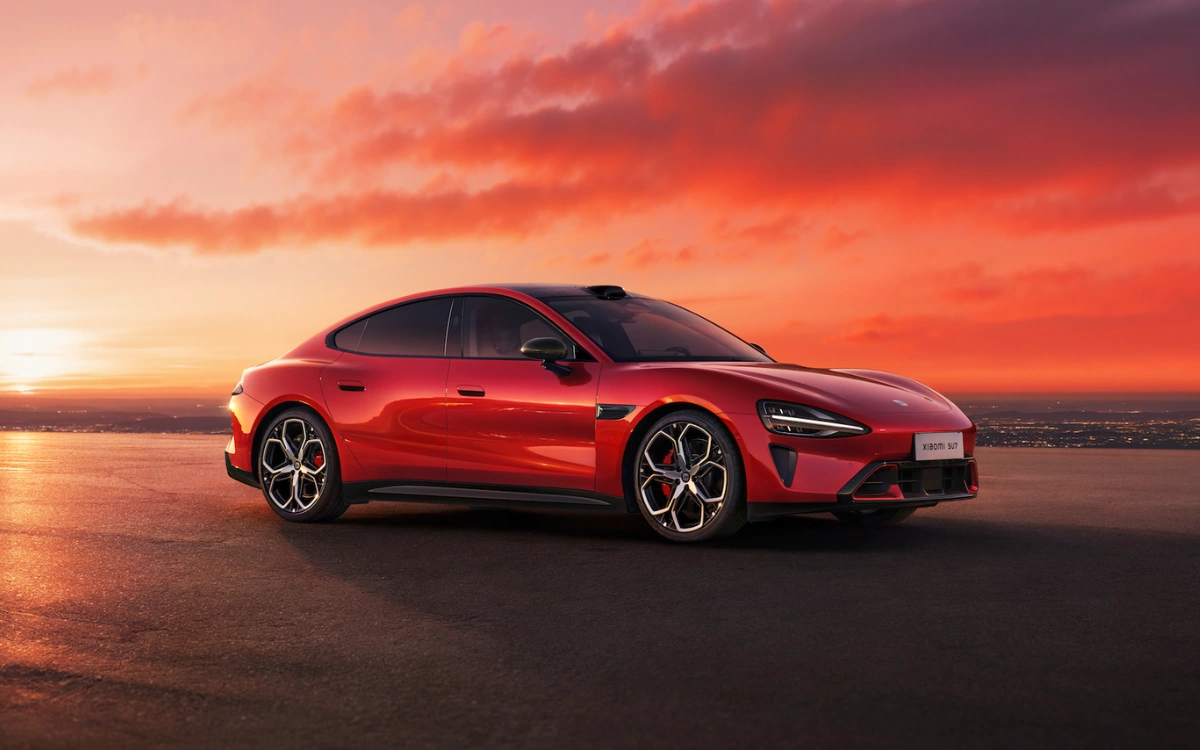
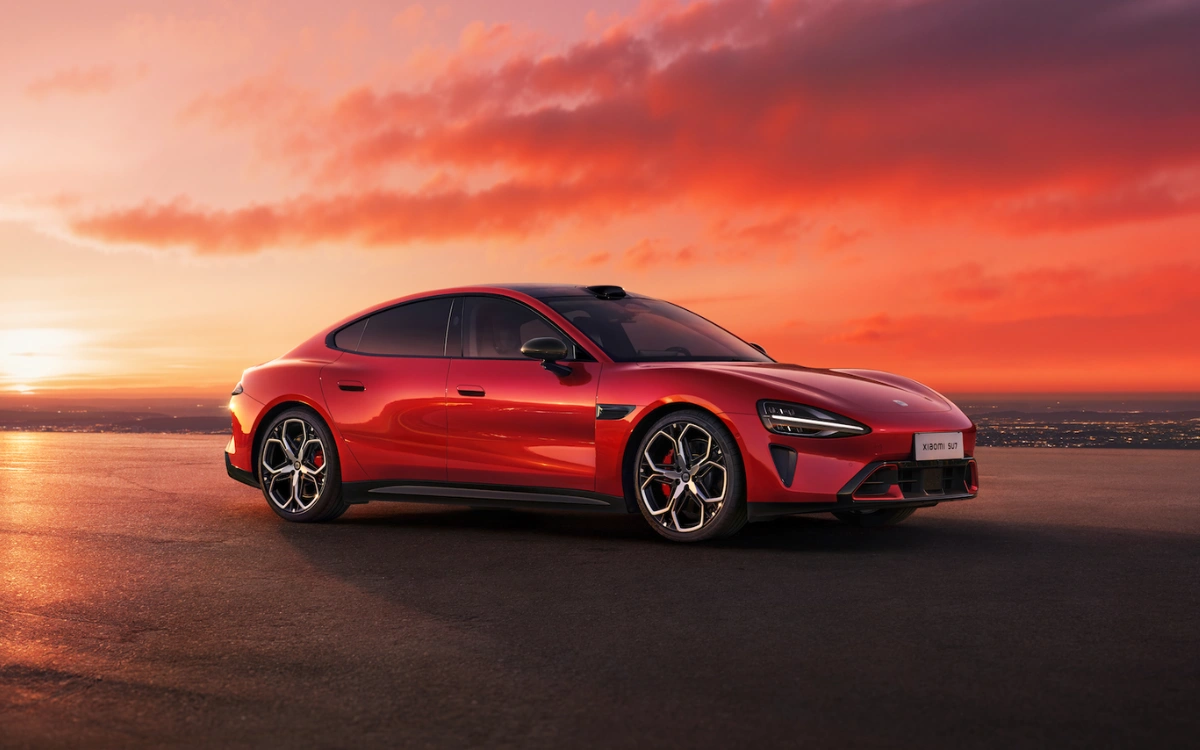
Xiaomi SU7 demand reached a fever pitch the moment orders opened, catching even seasoned EV watchers off guard.
For a company like Xiaomi, once known mainly for smartphones and smart home tech, this kind of response marked a major shift in perception.
Buyers did not hesitate, flooding the reservation system within minutes.
The surge made one thing clear: Xiaomi’s EV business had moved well beyond its trial phase.
Enter our competition to win a stunning 2006 Ford GT or $400,000 cash!
The new SU7 came on the heels of the successful YU7
The headline number was hard to ignore.
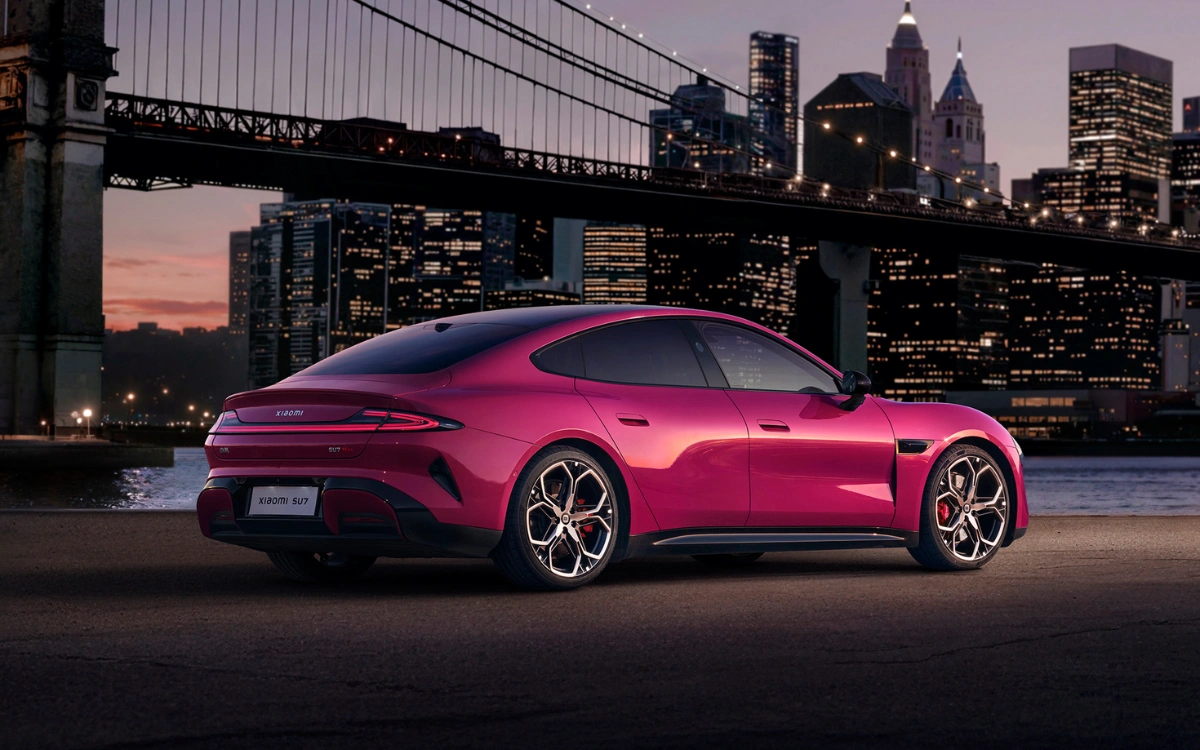
In just 34 minutes, 15,000 orders were placed for the updated Xiaomi SU7.
Now, strong demand for particular EV models isn’t exactly uncommon in China.
Xiaomi’s YU7 received so many orders that the company’s CEO needed to tell buyers to go to its rivals.
In fact, the YU7 outsold the Tesla Model Y for the first time last year, so people are clearly excited about the company’s offerings.
Part of the attraction came down to pricing.
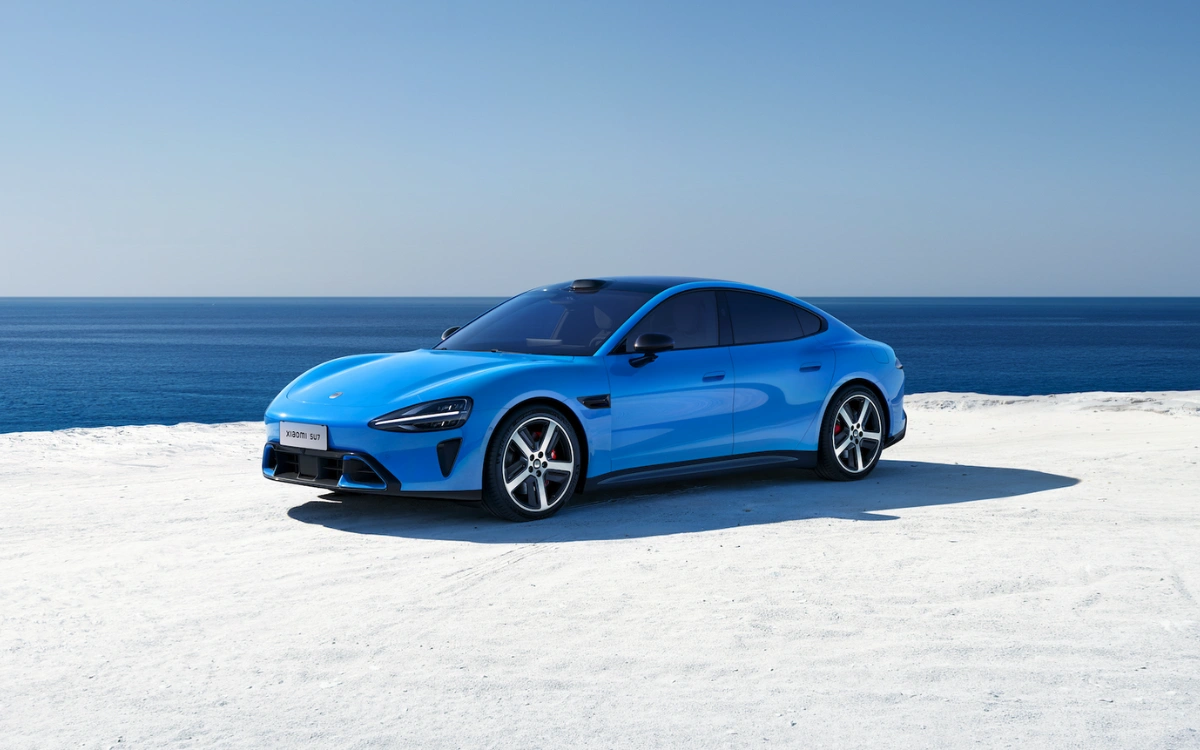
The new model opened at 219,900 yuan, or about $32,000, while higher-spec versions reached 303,900 yuan, roughly $44,000.
 Xiaomi
That positioning gave buyers access to high-end features without pushing into ultra-luxury territory, a balance that clearly resonated.
Performance and usability saw meaningful upgrades as well.
The Max variant now delivers up to 690 horsepower, while the Pro version offers a claimed range of up to 560 miles under CLTC testing.
 Xiaomi
Faster charging added to the appeal, with the ability to recover up to 416 miles of range in just 15 minutes when conditions allowed.
Beyond straight-line numbers, Xiaomi also focused on how the car felt to drive and live with.
Its Smart Chassis 2.0 system, which included dual-chamber air suspension and adaptive damping, was expanded to more trims.
Premium features for a reasonable price
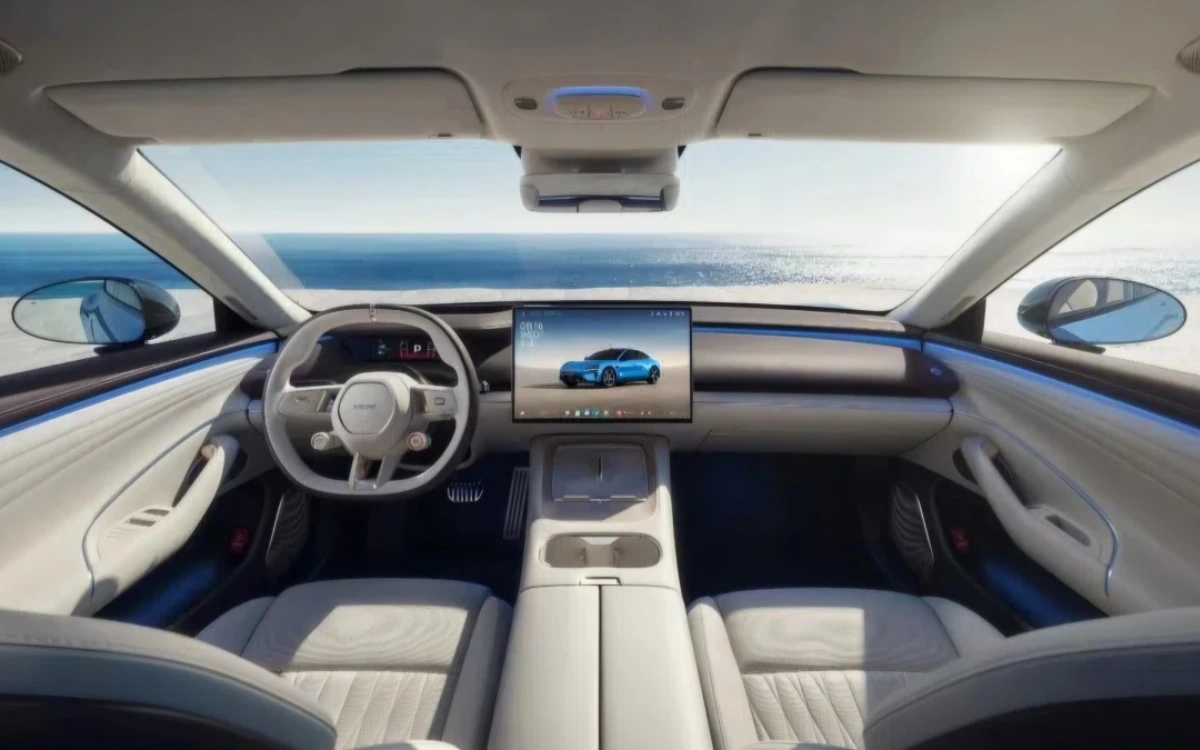
Inside, the cabin leaned further into a premium experience, with softer materials, improved noise insulation, and a cleaner, more refined layout.
 Xiaomi
Technology remained at the core of the SU7’s identity.
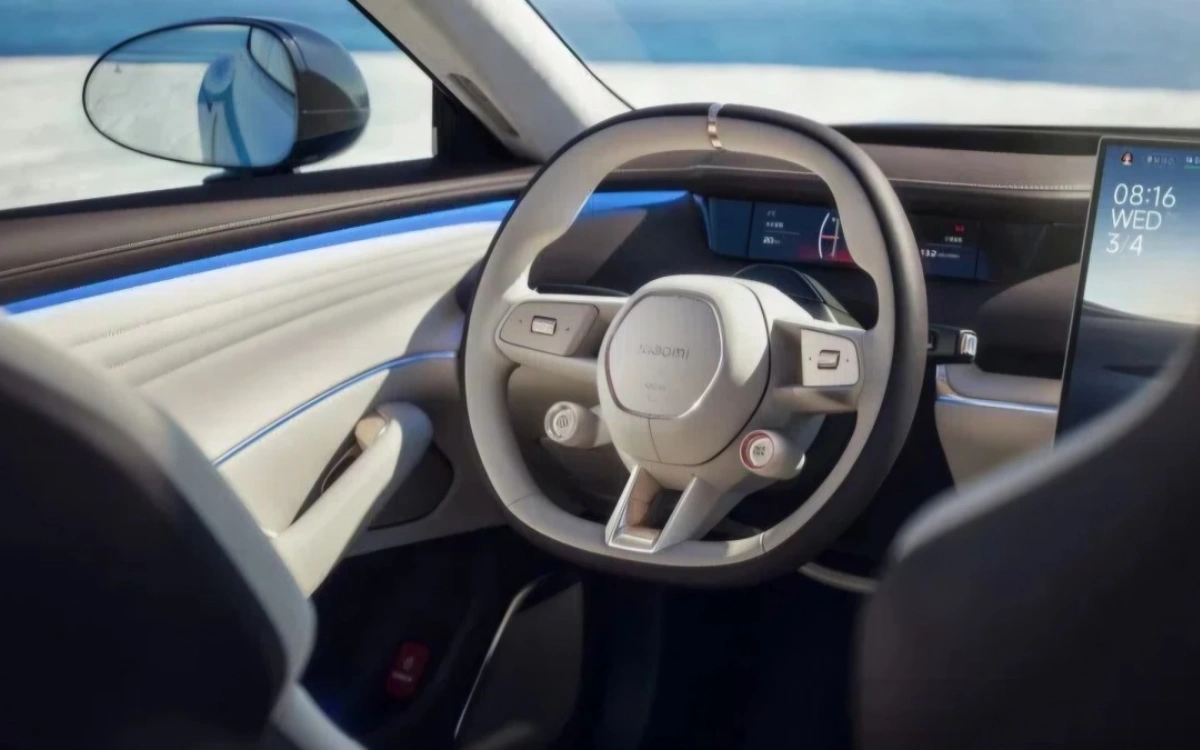
Every version now features a 700 TOPS computing platform, along with lidar and Xiaomi’s latest driver assistance suite as standard.
 Xiaomi
Rather than reserving advanced features for top trims, the brand made them widely accessible.
At the same time, Xiaomi addressed safety concerns that had surfaced earlier.
Following scrutiny over a previous incident involving electronic door systems, the company introduced a redesigned setup with multiple redundancies and a mechanical backup.
Additional reinforcements, including stronger structural materials and more airbags, were also added.
In fact, shortly after the incident, retractable-style door handles were banned by China, showing how seriously the country takes these safety concerns.
In any case, the rapid sales were certainly no fluke, and the Xiaomi SU7 demand is very real.
The company had refined a winning formula, and buyers responded immediately.
DISCOVER SBX CARS:
The global premium car auction platform powered by Supercar Blondie