KARACHI (Web Desk) – Amid soaring petrol prices in Pakistan, plug-in hybrid and range-extended vehicles are rapidly gaining popularity as consumers shift towards more economical alternatives.
With petrol prices exceeding Rs320 per litre, the cost of running conventional vehicles—especially SUVs—has increased significantly, prompting a change in consumer preferences. Experts and industry professionals say that plug-in hybrid electric vehicles (PHEVs) and range-extended electric vehicles (REEVs) are becoming more practical and cost-effective choices for Pakistani buyers.
According to industry experts, traditional petrol-powered C-segment SUVs, which average around 10 kilometers per litre, now cost approximately Rs32 per kilometer to operate. Conventional hybrid vehicles offer some relief, with better fuel efficiency of around 18 kilometers per litre, reducing the cost to about Rs18 per kilometer, but they still depend on petrol.
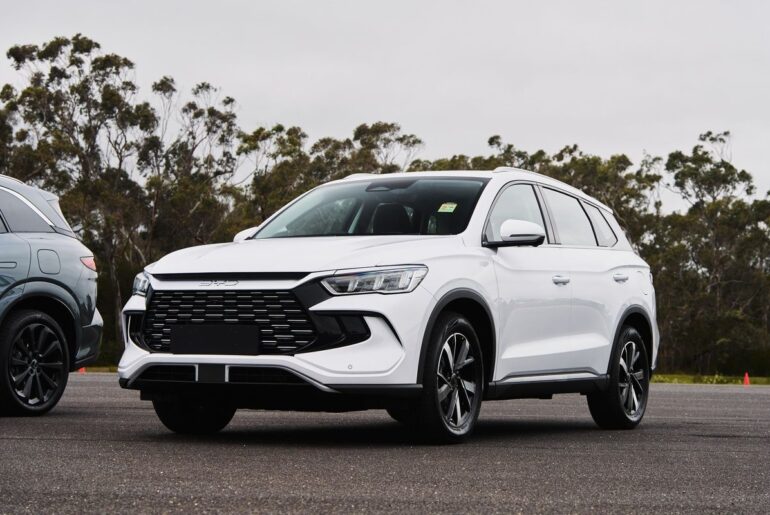
The real shift, experts note, is toward plug-in hybrid and range-extended vehicles, which can run primarily on electricity for daily urban use. For instance, a modern plug-in hybrid SUV can travel up to 170 kilometers on a full charge. With electricity costing around Rs50 per unit, a full charge may cost roughly Rs1,700, bringing the per-kilometer cost down to nearly Rs10.
This translates into savings of about Rs22 per kilometer compared to traditional petrol vehicles, offering significant monthly cost reductions for users.
Industry representatives noted that high fuel prices have shifted the conversation from environmental concerns to direct financial impact on consumers.
Experts also highlight that the growing adoption of solar energy and net metering in Pakistan is further accelerating this transition, allowing households to reduce both electricity and fuel expenses.
Additionally, plug-in hybrid and REEV vehicles are seen as more suitable for Pakistan compared to fully electric vehicles, as they do not rely entirely on charging infrastructure and offer petrol backup for long-distance travel.
Economists believe this trend could also benefit the national economy by reducing reliance on imported fuel. With global oil price fluctuations significantly impacting Pakistan’s financial position, a shift toward energy-efficient and electric vehicles could help lower the country’s import bill.