New data from Yazi’s March 2026 South African Fuel and Energy Sentiment Study shows 75% of respondents say global conflict is already affecting their monthly budgets, with fuel costs emerging as a key pressure point.
Yazi is a WhatsApp-based market research platform that enables organisations to conduct surveys, AI-moderated interviews, diary studies and panel research at scale.
Rising fuel prices are also influencing vehicle choices. Rather than shifting directly to fully electric vehicles (EVs), many South Africans are considering hybrids — particularly more affordable Chinese-built models — as a way to reduce fuel spend without sacrificing range.
A market under pressure
Consumers are not moving neatly from petrol to electric mobility, instead prioritising flexibility.
The study indicates that many South Africans are aware of the link between global events and local fuel prices and are increasingly open to hybrid technology as a way to reduce reliance on a single, volatile energy source.
According to the data, 81% of respondents describe their mood as “frustrated” or “anxious”, while 24% are already considering switching to a more fuel-efficient vehicle at the current inland petrol price of R20.30/l. A further 84% say they would consider a hybrid as their next car.
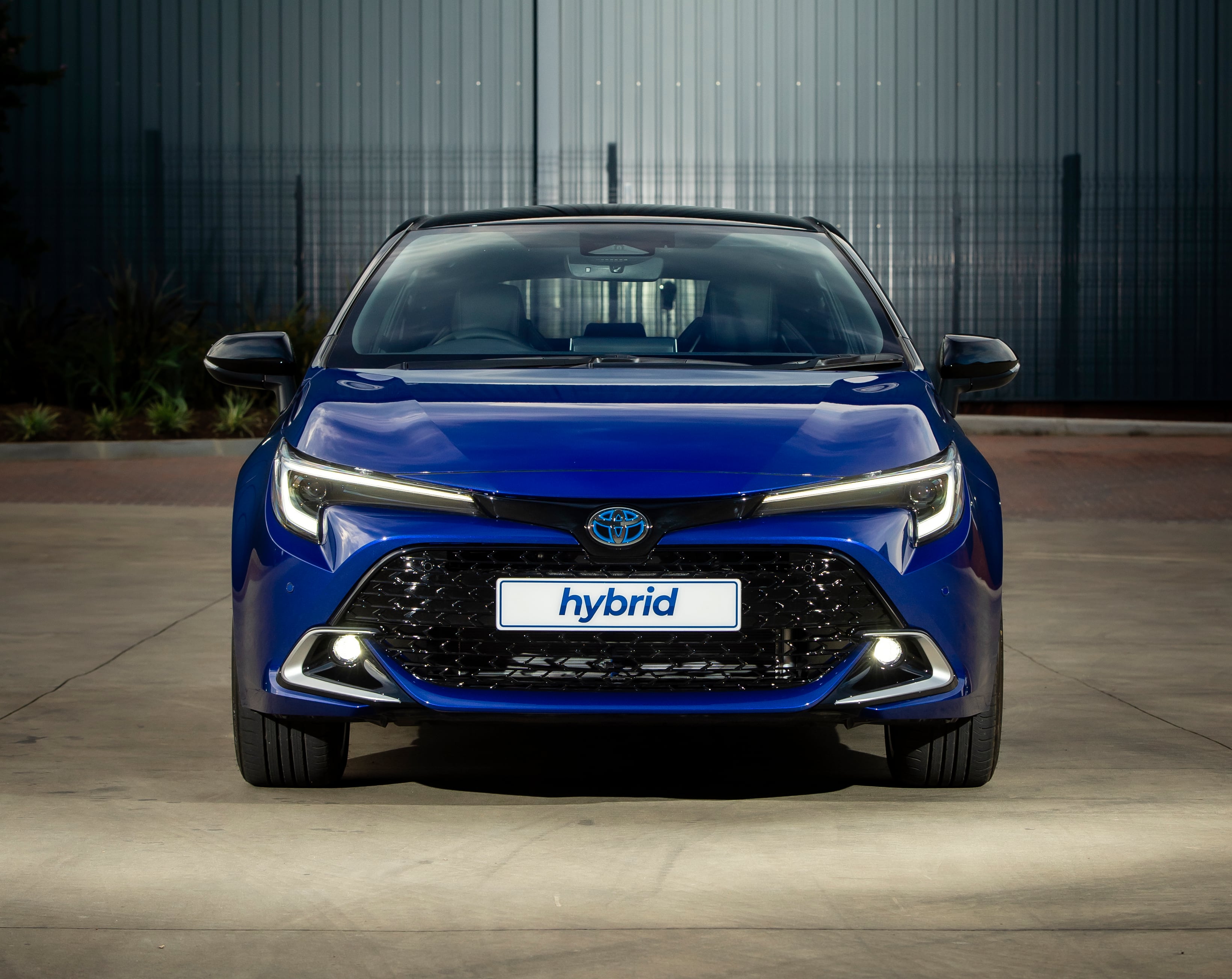 Interest in hybrids appears to be driven primarily by cost considerations rather than environmental concerns. (CORNEL VAN HEERDEN)
Financial resilience over environmental intent
Interest in hybrids appears to be driven primarily by cost considerations rather than environmental concerns.
Consumers are looking to reduce exposure to fuel price volatility without fully committing to EVs. Hybrids — particularly plug-in hybrids — combine electric driving with petrol backup, which in the local context may offer a sense of energy security.
A ‘solar mindset’ extends to mobility
The report draws parallels with household energy behaviour, where many South Africans have adopted a solar-plus-grid approach to manage load-shedding and rising electricity costs.
“We’ve already seen South Africans adopt a solar-plus-grid mindset at home,” says Yazi CEO Tim Treagus. “This data suggests the same logic is now shaping how people think about their next car, with hybrids offering energy flexibility without a single point of failure.”
Concerns about EV adoption remain tied to infrastructure. Respondents cite grid reliability and charging access — particularly outside major metros — as key barriers.
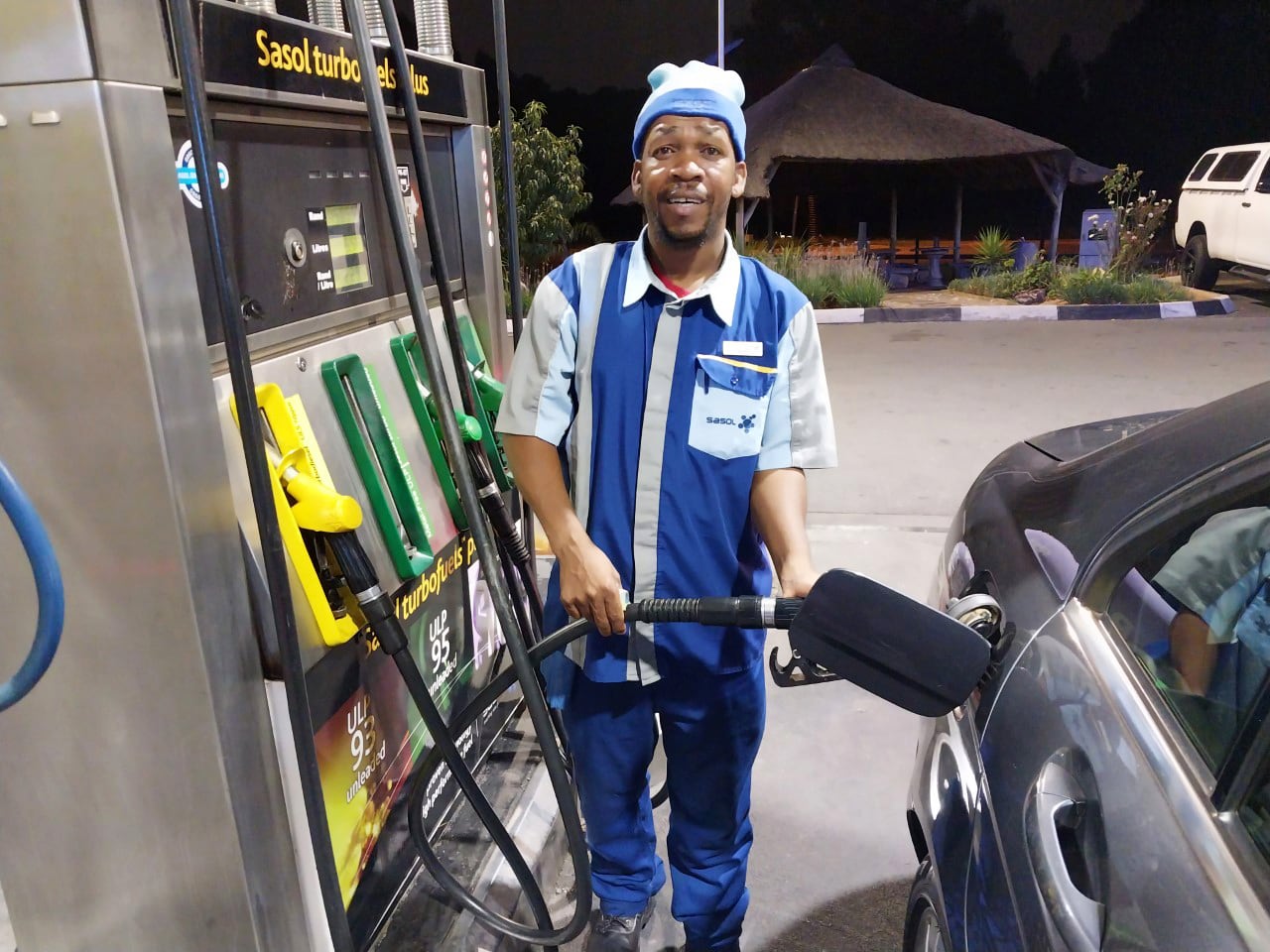 Nearly one in four respondents is already considering switching vehicles at current fuel prices. (FREDDY MAVUNDA )
Fuel costs are changing behaviour
The effects of fuel prices are already visible in daily routines.
Respondents report consolidating trips, planning routes more carefully and cutting discretionary travel. Some say they are visiting malls less often, reducing social activities or shifting to public transport and e-hailing services.
Nearly one in four respondents is already considering switching vehicles at current fuel prices. A further 29% say they would do so at R25/l and 30% at R30/l.
Affordability remains the main barrier
Price remains the biggest obstacle to switching vehicles.
Across the sample, 38% of respondents say lower vehicle prices would be the most important factor, followed by improved charging infrastructure (26%) and clearer evidence of cost savings (18%).
Chinese brands gain traction
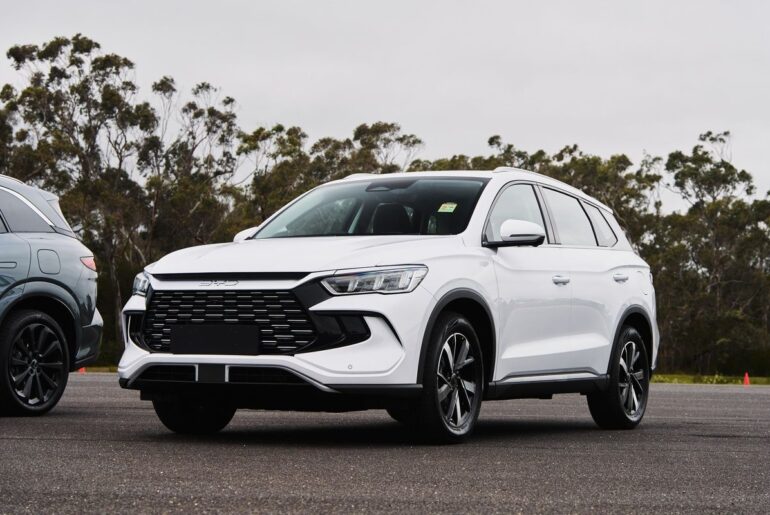
More affordable hybrid and plug-in hybrid models from Chinese manufacturers are beginning to address this barrier. The study shows 44% of respondents would trust a China-built hybrid, while 32% say their decision would depend on price. Only 11% say they would not consider one at all.
Several of the most affordable hybrids currently available in South Africa are Chinese brands, with similar trends emerging in the EV market.
 Diesel users show higher levels of openness to hybrids than petrol drivers (56.4% vs 47%). (lutsenko / 123rf)
Diesel drivers show strong intent to switch
Diesel drivers emerge as a particularly receptive group. They show higher levels of openness to hybrids than petrol drivers (56.4% vs 47%), with 90% indicating some level of interest overall.
For this group, the appeal is largely practical, linked to long-distance driving needs and fuel cost exposure. Infrastructure concerns remain significant, with diesel drivers placing nearly equal emphasis on vehicle price and charging availability.
A potential market shift
Sustained fuel pressure could influence not only consumer behaviour but also broader market dynamics.
Historically, fuel shocks have shifted demand towards more efficient vehicles, as seen during the 1970s oil crisis. A similar trend could benefit brands offering more cost-effective, fuel-efficient alternatives.
Overall, the data points to a market already adapting to rising fuel costs, with flexibility and affordability emerging as key priorities in vehicle choice.